
Livraison et retours gratuits au-dessus de 100 $ !
That sharp reminder when you stand up from the couch, go down stairs, or get out of the car can change the whole rhythm of your day. If you are looking for how to ease knee discomfort at home, the goal is not just to mask the sensation for an hour. It is to calm irritation, reduce the load on the joint, and make everyday movement feel more manageable without turning immediately to pills or complicated routines.
Knee discomfort is common because the joint has a hard job. It absorbs force, helps stabilize your body, and works through almost every daily activity from walking to lifting to sleeping positions. When the tissues around the knee get irritated, overworked, stiff, or inflamed, even simple movements can start to feel unpredictable.
The good news is that many cases of mild to moderate knee discomfort respond well to practical home care. The key is matching the right strategy to the reason your knee is bothering you in the first place.
One of the biggest mistakes people make is swinging between two extremes. They either push through pain and keep doing everything as usual, or they stop moving completely. Usually, neither works well.
A better approach is to reduce the motions that clearly aggravate your knee while keeping the joint gently active. If stairs, deep squats, kneeling, or long walks make symptoms flare up, scale those back for a few days. That does not mean bed rest. It means giving the irritated area less stress while still encouraging circulation and mobility.
Short, easy walks on flat ground can help some people. For others, the knee needs a day or two of lighter activity before walking feels good again. This is one of those cases where it depends. If motion warms the joint up and it feels better after a few minutes, light movement is often useful. If each step makes it worse, back off and focus on comfort first.
People often ask whether ice or heat is better. The honest answer is that both can help, but for different reasons.
Cold is usually more helpful when the knee feels swollen, warm, puffy, or freshly irritated after activity. A cold pack wrapped in a thin towel for 10 to 15 minutes can help calm that post-activity flare. Heat tends to be better when the knee feels stiff, tight, or achy, especially first thing in the morning or after sitting for a long time.
If your discomfort comes from overuse, a workout flare, or a minor twist, start with cold. If the bigger issue is stiffness and limited motion, try heat before gentle movement. Some people even use both - heat to loosen up, then cold later if the knee gets irritated.
A knee that feels unstable or mildly swollen often benefits from light compression. A simple compression sleeve can help the joint feel more supported during daily movement. It will not fix the root cause by itself, but it can reduce the sense that the knee is vulnerable every time you stand, bend, or walk.
Support matters most when it helps you move more comfortably without encouraging you to overdo it. If a brace lets you ignore worsening symptoms, it can become part of the problem. Think of support as a tool, not a license to push through obvious pain signals.
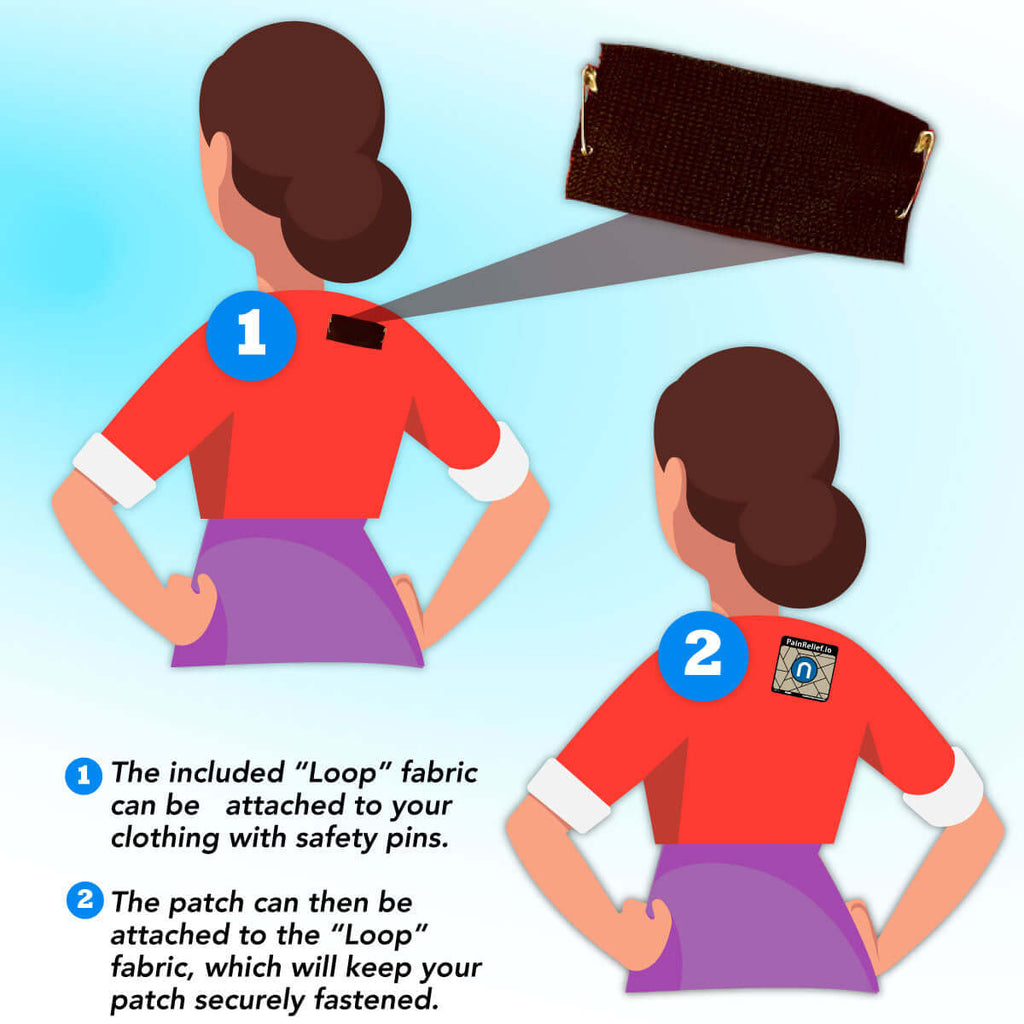
For people looking for drug-free options, this is also where wearable pain relief tools may fit into a home routine. Noninvasive, reusable solutions are appealing because they can be used regularly without the mess of creams or the short lifespan of disposable patches. The best option is one that is simple enough to use consistently and practical enough to fit everyday life.
When the knee hurts, many people jump straight to strengthening exercises they found online. The issue is that a stiff, irritated joint usually responds better when you restore comfortable motion first.
Start with gentle range-of-motion work. Sitting on a chair and slowly straightening and bending the knee for a few minutes can help. Heel slides on the bed or floor can also encourage motion without much load. These movements should feel easy, not aggressive.
Once the knee tolerates motion better, basic strengthening can make a real difference. The knee does not work alone. Your quads, hamstrings, glutes, and calves all help control how force moves through the joint. When those muscles are weak or poorly coordinated, the knee often ends up doing more than it should.
A few simple exercises are usually enough to begin. Straight-leg raises, seated leg extensions with no weight, gentle standing hamstring curls, and glute bridges can support the muscles around the knee without deep bending. The test is straightforward: if symptoms spike during the exercise or continue to build afterward, the load is too much right now.
Pain gets your attention, but swelling often tells you more about how your knee is handling activity. If the joint looks puffier at the end of the day, feels tight, or bends less easily after a walk or workout, that is useful feedback.
Swelling usually means the knee is not tolerating the current level of stress. In that case, reduce intensity, shorten the activity, or give yourself more recovery time between sessions. Elevating the leg for short periods can also help when fluid buildup is part of the problem.
This is especially relevant if your discomfort comes and goes. Many recurring knee issues are not random. They are a pattern of irritation, temporary improvement, and re-irritation because the underlying load never really changes.
If your knee discomfort flares during long periods of standing or walking, look down before you look for a complicated explanation. Unsupportive shoes, worn-out soles, or hard surfaces can increase stress through the knee.
You do not necessarily need specialty footwear, but you do need shoes that feel stable and cushioned enough for your activity. Around the house, hard floors with bare feet can be surprisingly aggravating for some people. A supportive house shoe or sneaker may help reduce daily irritation, especially if you are on your feet a lot.
Nighttime discomfort can be frustrating because it steals recovery when you need it most. A small position change may help. If you sleep on your back, placing a pillow under the knee can reduce strain. If you sleep on your side, a pillow between the knees may keep the joint in a more comfortable alignment.
The goal is not to force the knee into a perfect position. It is simply to avoid sustained positions that make it feel compressed, twisted, or stiff by morning.
Home care works best when you avoid a few common traps. One is doing too much on good days. If your knee finally feels better, it is tempting to catch up on yard work, errands, workouts, and stairs all at once. That often leads to the same flare by evening or the next morning.
Another trap is stacking too many intense strategies together. Aggressive stretching, deep massage, hard foam rolling, and high-rep strengthening on an already irritated knee can backfire. More treatment is not always better treatment.
Consistency usually beats intensity. A manageable daily plan of gentle movement, smart activity changes, and practical support is often more effective than occasional all-out efforts.
Many types of knee discomfort improve with simple at-home care, especially if they are tied to overuse, mild strain, stiffness, or activity-related irritation. But there are times when home treatment should not be the whole plan.
If you cannot bear weight, your knee visibly deforms, it locks completely, swelling comes on fast after an injury, or you have signs of infection like redness, heat, and fever, get medical care promptly. The same goes for persistent symptoms that are not improving after a couple of weeks, or pain that keeps returning despite careful self-management.
There is nothing weak about getting more answers. Sometimes the right next step is imaging, physical therapy, or a clearer diagnosis. Home care is useful, but it should work with good judgment, not replace it.
For ongoing day-to-day support, many people do best with a layered approach: reducing strain, staying gently mobile, using comfort measures that match the moment, and choosing drug-free tools they can realistically use again and again. That is often where simple wearable options can make sense, especially for people trying to stay active without relying on medication.
Your knee does not need a perfect plan. It needs a calmer environment, less aggravation, and a routine you can actually stick with long enough to notice a difference.
Recherche
Terms of Service
Refund Policy
Contact Us
Ne pas vendre ou partager mes informations personnelles
Affiliates: Join or Log In
PATENTS
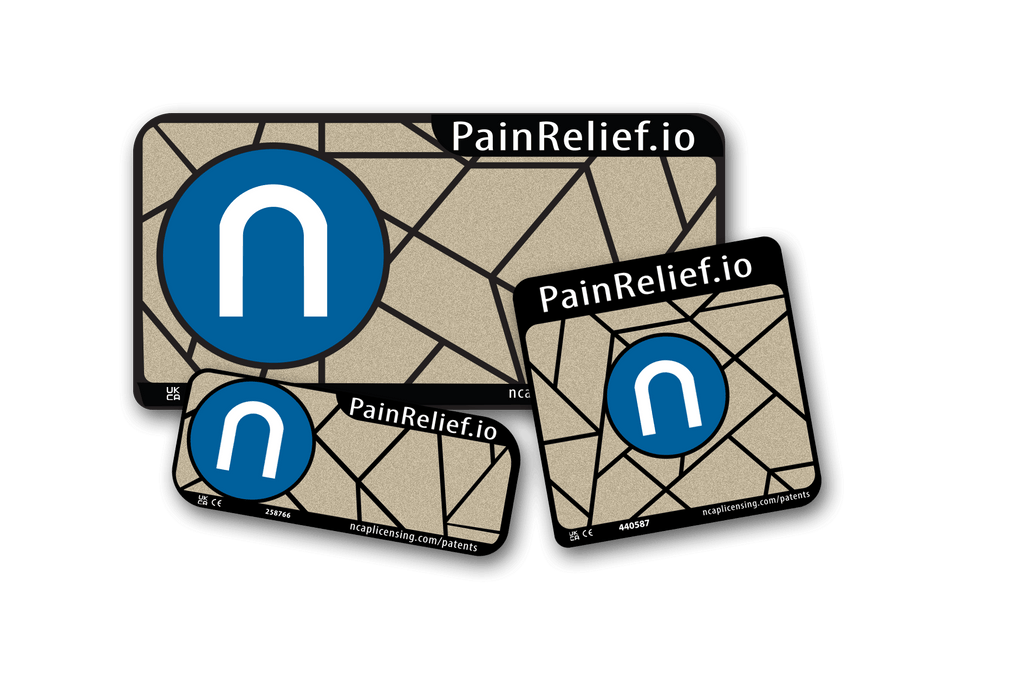
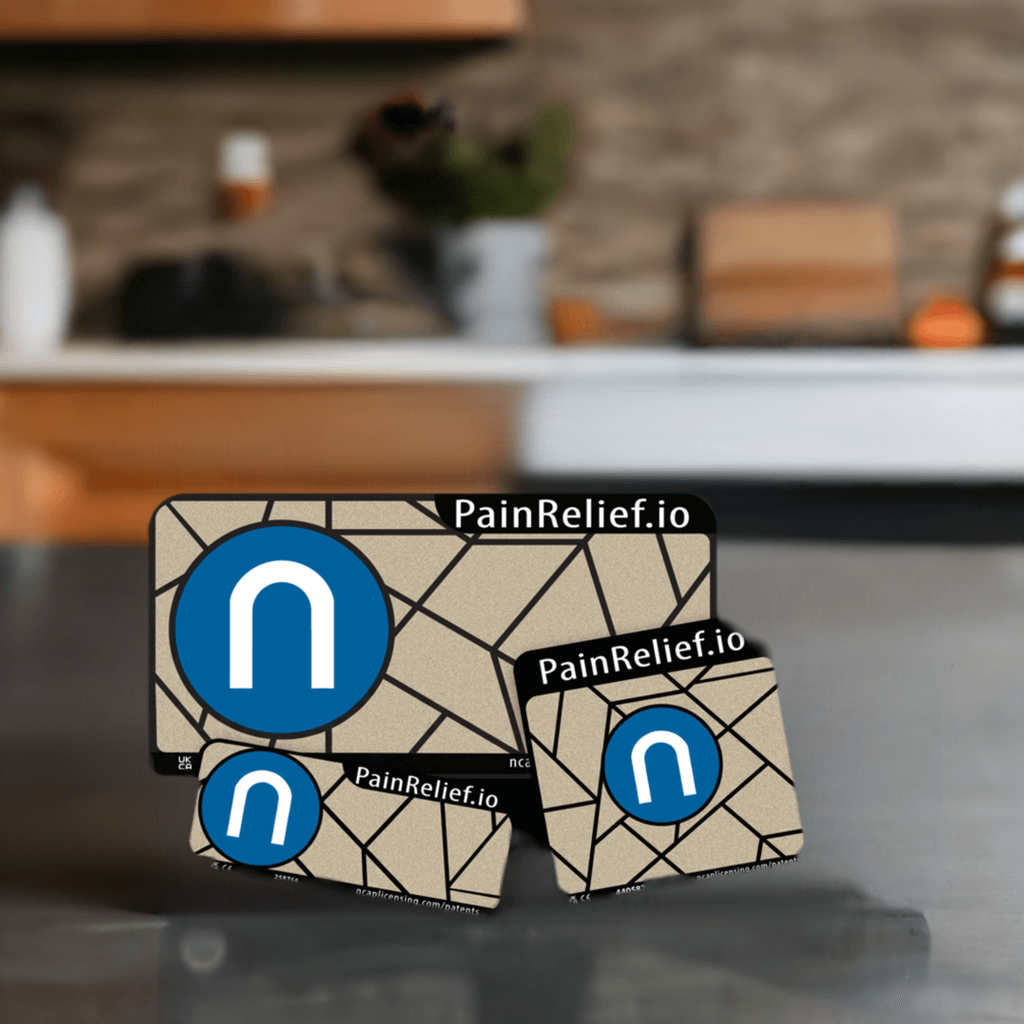
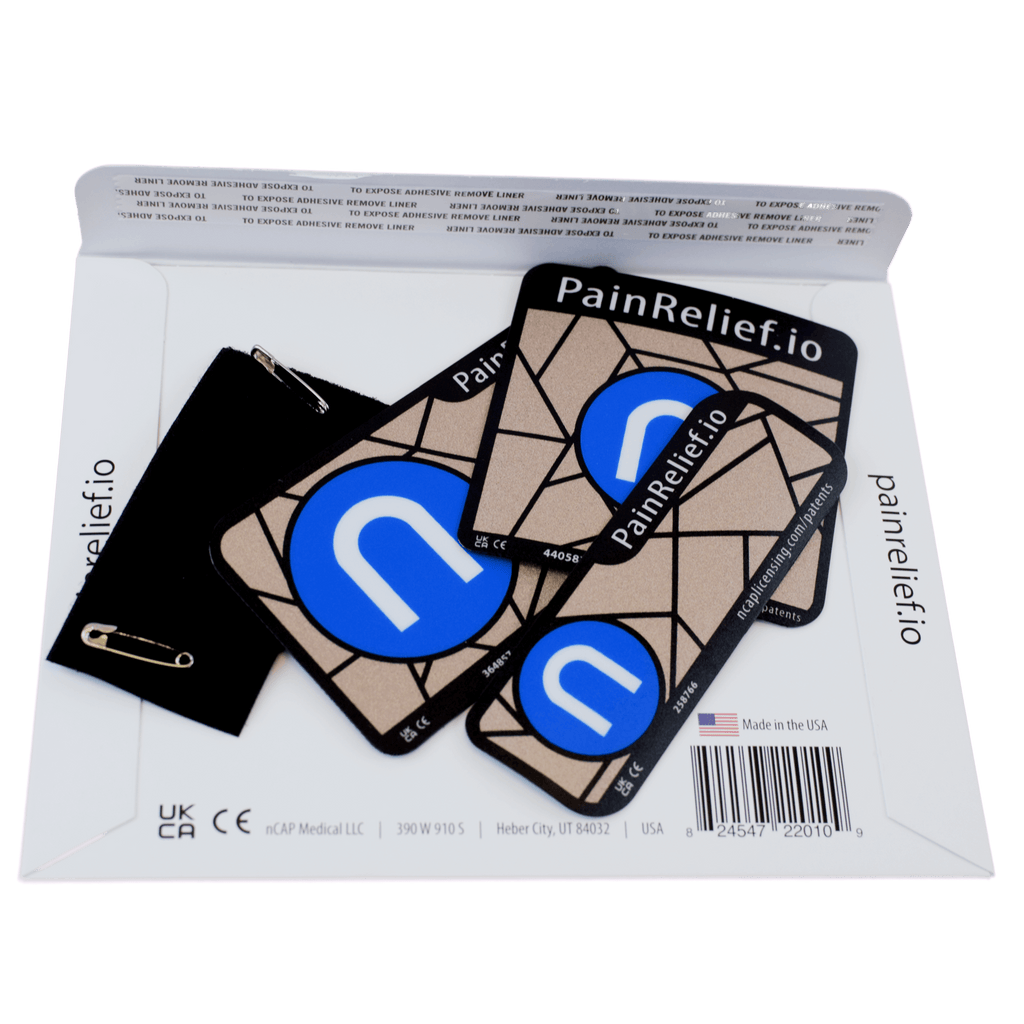
C'est simple à utiliser ! Placez simplement l'appareil au-dessus de votre douleur - Entre la douleur et le cerveau (tm) - et votre douleur commencera à s'estomper en quelques minutes. Le tout dans un appareil portable fin, réutilisable. Pas de piles, pas de fils, pas d'huiles malodorantes, pas de médicaments et ça agit rapidement !!
L'appareil est construit avec notre couche brevetée Neurocuple® scellée entre deux couches imperméables. Une fois placée au bon endroit, la couche Neurocuple® est activée directement par l'énergie du corps de l'utilisateur. Après quelques minutes, une sensation de chaud, de froid ou de picotement est ressentie par l'utilisateur à mesure que la douleur s'estompe.
L'appareil PainRelief.io® est un produit de bien-être général qui aide à promouvoir l'activité physique chez les utilisateurs souffrant de douleurs chroniques et intermittentes, ce qui, dans le cadre d'un mode de vie sain, peut aider à vivre avec ces conditions et peut retarder l'apparition des handicaps associés.