
Livraison et retours gratuits au-dessus de 100 $ !
A heating pad works until you need to stand up. A cream helps until it wears off. A pill may take the edge off, but not everyone wants to rely on medication for recurring pain. That gap is exactly why a guide to wearable pain relief options matters. The right wearable can give you a way to manage pain while moving through work, errands, exercise, or rest - without building your day around treatment.
Wearable pain relief has grown far beyond bulky braces and one-time-use patches. Today, the category includes compression supports, heat-based wraps, TENS units, cooling wearables, and newer drug-free devices designed to interact with the body in different ways. Some are best for short-term soreness. Others are built for repeated use across chronic pain patterns. The best choice depends less on hype and more on the kind of pain you have, where it shows up, and how you actually live.
In simple terms, wearable pain relief refers to any device or support you can place on the body and keep on while resting or staying active. That might mean a knee support for walking, a migraine wearable for lying in a dark room, or a back device you wear during your workday. The point is not just treatment. It is treatment that fits into real life.
That distinction matters because pain is often disruptive in very ordinary moments. Lower back pain shows up while driving or sitting at a desk. Neck and shoulder tension builds during screen time. Menstrual cramps do not wait for a convenient schedule. If relief only happens when you stop everything, it is harder to use consistently.
Not all wearables work the same way, and that is where many shoppers get stuck. Two products may look similar online but feel completely different in daily use.
Compression wearables are some of the most familiar options. These include knee sleeves, wrist supports, back braces, and ankle wraps. They work by stabilizing an area, limiting excess motion, and applying gentle pressure. For joint discomfort, swelling, or overuse strain, that support can be helpful.
The trade-off is that compression does not directly address every kind of pain. It may help you feel more secure during movement, but it can also feel bulky, hot, or restrictive if worn too long. For some people with chronic pain, support is useful. For others, it becomes one more thing they cannot wait to take off.
Wraps, belts, and reusable pads that deliver heat or cold remain popular because they are simple and familiar. Heat can be useful for muscle tightness, stiffness, and cramps. Cold may help after activity, with swelling, or during headache flare-ups.
The limitation is portability. Some heated products need to be plugged in or charged. Others lose temperature quickly. Cold therapy can be effective, but it often has a short practical window before the device warms up. These options can work well at home, though they are not always ideal if you need relief while commuting, working, or sleeping.
TENS units use electrical impulses sent through adhesive pads placed on the skin. Many users like them for muscle pain, back pain, and some chronic pain conditions because they can create a strong, noticeable sensation that distracts from pain signals.
Still, TENS is not for everyone. Some people find the sensation uncomfortable or irritating, especially in sensitive areas. Traditional units also involve wires, batteries, charging, controls, and replacement electrodes. If you want an option that feels highly active and adjustable, TENS may be worth considering. If you want something simpler and less equipment-heavy, it may not be the best fit.
Some wearables function like an extended version of a pain patch. They stick to the body and are meant to be worn for hours, sometimes using ingredients such as menthol or capsaicin. The appeal is convenience. Put it on, cover the area, and move on.
But these are often disposable, and for recurring pain that can become expensive and repetitive. Skin sensitivity is another issue. If you already know that creams, gels, or medicated patches irritate your skin, a topical-style wearable may create as many problems as it solves.
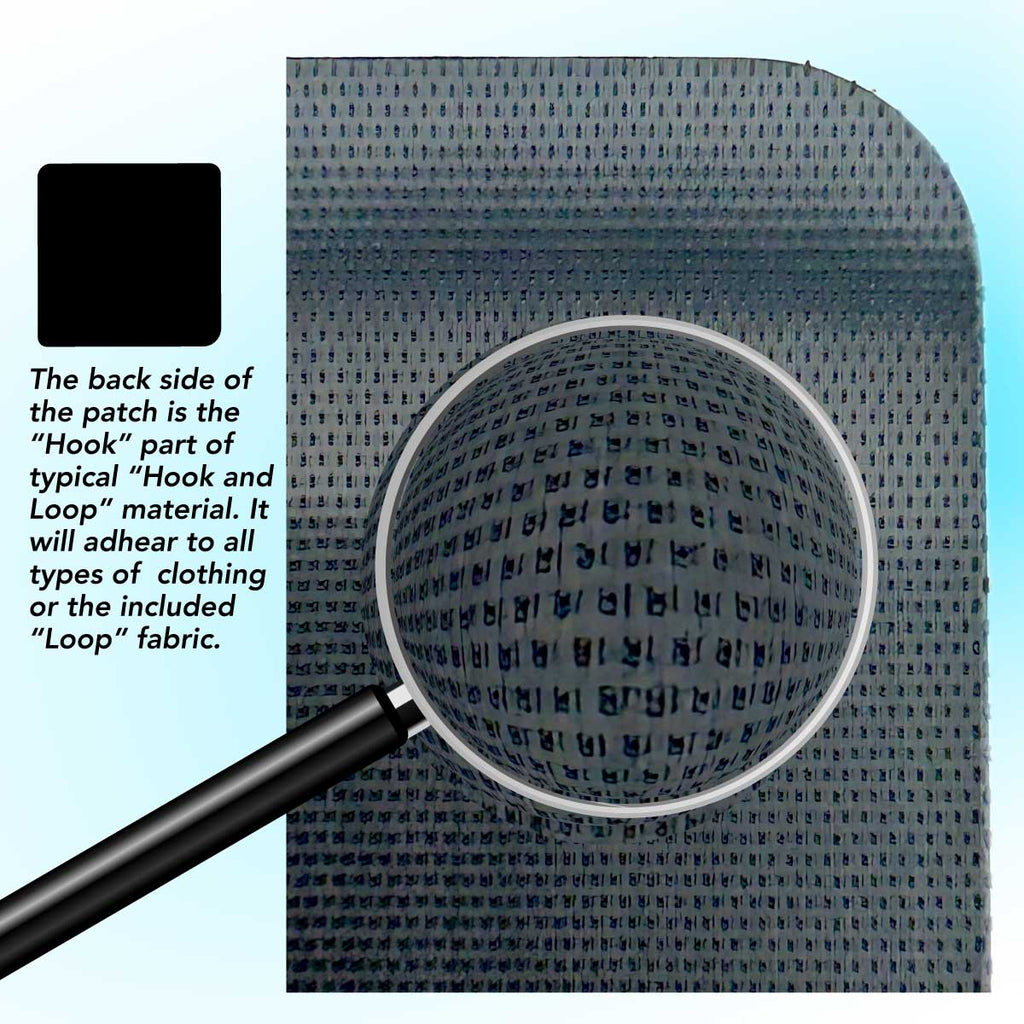
A newer category focuses on the body's own electrical environment rather than heat, medication, or powered stimulation. These wearable devices are typically lightweight, wire-free, and designed to be placed over a pain area such as the back, knee, neck, jaw, or temples.
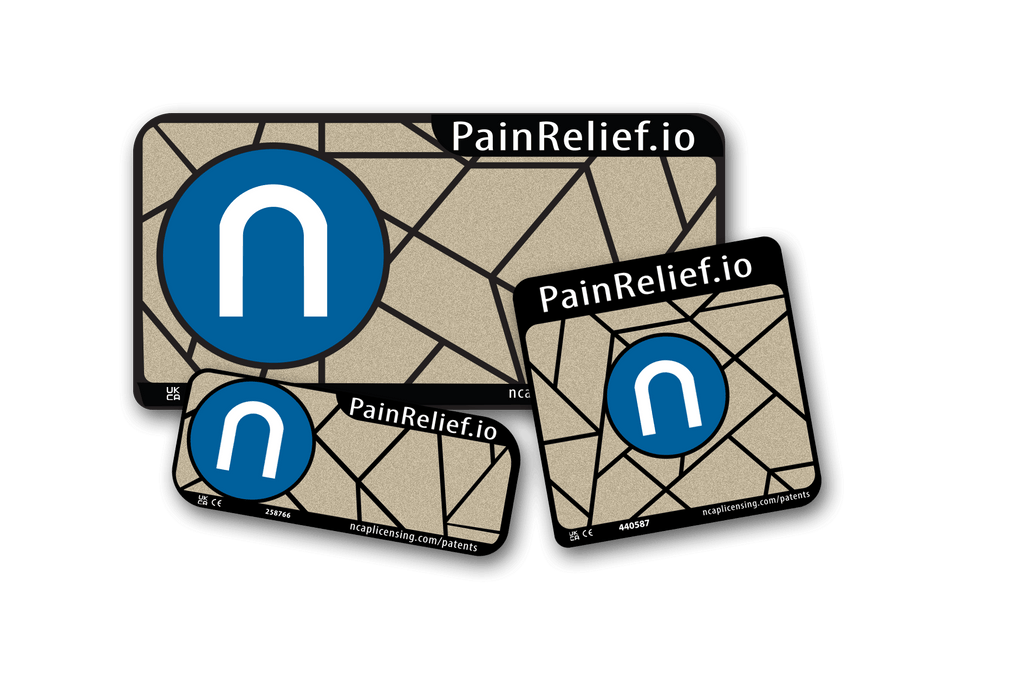
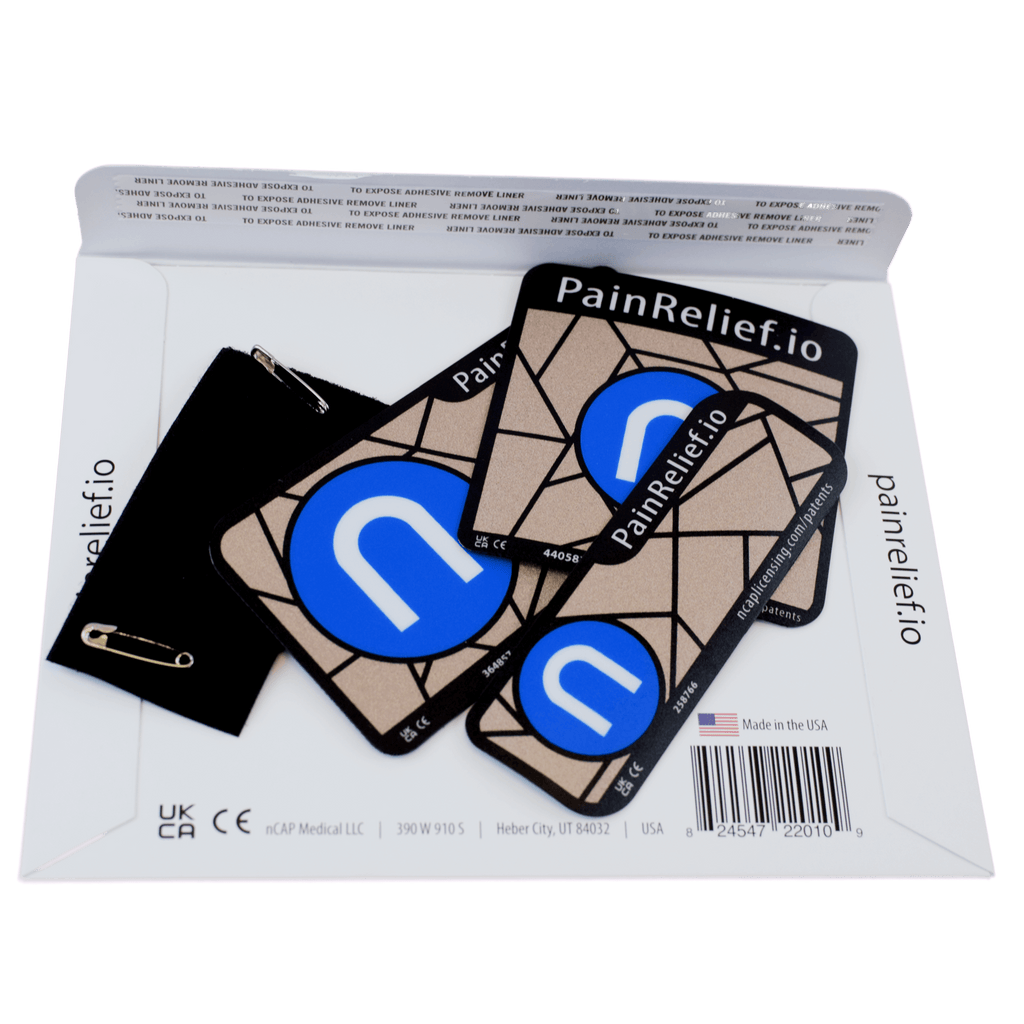
For many people, the biggest advantage is usability. There is no charging cable, no gel, and no strong pulsing sensation. That makes these options appealing for people who want a lower-maintenance, reusable approach to everyday pain relief. PainRelief.io®, for example, uses patented NeuroCuple® nanocapacitive technology in reusable wearables designed for targeted placement across common pain areas.
The smartest place to start is not the product category. It is your pain pattern.
If your pain is mostly mechanical, like a joint that feels unstable during movement, compression may help because support is part of the solution. If your pain feels muscular and tight, heat may be more useful. If you want strong sensory input and do not mind setup, TENS may fit. If your pain is recurring and you want something simple, lightweight, and reusable, a drug-free wearable made for ongoing use may be the better match.
Location matters too. A lower back device can be larger and flatter. A knee wearable needs to handle bending. Temple or jaw placement requires something smaller and more precise. One reason shoppers get disappointed is buying a general pain product for a very specific body area. Good wearable design is about fit as much as function.
Your daily routine should guide the decision as well. Ask yourself whether you need relief while sitting, walking, working, sleeping, or exercising. A product that works only when you are completely still may not help much if your pain tends to flare during activity. On the other hand, if your worst pain hits at night, comfort during rest matters more than all-day mobility.
A useful guide to wearable pain relief options should also cover the details that rarely make the headline.
Reusability matters if pain is not a one-time event. Disposable products can feel affordable at first, then expensive after a month of regular use. Ease of placement matters because even a well-designed device will not help much if it is awkward to apply where you need it. Comfort matters because pain relief products compete with the reality of skin sensitivity, body movement, clothing, and temperature.
It is also worth paying attention to how a brand explains body-area use. Pain is personal, but buying should not feel confusing. Products that are organized around real scenarios like lower back pain, knee pain, migraines, cramps, or TMJ tend to be easier to choose and use correctly than products marketed in vague, one-size-fits-all language.
Finally, look at risk reduction. If you are trying a new category, a meaningful trial window or money-back guarantee can make the decision easier. That does not replace product quality, but it does show whether a company understands that pain relief is personal and not every solution works the same way for every body.
Wearables are especially helpful when pain is recurring, localized, and disruptive enough to affect your day but not so urgent that it requires immediate medical care. That includes back pain from sitting too long, knee discomfort after activity, shoulder tension from repetitive work, menstrual cramps, headaches, jaw pain, and many forms of chronic soreness.
They can also make sense if you are trying to reduce how often you reach for pills, or if you are tired of short-term fixes that need constant reapplication. That does not mean every wearable is a perfect fit for every condition. It means the category offers more practical range than many people realize.
If your pain is severe, new, rapidly worsening, or linked to injury, infection, numbness, weakness, or other concerning symptoms, a wearable should not be your only next step. Drug-free relief can be part of a smart routine, but it is not a substitute for proper medical evaluation when something feels off.
The best wearable pain relief option is usually the one you will actually use consistently. Not the one with the flashiest claims, and not the one that looks impressive in a product video. Pain relief is personal, and the right device should make your day easier, not more complicated. Start with your pain pattern, your body area, and your routine. When the fit is right, relief feels less like a workaround and more like control you can keep using.
Recherche
Terms of Service
Refund Policy
Contact Us
Ne pas vendre ou partager mes informations personnelles
Affiliates: Join or Log In
PATENTS
C'est simple à utiliser ! Placez simplement l'appareil au-dessus de votre douleur - Entre la douleur et le cerveau (tm) - et votre douleur commencera à s'estomper en quelques minutes. Le tout dans un appareil portable fin, réutilisable. Pas de piles, pas de fils, pas d'huiles malodorantes, pas de médicaments et ça agit rapidement !!
L'appareil est construit avec notre couche brevetée Neurocuple® scellée entre deux couches imperméables. Une fois placée au bon endroit, la couche Neurocuple® est activée directement par l'énergie du corps de l'utilisateur. Après quelques minutes, une sensation de chaud, de froid ou de picotement est ressentie par l'utilisateur à mesure que la douleur s'estompe.
L'appareil PainRelief.io® est un produit de bien-être général qui aide à promouvoir l'activité physique chez les utilisateurs souffrant de douleurs chroniques et intermittentes, ce qui, dans le cadre d'un mode de vie sain, peut aider à vivre avec ces conditions et peut retarder l'apparition des handicaps associés.