
Livraison et retours gratuits au-dessus de 100 $ !
Pain rarely stays in one lane. A stiff lower back can turn into a distracted workday. A headache can cancel evening plans. Knee pain can make simple errands feel bigger than they should. That is why a guide to noninvasive pain support should start with real life, not theory. Most people are not looking for a complicated system. They want relief that feels manageable, drug-free, and realistic to use again and again.
Noninvasive pain support is exactly what it sounds like - ways to help reduce or manage discomfort without needles, surgery, or other procedures that break the skin. For many people, it also means looking beyond pills and short-term fixes. The goal is not to chase a perfect cure for every kind of pain. The goal is to build a smarter, more sustainable way to respond when pain shows up, especially if it keeps coming back.
The term covers a wide range of tools and habits. Some are physical, like braces, wraps, stretching routines, heat, cold, massage, and wearable pain relief devices. Some are behavioral, like pacing activity, improving sleep, or changing how you sit, lift, or recover after exercise. The best approach usually combines more than one method.
That matters because pain is not always just about tissue damage. Sometimes pain starts with strain or inflammation, then lingers because the area stays irritated, overworked, or sensitive. Sometimes it becomes part of a repeating cycle - pain changes movement, movement creates tension, and tension keeps the pain going. A noninvasive approach tries to interrupt that cycle without adding more stress to your body.
A lot of adults are not against medication. They are simply tired of relying on it as the only answer. Over-the-counter pain relievers can be useful, but they are not ideal for everyone, especially when pain is frequent. Some people want to avoid side effects. Others do not like how short the relief window feels. Many are looking for something they can use more regularly without feeling like they are constantly reaching for another dose.
That is where noninvasive support becomes appealing. It gives people more control. Instead of waiting until pain gets worse, they can use practical strategies throughout the day - at work, at home, after a workout, during travel, or while trying to sleep. For recurring issues like back pain, shoulder tension, menstrual cramps, migraines, jaw pain, or sore knees, that flexibility matters.
The right tool often depends on where the pain is, how often it happens, and what seems to trigger it.
For back pain, the challenge is usually repetition. Long hours sitting, lifting incorrectly, poor sleep positions, or overuse can all keep the lower back irritated. Heat may help loosen tension. Gentle movement can prevent stiffness from building. A wearable, drug-free support option can make sense here because the back is a large area that often needs repeat support during normal daily activity.
For knee or joint pain, stability and placement matter more. Some people need compression. Others need relief that does not feel bulky, hot, or restrictive. If pain shows up when walking, climbing stairs, or exercising, the ideal option is one that supports movement rather than forcing you to stop everything.
For headaches, migraines, or jaw pain, the pattern is different. These are often sensitive areas where strong smells, messy creams, or heavy devices are a poor fit. Noninvasive support works best when it is lightweight, simple to position, and easy to use at the first sign of tension.
For menstrual pain, convenience matters just as much as relief. A method that can be used discreetly, repeatedly, and without medication is often more useful than a one-time disposable option.
For muscle soreness or workout-related discomfort, recovery is the main issue. Here, noninvasive support may work best alongside hydration, rest, and returning to movement gradually instead of trying to force a quick fix.
Not every drug-free product is equally practical. Some feel promising in theory but end up in a drawer because they are annoying to use. When evaluating pain support, it helps to ask a few simple questions.
First, can you actually use it in daily life? If a product only works while lying still at home for an hour, it may not fit a busy routine. Second, is it reusable? Disposable pain products can add up quickly, especially for recurring pain. Third, does it target the area that hurts, or is it too generic to be useful? And fourth, can you use it without creating another inconvenience, like heat buildup, greasy residue, cords, batteries, or a strong odor?
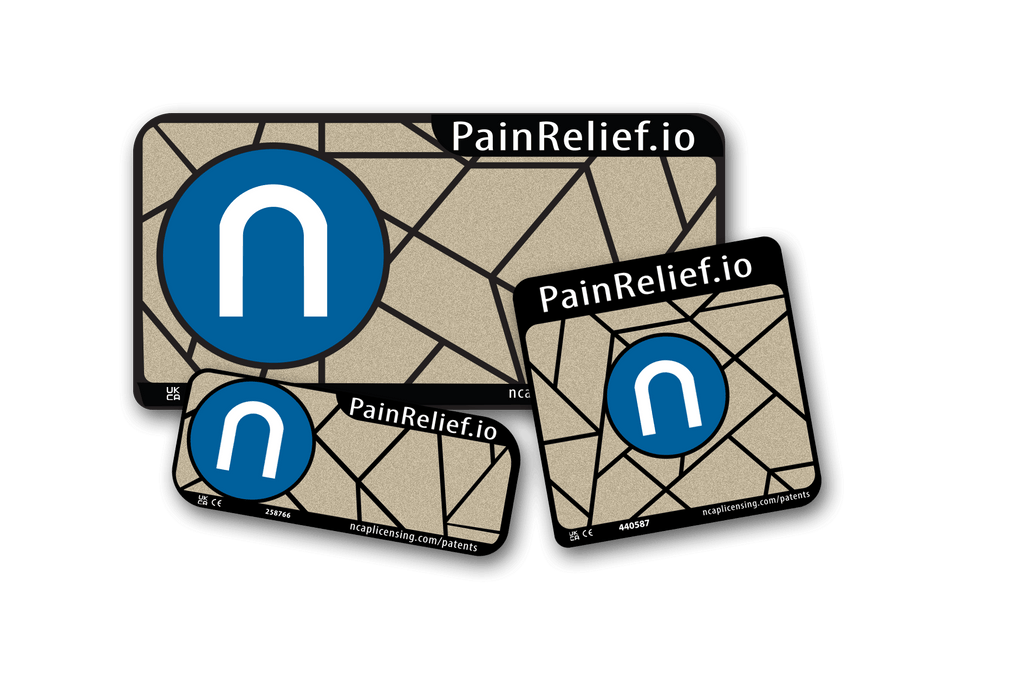
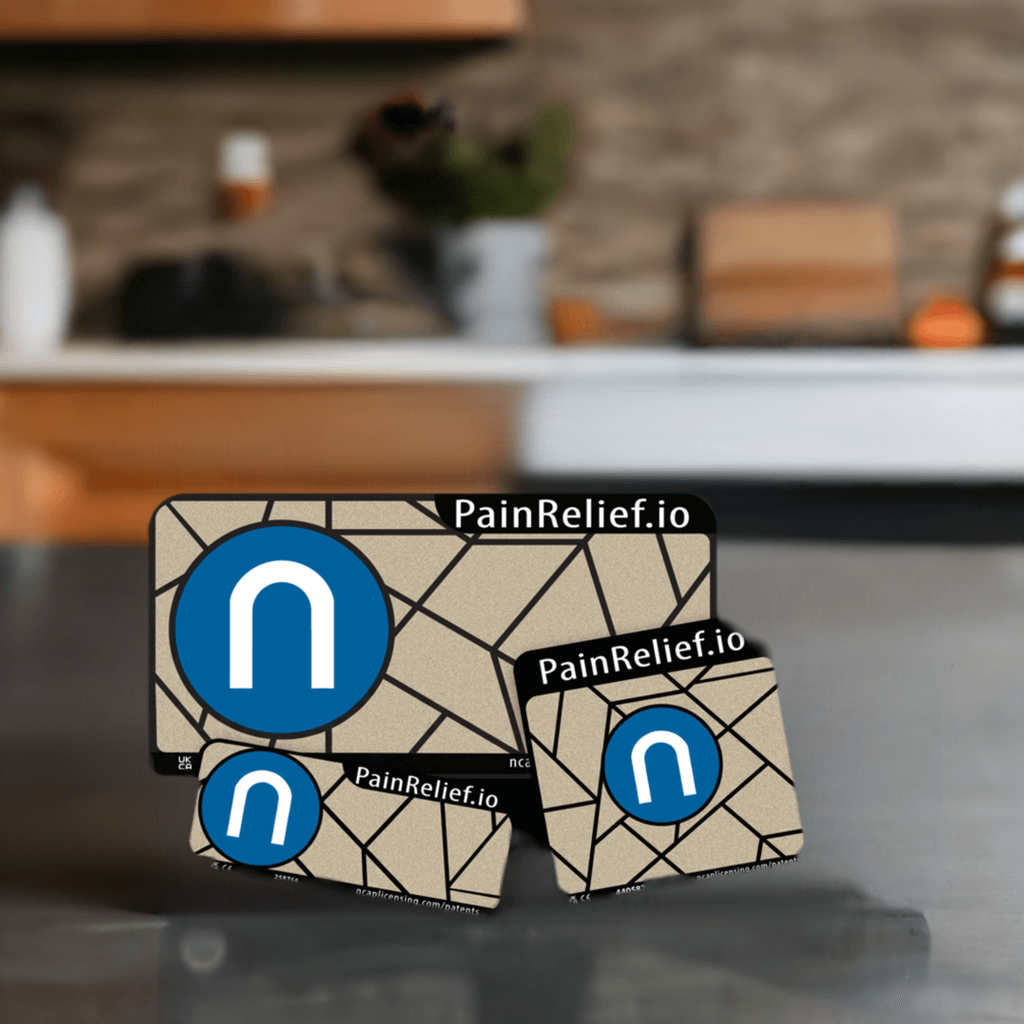
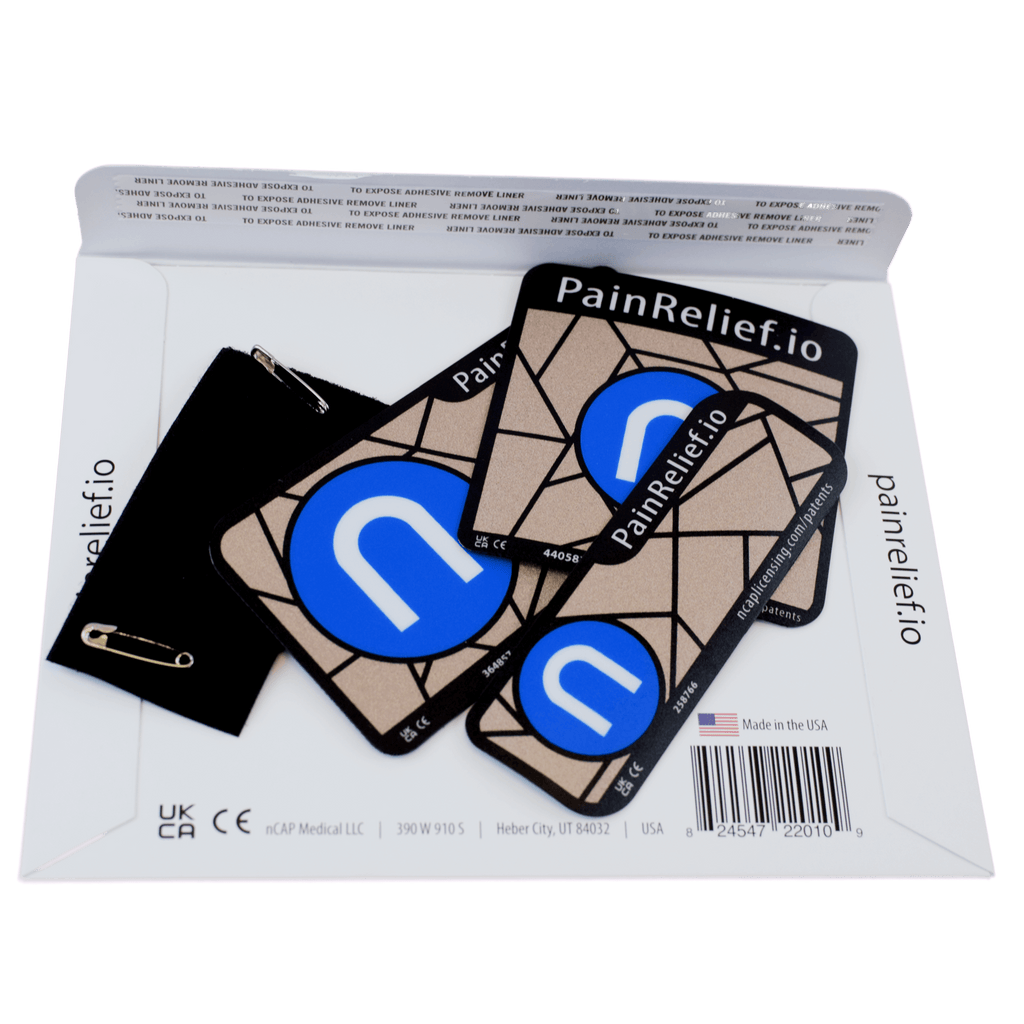
This is one reason wearable pain relief devices have gained attention. The best ones are designed around real body areas and real use cases, not just broad wellness claims. PainRelief.io® takes that approach with reusable, battery-free wearable devices built for specific problem areas like the back, knees, shoulders, jaw, and temples. That kind of specificity can make noninvasive support feel less like guesswork.
Wearable pain support is not about doing one thing and ignoring everything else. It works best as part of a broader strategy. If your neck and shoulders are always tight because of workstation posture, a wearable device may help support relief, but your setup still matters. If knee pain flares after exercise, recovery habits still matter. If menstrual cramps hit every month, having a reusable support option matters, but so does tracking your timing and patterns.
The advantage of wearable support is consistency. You do not have to stop your day to use it. You can place it where discomfort tends to show up and keep moving through normal routines. For many people, that makes it easier to use early and often instead of waiting until pain becomes hard to ignore.
That said, fit matters. The best product for lower back pain may not be the best one for temples or TMJ discomfort. Size, shape, and placement all influence how helpful a wearable option feels. If a brand organizes products by body area and pain type, that usually makes the selection process easier.
This is where honesty matters. Noninvasive pain support can be very helpful, but it is not identical for every person or every condition. Mild to moderate recurring pain, tension-related discomfort, overuse soreness, and everyday flare-ups are often a strong fit for drug-free options. Chronic pain can also benefit, especially when the goal is reducing dependence on short-term relief methods.
But there are limits. Severe, sudden, or unexplained pain deserves medical attention. The same goes for pain with swelling, numbness, weakness, fever, injury, or major changes in mobility. Noninvasive support can be part of the picture, but it should not replace evaluation when something feels wrong or unusually intense.
Even with common pain, there is some trial and error. What helps shoulder tension may do little for menstrual cramps. What feels great during a flare-up may not be your favorite option for all-day wear. A smart approach leaves room for adjustment instead of promising the exact same result for everyone.
If you are new to drug-free pain relief, keep the process simple. Start by identifying your most common pain pattern. Is it daily lower back discomfort, headaches after screen time, knee pain after activity, or monthly cramps? Once you know the pattern, choose one noninvasive option that matches that use case well.
Then pay attention to timing. Many people wait too long. Support is often more useful when applied early, before the pain has fully escalated. Next, look at repeatability. If the issue is recurring, your solution should be easy to use repeatedly without feeling expensive, messy, or disruptive.
Finally, think long term. The strongest noninvasive strategy is one you can live with. That may include a wearable device, smarter movement habits, better recovery, and fewer situations where pain catches you off guard. Relief is not only about intensity. It is also about reducing how much pain controls your schedule, mood, and mobility.
Pain has a way of making life smaller when you do not have a plan for it. A good noninvasive approach does the opposite. It gives you practical options, more control, and a way to respond without always reaching for the same short-term fix.
Recherche
Terms of Service
Refund Policy
Contact Us
Ne pas vendre ou partager mes informations personnelles
Affiliates: Join or Log In
PATENTS
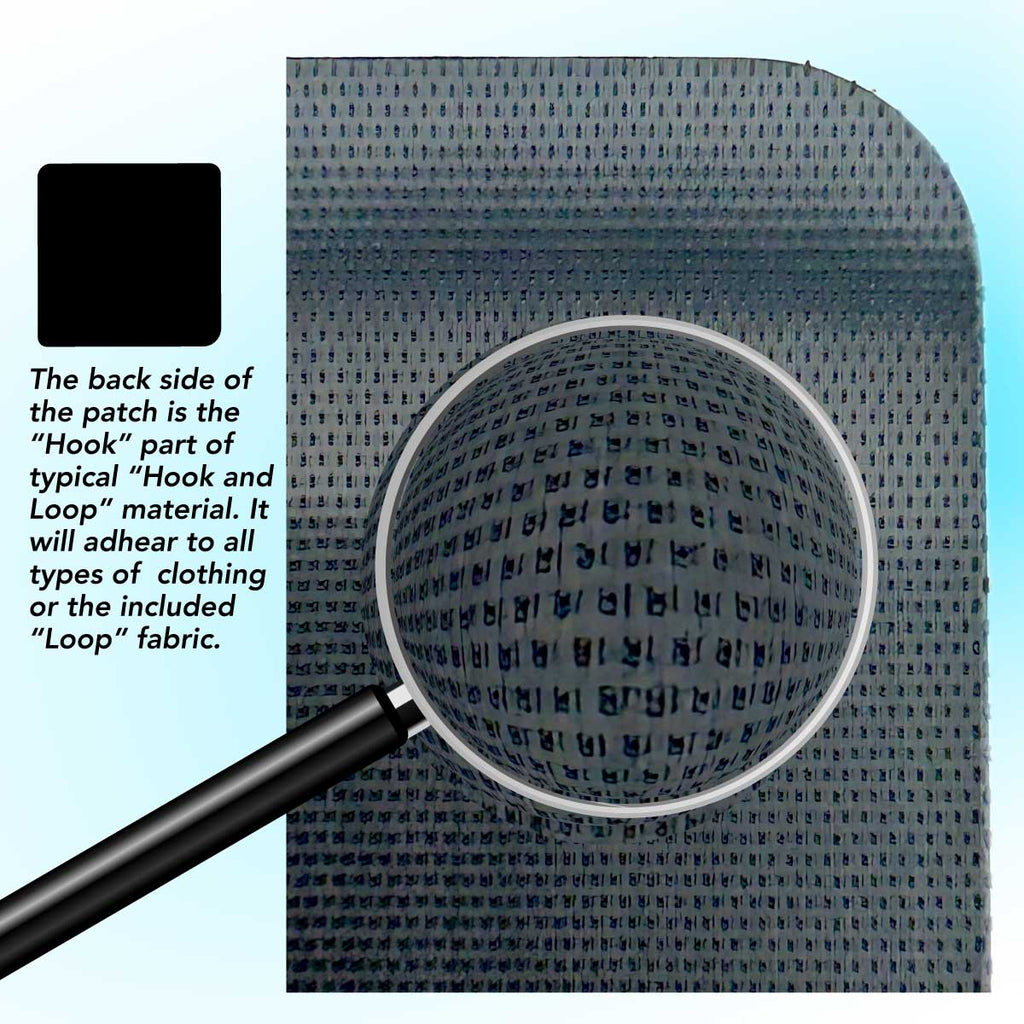
C'est simple à utiliser ! Placez simplement l'appareil au-dessus de votre douleur - Entre la douleur et le cerveau (tm) - et votre douleur commencera à s'estomper en quelques minutes. Le tout dans un appareil portable fin, réutilisable. Pas de piles, pas de fils, pas d'huiles malodorantes, pas de médicaments et ça agit rapidement !!
L'appareil est construit avec notre couche brevetée Neurocuple® scellée entre deux couches imperméables. Une fois placée au bon endroit, la couche Neurocuple® est activée directement par l'énergie du corps de l'utilisateur. Après quelques minutes, une sensation de chaud, de froid ou de picotement est ressentie par l'utilisateur à mesure que la douleur s'estompe.
L'appareil PainRelief.io® est un produit de bien-être général qui aide à promouvoir l'activité physique chez les utilisateurs souffrant de douleurs chroniques et intermittentes, ce qui, dans le cadre d'un mode de vie sain, peut aider à vivre avec ces conditions et peut retarder l'apparition des handicaps associés.