

A hot bath can feel like a reset button when your back is tight, your legs are sore, or cramps are making the day harder than it should be. That is usually where the question starts: do epsom salts work, or is the relief really coming from the warm water and the time off your feet?
The honest answer is mixed. Epsom salt baths may help some people feel better for a short time, especially when muscle soreness, stress, or mild aches are part of the picture. But they are not a proven fix for every type of pain, and the claims around them often go further than the evidence does. If you are looking for dependable, drug-free relief, it helps to know where Epsom salts fit and where they fall short.
Epsom salt is not the same as table salt. It is magnesium sulfate, a mineral compound that dissolves in water. The popular idea is that soaking in it lets magnesium absorb through the skin, which then helps relax muscles, reduce soreness, and calm inflammation.
That sounds simple, but the science is less clear. Warm water absolutely can help the body relax. Heat increases circulation, can reduce stiffness, and often makes sore muscles feel looser. Sitting still for 15 to 20 minutes also gives the nervous system a break. For many people, that alone creates real relief.
What is less certain is how much magnesium actually gets through the skin in meaningful amounts. Some small studies and anecdotal reports suggest benefits, but strong evidence is limited. So if an Epsom salt bath helps you, that does not mean the effect is imaginary. It just may be hard to separate the minerals from the heat, rest, and relaxation.
Where Epsom salts seem most useful is in situations where temporary comfort matters more than deep treatment. If you overdid a workout, spent all day on your feet, or feel generally tense and achy, a soak may be worth trying.
Muscle soreness is the most common reason people use them. After exercise or physical strain, warm water can make the body feel less guarded, and that can reduce the sense of tightness. The same goes for mild back tension or shoulder stiffness that builds up from stress, desk work, or poor sleep.
Some people also use Epsom salt baths for menstrual cramps. In that case, the heat is probably doing a lot of the heavy lifting. Heat can relax muscles in the lower abdomen and may ease the cramping sensation. Adding Epsom salts may make the bath feel more therapeutic, but it is not a guarantee of stronger relief.
Foot soaks are another common use. If your feet are tired, swollen from a long day, or irritated by overuse, warm water with Epsom salts can feel soothing. Again, relief tends to be short-term and comfort-based rather than corrective.
If pain keeps coming back, spreads, feels sharp or burning, or interferes with sleep and daily movement, Epsom salts are unlikely to be enough on their own. They are better viewed as a supportive comfort measure than a complete pain strategy.
Joint pain is a good example. If you have arthritis, recurring knee pain, or stiffness that flares every morning, a bath may help you feel looser for a while. But it will not address the underlying mechanics, inflammation patterns, or chronic pain signals involved.
The same is true for nerve-related discomfort. Tingling, radiating pain, sciatica-like symptoms, and persistent burning sensations usually need a more targeted approach. A soak may help you relax around the pain, but it is not likely to change the source of it.
Headaches and migraines are also hit or miss. A warm bath may reduce general stress, but for many people with migraines, heat can actually feel worse. When pain is condition-specific, the best relief usually comes from matching the tool to the problem rather than hoping one remedy does everything.
Pain is not just about tissue. It is also about the nervous system, stress load, sleep quality, muscle guarding, and how safe or threatened the body feels in the moment. That is one reason simple rituals can sometimes help more than people expect.
A bath changes several things at once. You stop moving, slow your breathing, get warm, reduce external stimulation, and create a quiet window for recovery. If Epsom salts make that ritual more consistent or more relaxing, they may have real value even if the mechanism is not fully proven.
That distinction matters. Relief does not have to be dramatic to be meaningful. A small drop in tension, a better night of sleep, or a reduction in post-workout soreness can be useful. The problem comes when temporary comfort gets mistaken for a reliable solution to ongoing pain.
For most adults, Epsom salt baths are low risk when used as directed. People typically add the salts to warm bathwater and soak for about 15 to 20 minutes. Water should feel comfortably warm, not so hot that you get lightheaded or overheated.
If you have sensitive skin, start cautiously. Some people find that frequent soaking dries out or irritates the skin. If you have diabetes, circulation issues, open wounds, or a medical condition that affects sensation, it is smart to check with a healthcare professional before making foot soaks or hot baths a routine.
Drinking water before and after can help if you tend to feel dehydrated from heat exposure. And if a bath leaves you more sore, dizzy, or drained, that is a sign it may not be the right tool for your body.
Instead of asking only do epsom salts work, it may be more useful to ask what kind of pain you are dealing with and what kind of relief you want. Are you trying to wind down after a hard workout? Get through cramps? Ease everyday muscle tension? Or are you dealing with pain that affects your work, sleep, and mobility week after week?
For occasional soreness, Epsom salts may be a reasonable at-home option. They are easy to try, relatively inexpensive, and often paired with a practice that supports recovery anyway.
For persistent pain, though, convenience matters just as much as comfort. A solution that only works when you have time to run a bath may not help much during a workday, while traveling, or when pain shows up in short bursts. That is where many people start looking for drug-free options they can use more consistently and more directly on the body.
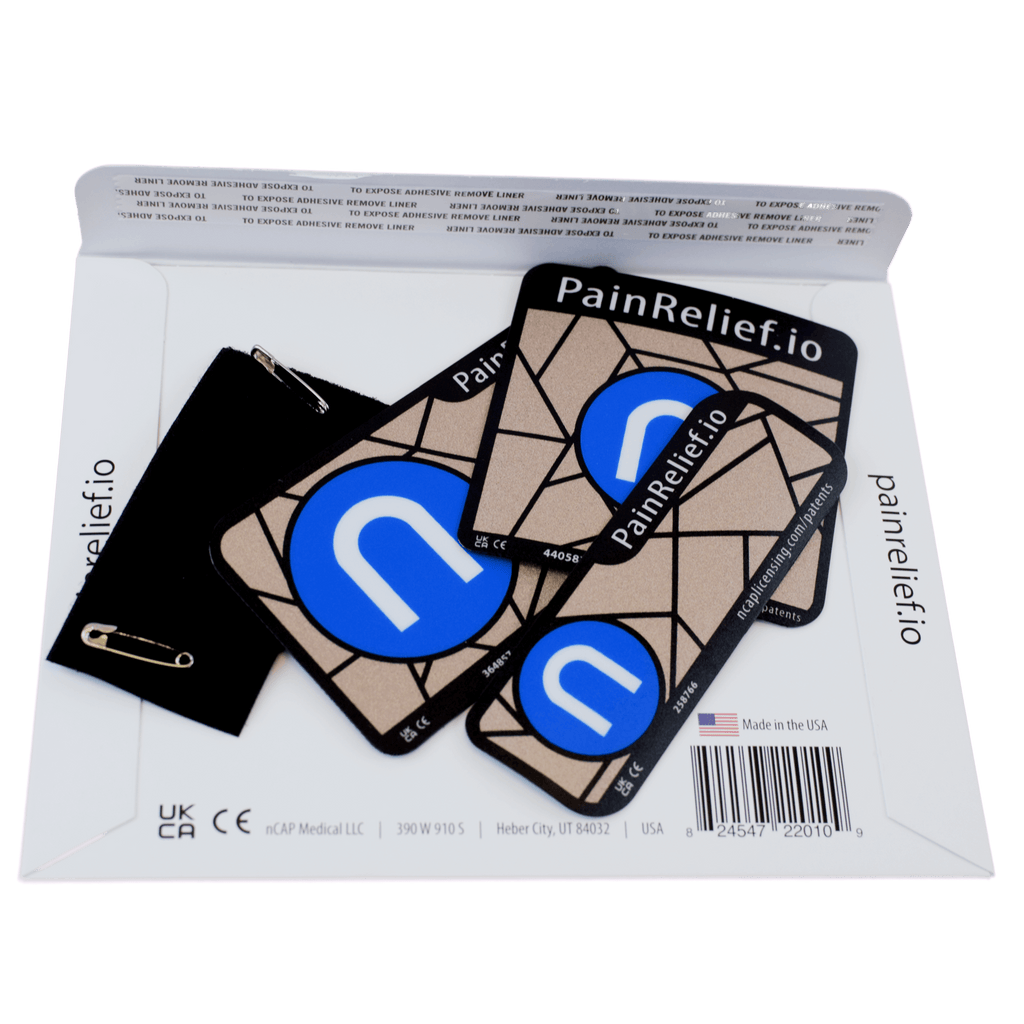
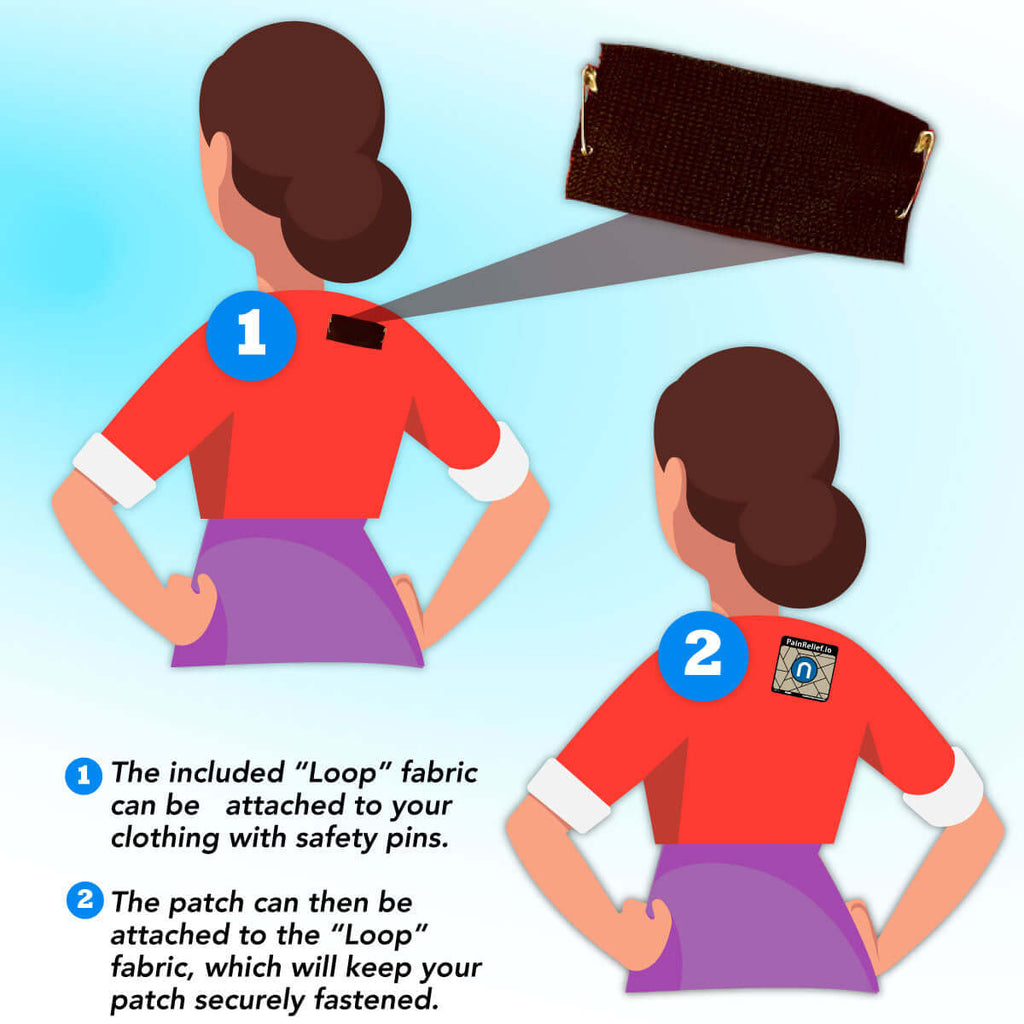
Wearable pain relief tools can make more sense in those moments because they are designed for targeted, repeatable use. Rather than treating the whole body to get a little relief in one area, they focus on the area that actually hurts. That is a different category of support than a bath, and for recurring pain, it is often the more practical one.
If you are reaching for Epsom salts several times a week and still not getting enough relief, that is useful information. It usually means the issue needs a more specific strategy.
Look at the pattern. If your pain is localized, recurring, and tied to certain activities or body areas, a targeted drug-free approach may fit better. If it is affecting your sleep, your ability to sit, walk, work, or exercise, temporary soaking is probably not enough. And if you are using baths because you are trying to avoid pills, that does not mean your only natural option is heat and water.
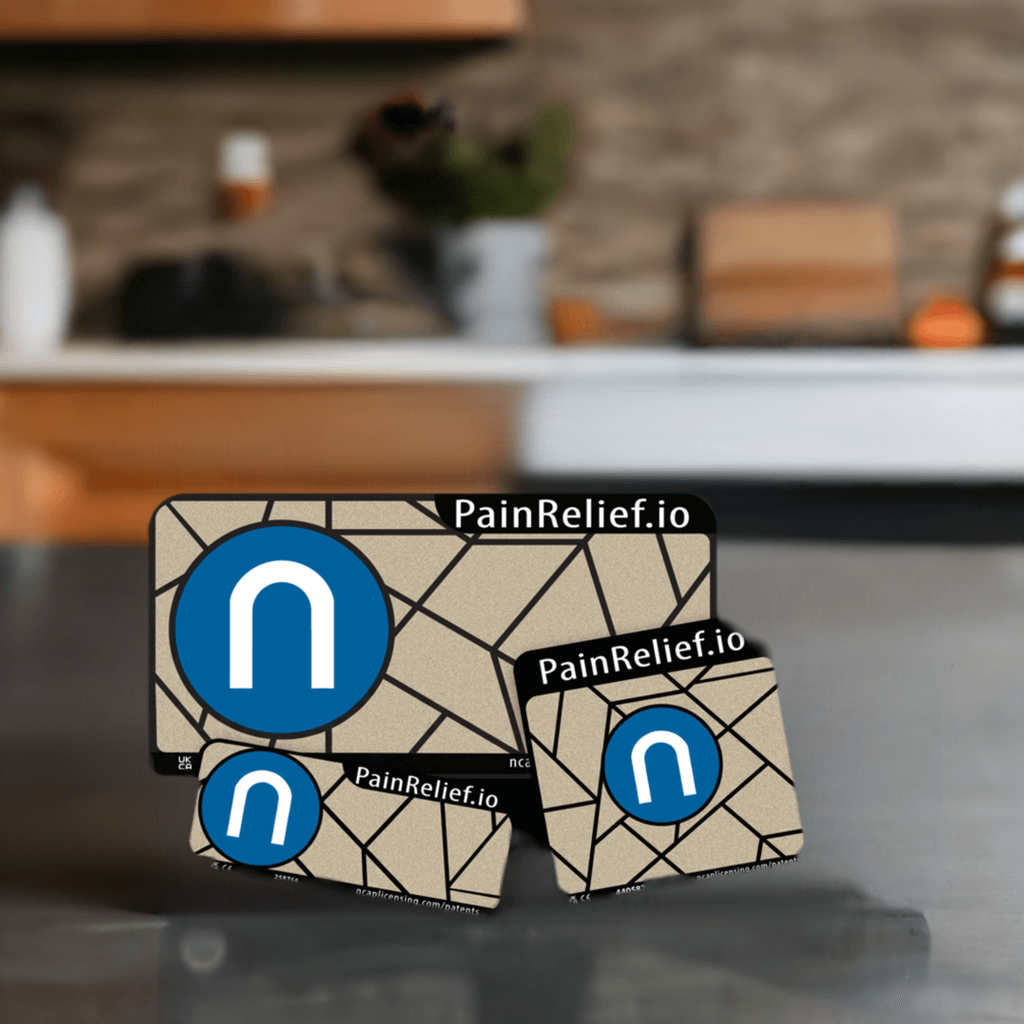
This is where a brand like PainRelief.io® fits naturally into the conversation. Many people want relief they can use again and again without medication, mess, or downtime. Reusable wearable support gives you that flexibility in a way a bath never can.
Yes, sometimes - but usually as a comfort tool, not a complete answer. They may help with temporary soreness, mild tension, foot fatigue, or cramps, especially when warm water itself is part of the relief. They are less convincing for chronic pain, joint problems, nerve discomfort, or symptoms that keep returning.
If you enjoy Epsom salt baths and they help you feel better, there is no reason to dismiss that. Just be clear about what they can and cannot do. Short-term soothing has value, but lasting pain relief usually comes from using the right tool for the right kind of pain.
If a bath helps you get through a rough evening, take the win. If pain keeps showing up tomorrow, it may be time for something more targeted, practical, and easier to use in real life.