
Livraison et retours gratuits au-dessus de 100 $ !
Chronic pain changes the math of everyday life. You stop asking, “What works fast?” and start asking a better question: what is the best drug free pain relief for chronic pain when you need something you can actually live with day after day?
That question matters because chronic pain is rarely solved by one quick fix. Back pain can flare after sitting too long. Jaw tension can build while you sleep. Knee pain can show up halfway through the grocery store. Relief has to fit real life, not just a perfect routine you follow for three days and abandon on day four.
The best option is not automatically the strongest sensation or the most expensive device. For most people, the best drug-free approach is the one that checks four boxes: it is safe to use regularly, easy to use consistently, targeted to the area that hurts, and practical enough to become part of daily life.
That last point is where many pain solutions fall apart. A method can sound great in theory and still fail in practice if it is messy, time-consuming, or tied to a clinic schedule. Chronic pain usually asks for repeat support. If your relief method only works when conditions are ideal, it may not hold up when you need it most.
This is also where trade-offs matter. Heat can feel excellent but may not be realistic during work hours. Stretching helps many people, but not every flare-up responds well to movement. Topicals can be convenient, but they wear off and need to be reapplied. A good long-term strategy often combines more than one tool.
Acute pain and chronic pain are not the same problem. Acute pain often has a clear cause and a shorter timeline. Chronic pain is more persistent and more personal. It can be linked to old injuries, repetitive strain, inflammation, tension patterns, nerve sensitivity, or conditions that never fully switch off.
That is why “just rest” or “just push through” tends to miss the mark. Chronic pain management usually works better when it is layered. You reduce irritation where you can, support the body’s natural processes, and choose tools that help you stay functional without adding complexity.
Many adults looking for non-pharmaceutical relief are not rejecting medicine outright. They simply want more options. They want support between doses, an alternative for milder days, or a way to rely less on creams, pills, and disposable products. That is a reasonable goal, and it is often a smart one.
Gentle movement is one of the most evidence-backed tools for chronic pain, but it has to be the right movement. Mobility work, strengthening, walking, and guided exercises can improve function, reduce stiffness, and help the body tolerate daily activity better over time.
The challenge is that exercise is not always immediate relief. On some days, it helps within minutes. On other days, it is more of an investment in next week than today. For people with severe flare-ups, movement often works best when paired with something that offers more direct comfort in the moment.
Heat tends to help muscle tightness, stiffness, and tension-heavy pain. Cold often feels better for swelling, recent irritation, or areas that feel hot and inflamed. Both are simple and familiar, which makes them useful.
But they are temporary by nature. Ice packs warm up. heating pads need an outlet or reheating. Neither is especially wearable during a commute, workday, or errands. They can be part of a solid routine, just not always the whole answer.
Massage, myofascial work, and hands-on therapies can bring real relief, especially for neck, shoulder, jaw, and back tension. They also help people notice patterns, like one-sided tightness or pain that builds under stress.
Still, availability and cost can limit consistency. For chronic pain, occasional treatment may feel great without fully solving the day-to-day problem. That does not make it ineffective. It just means many people need a bridge between appointments.
Breathing work, relaxation training, meditation, and biofeedback can help when pain is amplified by stress, poor sleep, or muscle guarding. These methods are often underestimated because they sound too simple. But the nervous system plays a real role in pain intensity.
That said, this category can frustrate people when it is presented as the answer to everything. Chronic pain is not imaginary, and no one wants to be told to breathe through a mechanical knee problem or a pounding headache. Mind-body support is best viewed as one lever, not the only lever.
This is where a lot of people find the best balance between convenience and consistency. A well-designed wearable can support localized discomfort without medication, without wires, and without interrupting your day.
The key advantage is usability. If a device can be placed on the area that needs support and worn while you move through normal life, it has a better chance of becoming part of your routine. That matters for chronic pain because consistency beats novelty.
Not all wearables are built the same, though. Some rely on batteries, charging, or noticeable stimulation. Others are designed to work with the body’s own bioelectrical environment. For many consumers, simpler is better. Fewer steps mean fewer reasons not to use it.
Start with the pain itself. Is it localized or widespread? Does it show up in the same spot, like the low back, knee, jaw, shoulder, or temple? Or does it move around and change shape throughout the week? Localized pain is often easier to address with targeted support, especially wearable options designed by body area.
Next, think about when you need relief. If your pain ramps up while working, driving, sleeping, or doing chores, a treatment that only works when you are lying still may not be enough. For chronic pain, convenience is not a bonus feature. It is part of effectiveness.
Then consider repetition. Can you use the method again and again without hassle or added expense? This is where reusable tools have an edge over creams, single-use patches, and short-lived fixes. Long-term pain support should not feel like a constant restocking problem.
Finally, look for credibility. Clear explanations matter. Patent-backed technology matters. A product should tell you what it is, how it is meant to be used, and what type of discomfort it is best suited for. Confidence comes from clarity.
For people with chronic pain, the ideal solution often lives between passive and disruptive. You want more support than “wait it out,” but less hassle than a complex device with cords, settings, and charging cycles.
That is why noninvasive, reusable wearables are gaining attention. When the design is simple and the technology is original, the experience can feel refreshingly practical. You place it where you need it, wear it as part of your day, and keep going. No pills to track. No cream on your hands. No battery anxiety.
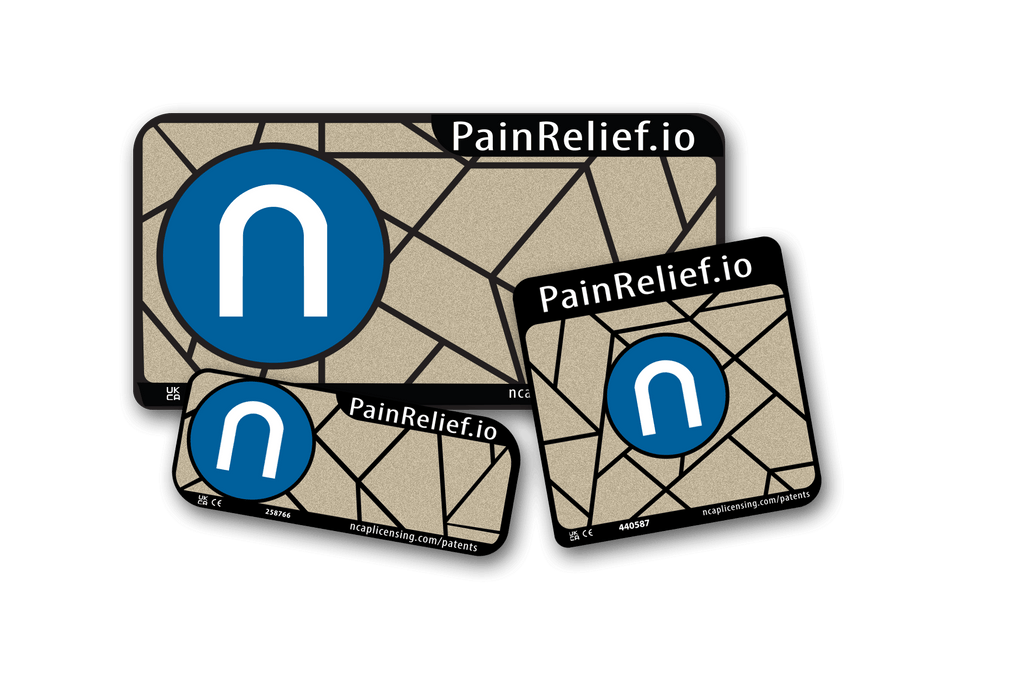
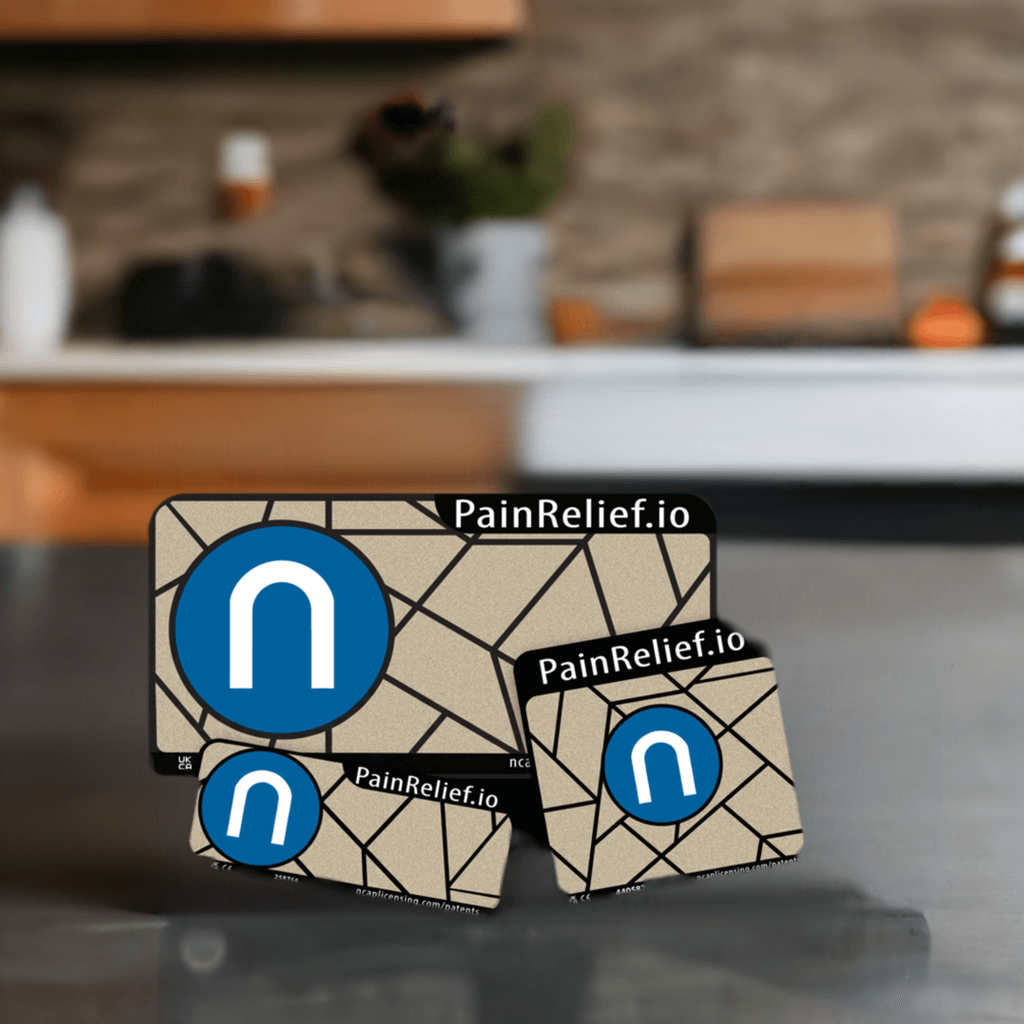
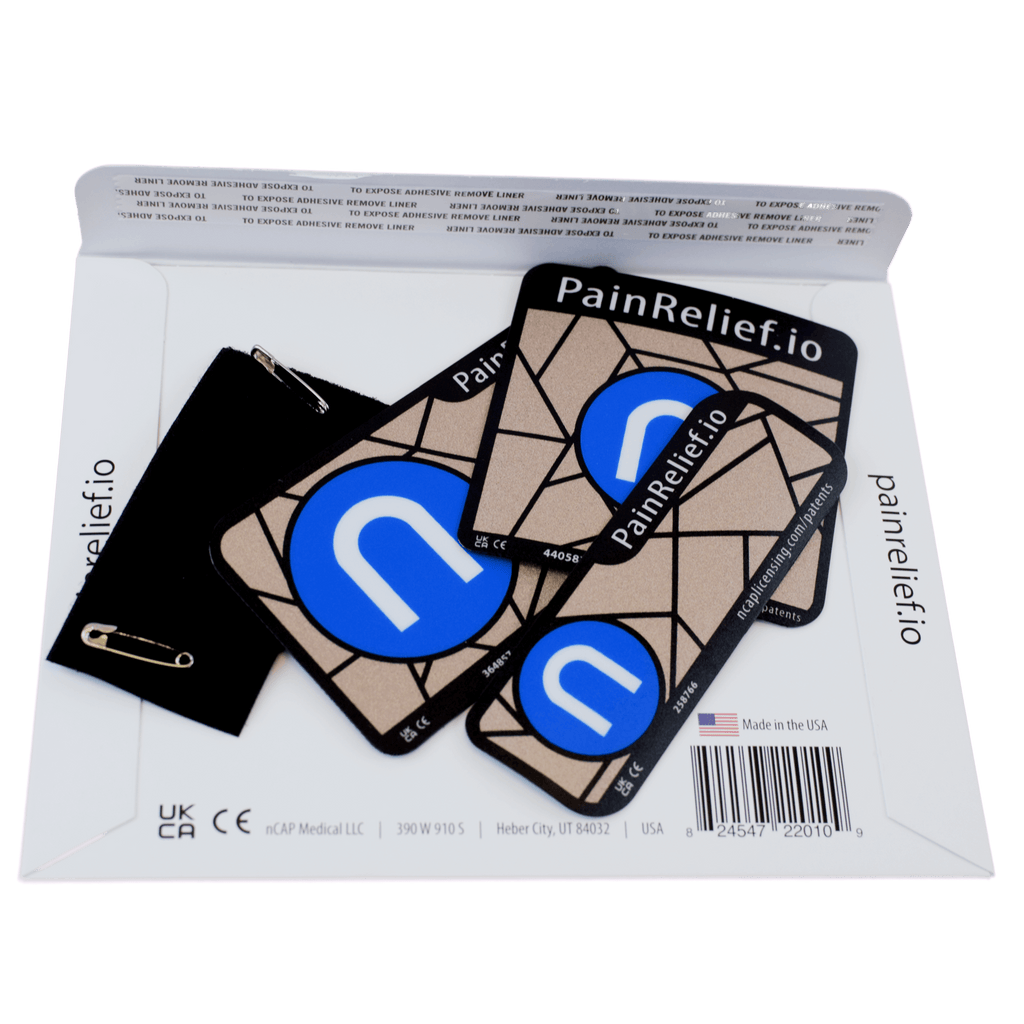
At PainRelief.io, that thinking shapes the product from the ground up. The company’s patented NeuroCuple nanotechnology was developed to offer drug-free, wire-free, battery-free pain support that is easy to match to the body area involved, whether that is the back, joints, head, jaw, or muscles. For someone living with recurring discomfort, that kind of targeted simplicity is not a small feature. It is the whole point.
The truth is, the best drug-free pain relief for chronic pain is often a system rather than a single hero product. You might use movement to improve resilience, heat at night to unwind tight muscles, and a wearable device during the day when you need targeted support without stopping everything.
That is not a compromise. It is a practical strategy. Chronic pain has different triggers, different timings, and different textures. The better your tools match those realities, the better your odds of staying active and feeling more in control.
If you have been cycling through short-term fixes, it may be time to judge pain relief by a new standard: not just whether it helps, but whether it helps in a way you can repeat. The best solution is the one that fits your body, your schedule, and your life well enough to still be there when tomorrow feels a lot like today.
Recherche
Terms of Service
Refund Policy
Contact Us
Ne pas vendre ou partager mes informations personnelles
Affiliates: Join or Log In
PATENTS
C'est simple à utiliser ! Placez simplement l'appareil au-dessus de votre douleur - Entre la douleur et le cerveau (tm) - et votre douleur commencera à s'estomper en quelques minutes. Le tout dans un appareil portable fin, réutilisable. Pas de piles, pas de fils, pas d'huiles malodorantes, pas de médicaments et ça agit rapidement !!
L'appareil est construit avec notre couche brevetée Neurocuple® scellée entre deux couches imperméables. Une fois placée au bon endroit, la couche Neurocuple® est activée directement par l'énergie du corps de l'utilisateur. Après quelques minutes, une sensation de chaud, de froid ou de picotement est ressentie par l'utilisateur à mesure que la douleur s'estompe.
L'appareil PainRelief.io® est un produit de bien-être général qui aide à promouvoir l'activité physique chez les utilisateurs souffrant de douleurs chroniques et intermittentes, ce qui, dans le cadre d'un mode de vie sain, peut aider à vivre avec ces conditions et peut retarder l'apparition des handicaps associés.