

Pain has a way of shrinking your world. A sore back changes how you sit, sleep, and work. A pounding headache can wipe out an afternoon. Achy knees or menstrual cramps can make ordinary routines feel harder than they should. That is exactly why a guide to drug free recovery matters - not as a trend, but as a practical way to regain control when you want relief without leaning on pills every time symptoms flare.
For many people, recovery does not mean curing everything overnight. It means calming pain enough to move better, sleep better, and get through the day with less disruption. A drug-free approach can be part of that process, especially if you are trying to reduce medication use, avoid side effects, or build a more sustainable routine for recurring pain.
Drug-free recovery is not one single method. It is an approach to relieving pain and supporting healing without relying first on medication. That can include movement, rest, hydration, heat or cold, stress reduction, ergonomic changes, and wearable wellness tools designed to support relief without drugs or invasive treatments.
The key is to think in terms of support, not magic. Pain often has more than one driver. You may be dealing with muscle tension and poor sleep at the same time. Or inflammation plus overuse. Or chronic pain that lingers after the original trigger has changed. A better strategy usually comes from combining a few simple tools that work together rather than expecting one fix to do everything.
Sometimes the reason is side effects. Some people feel groggy, get stomach irritation, or simply do not want to take medication often. Sometimes it is frequency. If headaches, neck tension, joint pain, or cramps come back again and again, a reusable option can make more sense than constant short-term products.
There is also the issue of independence. People want relief they can use at work, at home, on the couch, or on the go. They want something practical enough to repeat, not a complicated plan they will abandon after three days. That is where drug-free recovery becomes more than a preference. It becomes a routine that fits real life.
Not all pain responds the same way, so the best drug-free plan depends on what you are dealing with. Tight, overworked muscles often respond well to gentle movement, hydration, and rest from the activity that triggered the flare. Joint discomfort may improve with better support, reduced strain, and tools that help you stay active without aggravating the area. Headaches and migraines may call for a quieter environment, less screen strain, and targeted support around the temples, neck, or shoulders.
This is where many people get stuck. They search for one universal answer when what they really need is a more specific one. If your lower back hurts after long hours sitting, your recovery plan should address posture and daily mechanics. If your knee pain ramps up after workouts, reducing load and improving recovery between sessions may matter more. If menstrual pain returns every month, a reusable noninvasive option can be more realistic than starting from scratch each cycle.
Before adding new tools, remove what is feeding the problem. That sounds obvious, but it gets overlooked. If shoulder pain spikes after hunching over a laptop, no recovery method will fully help if the setup stays the same. If jaw pain worsens when stress is high and you are clenching at night, the recovery plan has to address that pattern too.
Reducing irritation might mean changing your chair height, switching how you carry a bag, taking short walking breaks, or pausing a workout that keeps flaring the same area. Small adjustments are not glamorous, but they often create the breathing room your body needs.
One of the biggest trade-offs in pain recovery is knowing when to move and when to back off. Too little movement can leave muscles stiff and guarded. Too much can keep an irritated area inflamed. The goal is usually gentle, repeatable motion that helps circulation and mobility without pushing pain higher.
For back, neck, and joint discomfort, this may mean shorter walks, light stretching, or range-of-motion exercises rather than intense exercise. For post-workout soreness, easy movement often helps more than complete stillness. But if pain is sharp, worsening quickly, or tied to a clear injury, aggressive self-treatment is not the answer.
A good drug-free recovery plan should work in the middle of real life. That is why wearable, reusable pain relief options appeal to so many people. They do not ask you to stop your whole day. They fit into routines that already exist.
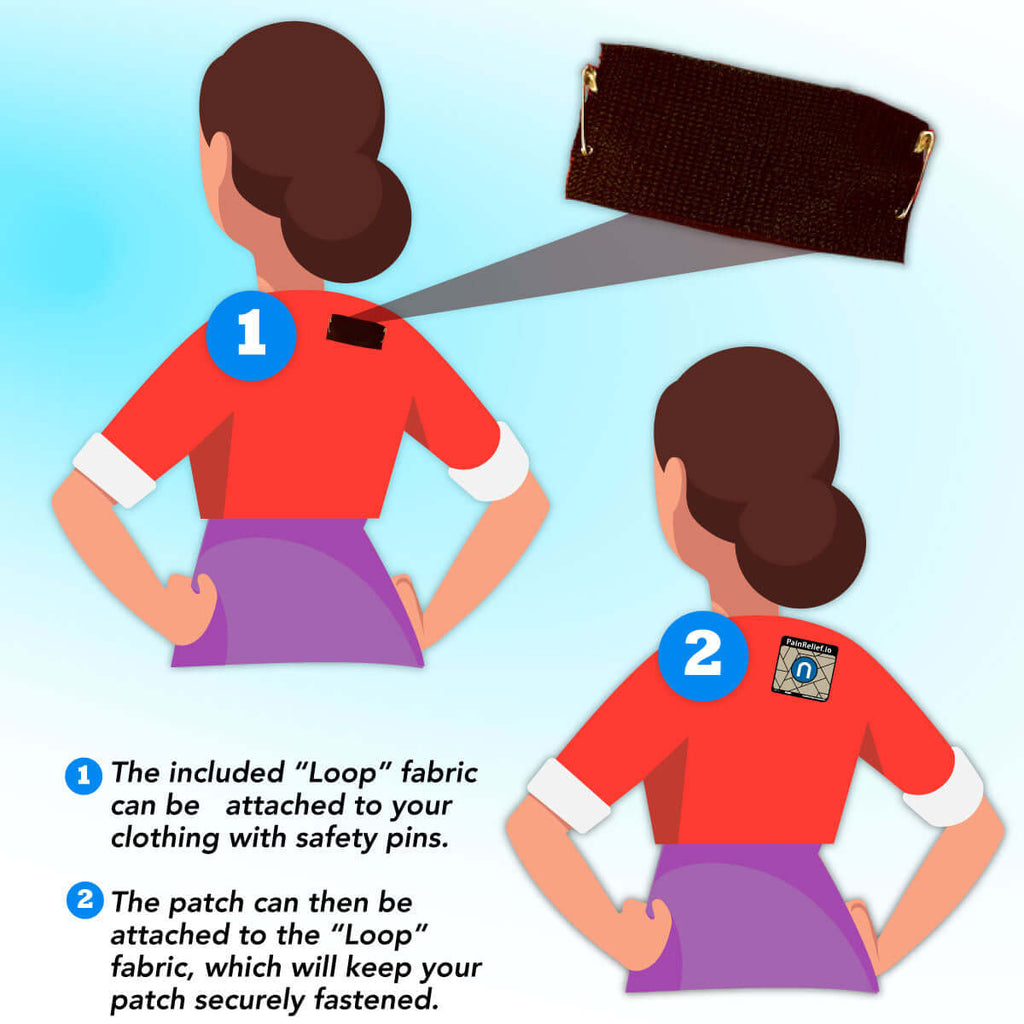
Some people use heat, cold, or braces. Others prefer drug-free wearable devices that are lightweight and easy to place on the area that hurts. The advantage of this kind of support is consistency. If something is simple to use, you are more likely to use it early, before discomfort takes over the day.
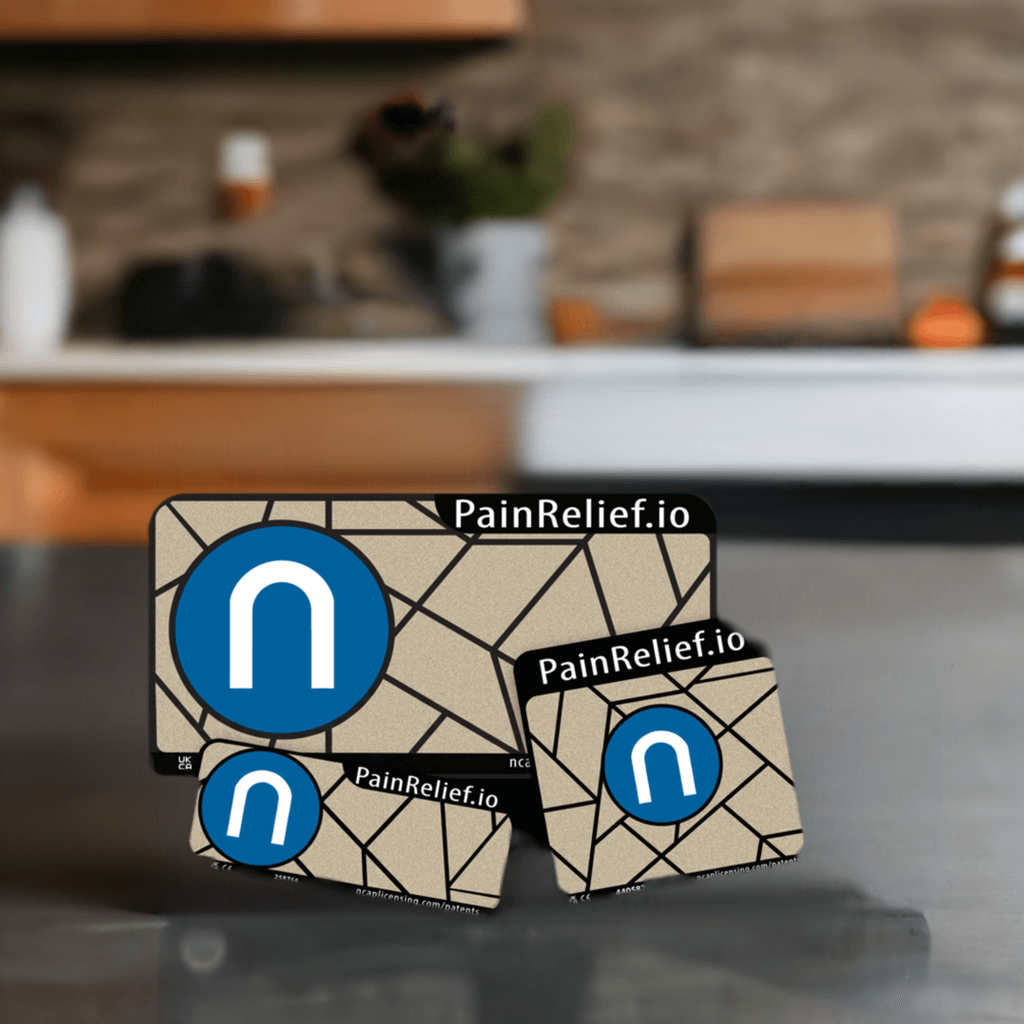
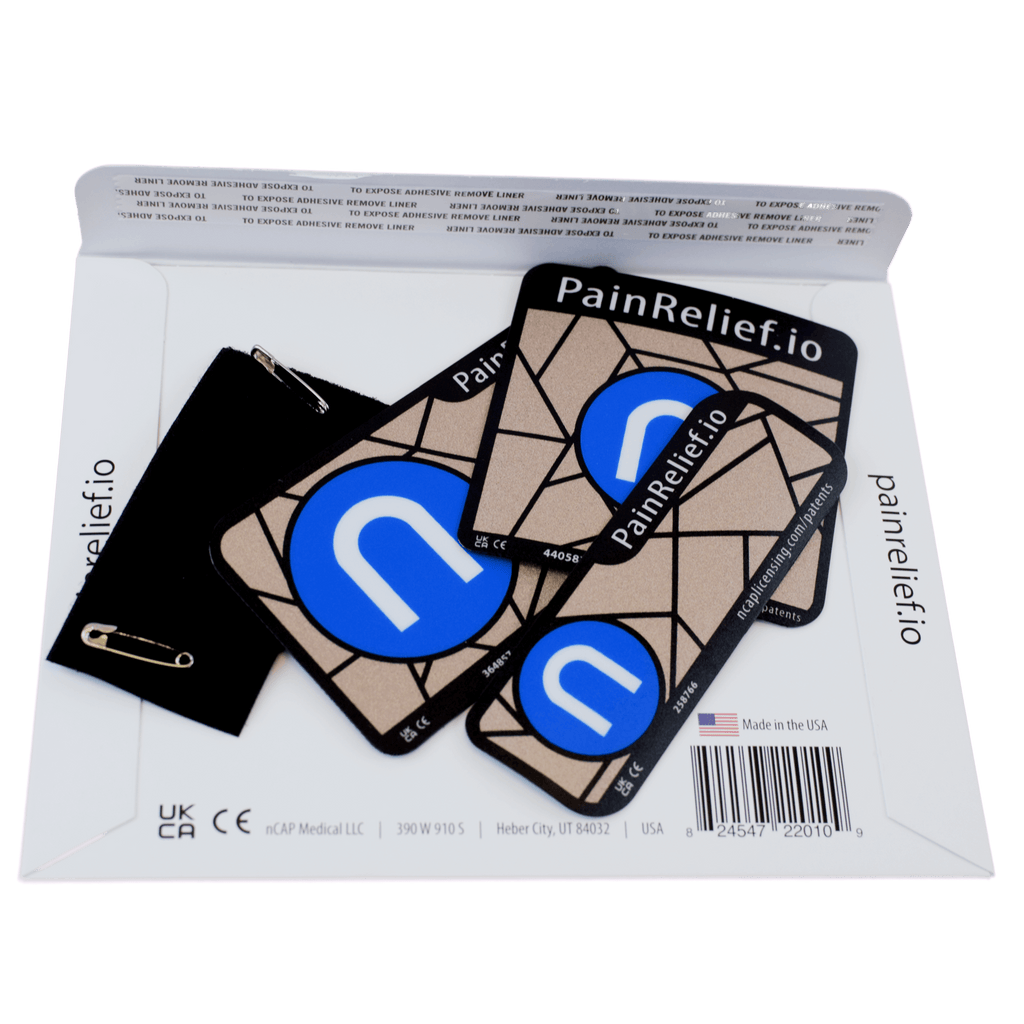
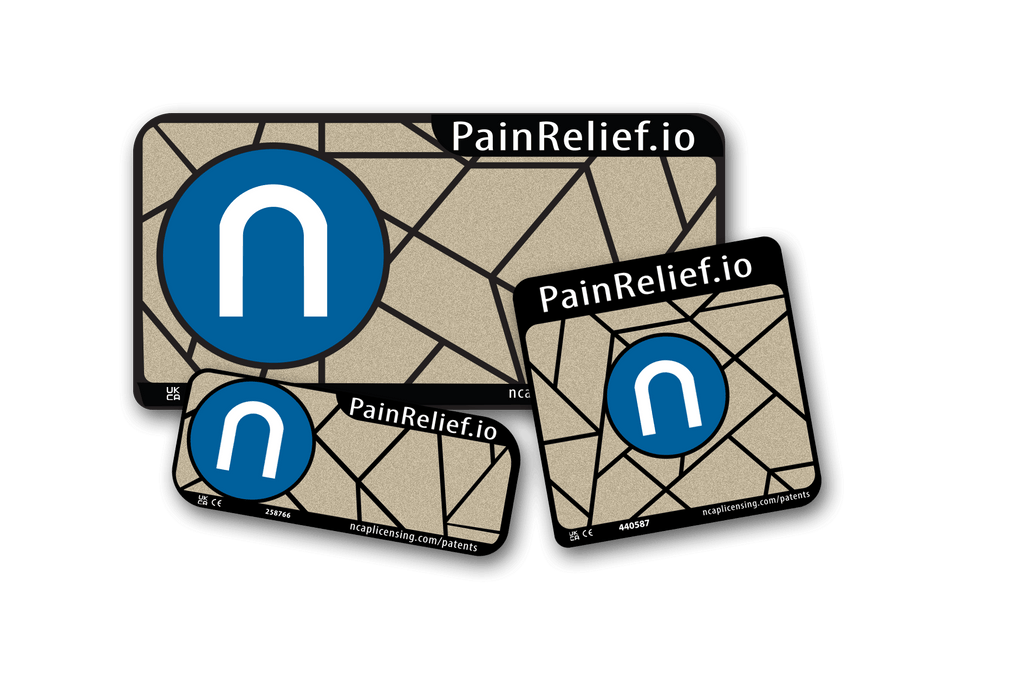
At PainRelief.io®, that is the thinking behind reusable wearable pain relief devices powered by patented NeuroCuple® technology. The goal is straightforward: support relief without drugs, wires, batteries, creams, or disposable patches, so people have a practical option they can use again and again.
When pain keeps returning, people often focus only on the sore body part. That makes sense, but it can miss two major drivers: poor sleep and stress. Lack of sleep lowers your ability to tolerate discomfort. Stress increases muscle tension, especially in the jaw, shoulders, neck, and upper back. Together, they can keep a pain cycle going longer than expected.
Drug-free recovery works better when your nervous system is not constantly on edge. That might mean setting a more consistent bedtime, reducing late-night screen time, practicing slower breathing, or building in short periods of rest before pain escalates. These are not dramatic changes. They are the kind that improve your baseline over time.
Most people do not need a perfect routine. They need one they will follow. A useful plan often looks like this in practice: identify the trigger, reduce strain, use supportive relief early, move gently, and repeat consistently for several days instead of bouncing between random solutions.
If your pain is recurring, pattern tracking can help. Notice when it starts, what makes it worse, and what gives at least partial relief. You may find your headaches are tied to neck tension and dehydration, or your back pain flares most after long drives, or your cramps are easier to manage when you start supportive care earlier.
That kind of information makes your recovery plan smarter. It also helps you avoid the frustration of treating every flare like a mystery.
Drug-free does not mean ignoring serious symptoms. If pain is severe, sudden, unexplained, or paired with weakness, numbness, fever, swelling, or loss of function, it is time to get medical guidance. The same goes for pain that keeps worsening despite rest and self-care.
There is also an it-depends factor with chronic pain. Some people do best with a fully noninvasive routine. Others use drug-free methods as part of a broader care plan that may include physical therapy, medical evaluation, or other treatment. That is not failure. It is matching the plan to the problem.
The most effective recovery plans are usually the least dramatic. They do not rely on doing everything at once. They focus on what helps you function better today and what you can keep using next week. That may be a mix of movement, environmental changes, stress reduction, and a reusable wearable tool that supports relief where you need it most.
What matters is not chasing a perfect pain-free day. It is creating more good days, fewer setbacks, and less dependence on short-term fixes that wear off fast. When your approach is simple enough to repeat and targeted enough to fit your pain, drug-free recovery stops feeling like a vague idea and starts becoming something you can trust.