

Livraison et retours gratuits au-dessus de 100 $ !
That first step out of bed, when your heel hits the floor and sends a jolt through your foot — anyone who's felt it knows it's not something you can just walk off. Feet do an enormous amount of work every day, carrying your full body weight through walking, standing, and every uneven surface in between, and it's easy to ignore them until they start hurting.
The foot is a complex structure — bones, joints, ligaments, tendons, and nerves all working together to absorb impact and support movement. That complexity is part of why foot pain can come from so many different sources: an old injury, ill-fitting shoes, years of wear and tear, a systemic condition like diabetes or arthritis, or something as simple as the way you walk.
Plantar fasciitis is the most common cause of heel pain. It involves inflammation of the plantar fascia — the ligament connecting your heel to your toes that supports your arch. It's especially known for causing sharp heel pain with the first steps after rest, which tends to ease somewhat as the foot loosens up, and is common among people who spend a lot of time on their feet.
Morton's neuroma causes a burning pain or sensation of a lump under the ball of the foot, usually between the third and fourth toes, from thickened tissue around a nerve. It's often linked to tight or narrow shoes that compress the toes.
Metatarsalgia is inflammation in the ball of the foot, often developing gradually with high-impact activity like running or jumping, and tends to ease with rest.
Fallen arches (flat feet) occur when the foot's arch flattens, which can change how weight is distributed and lead to pain in the foot, ankle, or even up into the knee and back.
Neuropathy, or nerve damage in the feet, is often related to diabetes and can cause burning, tingling, or electric sensations, sometimes along with numbness.
Tendinitis is inflammation of the tendons connecting muscles to bones, and can cause pain at various points along the foot depending on which tendon is affected.
Arthritis — including osteoarthritis from wear and tear, and less commonly rheumatoid arthritis — can affect the many small joints in the foot and ankle, leading to stiffness and pain that's often worse in the morning.
Several conditions affect the toes specifically. Gout often causes sudden, severe pain in the big toe joint, related to elevated uric acid levels. A hammer toe or claw toe involves the toe bending abnormally at the joints, sometimes from nerve or muscle issues, ill-fitting footwear, or genetics. Hallux rigidus is a stiffening arthritis at the base of the big toe. Corns and calluses are thickened skin from repeated pressure or friction, usually related to footwear. A toe sprain or fracture can happen from stubbing or jamming a toe — persistent swelling or an inability to bear weight after such an injury is worth having checked by a doctor to rule out a fracture.
Shoes that don't fit well, lack adequate arch support, or force the toes into an unnatural position are a genuine contributing factor across many of these conditions. Prioritizing fit and support over style, especially for shoes worn for long periods, is one of the more effective preventive steps available.
For many of these everyday causes, some combination of rest, supportive footwear, gentle stretching of the calf and foot, and reducing time spent on hard or uneven surfaces can help. Ice can be useful for an acute flare, particularly with plantar fasciitis or metatarsalgia. Gradually increasing activity level, rather than jumping into high-impact exercise, gives tissues time to adapt.
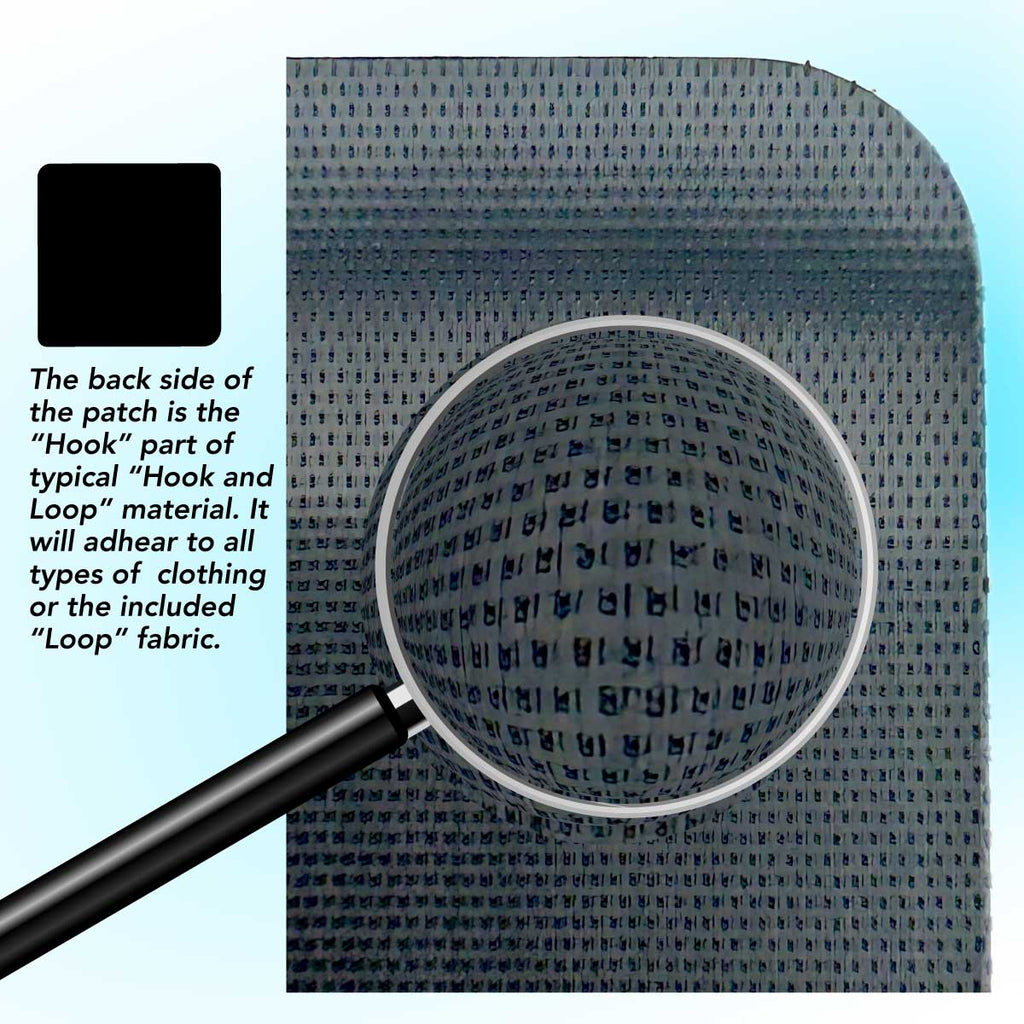
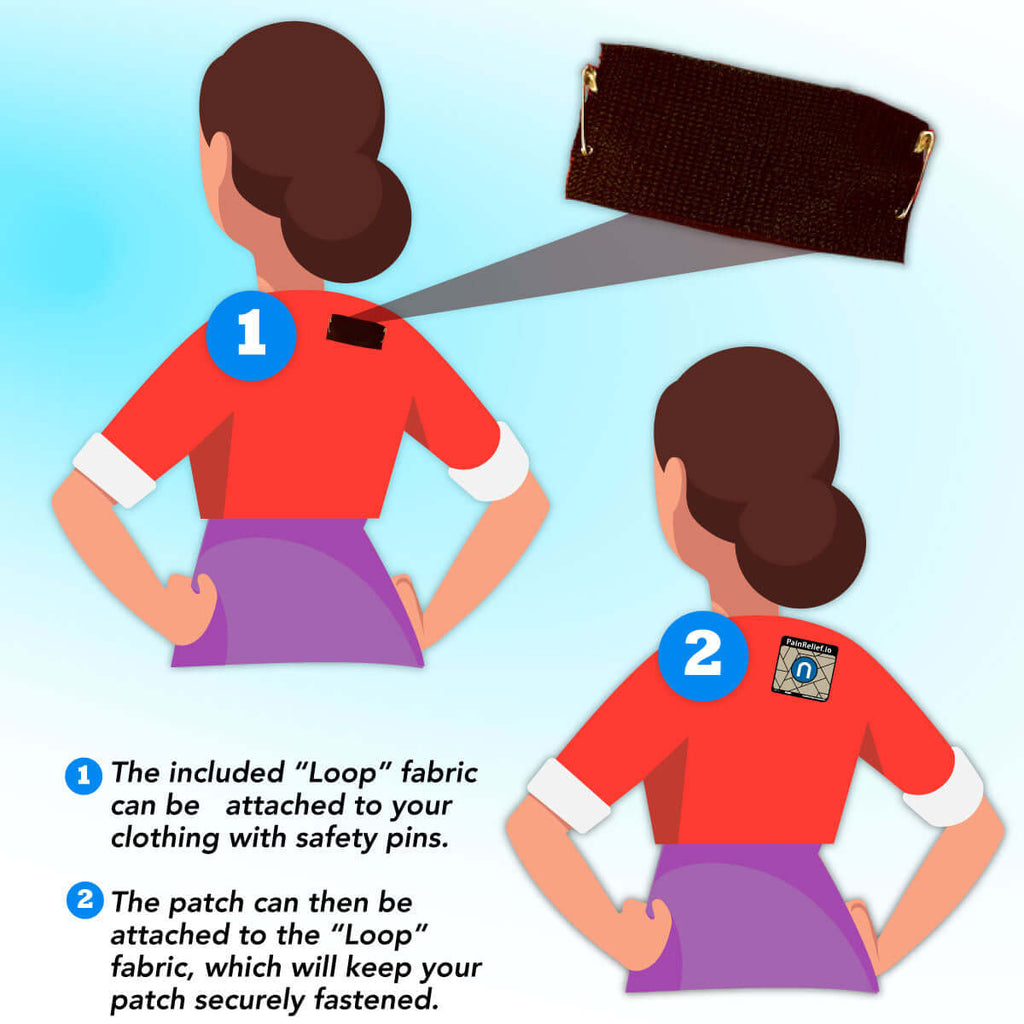
Some people also find a reusable, drug-free wearable device helpful as part of a broader routine for recurring foot discomfort. PainRelief.io® devices use patented NeuroCuple® nanocapacitive technology in a lightweight, battery-free format that can be positioned near the ankle or affected area of the foot, without medication, adhesives, or a single-use replacement cycle.
Explore PainRelief.io® Wearables → — backed by a 137-day money-back guarantee.
See a doctor or podiatrist if you have significant swelling, an inability to bear weight, pain following an injury that doesn't improve within a few days, signs of infection (redness, warmth, drainage, fever), numbness or tingling that's new or worsening, or foot pain related to diabetes, since foot complications in diabetes can progress quickly and deserve prompt attention. Pain that persists despite rest, supportive footwear, and a few weeks of reasonable self-care is also worth having evaluated, since an accurate diagnosis makes it much easier to choose the right next step.
This article is provided for general educational purposes and is not a substitute for professional medical advice, diagnosis, or treatment. Seek medical care for severe, persistent, unusual, or worsening symptoms.
Recherche
About Us
Terms of Service
Refund Policy
Contact Us
Ne pas vendre ou partager mes informations personnelles
Affiliates: Join or Log In
Clinical
Where to Buy
Government Procurement
C'est simple à utiliser ! Placez simplement l'appareil au-dessus de votre douleur - Entre la douleur et le cerveau (tm) - et votre douleur commencera à s'estomper en quelques minutes. Le tout dans un appareil portable fin, réutilisable. Pas de piles, pas de fils, pas d'huiles malodorantes, pas de médicaments et ça agit rapidement !!
L'appareil est construit avec notre couche brevetée Neurocuple® scellée entre deux couches imperméables. Une fois placée au bon endroit, la couche Neurocuple® est activée directement par l'énergie du corps de l'utilisateur. Après quelques minutes, une sensation de chaud, de froid ou de picotement est ressentie par l'utilisateur à mesure que la douleur s'estompe.
L'appareil PainRelief.io® est un produit de bien-être général qui aide à promouvoir l'activité physique chez les utilisateurs souffrant de douleurs chroniques et intermittentes, ce qui, dans le cadre d'un mode de vie sain, peut aider à vivre avec ces conditions et peut retarder l'apparition des handicaps associés.