

Livraison et retours gratuits au-dessus de 100 $ !
Your mouth may feel swollen, tight, and surprisingly tired after wisdom tooth removal. That's not a failure of recovery — it's your body responding to a surgical wound in a sensitive, high-use part of the body. A thoughtful drug-free recovery plan can make the first several days more manageable while helping protect the blood clot that needs to stay in place.
The goal isn't to push through significant pain or ignore your oral surgeon's instructions — it's to use practical, non-medication measures that support comfort and help you recognize when recovery is moving off course. If your dentist or oral surgeon has given you specific instructions, those always come first.
After an extraction, a blood clot forms in each socket — the body's natural protective cover while new tissue develops underneath. Dislodging that clot can expose the area and lead to dry socket, a painful complication that usually needs professional care. For the first 24 hours, avoid anything that creates strong suction or pressure: no straws, forceful spitting, smoking, vaping, or aggressive rinsing. Even repeatedly checking the extraction site with your tongue can irritate the area.
If you were sent home with gauze, follow the timing instructions for gentle, steady pressure. A little oozing can be normal early on, but active bleeding that doesn't slow warrants a call to the dental office. Resting with your head elevated can also help limit swelling and throbbing.
Swelling often peaks around the second or third day, especially after impacted wisdom tooth removal. A cold pack on the outside of the cheek, with a cloth barrier, can ease early discomfort — many oral surgeons recommend short intervals of 15 to 20 minutes on, then off, during the first day or two. Cold therapy is most useful while swelling is building. After the first 48 hours, some people find gentle warmth more soothing for jaw stiffness — but don't apply heat if swelling is worsening or the area feels hot, since those are reasons to contact your oral surgeon instead.
Eating after wisdom tooth surgery is less about finding the perfect soft food and more about avoiding friction, crumbs, and suction. Cool or lukewarm, smooth, easy-to-swallow options work well — yogurt, applesauce, mashed potatoes, scrambled eggs, blended soups, oatmeal, and smoothies eaten with a spoon. Avoid crunchy foods, seeds, nuts, chips, popcorn, and anything with small pieces that can lodge near the extraction site. Hydration matters more than people expect — a dry mouth can make everything feel worse, and dehydration can add headaches and fatigue to an already uncomfortable day.
The first day requires a light touch — don't rinse, brush the extraction sockets, or swish vigorously unless your surgeon says otherwise. After the first 24 hours, many patients are instructed to use a gentle warm saltwater rinse, letting the liquid move with minimal effort before allowing it to fall out rather than spitting hard.
Wisdom tooth removal can feel minor until you try to return to a full workday or workout too soon — increased activity can raise blood pressure, restart bleeding, and worsen swelling. For at least the first day, avoid strenuous exercise, heavy lifting, and long periods in the heat. A drug-free approach includes calming your nervous system too: slow breathing, a quiet room, and reduced screen time can make discomfort feel less consuming, since stress and constant attention to a sore area can amplify how intense it feels.
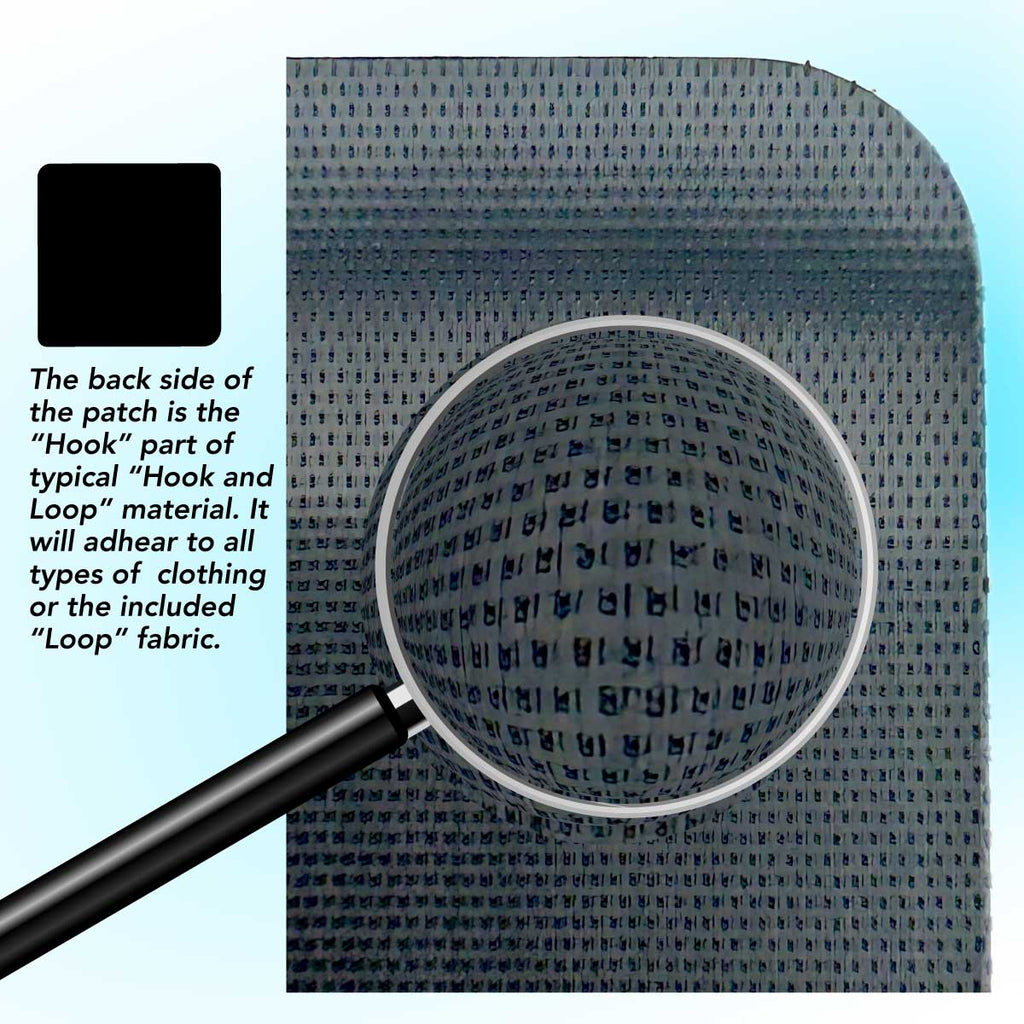
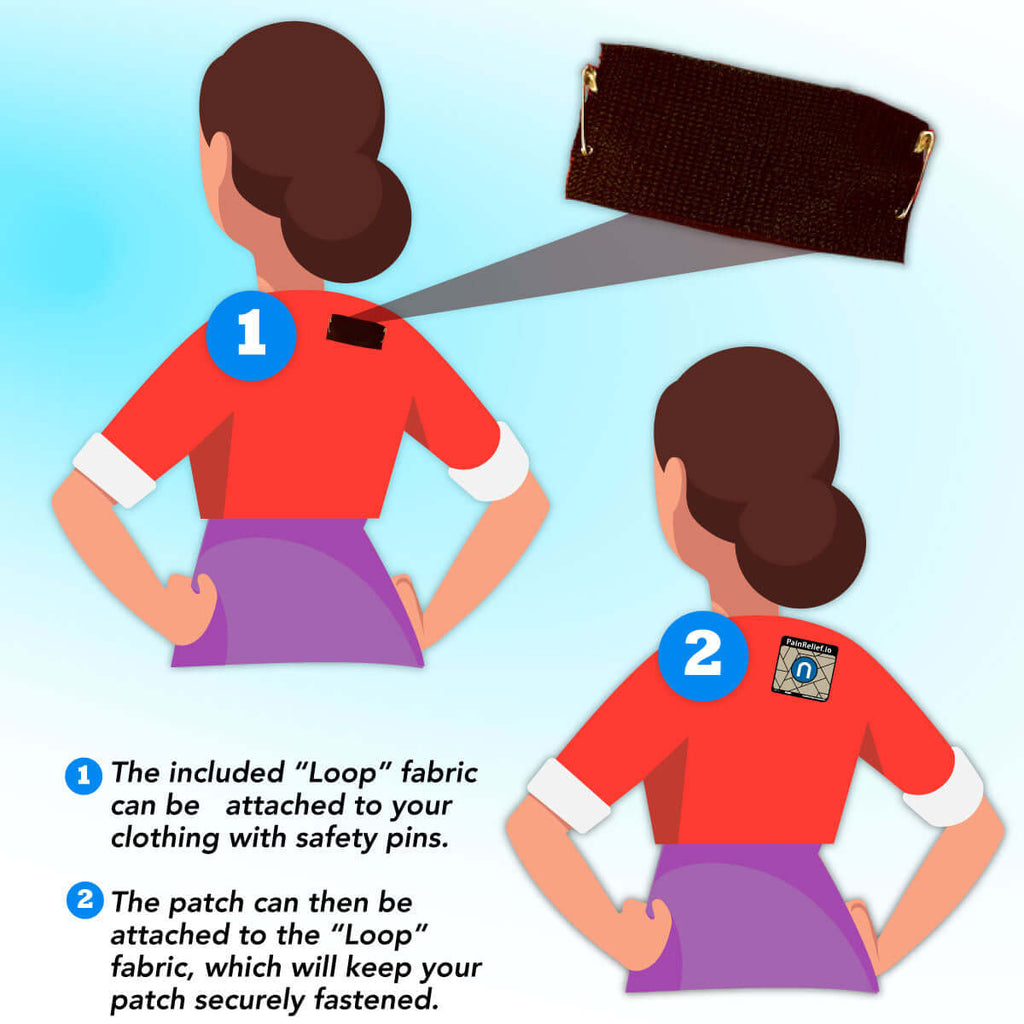
Some people notice tension building in the jaw muscles, neck, or outer cheek area during recovery — from holding the mouth carefully, favoring one side while eating, or general muscle guarding around the surgical site. For that external muscle tension specifically (not near the extraction sites themselves), a reusable wearable placed on the jaw muscle, neck, or shoulder area may offer additional drug-free comfort as part of your broader recovery routine.
PainRelief.io® devices use patented NeuroCuple® nanocapacitive technology in a lightweight, reusable format — always keep any wearable well clear of the extraction sites and surgical dressing, and follow your oral surgeon's guidance about what's appropriate during your specific recovery.
Choosing non-medication comfort strategies doesn't mean tolerating severe or escalating pain. Your oral surgeon may recommend prescription or over-the-counter medication based on the complexity of your extraction and your individual needs — discuss your preferences before surgery so you know what options are available.
Call your dental office promptly if pain becomes substantially worse after initially improving, especially between days two and five. Deep, throbbing pain radiating toward the ear or temple, a foul taste or odor, and an empty-looking socket can point to dry socket — this isn't something to treat at home with more ice or rinsing. Also contact your provider for fever, worsening facial swelling after the third day, pus, trouble swallowing, persistent numbness, or bleeding that won't stop. Trouble breathing or swallowing requires urgent medical attention.
The first 24 hours are usually about clot protection, managing swelling, and rest. Days two and three can be the most swollen and uncomfortable, even if surgery day itself felt manageable due to lingering anesthesia. By days four through seven, many people can return to more normal meals and routines, though the sockets are still healing. Recovery varies significantly based on how many teeth were removed, whether they were impacted, and individual factors — don't compare your day three to someone else's.
The most useful approach is simple: protect the extraction sites, keep cold therapy and rest within reach, eat and drink gently, and stay alert to changes that deserve professional attention.
This article is provided for general educational purposes and is not a substitute for professional medical advice, diagnosis, or treatment. Always follow your oral surgeon's specific post-operative instructions. Seek medical care for severe, persistent, unusual, or worsening symptoms.
Recherche
About Us
Terms of Service
Refund Policy
Contact Us
Ne pas vendre ou partager mes informations personnelles
Affiliates: Join or Log In
Clinical
Where to Buy
Government Procurement
C'est simple à utiliser ! Placez simplement l'appareil au-dessus de votre douleur - Entre la douleur et le cerveau (tm) - et votre douleur commencera à s'estomper en quelques minutes. Le tout dans un appareil portable fin, réutilisable. Pas de piles, pas de fils, pas d'huiles malodorantes, pas de médicaments et ça agit rapidement !!
L'appareil est construit avec notre couche brevetée Neurocuple® scellée entre deux couches imperméables. Une fois placée au bon endroit, la couche Neurocuple® est activée directement par l'énergie du corps de l'utilisateur. Après quelques minutes, une sensation de chaud, de froid ou de picotement est ressentie par l'utilisateur à mesure que la douleur s'estompe.
L'appareil PainRelief.io® est un produit de bien-être général qui aide à promouvoir l'activité physique chez les utilisateurs souffrant de douleurs chroniques et intermittentes, ce qui, dans le cadre d'un mode de vie sain, peut aider à vivre avec ces conditions et peut retarder l'apparition des handicaps associés.