

If you have ever searched for pain relief without pills, you have probably run into the term nano patch. It sounds technical, but the real question is simple: can a thin wearable patch actually help you feel better without drugs, heat, or electricity from a battery?
That question matters because most pain relief options come with trade-offs. Medication can wear off or cause side effects. Creams can be messy. Heating pads keep you tied to the couch. Disposable patches have to be replaced over and over. For people dealing with recurring pain, convenience is not a bonus. It is part of whether a solution is realistic to use.
A nano patch is generally a wearable patch designed to interact with the body in a noninvasive way. Depending on the product, that may involve materials, structural layers, or a specific technology intended to support relief without adding medication to the skin. That broad definition is exactly why shoppers need to look closer. Not every nano patch works the same way, and not every claim means the same thing.
In the pain relief space, nano patch is often used to describe a thin wearable patch built with very small-scale material features or engineered layers. The word nano refers to nanotechnology or nanoscale design. It does not automatically mean the patch contains drugs, and it does not automatically mean it uses magnets, heat, or electrical stimulation.
That distinction is important. Many people assume all pain patches work by delivering an ingredient through the skin, like menthol, lidocaine, or capsaicin. A nano patch may be completely different. Some are designed to work through the patch’s material properties rather than through a medicinal ingredient.
This is where confusion starts for consumers. Two products can both be called a nano patch while offering very different experiences. One may be disposable. Another may be reusable. One may rely on topical ingredients. Another may be battery-free and ingredient-free. If you are comparing options, the label alone does not tell you enough.
The mechanism depends on the product. Some nano patches are basically advanced versions of a topical patch, where the engineering helps deliver or hold active ingredients. Others are designed to interact with the body’s bioelectrical environment.
That second category is especially relevant for people who want drug-free relief. The body runs on electrical signaling. Nerves communicate through electrical impulses, and pain is closely tied to how those signals are generated, transmitted, and interpreted. Certain wearable technologies are designed around that reality, using specialized materials to influence the local electrical environment around the area of discomfort.
A patented nanocapacitive patch, for example, is not adding a drug into your body and is not powered by a battery. Instead, it uses its material design to interact with the body’s own signals. For some users, that creates a practical middle ground between doing nothing and relying on medication.
That does not mean every person will respond the same way. Pain is personal. A sore knee after a workout, a stiff neck from desk work, nerve discomfort, menstrual cramps, and long-term lower back pain can all feel different and behave differently. The right patch for one situation may not be the right fit for another.
Most people are not searching for fancy materials. They are searching for control.
They want something they can apply quickly when their back tightens up in the afternoon. They want support for recurring headaches without taking another dose of medication. They want an option they can keep using month after month for cramps, jaw tension, shoulder pain, or sore joints.
That is why nano patch products appeal to a wide range of users. They are often small, portable, and easy to wear under clothing. Many are designed for direct placement over the area that hurts, which makes them feel more targeted than a pill that affects the whole body. For people trying to reduce dependence on medication, that targeted and noninvasive approach is a major reason to consider them.
This is where careful comparison matters. Traditional pain patches usually fall into a few familiar categories. Some create heating or cooling sensations. Some deliver active ingredients through the skin. Some are single-use and need frequent replacement.
A nano patch may avoid those limitations, but only if the product is built that way. If you are evaluating one, ask practical questions. Is it drug-free or does it rely on an ingredient? Is it reusable or disposable? Does it need power, charging, or a paired device? Is it intended for occasional use, or can it become part of a long-term pain management routine?
Those questions matter because recurring pain changes the math. A low-cost disposable patch can become expensive if you use it daily. A strong topical ingredient may not be ideal if your skin is sensitive. A bulky device may help at home but be unrealistic at work, while driving, or during sleep.
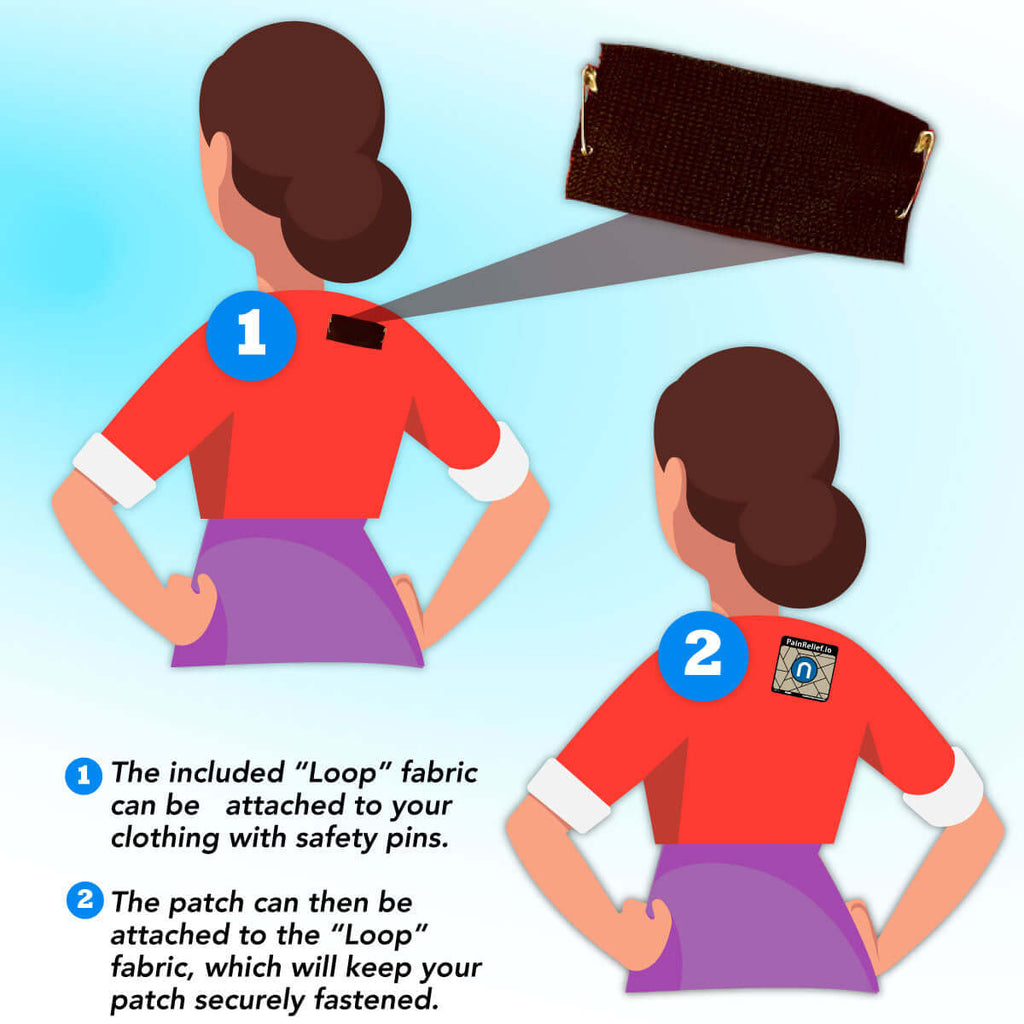
People living with frequent pain usually do better with solutions that fit real life. Easy placement, light weight, and reusability are not marketing extras. They are what make a product usable beyond the first week.
A nano patch tends to make the most sense for people who want relief without adding another pill, cream, or invasive treatment. That includes adults with chronic pain, people recovering from overuse or strain, and those dealing with recurring pain patterns like migraines, TMJ discomfort, or menstrual cramps.
It may also be a good fit for people who are frustrated by short-lived relief. Many common approaches work, but only for a narrow window. Then the pain returns, and the cycle starts again. A wearable option that can be used repeatedly may feel more sustainable, especially if it can be placed directly where the discomfort shows up.
That said, expectations should stay realistic. A patch is not a cure for every underlying condition. If pain is caused by structural injury, severe inflammation, or a condition that needs medical treatment, a wearable may be one piece of the plan rather than the entire answer. Relief tools work best when matched to the actual pattern of pain.
Start with the technology claim, not just the name. If a product says nano patch, look for a plain-English explanation of what the patch is actually doing. A credible company should be able to explain the mechanism without hiding behind vague buzzwords.
Next, look at intended use. Is the patch designed for back pain, knees, neck and shoulders, temples, jaw, or another body area? Placement matters. Pain relief is often more effective when the product is built around where and how people actually hurt.
Then consider long-term practicality. Reusable, battery-free wearables are often more appealing for recurring pain because they reduce both hassle and ongoing cost. If you are buying for chronic issues, convenience has to be part of the decision.
Finally, pay attention to trust signals. Patented technology, a clear inventor-led story, practical instructions, and a meaningful trial period all help reduce uncertainty. Pain relief products are easy to promise and harder to prove in daily life. Brands that explain their approach clearly and give users time to test it tend to stand out for the right reasons.
People are rethinking pain relief. They do not always want the next stronger pill or another product they can use only once. They want options that feel safer to use regularly, easier to live with, and more aligned with how pain shows up in the real world.
That is why the nano patch category keeps growing. It speaks to a bigger shift toward drug-free, body-targeted, and reusable relief. Some products in that category will be more credible than others, and some technologies will be better suited to your needs than others. But the direction makes sense.
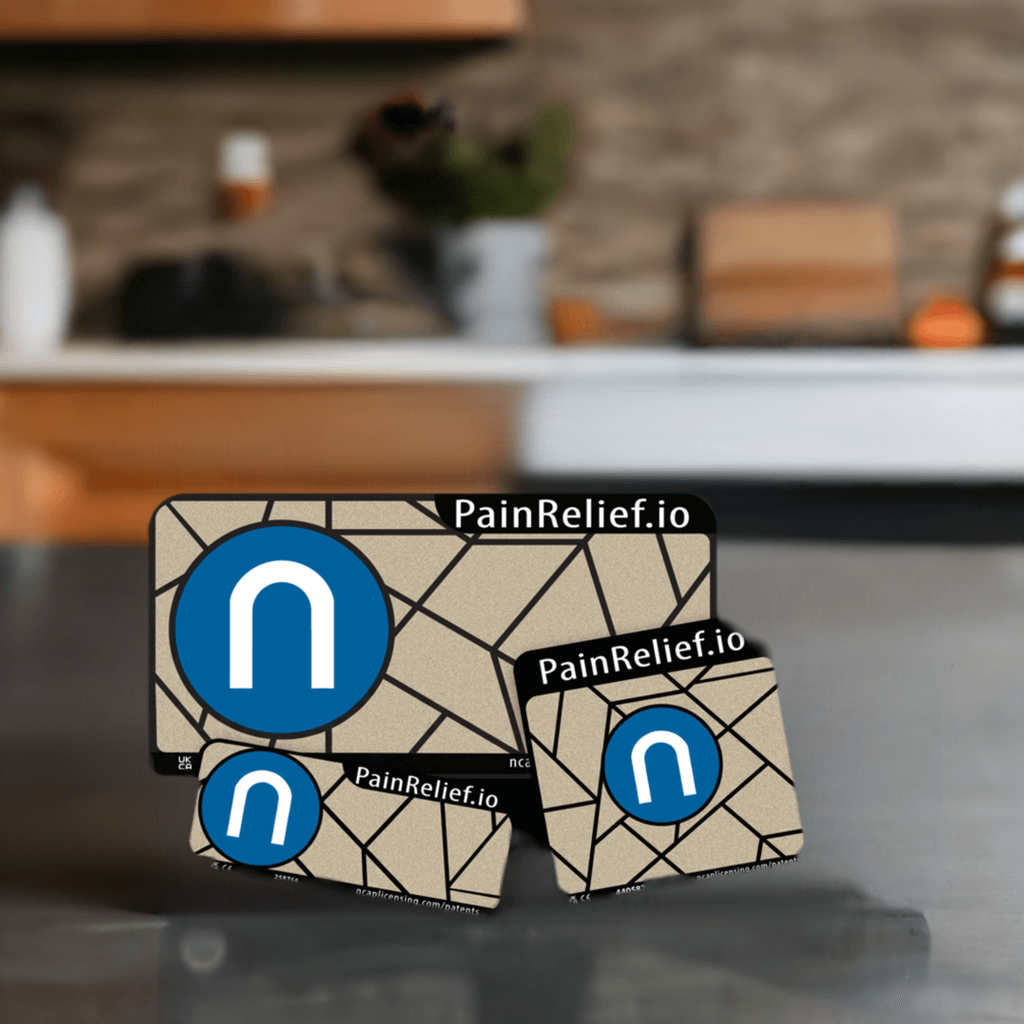
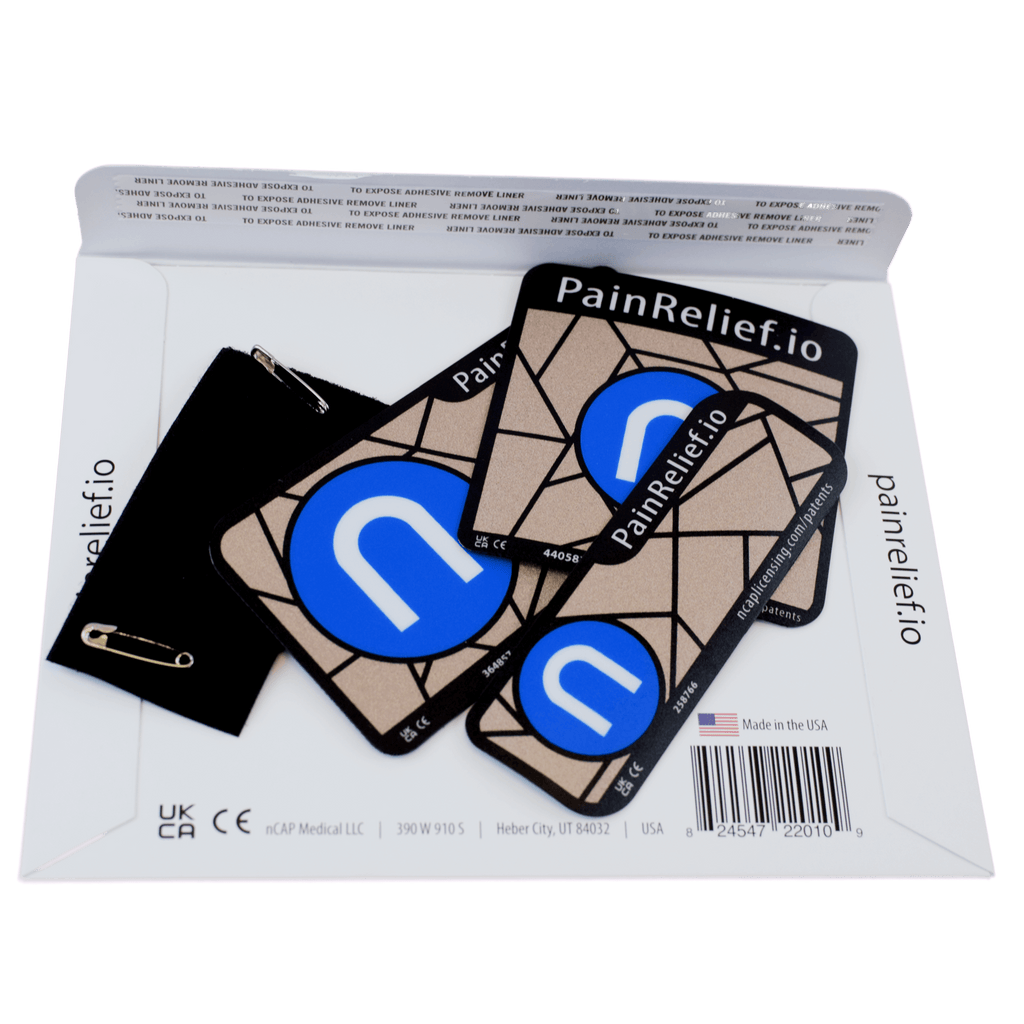
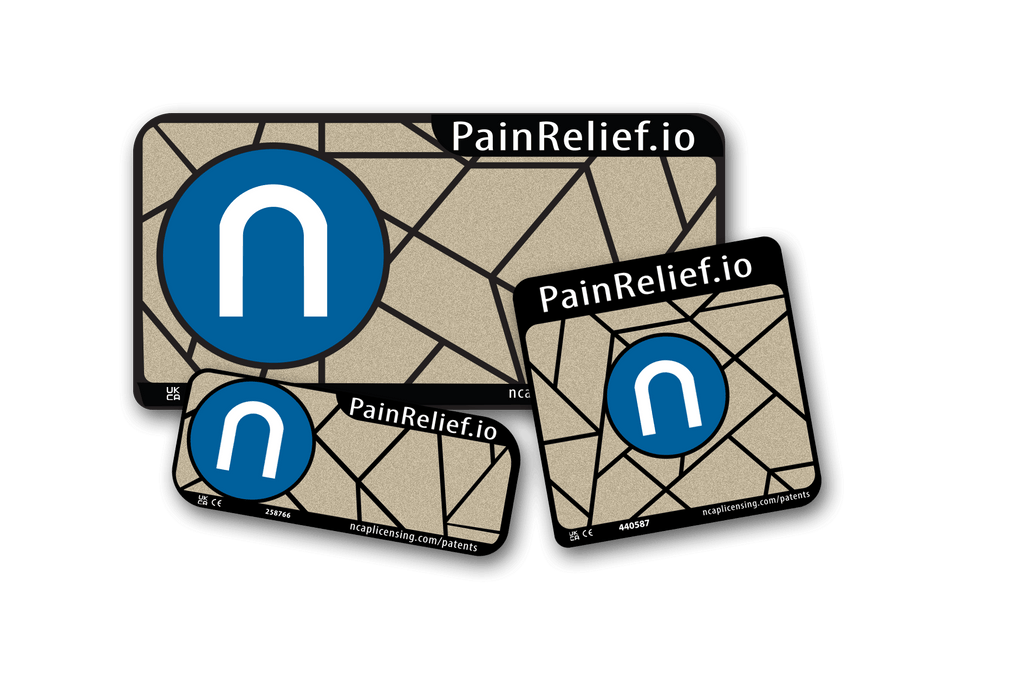
When pain keeps interrupting work, sleep, exercise, or everyday routines, the best solution is often the one you will actually use consistently. For many people, that is what makes a thoughtfully designed nano patch worth a serious look. Brands like PainRelief.io® have built around that idea by focusing on patented, reusable wearables that meet people where their pain actually happens.
If you are considering one, think less about the buzzword and more about the fit. The right pain relief tool should make your day easier, not more complicated.