
Drug-Free • Reusable for Years • 137-Day Money-Back Guarantee
Pain rarely shows up as a simple problem. A sore knee can change how you walk. Neck tension can trigger headaches. Old injuries can flare up without warning. When people start looking for relief without pills or messy creams, one term they may come across is neuro capacitive coupling.
Neuro capacitive coupling refers to a way of interacting with the body's electrical environment without driving powered stimulation into the skin. That distinction matters. Many people assume all pain technology works by heating tissue, compressing an area, or sending electricity through adhesive electrodes. Neuro capacitive coupling points to a different idea.
Your body runs on electrical signaling. Nerves communicate through electrochemical activity, and that signaling plays a role in how pain is felt, amplified, or quieted. Capacitive coupling, in general, means energy or signal influence can be transferred through an electric field rather than direct conductive contact. Add the word neuro, and the focus becomes the nervous system and its signaling patterns.
In practical terms, the concept suggests that a material or device may interact with the body's bioelectrical signals in a passive way. Instead of forcing an external current into the body, it is designed to couple with existing electrical activity. For people who want drug-free, noninvasive pain relief, that is a meaningful difference.
Pain is not just about damaged tissue. It is also about signaling. The brain and nervous system decide what gets labeled as pain, how strong it feels, and whether the alarm stays on longer than it should. That is one reason pain can linger after an injury should have improved, or why some pain feels bigger than the visible problem.
This is where neuro capacitive coupling becomes relevant. If pain involves abnormal or heightened nerve signaling, then technologies aimed at the body's electrical communication may offer another path to relief. Not a cure-all, and not a replacement for medical care when something serious is going on, but a different category of support.
That category appeals to a lot of people for a simple reason. They are tired of cycling through short-term options. Pills wear off. Topicals can be messy. Heat helps until it doesn't. Braces can be bulky. Disposable patches need constant replacing. A passive, reusable approach stands out because it fits real life better.
One of the easiest ways to understand neuro capacitive coupling is to compare it with technologies people already know.
TENS units use powered electrical stimulation. You feel the pulses. They require batteries or charging, wires or attached controllers, and direct conductive contact through electrodes. Some people like that sensation. Others find it distracting, irritating, or inconvenient for all-day use.
Heat therapy works by increasing warmth and often improving comfort or loosening tight muscles. Cold therapy targets inflammation and numbing. Compression changes pressure and support around a painful area. Topicals rely on ingredients that create cooling, warming, or numbing effects.
Neuro capacitive coupling is different because the mechanism is not based on temperature, medication, or active powered stimulation. It is a passive interaction with the body's electrical field. That makes it a distinct option for people who want something lightweight, simple, and wearable through more of the day.
It also means expectations should be realistic. If someone wants the strong sensory feel of a TENS unit, passive technology may feel subtle by comparison. For many users, subtle is exactly the point. They want support without interruption, noise, wires, or repeated dosing.
The phrase bioelectrical environment may sound technical, but the basic idea is straightforward. The body is not electrically silent. Nerves, muscles, and tissues constantly generate and respond to electrical activity. Pain signaling is part of that system.
When this signaling becomes irritated, hypersensitive, or persistent, the result can be pain that feels out of proportion or pain that keeps returning. That does not mean every case of pain is primarily electrical, but electrical signaling is part of the picture more often than people realize.
Neuro capacitive coupling is built around the belief that influencing this signaling environment may help reduce the intensity or persistence of discomfort. The exact experience can vary based on the person, the condition, placement, and how long the issue has been present. A fresh muscle strain is not the same as years of chronic lower back pain. Jaw tension is not the same as migraine-related sensitivity.
That is why body area and use case matter so much. The technology may be one platform, but the way it is applied should still match the pain pattern.
The strongest consumer interest tends to come from pain that interrupts daily routines. Lower back pain while sitting at work. Knee pain walking stairs. Shoulder tightness after long hours at a desk. Menstrual cramps that return every month. Headaches that make it hard to focus. TMJ discomfort that turns eating or talking into a chore.
A passive wearable approach makes sense in these situations because people are not always looking for a dramatic intervention. Often they want something they can place on the area, keep on with minimal fuss, and use again and again.
That said, not every type of pain responds the same way. Pain with a clear structural cause may still need medical evaluation, physical therapy, rest, or a broader treatment plan. Neuro capacitive coupling may fit best as part of an overall strategy, especially for people managing recurring pain, activity-related flare-ups, or sensitivity that has become part of everyday life.
A lot of people are not anti-medicine. They are just tired of relying on it for every flare-up. They may want fewer pills, fewer side effects, and fewer decisions about what they can safely take with other medications. Others simply prefer a more natural-feeling approach that does not add another chemical input.
That is one reason passive technologies have gained attention. They are noninvasive and typically easy to incorporate into a routine. No timing doses. No waiting for a cream to dry. No carrying a charger. No committing to a disposable product you have to keep buying.
For a wellness-focused consumer, the appeal is obvious. If a reusable wearable can support relief without drugs and without changing the whole day around pain management, that is worth considering.
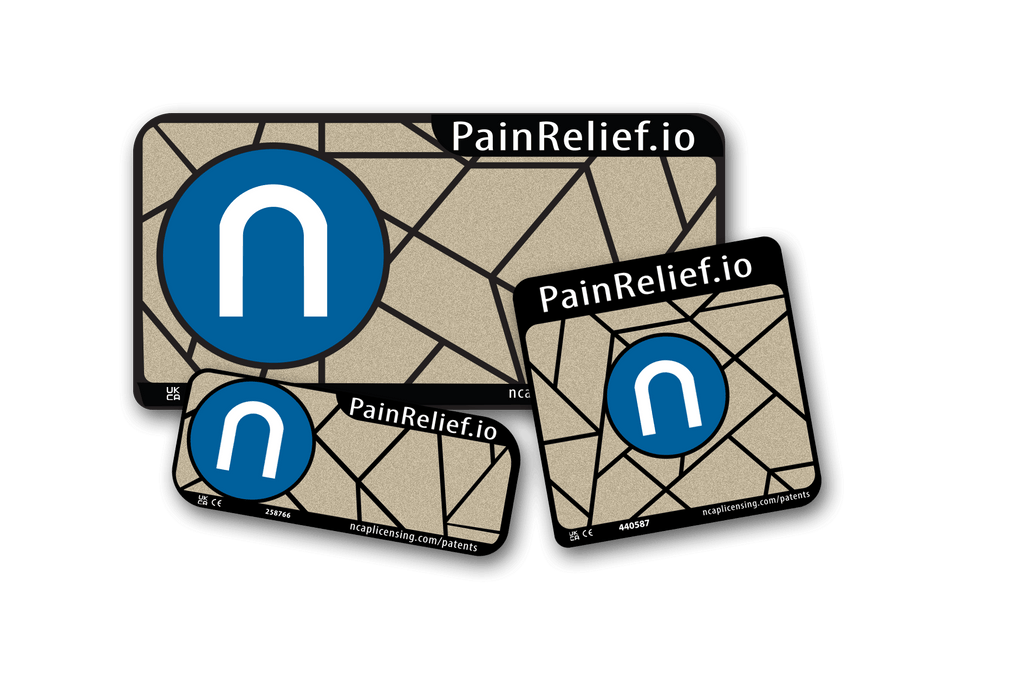
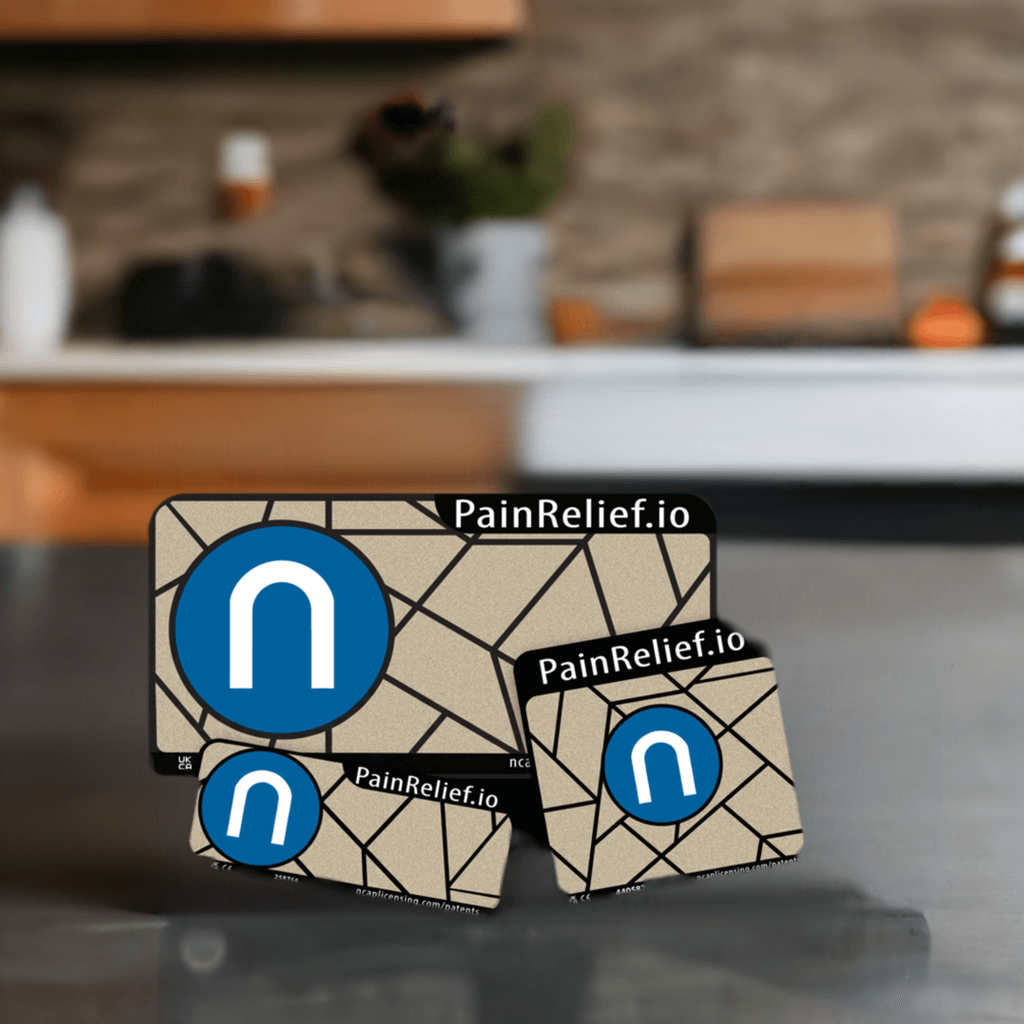
PainRelief.io® has leaned into this category by focusing on patented nanocapacitive technology in reusable, battery-free wearables designed around real body areas and real pain scenarios. That product logic matters because people do not shop for pain relief in abstract terms. They shop for the knee that hurts now, the back that tightens every afternoon, or the cramps they know are coming next month.
The biggest mistake is expecting one tool to solve every pain problem. Pain is personal, and response varies. Some people notice meaningful relief quickly. Others need better placement, more consistent use, or a different solution entirely.
It also helps to separate serious medical issues from everyday pain support. Sudden severe pain, loss of function, unexplained swelling, chest pain, or neurological symptoms should not be self-managed with a wearable alone. Those need prompt medical attention.
For everything else, the useful question is simpler: does this fit how you actually live? If you want a noninvasive, reusable option that does not depend on medication, heat, or powered stimulation, neuro capacitive coupling is worth understanding. It represents a different theory of pain support - one centered on the body's signaling rather than masking discomfort for a few hours.
That difference will not matter to everyone. But for people looking for practical, drug-free relief they can use again and again, it may be exactly the reason to try something new.
Pain has a way of shrinking your world a little at a time. The right relief option should help you get some of that space back, without making your routine more complicated.
Search
Terms of Service
Refund Policy
Contact Us
Protect my personal information
Affiliates: Join or Log In
PATENTS
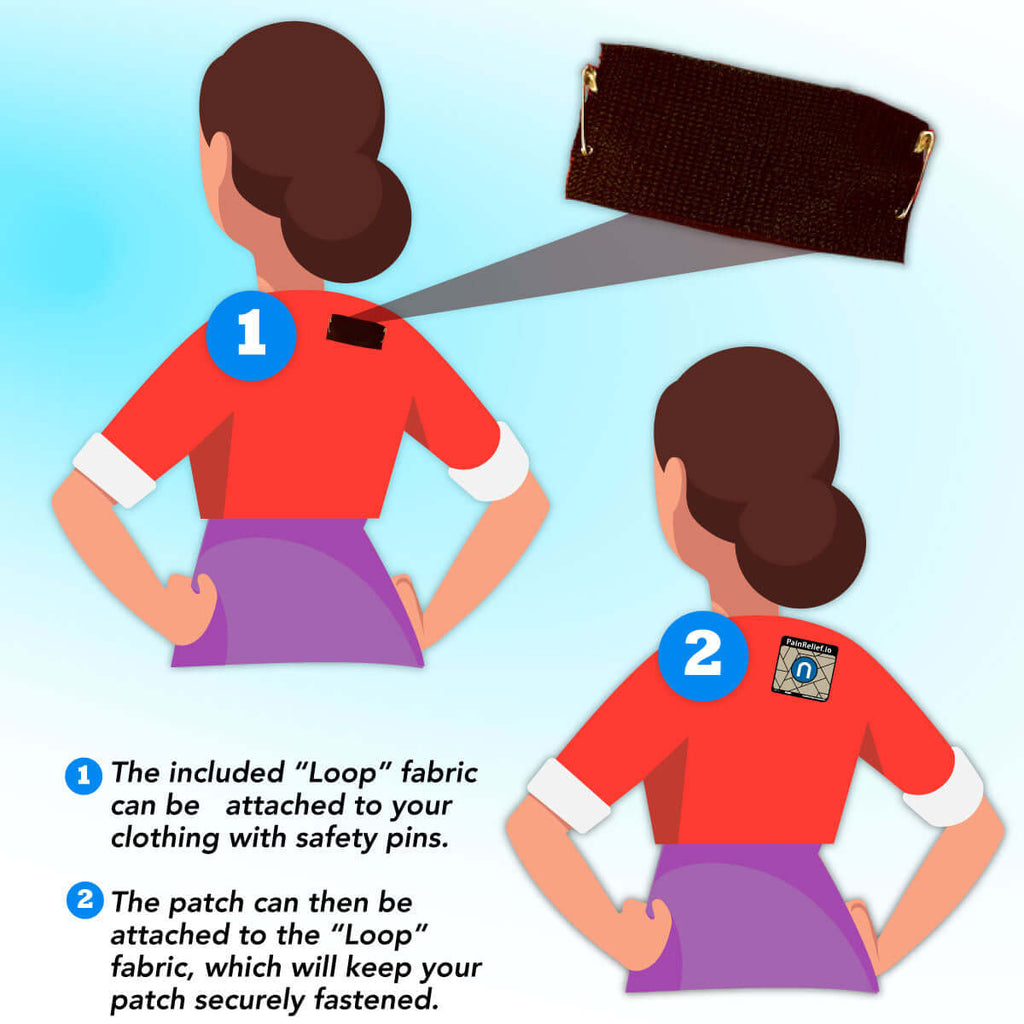
PainRelief.io® devices are designed to be simple to use. Just place the device near the area of discomfort and adjust as needed to find the position that feels most effective.
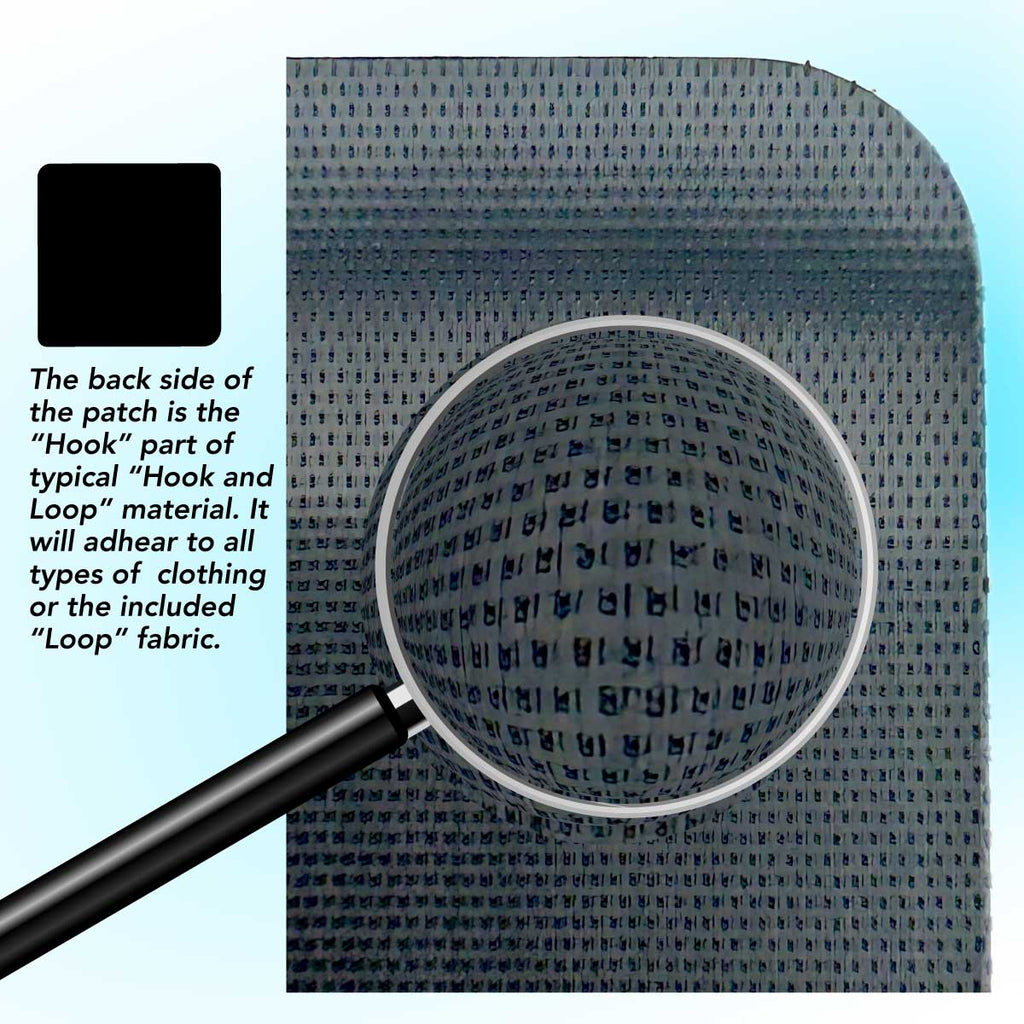
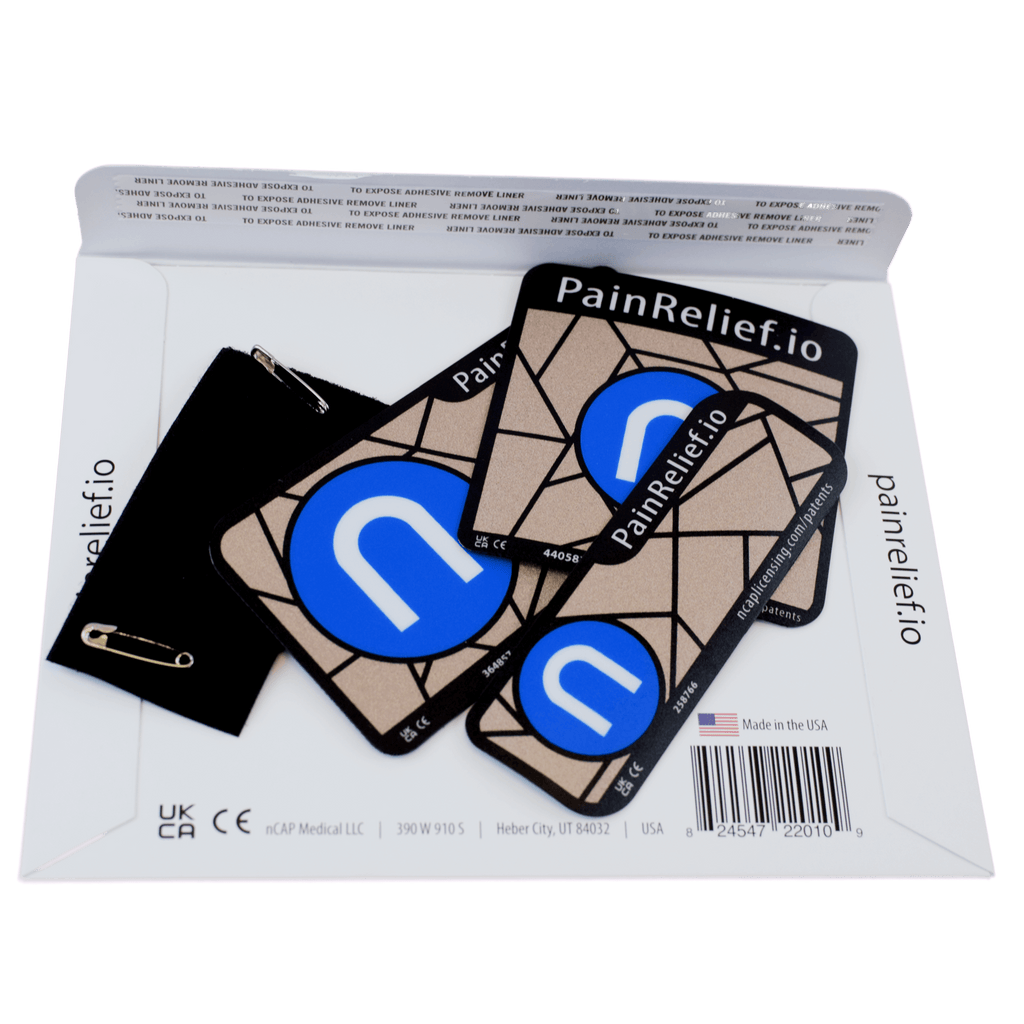
Each device is thin, reusable, wearable, and easy to use — with no batteries, no wires, no creams, and no drugs.
Inside each device is our patented NeuroCuple® layer, sealed between two durable waterproof layers. This technology is designed to work with your body’s natural bioelectrical environment in a simple, non-invasive way.
Some users report sensations such as warmth, cooling, or tingling during use, while others feel little or nothing at all.
PainRelief.io® devices are intended as general wellness products designed to support comfort, physical activity, and everyday function.