
¡Envío y devoluciones gratis por encima de $100!
If you have ever peeled off sticky electrode pads, untangled wires, and wondered whether pain relief really needs this much setup, you are not alone. The question behind wearable pain relief vs TENS unit is usually less about gadgets and more about daily life: What can you actually use consistently when your back locks up at work, your knee flares after a walk, or your neck starts throbbing halfway through the day?
Both options are drug-free. Both are used by people trying to avoid pills, creams, or short-lived fixes. But they are not the same experience, and for many people, the difference comes down to how pain shows up in real life.
A TENS unit uses electrical stimulation. It sends low-voltage electrical impulses through adhesive electrode pads placed on the skin. Those impulses are designed to stimulate nerves and may help disrupt pain signals or encourage the body’s natural pain response. For some people, that creates a noticeable tingling sensation and short-term relief.
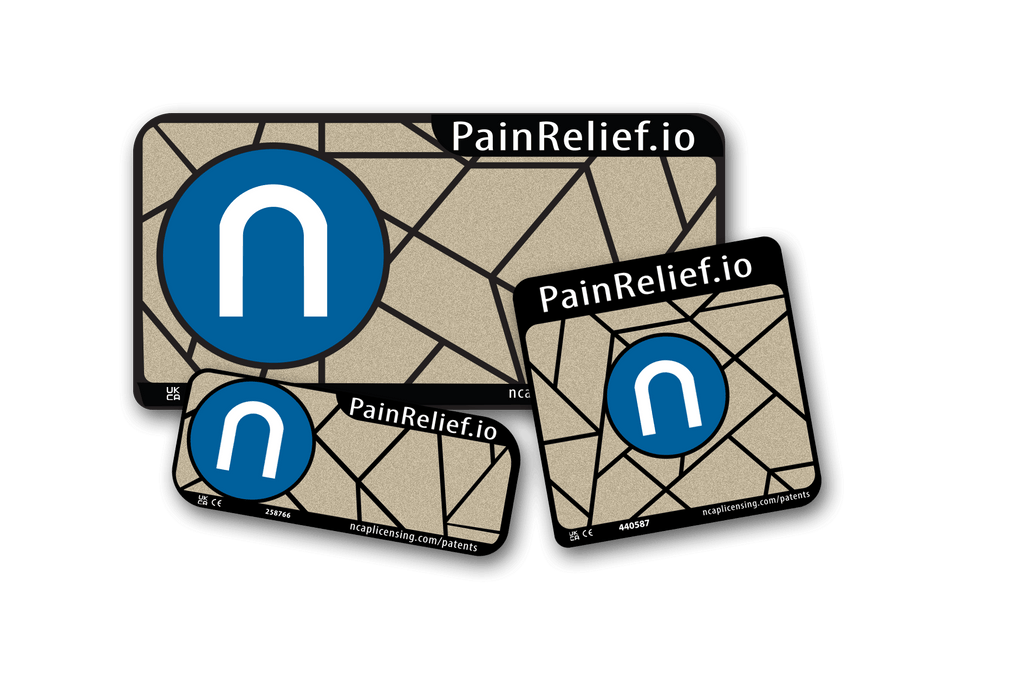
Wearable pain relief is a broader category, which is why comparisons can get confusing. Some wearables still use electrical stimulation, while others use a different approach entirely. Battery-free wearable pain relief devices, including options built with patented nanocapacitive technology, are designed to interact with the body’s bioelectrical environment without generating that active pulsing sensation. That means the feel, the setup, and the day-to-day use can be very different from TENS.
So when people compare the two, they are often comparing a powered stimulation device to a simpler wearable alternative that can be placed on the body and left in place during normal routines.
TENS has been around for years, and there is a reason it remains popular. It is widely recognized, easy to find, and can offer fast relief for some users. If you like an adjustable, active sensation and do not mind a little equipment, TENS may feel familiar and straightforward.
But the practical trade-offs matter. A TENS unit usually involves a controller, lead wires, adhesive pads, and a power source. Placement matters, and not everyone gets it right on the first try. Pads can lose stickiness over time. The sensation level may need to be adjusted. Some people enjoy that feeling of direct stimulation. Others find it distracting, especially if they are trying to work, drive, rest, or move around normally.
There is also the issue of where and when you can use it. TENS sessions are often more deliberate than passive. You stop what you are doing, put it on, run a session, then remove it. That can work well if your pain management routine already includes dedicated downtime. It can be less appealing if you want something lower-maintenance.
TENS may be a good fit for people who want a controllable intensity level and do not mind a temporary treatment session. It is often used for muscle soreness, back discomfort, joint pain, and certain recurring pain patterns where the user wants to actively manage a flare-up.
That said, response varies. Some people feel immediate benefit. Others feel the stimulation but not much meaningful relief. Pain is personal, and there is no one device that works the same way for everyone.
Wearable pain relief devices are often chosen for one reason: they are easier to live with. If your pain shows up daily or unpredictably, convenience is not a small feature. It is often the deciding factor.
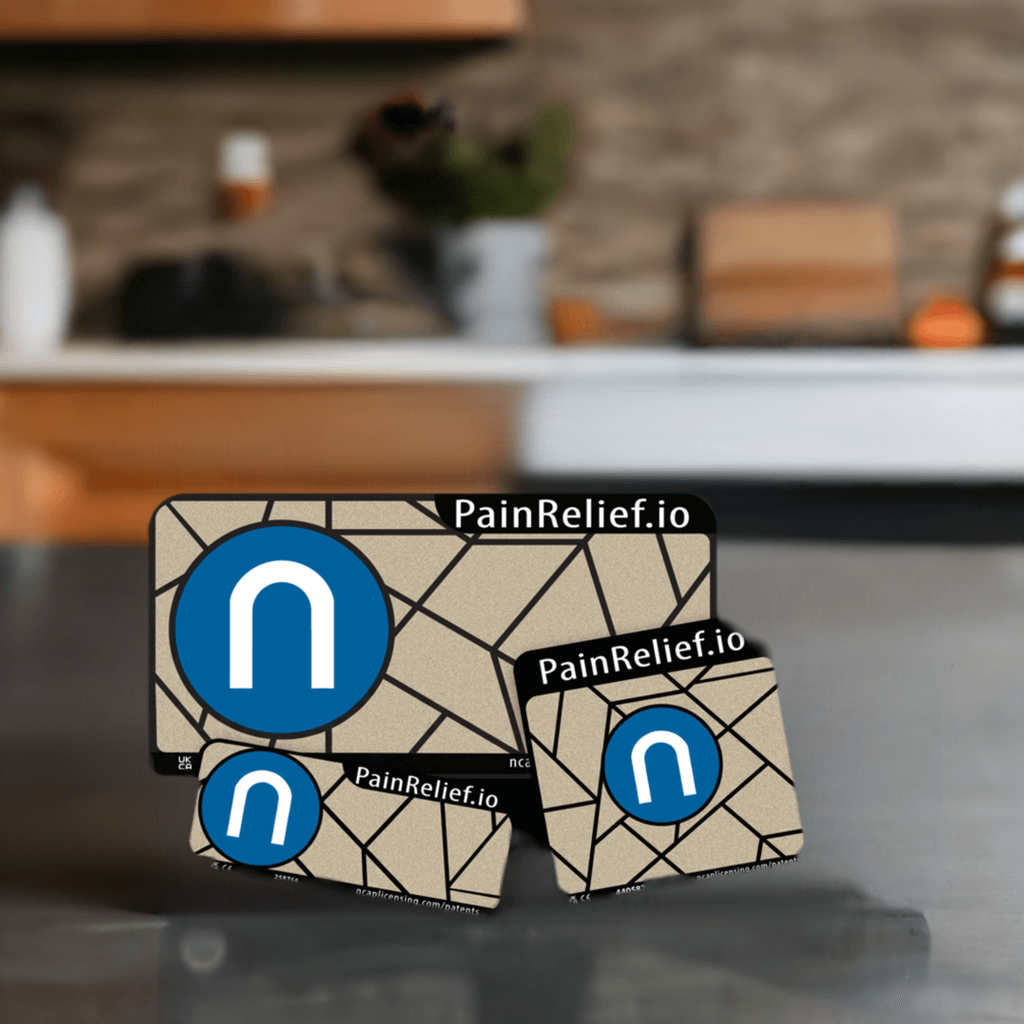
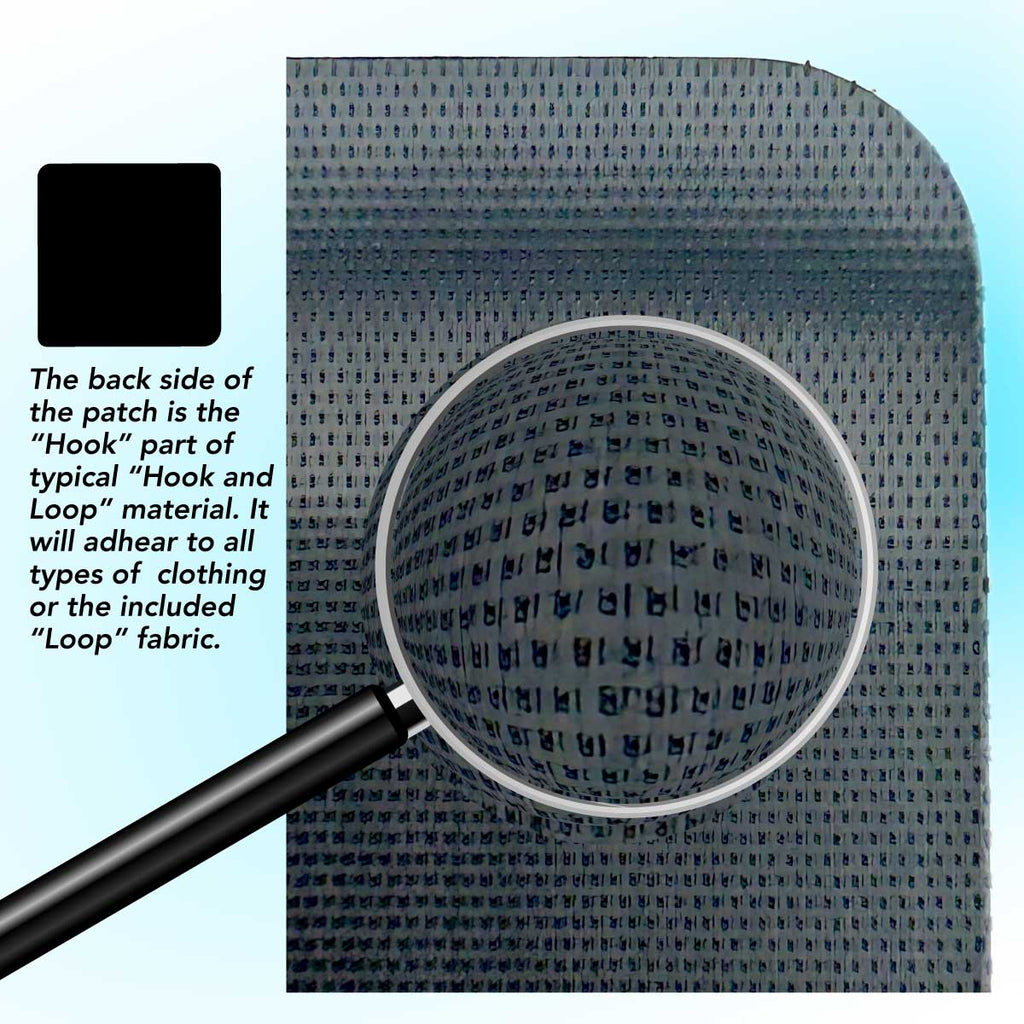
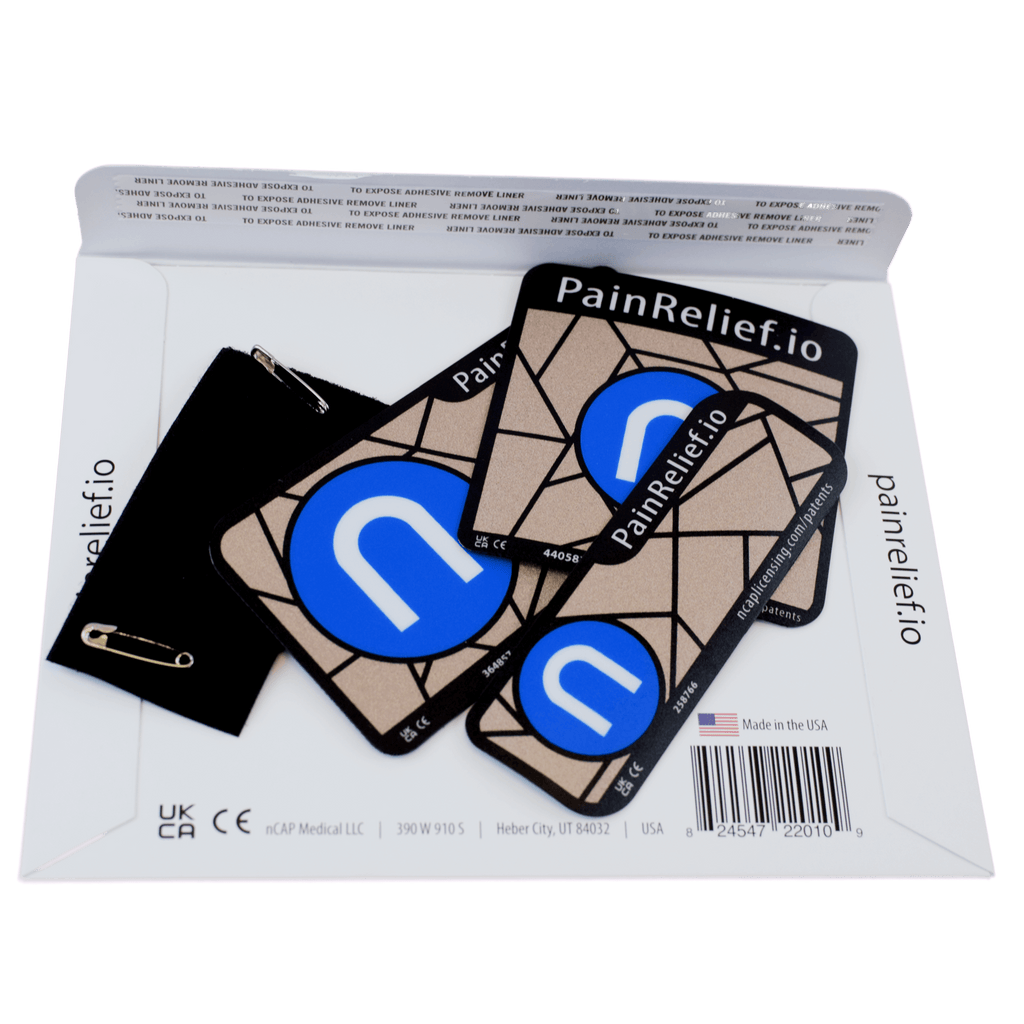
A lightweight, wire-free wearable can be applied directly to the area of discomfort and kept on during normal activity. There is no controller to manage, no pulsing sensation to tolerate, and in some cases no battery to charge or replace. That changes the experience from treatment session to ongoing support.
For people with recurring back pain, neck and shoulder tension, knee pain, jaw discomfort, headaches, or menstrual cramps, that simplicity matters. You are not trying to carve out a special window for pain relief. You are trying to get through your day with less interruption.
This is where reusable wearable technology stands apart from more traditional options. Instead of relying on electricity, heat, creams, or disposable patches, some devices are designed for repeated use over the long term. That can be appealing if you are looking for a drug-free solution you can use again and again without building a routine around charging, replacing, or reordering.
Comfort is one of the biggest decision points, and it often gets overlooked.
TENS users typically need to be comfortable with electrical stimulation. Even at lower settings, that sensation is noticeable. For some people, that is reassuring because it feels like something is happening. For others, it becomes the reason they stop using it.
Wearable pain relief devices that do not rely on active stimulation tend to feel more passive. Once applied, they are simply there. That may make them easier to wear under clothing, during light activity, while resting, or while working at a desk.
Mobility is another factor. Wires and controllers can limit how naturally you move with a TENS unit, even when the device itself is portable. A truly wearable, wire-free alternative usually fits better into real-world use. If you are dealing with pain in your lower back during a commute, in your knee while walking, or in your shoulder while doing household tasks, less equipment usually means fewer barriers to use.
This is where the answer becomes, it depends.
If you have chronic pain, consistency matters more than novelty. The best device is often the one you will actually use regularly. A TENS unit may help during specific flare-ups or scheduled sessions. A wearable device may be more practical for ongoing support because it asks less of you.
People managing chronic pain often get tired of solutions that work only when conditions are perfect. If a device takes too much effort, creates skin irritation from repeated adhesive use, or feels too intrusive for daily wear, it tends to end up in a drawer. That is why many people searching for noninvasive pain relief start with TENS but keep looking for something simpler.
For long-term use, reusability also matters. Disposable options can become expensive and inconvenient. A reusable wearable designed for everyday pain areas can feel more sustainable, especially if your pain returns often.
Body area plays a bigger role than many people expect.
TENS can be useful on larger muscle groups, but placement becomes more complicated on smaller or more sensitive areas. Jaw pain, temples, neck tension, and menstrual cramps are not always where people want wires, pulsing, or pad positioning guesswork.
Wearable pain relief products designed by body area can make this much simpler. A device shaped or sized for the lower back, knee, shoulder, jaw, or head is easier to place with confidence and easier to use consistently. That matters because pain relief should not feel like a puzzle every time symptoms show up.
For example, someone with post-workout knee pain may want support they can wear while moving around the house. Someone with monthly cramps may want a reusable option that is ready every cycle without relying on heat or medication. Someone with migraine-related temple discomfort may prefer a noninvasive wearable over a more stimulating device. The right choice depends on the pain pattern, the body area, and your tolerance for setup and sensation.
At first glance, a TENS unit can seem like the more obvious buy. But ownership experience matters.
With TENS, you may need replacement electrode pads, batteries or charging, and occasional troubleshooting if adhesion or connectivity becomes an issue. None of this is dramatic, but it adds friction. If you use the device often, those small inconveniences stack up.
A reusable wearable pain relief device may have a higher perceived value over time if it is simple to apply, easy to carry, and does not depend on power or consumables. That is especially true for people who use pain relief tools regularly rather than occasionally.
This is one reason brands like PainRelief.io® focus on body-specific, reusable solutions built for repeated use. When pain is part of your routine, the product has to fit your life, not just your symptoms.
Choose a TENS unit if you want adjustable electrical stimulation, do not mind setup, and prefer short treatment sessions where you can control intensity. It may be a good match if the tingling sensation feels helpful to you and you are comfortable managing pads, wires, and power.
Choose wearable pain relief if you want a simpler, more passive, more portable option that can support relief without turning pain management into a project. It is often the better fit for people who want something lightweight, reusable, and easy to wear during everyday life.
Neither option is universally better. The better option is the one that matches how your pain behaves and how you actually live. If your main goal is active stimulation during occasional flare-ups, TENS may check the box. If your main goal is drug-free support you can use with less effort and more consistency, wearable pain relief may be the smarter move.
Pain has a way of taking up enough space already. The device you choose should make life feel easier, not more complicated.
Buscar
Terms of Service
Refund Policy
Contact Us
No vender ni compartir mi información personal
Affiliates: Join or Log In
PATENTS
¡Es fácil de usar! Simplemente coloque el dispositivo encima de su dolor, Between the Pain and the Brain(tm) , y su dolor comenzará a desaparecer en minutos. Todo en un dispositivo portátil, delgado y reutilizable. ¡Sin baterías, sin cables, sin aceites malolientes, sin drogas y es de acción rápida!
El dispositivo está construido con nuestra capa patentada Neurocuple® sellada entre dos capas impermeables. Una vez colocada en el lugar correcto, la capa Neurocuple® se activa directamente por la energía del propio cuerpo del usuario; después de unos minutos, el usuario siente una sensación de calor, frío u hormigueo a medida que el dolor desaparece.
El dispositivo PainRelief.io® es un producto de bienestar general que ayuda a promover la actividad física para los usuarios con dolor crónico e intermitente, que, como parte de un estilo de vida saludable, puede ayudar a vivir con estas condiciones y puede retrasar la aparición de discapacidades relacionadas.