

A headache can turn a normal workday, commute, or family dinner into something to push through. The best top wearable solutions for headaches are not necessarily the ones with the most features. They are the options you can reach for quickly, wear comfortably, and use consistently when head pain starts disrupting your plans.
For people who want to reduce reliance on pills, wearables offer a practical middle ground. Some use temperature, gentle compression, or sensory input. Others are designed to interact with the body's bioelectrical environment. The right choice depends on the type of headache you experience, where you feel it, and what you can realistically use during your day.
Headaches are not all the same. Tension headaches may build after a long stretch at a desk, while migraine symptoms can involve throbbing pain, light sensitivity, nausea, and changes in vision. Jaw tension, neck strain, dehydration, sleep disruption, stress, and hormonal changes can all contribute to head pain.
That complexity is why a wearable should not be treated as a one-size-fits-all cure. It can, however, give you a drug-free tool to use at the first sign of discomfort or alongside the habits that help you manage recurring symptoms. Unlike a disposable patch, a reusable wearable can be kept in your bag, desk drawer, or bedside table for repeated use.
Wearability matters because relief is often most useful when it fits into real life. A bulky device that only works when you are lying down may be useful during a severe episode. A lightweight option that stays in place while you answer emails or make dinner may be more useful for the tension that keeps returning.
Cooling head wraps combine a cold pack with light, even pressure around the forehead, temples, and sometimes the eyes. They are a familiar option for migraine attacks and headaches that feel hot, pounding, or overstimulating. The pressure may feel grounding, while the cold can be soothing in a dark, quiet room.
Their main trade-off is mobility. Many wraps are best used while resting, and their effect is temporary because they need to be chilled or refrozen. They can also be uncomfortable for people who are sensitive to cold or who find pressure around the eyes aggravating. Still, for an at-home migraine routine, a cooling wrap can be a simple and useful tool.
For headaches that start at the base of the skull or arrive after shoulder tension, a heated neck wrap can address one common contributor: tight muscles around the neck and upper back. Heat may help you relax when stiffness is part of the picture, particularly after poor posture, a long drive, or time spent looking down at a screen.
Heat is not always the right fit. Some people prefer cold during a migraine, and a heated wearable may be less convenient away from home because it often needs a power source or microwave. It is also wise to avoid falling asleep with an actively heated device unless its instructions specifically allow it.
Some headache-focused devices use transcutaneous electrical nerve stimulation, often called TENS, or other forms of electrical stimulation. These devices typically deliver a mild electrical sensation through skin-contact electrodes. Depending on the design, they may be worn on the forehead, neck, or another targeted area.
This category can appeal to people who want an adjustable, non-drug approach. But it is not automatically suitable for everyone. People with implanted electrical devices, certain heart conditions, seizure disorders, or pregnancy-related concerns should speak with a qualified clinician before using electrical stimulation. Device placement and instructions matter, especially near the head and neck.
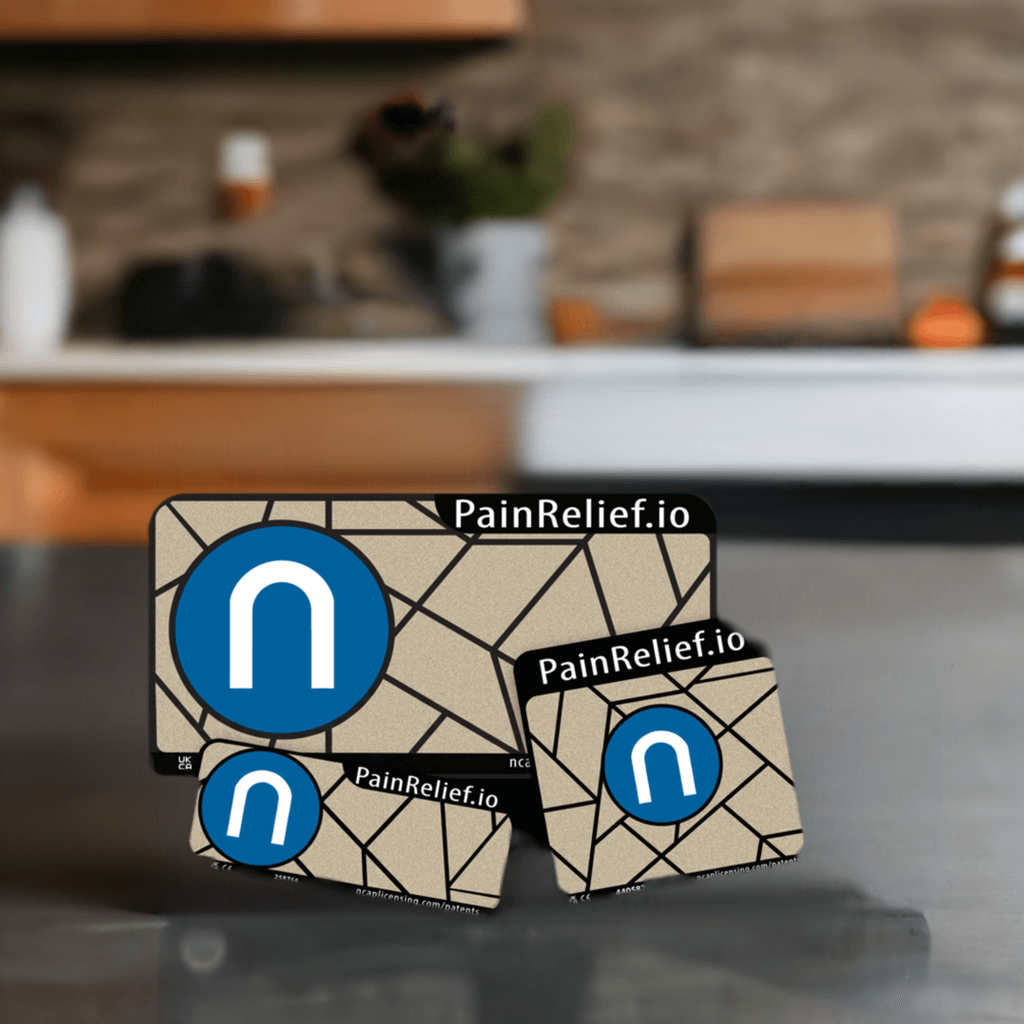
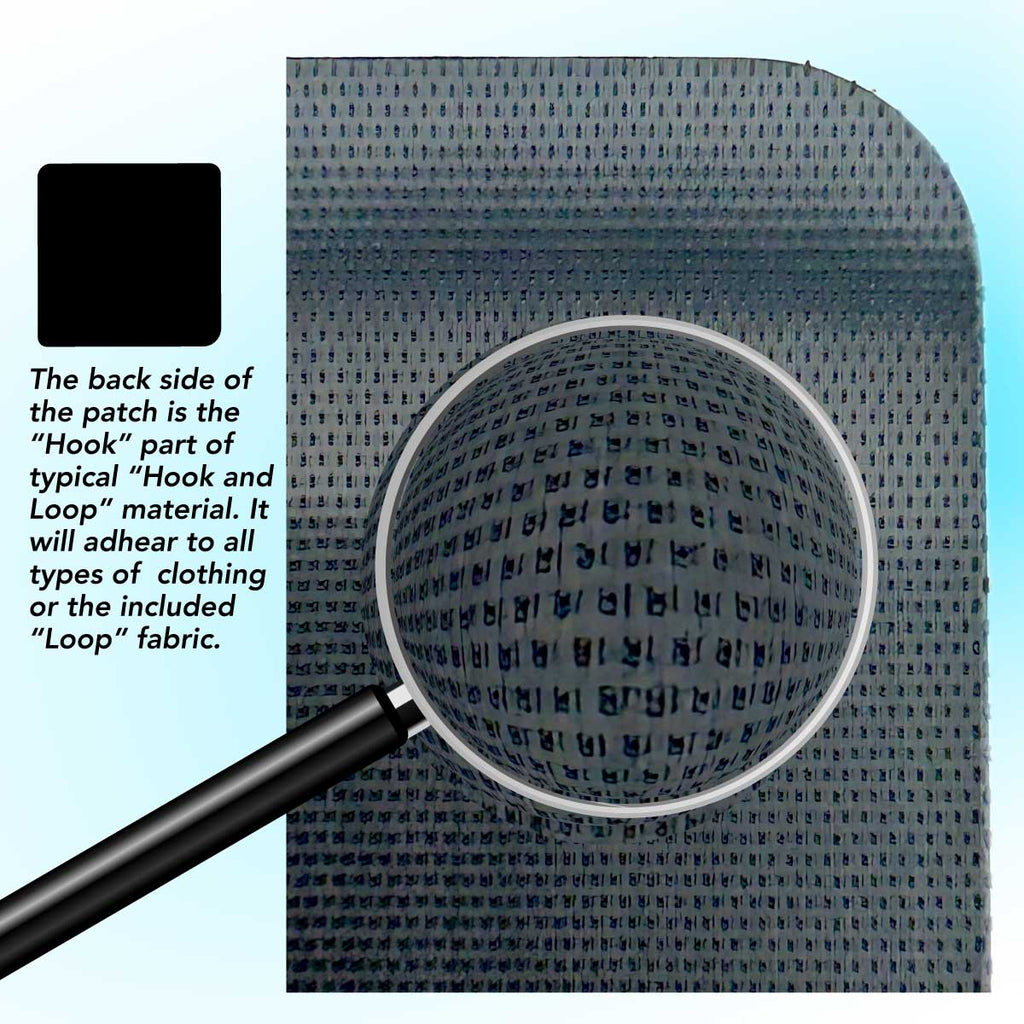
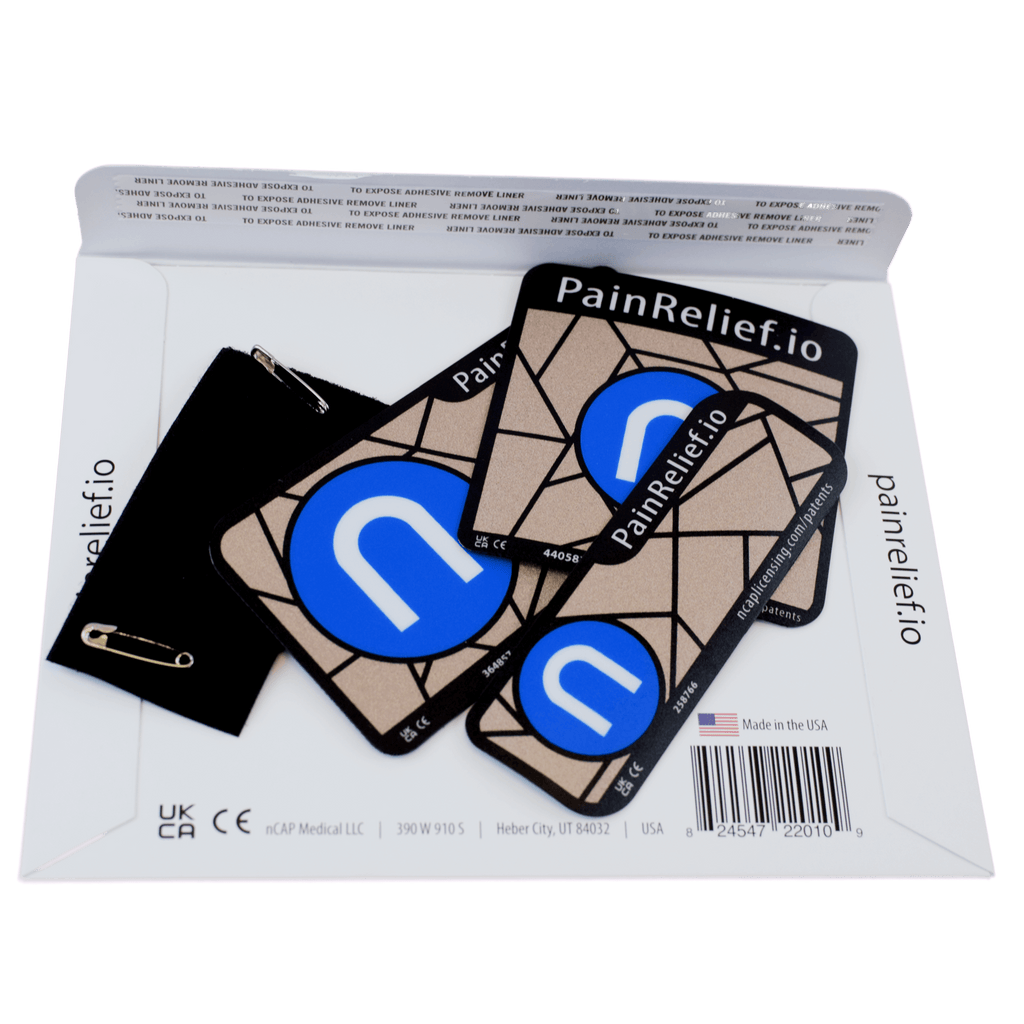
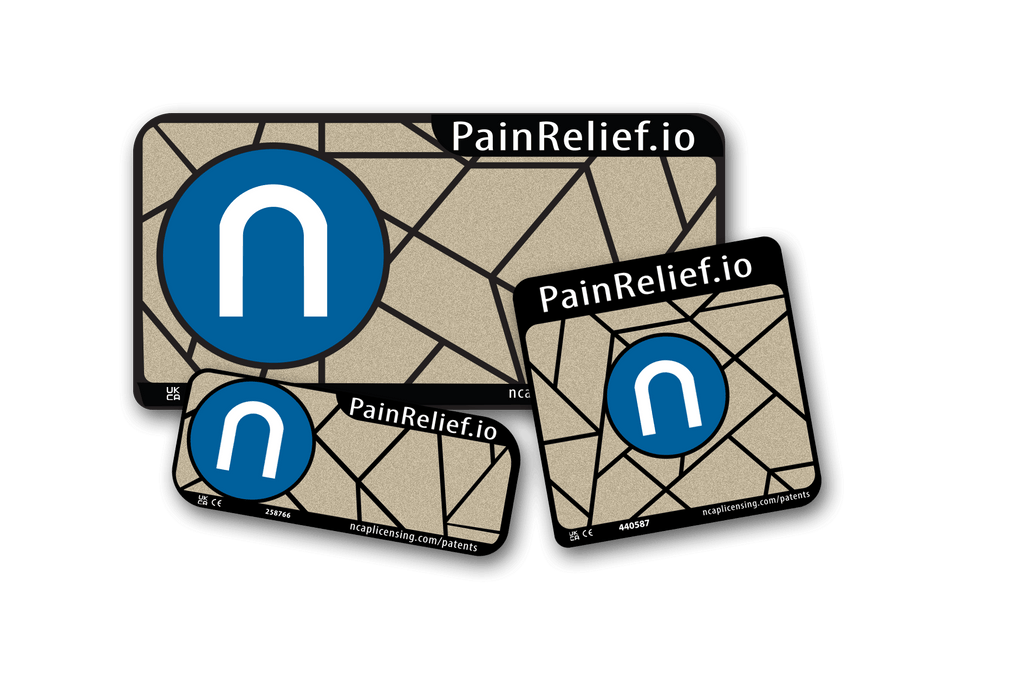
Nanocapacitive wearables take a different approach. Rather than heat, cold, medication, or powered electrical stimulation, they are designed to work with the body's natural bioelectrical environment. PainRelief.io® wearable devices use patented NeuroCuple® nanocapacitive technology in a thin, battery-free, wire-free format that can be reused again and again.
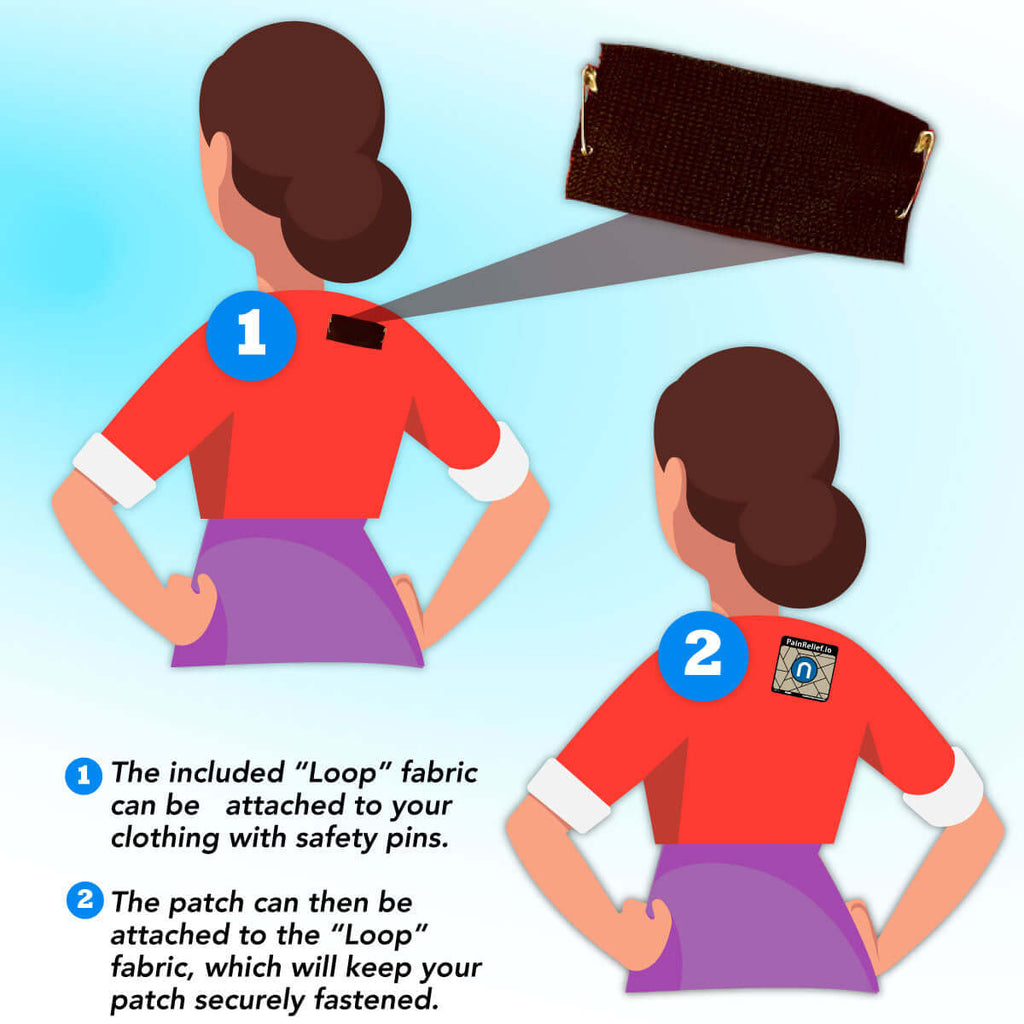
For headache support, placement is usually guided by where tension or discomfort is most noticeable, such as the temples, forehead, jaw area, neck, or upper shoulders. This can be especially practical when head pain seems connected to TMJ tension, tight trapezius muscles, or a stiff neck. The device is lightweight and does not require charging, which makes it easier to use during work, travel, or daily activity.
No wearable can promise the same result for every headache. The value of a reusable nanocapacitive option is its simplicity: no pills to remember, no cords to manage, no heat to replenish, and no single-use materials to throw away after each episode.
Start by paying attention to the pattern, not just the pain level. If your headache feels like a tight band across your forehead after meetings or screen time, tension may be a major factor. A wearable that supports the temples, jaw, neck, or shoulders may make more sense than a device designed only for cold therapy.
If you get migraine symptoms, ask yourself what helps during an attack. If darkness, quiet, and cold are essential, a cooling wrap may deserve a place in your plan. If episodes are frequent and you need an option you can wear while moving through the day, a small, reusable wearable may be easier to keep close.
Comfort is not a minor detail. A solution that feels too tight, needs frequent charging, leaves residue, or is difficult to position is less likely to become part of your routine. Choose a format that matches your most common use case: resting at home, sitting at a desk, commuting, exercising, or traveling.
Headache pain is often felt in one place but influenced by tension somewhere else. Temple discomfort may be connected to jaw clenching. Pain behind the eyes can accompany forehead tension. A headache that starts in the afternoon may trace back to a neck and shoulder position you have held since morning.
For tension-related discomfort, consider the temples and the upper neck or shoulder area. For jaw-related head pain, the muscles near the jaw hinge and along the side of the face may be relevant. Follow the manufacturer's placement guidance, and use a mirror the first few times if that helps you position a wearable consistently.
It can also help to track what happens before your headache starts. Note sleep, water intake, meals, caffeine changes, stress, screen time, exercise, and jaw clenching. A wearable works best as part of a practical strategy, not as permission to ignore the trigger that keeps bringing pain back.
A good headache wearable should be easy to use when you are already uncomfortable. Look at whether it is reusable, how it stays in place, whether it needs batteries or charging, and where it can be worn. If you experience headaches often, long-term usability can matter more than a low upfront price for a disposable product.
Also consider the company's instructions, return policy, and claims. Responsible headache relief products should explain what they are designed to support without suggesting they can diagnose, prevent, or cure every type of headache. A generous trial period can be helpful because recurring pain is personal, and it may take more than one use to decide whether a device fits your routine.
Wearables can be useful for familiar, recurring discomfort, but they are not a substitute for medical evaluation when symptoms are new, severe, or unusual. Seek urgent care for a sudden, explosive headache, a headache after a head injury, or pain paired with confusion, fainting, weakness, numbness, trouble speaking, fever with a stiff neck, or significant vision changes.
You should also talk with a healthcare professional if headaches are becoming more frequent, changing in pattern, waking you from sleep, or causing you to rely on pain medication regularly. Medication-overuse headaches can happen when some pain relievers are used too often, which is one reason a drug-free tool may be worth considering as part of a broader plan.
The most helpful wearable is the one that reduces friction between feeling pain and taking constructive action. Keep it where headaches tend to interrupt you, use it early when appropriate, and give yourself permission to address the neck, jaw, shoulders, and daily habits that may be asking for attention too.