
¡Envío y devoluciones gratis por encima de $100!
When pain keeps showing up in the same place - your lower back after work, your knee after a walk, your jaw when stress builds, your temples before a migraine - most options start to feel repetitive. You can reach for another pill, another cream, another disposable patch, or another heating pad. Patented nanotechnology pain relief stands out because it offers a different path: a drug-free, noninvasive approach designed to work with the body’s own signals rather than cover symptoms for a few hours.
That difference matters most to people who are tired of managing pain in short bursts. If discomfort is part of your week, not just a rare event, convenience, reusability, and consistency start to matter as much as speed. A wearable solution that can be placed where the pain is happening, used again and again, and carried through daily life answers a very different need than something you use once and throw away.
The phrase can sound more complicated than it needs to be. In practical terms, patented nanotechnology pain relief refers to pain relief devices built around a protected technology platform at the nanoscale. That patent matters because it signals originality. It means the design and mechanism are not just generic wellness claims wrapped in new packaging.
In consumer use, the real question is simpler: what does the technology do for the person wearing it? In the case of nanocapacitive pain relief wearables, the goal is not to heat tissue, numb the skin, medicate the bloodstream, or mechanically brace the body. The goal is to interact with the body’s bioelectrical environment in a way that may help calm pain signals.
That distinction is easy to miss, but it changes how people think about use. A cream is applied for topical effect. A pill works systemically. A brace changes support and motion. A nanotechnology wearable is different. It is typically placed directly over or near the problem area so it can target the location where pain is being felt.
Your body runs on electrical activity. Nerves communicate through electrical signals, muscles contract through electrical impulses, and pain itself involves signaling between tissues, nerves, and the brain. That does not mean all pain is the same, but it does mean pain is not purely mechanical. Even when it starts with tension, inflammation, strain, or overuse, the experience of pain depends on signaling.
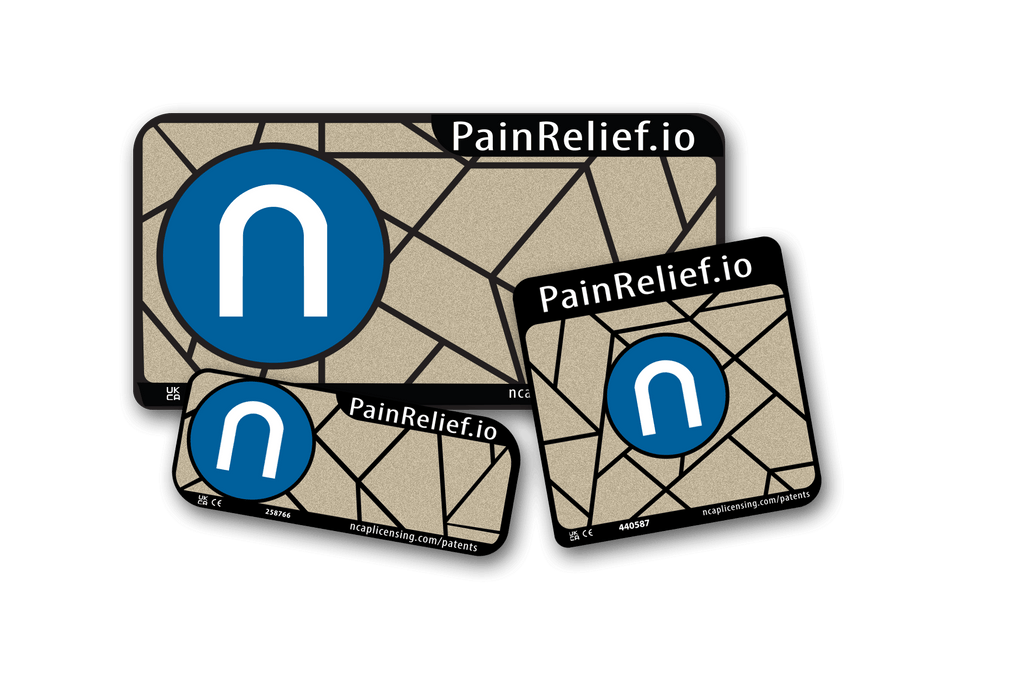
Patented nanotechnology pain relief devices are designed to engage with that signaling environment without drugs, batteries, or wires. In the case of NeuroCuple® nanocapacitive technology, the idea is that the wearable interacts with the body’s electrical field and may help reduce the intensity of pain signals being perceived.
For a consumer, that translates into a few practical benefits. The device can be lightweight, battery-free, and easy to place on a specific area such as the lower back, knee, neck, shoulder, jaw, or temple. It can also be reused over time, which matters if your pain is recurring rather than occasional.
That said, this is not magic, and it is not one-size-fits-all. Pain has different causes. Some people are dealing with overworked muscles. Others have chronic joint discomfort, nerve-related pain, tension headaches, menstrual cramps, or TMJ irritation. A wearable may help some users more than others, and placement can make a meaningful difference in the experience.
A lot of people do not start with wearable technology. They get there after trying the usual route first.
Sometimes the problem is side effects. Some people want to avoid taking medication often, especially for recurring pain. Sometimes the problem is practicality. Creams can be messy, patches run out, and heating pads are hard to use when you need to move around. Sometimes the issue is frustration. If pain keeps returning, temporary relief can start to feel like maintenance rather than progress.
This is where patented nanotechnology pain relief becomes appealing. It fits the growing demand for relief that is noninvasive, portable, and simple enough to use at home, at work, while traveling, or during daily routines. For people trying to reduce dependence on pills or build a more sustainable pain management approach, that flexibility is a big part of the value.
The strongest fit is usually the person who wants targeted, repeatable relief without turning every pain episode into a medication decision.
That can include someone with chronic back pain who needs support through long workdays, a runner managing knee soreness after training, a person who deals with neck and shoulder tension from screen time, or someone looking for menstrual cramp relief that does not rely on monthly medication use. It can also include people with headaches, migraines, TMJ discomfort, and general muscle soreness.
What these use cases have in common is not the same diagnosis. It is the need for a practical tool that can be used where pain happens.
Still, expectations should stay realistic. Severe pain, sudden unexplained pain, or pain tied to an injury that needs medical evaluation is a different category. Wearable wellness tools can support relief, but they are not a replacement for appropriate diagnosis when symptoms point to something more serious.
The easiest way to understand this category is to compare it with what people already know.
Medication can be convenient, but many users do not want to rely on it regularly. Topical products are familiar, though they can wear off quickly and need frequent reapplication. Heat can feel good for tight muscles, but it is not always practical during movement or outside the house. Braces can provide support, but support alone does not always change the pain experience.
Patented nanotechnology pain relief offers a different advantage profile. It is drug-free, generally easy to wear, and designed for repeated use. It can target specific areas without being tethered to a power source. For many people, that makes it less of a treatment event and more of a daily tool.
The trade-off is that it may feel less immediately intuitive than heat or medication. You know what warmth feels like. You know what taking a pill means. Bioelectrical pain relief requires a little more explanation because the mechanism is less visible. That is one reason patent-backed technology and clear education matter in this space.
Not all pain relief wearables are built the same, and this is where many shoppers get stuck. If you are considering patented nanotechnology pain relief, look beyond broad claims and focus on whether the product is actually designed for real-world use.
A useful device should be easy to position over the pain area, light enough to wear consistently, and reusable enough to make sense for recurring discomfort. Body-area sizing also matters more than people expect. A lower-back placement is different from a temple, jaw, or knee placement. Devices that match the shape and scale of the body area tend to make use simpler.
It also helps to look for clarity. You should be able to understand where to place it, what kinds of pain it is designed for, and what kind of trial or guarantee reduces the risk of trying something new. PainRelief.io® has built much of its approach around that practicality, organizing devices by body area and pain type rather than asking shoppers to decode a technical catalog.
The pain relief market is full of products that sound similar at first glance. That is why patents matter. A patented technology tells you there is a specific, protected idea behind the product, not just a trend-driven claim.
For buyers, that does not guarantee a perfect outcome. No pain relief product can promise the same result for every body and every condition. But patents do offer a stronger basis for trust, especially in categories where marketing can move faster than evidence or explanation.
When a brand can point to an inventor-led origin, a defined technology platform, and practical consumer applications across different pain areas, the conversation becomes more grounded. You are not just buying a patch-shaped object. You are choosing a specific pain relief method with a distinct design rationale.
People often focus first on whether a product works. That is fair. But when pain is recurring, the next question is whether the solution fits your life.
Reusable wearables solve a problem many pain sufferers know well: relief tools are often either inconvenient or temporary. If you need something regularly, you want it to be available, simple, and easy to use without much setup. You also want it to support independence. That means no cords, no waiting for a charge, no recurring medication routine, and no pile of used-up products in the trash.
That does not make reusable pain relief right for everyone. Some people want the familiar predictability of heat, medication, or physical support. Others want a broader routine that combines stretching, mobility work, hydration, sleep improvement, and targeted wearable relief. Often, the most practical answer is not either-or. It is building a pain management approach that is realistic enough to keep using.
If your current routine feels like a cycle of short-term fixes, patented nanotechnology pain relief is worth understanding more clearly. The best pain relief tool is often the one you will actually use consistently, in the moments when pain would normally take over your day.
Buscar
Terms of Service
Refund Policy
Contact Us
No vender ni compartir mi información personal
Affiliates: Join or Log In
PATENTS
¡Es fácil de usar! Simplemente coloque el dispositivo encima de su dolor, Between the Pain and the Brain(tm) , y su dolor comenzará a desaparecer en minutos. Todo en un dispositivo portátil, delgado y reutilizable. ¡Sin baterías, sin cables, sin aceites malolientes, sin drogas y es de acción rápida!
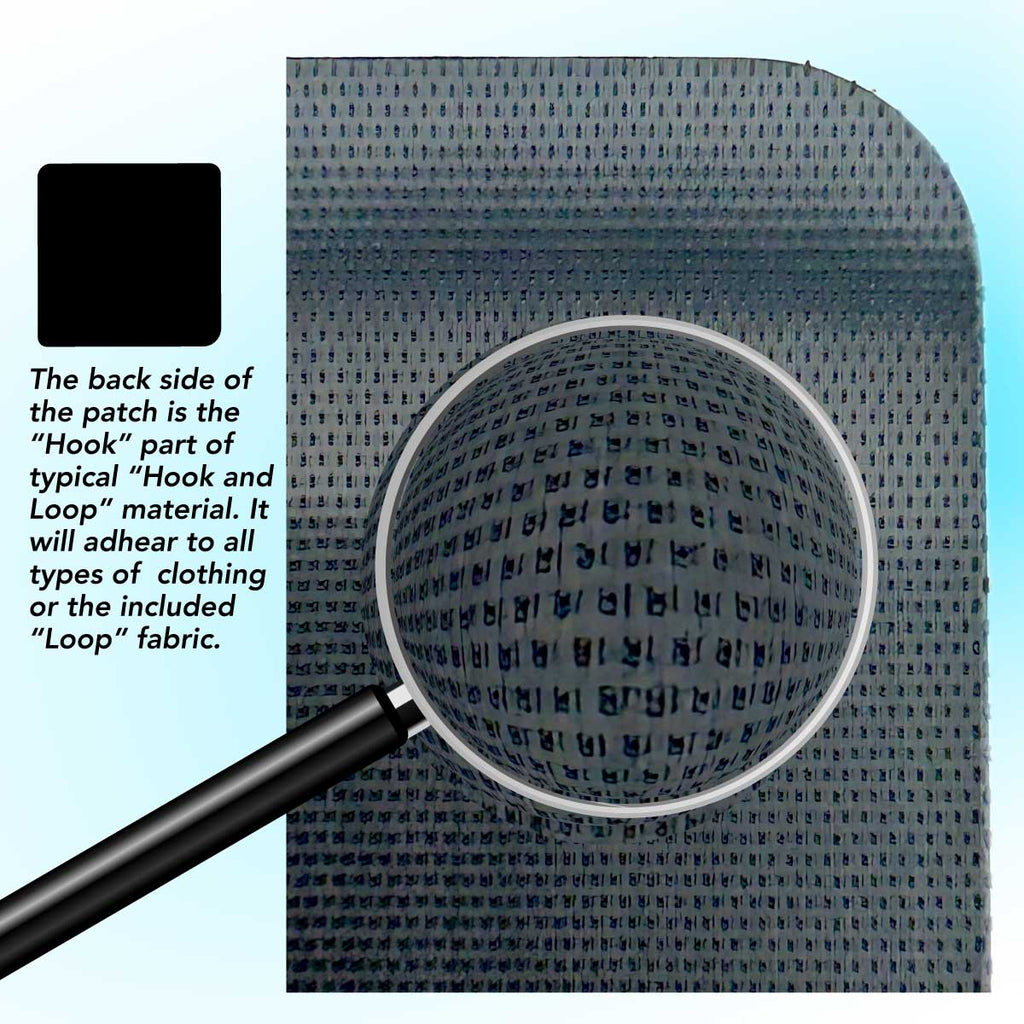
El dispositivo está construido con nuestra capa patentada Neurocuple® sellada entre dos capas impermeables. Una vez colocada en el lugar correcto, la capa Neurocuple® se activa directamente por la energía del propio cuerpo del usuario; después de unos minutos, el usuario siente una sensación de calor, frío u hormigueo a medida que el dolor desaparece.
El dispositivo PainRelief.io® es un producto de bienestar general que ayuda a promover la actividad física para los usuarios con dolor crónico e intermitente, que, como parte de un estilo de vida saludable, puede ayudar a vivir con estas condiciones y puede retrasar la aparición de discapacidades relacionadas.