
Drug-Free • Reusable for Years • 137-Day Money-Back Guarantee
Lower back pain has a way of taking over ordinary moments. You feel it when you stand up from your desk, when you load groceries into the car, or when you try to get comfortable in bed and can’t quite find the right position. That is why so many people start searching for the best reusable patch for lower back pain - not just something that feels good for an hour, but something practical enough to use again and again.
The challenge is that “reusable patch” can mean very different things. Some products rely on heat. Some use compression or adhesive support. Others are designed as wearable wellness devices that interact with the body in a different way. If you are trying to find a real alternative to disposable pain patches, creams, or another round of pills, it helps to know what actually matters before you buy.
For most people, the right choice comes down to four things: comfort, consistency, reusability, and whether it fits your actual pain pattern.
Lower back pain is not one single experience. Sometimes it is muscle fatigue after yard work or a long shift on your feet. Sometimes it is recurring stiffness from hours of sitting. Sometimes it is tied to nerve irritation, chronic tension, or an old injury that flares up without much warning. A reusable patch that works well for one type of discomfort may be less useful for another.
That is why the best reusable option is usually not the one with the loudest claim. It is the one you can realistically wear, place correctly, and return to whenever your back starts to act up.
If a patch is bulky, hard to keep in place, or only useful in one setting, people stop using it. If it depends on single-use ingredients, adhesive that wears out immediately, or constant charging, it often turns into another short-term fix. For recurring lower back pain, long-term usability matters just as much as immediate sensation.
A lot of people begin with what is easy to find. Over-the-counter pain patches, heating pads, topical creams, and oral pain relievers all have a place. But they also come with trade-offs.
Disposable patches can become expensive if you need them often. Topical products can feel messy, have strong odors, or irritate sensitive skin. Heating pads may help you at home but are less practical when you are commuting, working, walking, or traveling. Pills may feel convenient, but many people want to avoid relying on medication day after day.
That is where reusable wearables stand out. A good one is built for repeated use, easy daily placement, and relief that fits into normal life instead of interrupting it.
Not every reusable patch works the same way, and that matters.
Heat-based reusable patches or wraps can be helpful when your back feels tight, stiff, or overworked. The downside is that heat is situational. It can be soothing at home, but it is not always ideal when you need something lightweight and wearable throughout the day.
Compression-style wraps can provide support and a feeling of stability. That can be useful if movement aggravates your back. Still, compression is not the same as pain relief, and some people find back supports too bulky under clothing.
Then there are reusable wearable pain relief patches designed to be light, flexible, and easy to place directly over the area of discomfort. These tend to appeal to people who want a drug-free option without batteries, cords, gels, or ongoing disposable costs.
This category is often the most practical if your goal is everyday use. Instead of creating a temporary warming or cooling sensation, these patches are made to work with the body’s own bioelectrical environment. That difference is important for shoppers who are not just looking for distraction, but for a reusable solution they can keep coming back to.
The first question is simple: can you actually wear it where your pain is?
Lower back pain often spreads across a wider area than people expect. Some feel it on one side near the hip. Others feel it close to the spine or across the beltline. A patch that is too small may miss the most sensitive area. One that is too rigid may lift, pull, or feel awkward during movement. Flexible sizing and placement options make a real difference.
The second question is whether the patch supports repeated use without becoming inconvenient. If you have to fuss with it every time, recharge it constantly, or replace parts too often, it stops feeling like a simple solution.
The third question is comfort during normal life. The best reusable patch for lower back pain should not force you to choose between relief and mobility. It should fit under clothing, stay lightweight, and work whether you are sitting, standing, or moving around.
The fourth question is whether the product is actually aligned with your goals. If you want a drug-free alternative, then a reusable wearable designed for long-term use makes more sense than a disposable patch cycle. If you want something for a one-off sore muscle after a workout, a simpler short-term option may be enough. It depends on whether your pain is occasional or recurring.
For ongoing lower back discomfort, the strongest reusable options usually share a few traits. They are lightweight, easy to position, and designed to be used repeatedly without the mess or waste of single-use products. They also avoid adding unnecessary friction to your day.
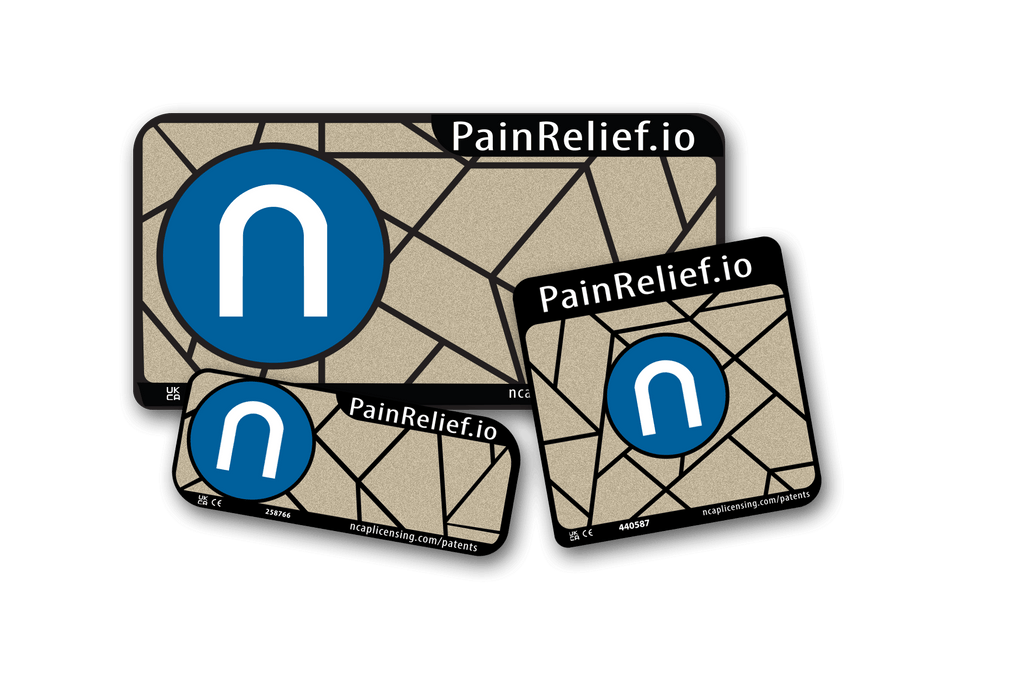
This is where patented wearable technology can separate itself from generic alternatives. A well-designed reusable patch should feel simple on the outside while being more sophisticated in how it works. PainRelief.io® approaches this with patented NeuroCuple® nanocapacitive technology, created for people who want a battery-free, wire-free, drug-free option they can use again and again.
That matters because lower back pain is rarely convenient. You may need support at work, while driving, after exercise, or during the evening when your back finally starts complaining. A reusable patch only becomes valuable if it fits those real-life moments.
If your back pain tends to return throughout the week, the best reusable patch for lower back pain is usually one that balances targeted placement with long-term practicality.
That means a wearable patch that lies flat, feels light, and can be used regularly without requiring medication, heat, or messy topical ingredients. It also means choosing a format sized for the lower back rather than a one-size-fits-all product that was not really designed for that area.
People with recurring pain often underestimate how much placement affects results. If the discomfort sits low near the waistband, a patch needs to stay put as you bend and sit. If the pain is broader, larger coverage may make more sense than a narrow strip. In other words, the “best” patch is not only about the technology. It is also about how well the shape and placement match your body.
There is no honest way to talk about lower back pain without acknowledging the trade-offs. A reusable patch can be a strong part of your relief strategy, but it is not a substitute for addressing bigger causes when those are present.
If your pain is tied to poor lifting habits, prolonged sitting, weak core support, or a mattress that leaves your back angry every morning, a wearable patch may help you function better, but it will not magically fix every contributor. The same goes for severe or persistent pain that needs medical evaluation.
That does not make a reusable patch less useful. It means the smartest shoppers look for a product that helps them manage day-to-day discomfort while they also pay attention to movement, posture, workload, and recovery.
If you are comparing options, look past flashy claims and ask a few grounded questions. Is it truly reusable? Is it comfortable enough for regular wear? Does it fit the lower back well? Does it offer a drug-free alternative if that matters to you? And does it feel realistic for your daily routine rather than idealized marketing?
A good lower back patch should reduce friction, not add it. It should be simple to use, easy to keep on hand, and dependable enough that you reach for it before your pain starts dictating your day.
When people look for relief, they are often not asking for perfection. They want something they can trust, something that does not turn into another temporary purchase, and something that helps them feel a little more in control of their body again. That is a reasonable standard, and a reusable patch that truly fits your life can meet it.
Search
Terms of Service
Refund Policy
Contact Us
Protect my personal information
Affiliates: Join or Log In
PATENTS
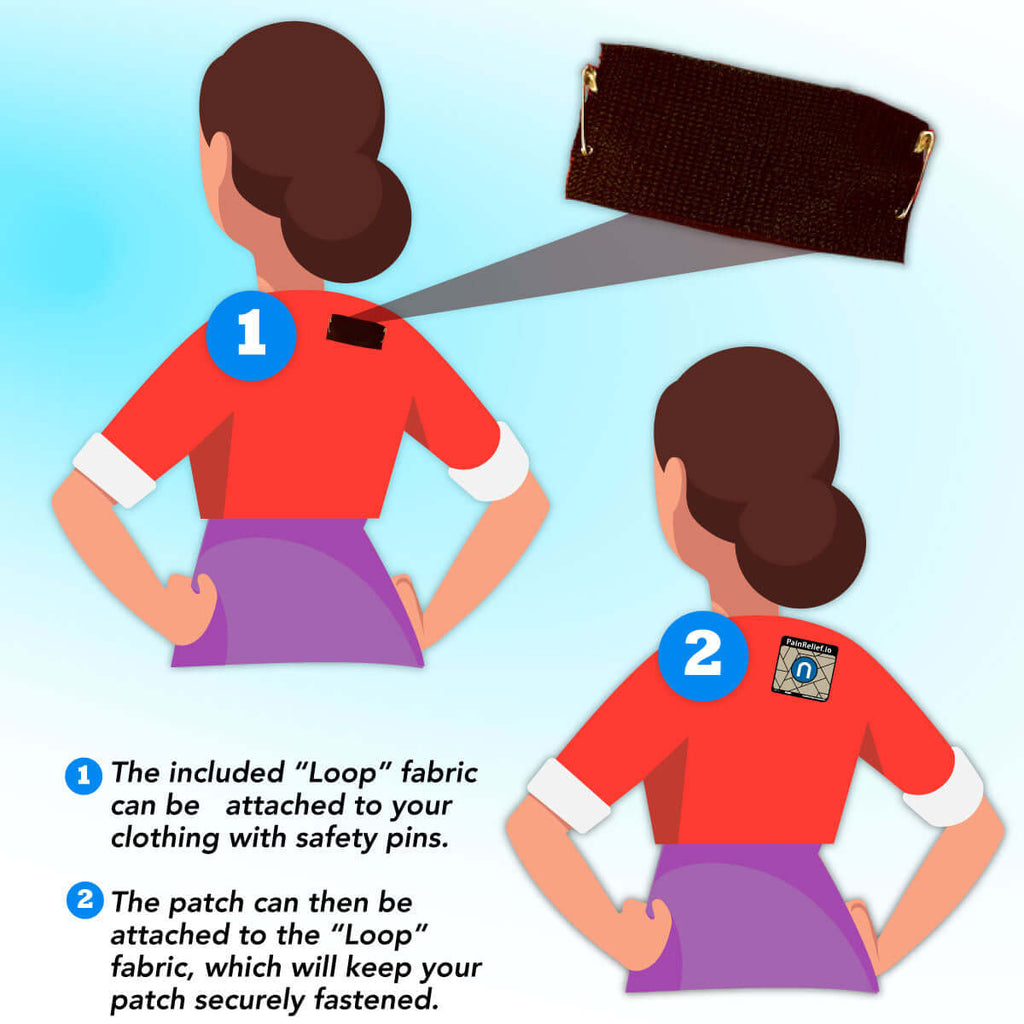
PainRelief.io® devices are designed to be simple to use. Just place the device near the area of discomfort and adjust as needed to find the position that feels most effective.
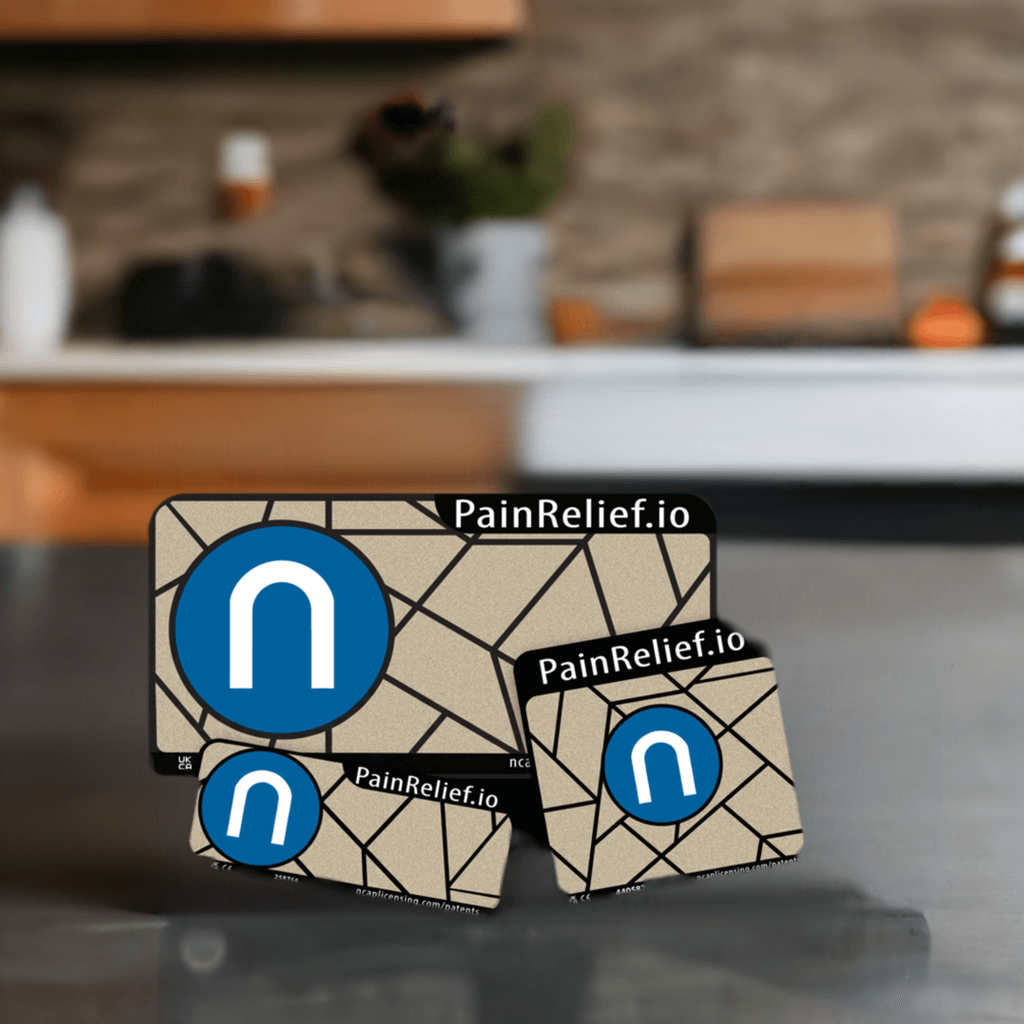
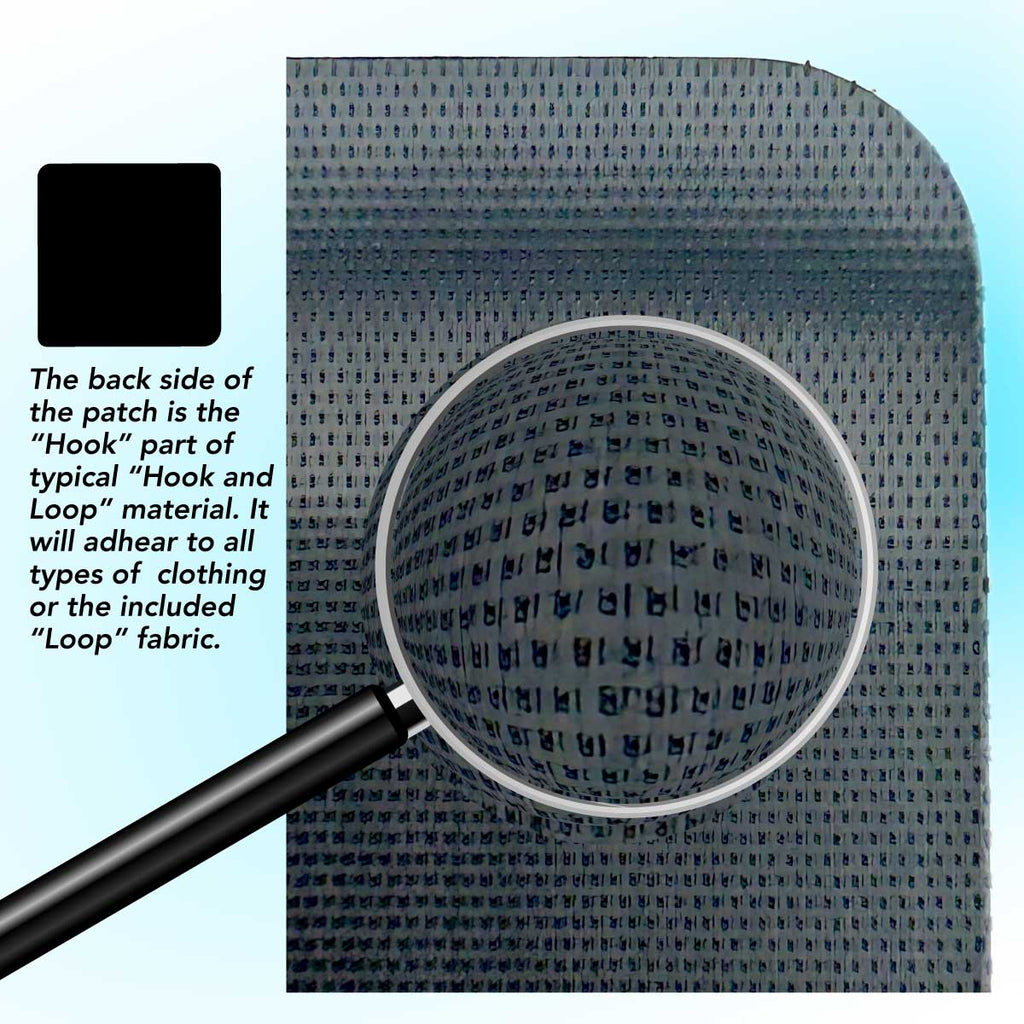
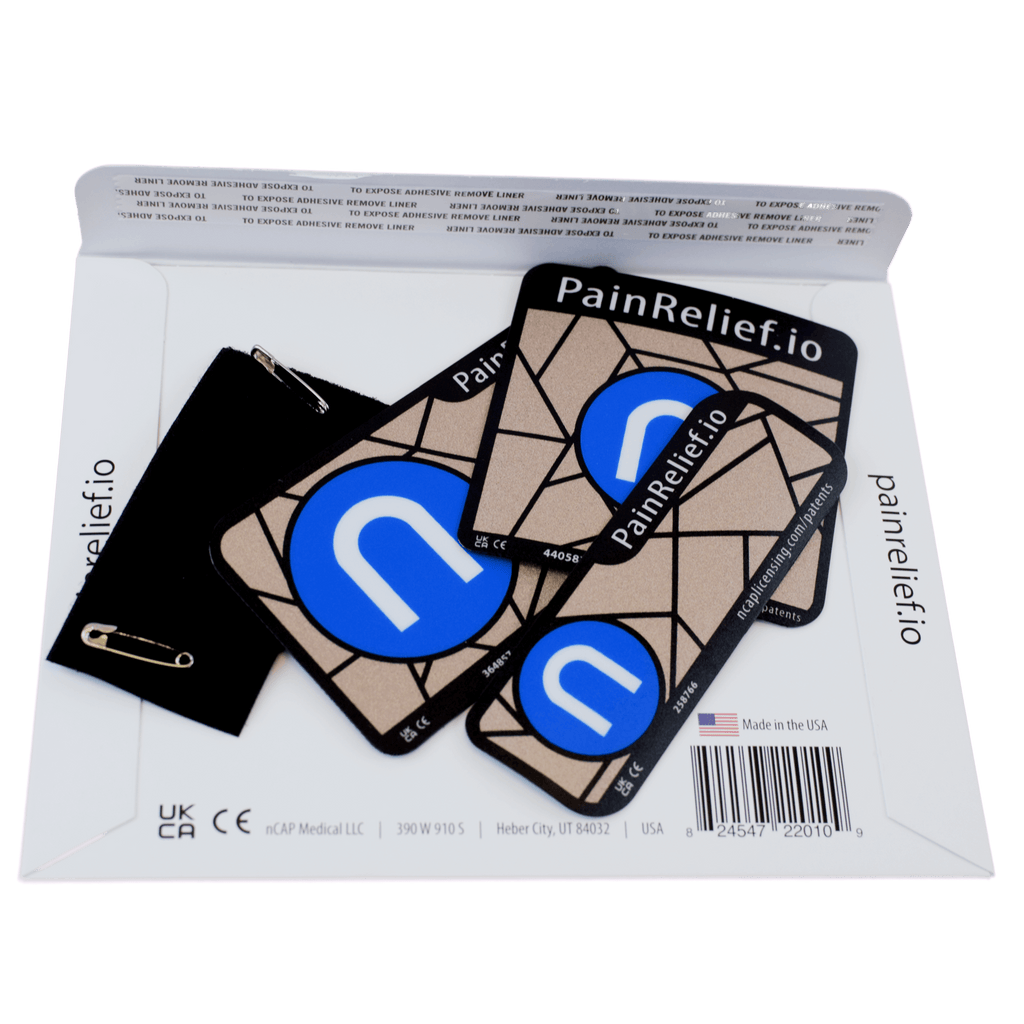
Each device is thin, reusable, wearable, and easy to use — with no batteries, no wires, no creams, and no drugs.
Inside each device is our patented NeuroCuple® layer, sealed between two durable waterproof layers. This technology is designed to work with your body’s natural bioelectrical environment in a simple, non-invasive way.
Some users report sensations such as warmth, cooling, or tingling during use, while others feel little or nothing at all.
PainRelief.io® devices are intended as general wellness products designed to support comfort, physical activity, and everyday function.