
¡Envío y devoluciones gratis por encima de $100!
You can feel the difference before you understand it. One option sticks to the skin and is meant to be simple. The other uses electrodes, wires, and electrical stimulation. When people compare pain patch vs TENS, they are usually asking a practical question: what is more likely to help my pain, fit my routine, and feel worth using more than once?
That question matters because pain relief is not just about intensity. It is also about convenience, repeat use, skin comfort, portability, and whether a solution works for the kind of pain you actually have. A product that helps in theory but sits in a drawer is not much help in real life.
A pain patch is usually designed to sit directly over the painful area and deliver relief without active electrical current from a powered device. Depending on the type, that may mean topical ingredients, heat, cooling, or a drug-free wearable material intended to interact with the body in another way. The experience is usually passive. You apply it and go about your day.
A TENS unit, short for transcutaneous electrical nerve stimulation, works differently. It sends low-voltage electrical impulses through electrode pads placed on the skin. Those pulses are intended to stimulate nerves and may change how pain signals are perceived. TENS is more active by design. You typically adjust settings, intensity, and pad placement to get the effect you want.
Neither category is automatically better. The real answer depends on what kind of pain you have, how sensitive you are to stimulation or adhesives, and whether you want a disposable fix or something you can keep using long term.
Pain patches appeal to people who want relief with very little effort. Most are lightweight, discreet under clothes, and easy to use at work, while traveling, or during sleep. If your pain tends to flare during normal daily activities, that simplicity is a real advantage.
But the phrase pain patch covers very different products. Some rely on ingredients such as menthol or lidocaine. Others are heated. Some are made for one-time or short-term use, while others are reusable and drug-free. That means performance can vary a lot.
Topical or medicated patches may give temporary relief, but they can also wear off, irritate the skin, or create a cycle of repeated buying and repeated use. Heat patches can feel soothing for muscle tightness, yet they are not ideal for every situation, especially if you do not want constant warmth or need something you can use again and again.
For people trying to avoid medication, a reusable drug-free patch-style option often stands out because it keeps the familiar convenience of a patch without depending on pills, creams, or active electronics.
TENS has been around for years and many users like it because it gives a noticeable sensation. You can feel the pulses, increase or decrease the intensity, and target a specific area with electrode placement. For some people, that immediate sensory feedback creates confidence that something is happening.
The trade-off is usability. TENS units are not always ideal when you need to move around freely, wear them discreetly, or use them without interruption. There are usually multiple parts to manage, including the device itself and the electrode pads. Pads also lose stickiness over time and need replacement.
Some people enjoy the sensation of TENS. Others find it distracting, uncomfortable, or simply inconvenient for longer wear. If your skin is sensitive, repeated pad placement can also become frustrating.
TENS can be useful for short sessions at home, especially when you have time to sit down and adjust settings. It is often less appealing when you want all-day simplicity or relief that does not involve charging, wires, or pulse intensity control.
This is where pain patch vs TENS stops being a general comparison and becomes personal.
For muscle soreness, tight shoulders, lower back tension, and overuse discomfort, both may help depending on the product and the person. TENS may appeal if you like an active sensation and use it during dedicated relief sessions. A patch may make more sense if you need to keep moving through your day.
For recurring pain, such as knee discomfort, neck pain, menstrual cramps, TMJ symptoms, or ongoing joint irritation, convenience becomes a bigger factor. Relief tools only work when people actually use them consistently. That is one reason many chronic pain sufferers move away from solutions that feel complicated, disposable, or difficult to wear regularly.
For headaches or migraines, the answer is more cautious. Some people prefer not to use electrical stimulation near the head or face, while others may not tolerate strong scents or ingredients from traditional patches. Placement and comfort matter more here than broad claims.
For nerve-related discomfort, results can be especially individual. Some users respond well to stimulation-based approaches. Others want a noninvasive option that does not add tingling on top of existing sensitivity.
In other words, the best fit depends on both the pain and your tolerance for the relief method itself.
This is one of the most overlooked parts of the decision.
A low-cost disposable patch can look affordable at first, but repeated purchases add up fast if your pain is chronic or frequently recurring. Medicated or single-use options are often built around replacement.
A TENS unit may seem like a one-time purchase, but there are still accessories, replacement pads, battery charging or power management, and the time cost of setting it up. That does not mean TENS is a poor value. It means the true cost is not just the device price.
Reusable drug-free wearable patches occupy a middle ground that many people find appealing. They aim to reduce ongoing cost, remove the need for drugs or messy topicals, and simplify repeat use. That matters if pain is part of your week, not just an occasional event.
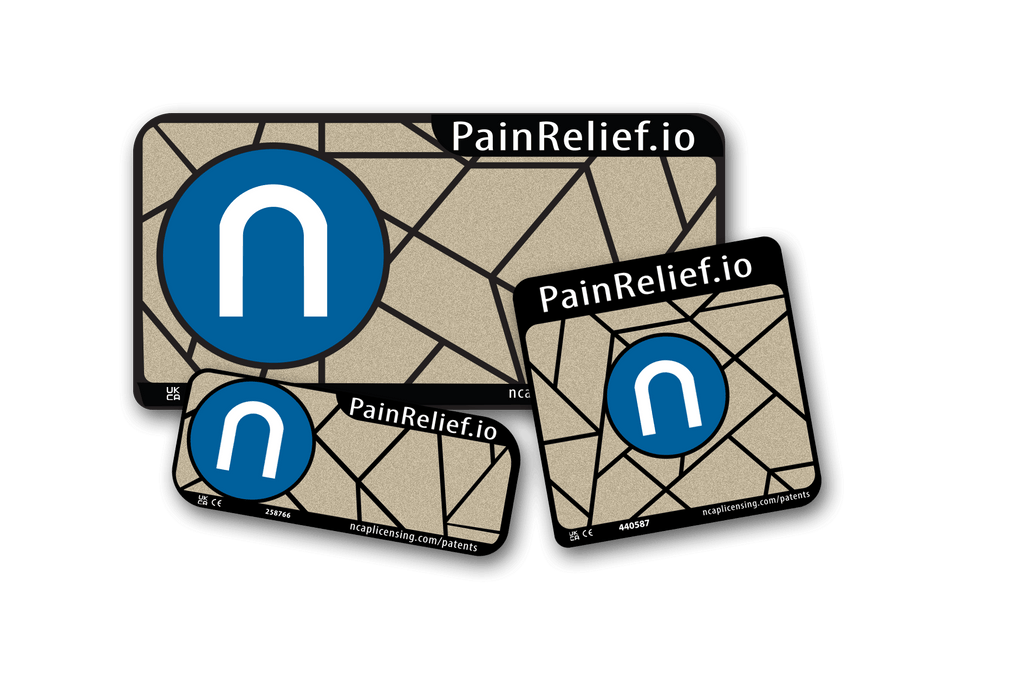
PainRelief.io® was built around that idea - a reusable, battery-free, wire-free option that people can apply by body area and use again and again without building a routine around pills, creams, or electronic sessions.
People often shop for pain relief as if the only question is whether something works. In reality, comfort and convenience shape whether you keep using it long enough to matter.
If a TENS unit helps but you dislike the pulsing sensation, the setup, or the visibility of the device, you may reserve it for rare moments. If a patch irritates your skin or loses effectiveness quickly, you may stop trusting it.
The most useful solution is often the one that fits naturally into your life. That could mean wearing it under clothing while working, using it during a commute, applying it before bed, or keeping it handy for predictable flare-ups like cramps or post-workout soreness. A product does not need to be dramatic to be effective. It needs to be usable.
A patch-style option often makes more sense when you want relief that is simple, portable, and easy to repeat. It can be a strong fit if you do not want electrical stimulation, need something discreet, or are trying to reduce dependence on medication and disposable products.
This is especially true for people dealing with pain in everyday scenarios: back pain at work, knee pain during walking, neck tension from desk time, jaw discomfort, or monthly cramps. In those cases, the easier the relief is to apply, the more likely it becomes part of a sustainable routine.
TENS may be the better fit if you specifically like the sensation of stimulation, want adjustable intensity, and do not mind using a device in dedicated sessions. Some users appreciate being able to experiment with pulse patterns and electrode placement.
If you already know your body responds well to that type of stimulation, TENS can remain a useful tool. It is just not the most convenient answer for everyone.
People often ask which option is stronger, but stronger is not always better. Some pain responds best to a gentle, wearable approach you can use often. Some people want noticeable stimulation. Others want relief that fades into the background so they can focus on living normally.
A smarter question is this: which option are you actually willing to use consistently, comfortably, and without adding more friction to your day?
That is usually where the decision becomes clear. If you want a hands-off, drug-free, easy-to-wear option, a pain patch may be the better path. If you want active electrical stimulation and more control over settings, TENS may suit you better.
The goal is not to win a category debate. It is to find a form of relief that feels realistic for your life, because the best pain relief tool is the one you will still be using when pain shows up again.
Buscar
Terms of Service
Refund Policy
Contact Us
No vender ni compartir mi información personal
Affiliates: Join or Log In
PATENTS
¡Es fácil de usar! Simplemente coloque el dispositivo encima de su dolor, Between the Pain and the Brain(tm) , y su dolor comenzará a desaparecer en minutos. Todo en un dispositivo portátil, delgado y reutilizable. ¡Sin baterías, sin cables, sin aceites malolientes, sin drogas y es de acción rápida!
El dispositivo está construido con nuestra capa patentada Neurocuple® sellada entre dos capas impermeables. Una vez colocada en el lugar correcto, la capa Neurocuple® se activa directamente por la energía del propio cuerpo del usuario; después de unos minutos, el usuario siente una sensación de calor, frío u hormigueo a medida que el dolor desaparece.
El dispositivo PainRelief.io® es un producto de bienestar general que ayuda a promover la actividad física para los usuarios con dolor crónico e intermitente, que, como parte de un estilo de vida saludable, puede ayudar a vivir con estas condiciones y puede retrasar la aparición de discapacidades relacionadas.