
¡Envío y devoluciones gratis por encima de $100!
That stiff, heavy feeling the day after a workout, a long shift, yard work, or even a bad night of sleep can make simple things feel harder than they should. If you are wondering how to relieve soreness without medication, the good news is that soreness often responds well to a few practical, drug-free strategies that support the body instead of masking the problem.
Soreness is not always a sign that something is wrong. In many cases, it is the body reacting to strain, overuse, tension, or unfamiliar movement. Muscles can feel tight, tender, or fatigued when tissues are stressed and the surrounding nerves stay irritated. The goal is not just to get through the day. It is to calm the area, improve mobility, and avoid making the soreness stick around longer than it needs to.
The most effective approach usually starts with a simple question: what kind of soreness are you dealing with? Post-workout muscle soreness behaves differently than soreness from sitting too long, repetitive work, poor posture, or chronic tension in the neck, back, or jaw. The right response depends on the cause.
If the soreness came on after exercise or physical work, gentle movement often helps more than total rest. That may sound backward when your body feels beat up, but light walking, easy stretching, or slow range-of-motion work can increase circulation and reduce that locked-up feeling. Staying completely still for too long can make stiffness worse.
If the soreness is linked to tension, posture, or repetitive stress, changing the position of the body matters just as much as treating the sore area itself. A tight neck may be connected to hours at a screen. Achy low back muscles may be reacting to prolonged sitting or awkward lifting. In those cases, relief comes from reducing the ongoing trigger while calming the soreness.
For most everyday soreness, movement is one of the fastest ways to feel more normal again. The key is to keep it gentle. You are not trying to train through pain. You are trying to signal to the body that it is safe to move.
A short walk, light cycling, slow shoulder rolls, hip circles, or easy bodyweight mobility work can all help. The intensity should stay low enough that the soreness does not spike during or after. If an activity makes the area feel sharper, weaker, or unstable, back off.
This is where people often get stuck. They either push too hard because they want quick relief, or they avoid movement entirely because they assume soreness means damage. Usually, neither extreme works well. Controlled movement tends to be the middle ground that helps the body recover without adding more stress.
Heat can be helpful when soreness comes with tightness, stiffness, or muscle guarding. A warm shower, heating pad, or warm compress may relax the area enough to improve comfort and make movement easier. Heat tends to work best when the problem feels dull, tense, or stubborn.
Cold can make more sense when the area feels hot, irritated, or inflamed after a hard workout, minor strain, or overuse. An ice pack for short periods may reduce that angry, throbbing sensation. Some people respond better to one than the other, and sometimes alternating them works well too.
There is no universal winner here. If heat makes you feel looser and more mobile, use it. If cold settles things down, that is your better option. Relief is often personal.
Soreness tends to linger when recovery is neglected. That is why the basics matter more than people expect.
Hydration is one of them. Muscles and connective tissues do not function as well when you are underhydrated, and even mild dehydration can make soreness feel worse. Drinking water throughout the day will not magically erase muscle pain, but it can support normal recovery and reduce that dried-out, crampy feeling.
Sleep matters just as much. A body that is short on rest has a harder time settling irritated tissues and regulating pain signals. If soreness keeps repeating, look at recovery habits before assuming you need something stronger. Many people are trying to fix a sleep and stress problem with a temporary pain solution.
Nutrition can play a role too. Regular meals with enough protein support muscle repair, and consistent eating helps after strenuous activity. This does not need to be complicated. Under-fueling, overtraining, and poor sleep often travel together.
Hands-on methods can also help, especially when soreness comes with muscle tightness. Light massage, foam rolling, or massage tools may reduce tension and improve comfort. The mistake is going too aggressive. If you are grimacing through it, you may be irritating the area rather than helping it settle.
Compression can be useful when soreness is paired with fatigue or a sense of heaviness, particularly in the legs or around a joint. Some people like sleeves or wraps for support during activity or recovery. Others find that too much pressure feels restrictive. Again, it depends on the body area and the source of soreness.
When soreness shows up often, convenience starts to matter. You may not want to rely on heat packs, creams, or over-the-counter pain relievers every time your back tightens up, your shoulders lock down, or your knees feel overworked.
This is where wearable, drug-free pain relief options can make sense. Instead of taking something system-wide, a wearable solution lets you target the area directly. That is especially useful for soreness that comes from repeat strain, daily work, exercise, long hours standing, or chronic muscle tension.
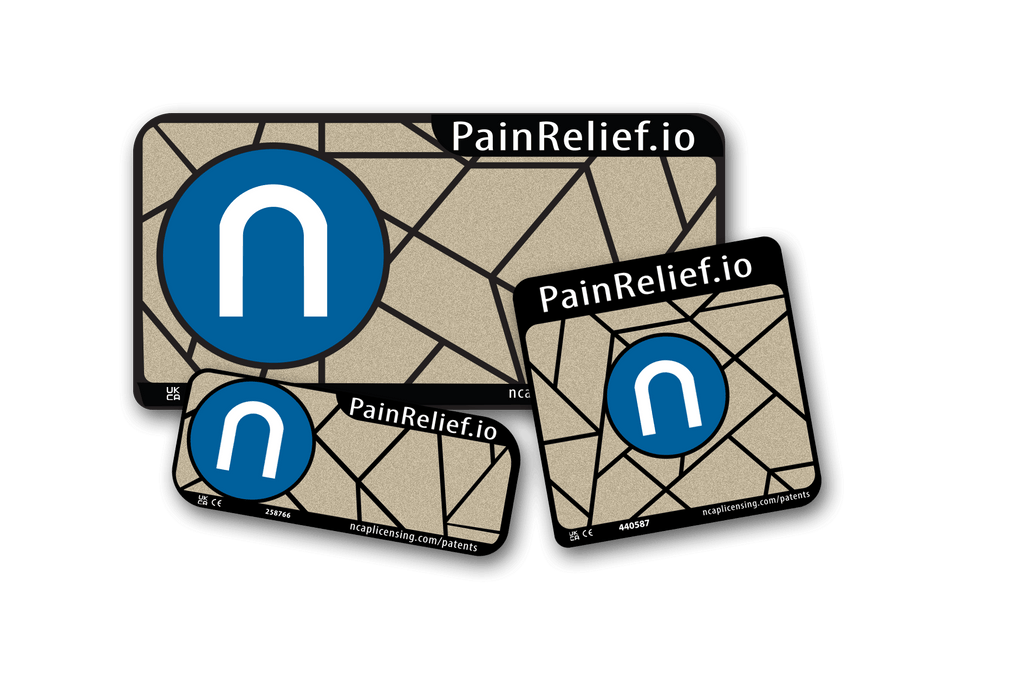
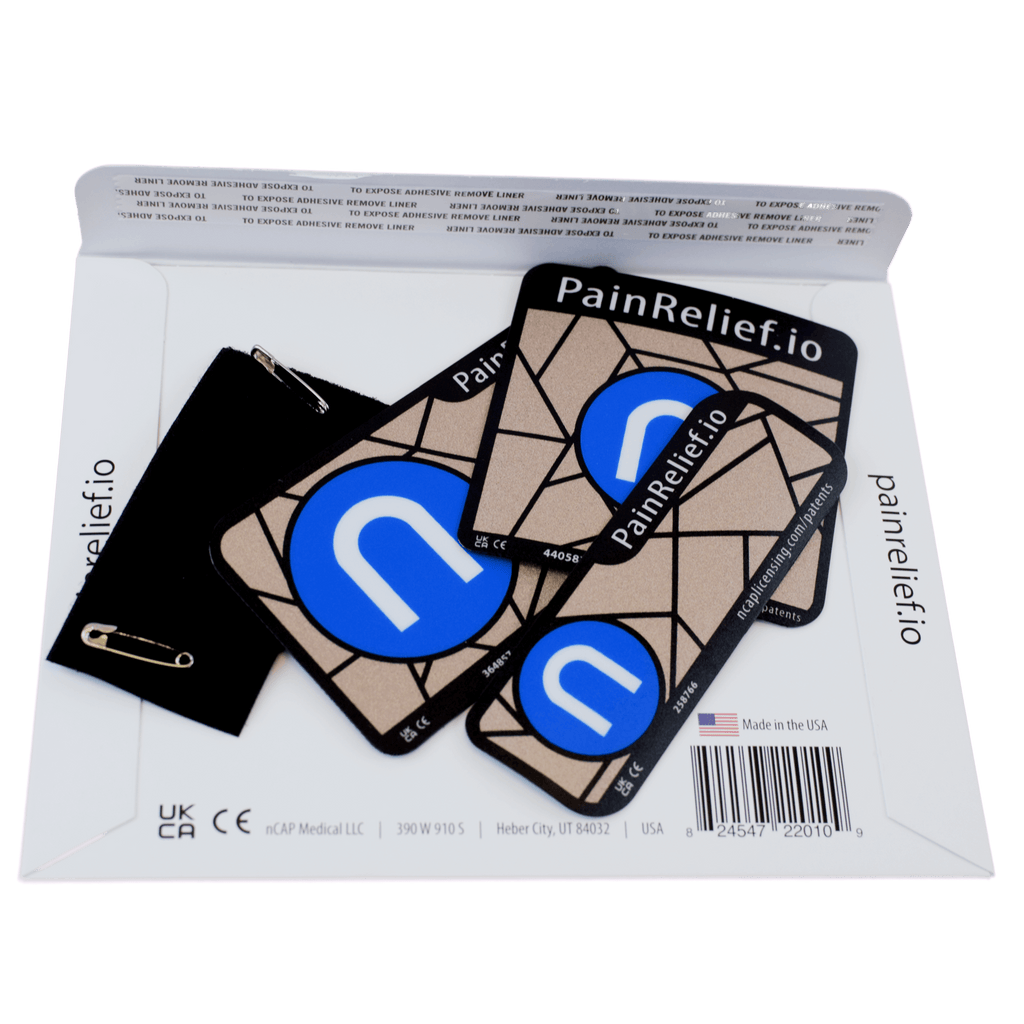
PainRelief.io® offers reusable wearable relief devices designed to support drug-free pain relief without batteries, wires, or medication. The practical advantage is simple: you can place relief where you need it, wear it through normal activity, and use it again and again. For people who are tired of temporary options that get thrown away or reapplied constantly, that kind of repeat usability matters.
What makes wearable relief appealing is not just comfort. It is control. If soreness returns in the same spots, whether that is the low back, neck, shoulder, jaw, or knee, having a noninvasive option ready to use can be a more sustainable approach than reaching for pills every time.
Most everyday soreness improves with time, movement, and recovery support. But not all soreness is simple muscle fatigue.
If the pain is sharp instead of sore, if there is major swelling, bruising, numbness, weakness, or reduced ability to bear weight, it may be more than routine soreness. The same is true if pain keeps worsening instead of gradually easing, or if it lasts much longer than expected after activity. Those are signs to stop guessing and get it checked.
There is also a difference between occasional soreness and persistent pain that keeps cycling back. If your neck is sore every afternoon, your lower back tightens every morning, or your jaw aches every time stress spikes, the issue may be less about recovery and more about repeated irritation. In that situation, relief works best when you address both the symptom and the pattern causing it.
Preventing soreness is rarely about doing one big thing right. It is usually about doing a few small things consistently.
Warm up before intense activity, especially if you have been sedentary all day. Change positions often if your work keeps you at a desk or on your feet. Build recovery into your routine instead of treating it like an afterthought. If certain muscles always get overloaded, strengthen the surrounding areas and pay attention to mechanics.
Just as important, do not ignore early tension. Soreness is easier to calm when it starts than when it has built for days. A short walk, a stretch break, a warm shower, or a wearable drug-free relief option used early may keep a manageable issue from becoming a bigger one.
If you want to know how to relieve soreness without medication, think less about one miracle fix and more about reducing stress on the body while supporting recovery. Gentle movement, heat or cold, hydration, sleep, and targeted wearable relief can work together. You do not need to choose between doing nothing and taking something.
The best approach is usually the one you can actually use consistently, especially when soreness is part of real life and not a one-time event. Relief should fit your day, support your body, and help you keep moving forward with a little more comfort and a little more control.
Buscar
Terms of Service
Refund Policy
Contact Us
No vender ni compartir mi información personal
Affiliates: Join or Log In
PATENTS
¡Es fácil de usar! Simplemente coloque el dispositivo encima de su dolor, Between the Pain and the Brain(tm) , y su dolor comenzará a desaparecer en minutos. Todo en un dispositivo portátil, delgado y reutilizable. ¡Sin baterías, sin cables, sin aceites malolientes, sin drogas y es de acción rápida!
El dispositivo está construido con nuestra capa patentada Neurocuple® sellada entre dos capas impermeables. Una vez colocada en el lugar correcto, la capa Neurocuple® se activa directamente por la energía del propio cuerpo del usuario; después de unos minutos, el usuario siente una sensación de calor, frío u hormigueo a medida que el dolor desaparece.
El dispositivo PainRelief.io® es un producto de bienestar general que ayuda a promover la actividad física para los usuarios con dolor crónico e intermitente, que, como parte de un estilo de vida saludable, puede ayudar a vivir con estas condiciones y puede retrasar la aparición de discapacidades relacionadas.