
¡Envío y devoluciones gratis por encima de $100!
Pain rarely shows up at a convenient time. It flares during a workday, tightens up after a workout, settles into your lower back on a long drive, or turns a normal night into a restless one. That is exactly why a wearable pain relief device has become such a practical option for people who want support they can actually use in real life, not just in theory.
For many adults, the appeal is simple. You want relief without building your routine around pills, messy creams, cords, charging cycles, or single-use patches that end up in the trash. You want something easy to place, easy to wear, and reusable enough to earn its spot in the drawer, gym bag, or nightstand. A good device should meet you where the pain is and fit into your day without adding more friction.
A wearable pain relief device is a noninvasive product designed to be placed on or near an area of discomfort so you can move through daily life while using it. The category includes several types of technology, and that distinction matters more than most shoppers realize.
Some devices rely on electrical stimulation and require power, settings, adhesive pads, or regular charging. Others use heat or vibration. Then there are battery-free options designed to interact with the body's bioelectrical environment without wires or ongoing maintenance. If you have ever searched this category and felt like every product sounds similar, this is usually where the confusion starts. They may all be wearable, but they do not all work the same way or ask the same things from the user.
That difference affects comfort, convenience, and whether you will actually keep using the product after the first week. A device that sounds advanced on paper can still be a poor fit if it is bulky, hard to place, or annoying to maintain.
The strongest case for wearability is not just that it is drug-free. It is that it is usable. When discomfort is recurring, convenience stops being a bonus and becomes part of whether a solution works at all.
Pain support tends to break down when it interrupts the rest of your life. Creams can be messy. Oral pain relievers may not be the route you want to rely on every day. Disposable patches can become expensive over time. A wearable option can make more sense because it stays close to the problem area while you work, rest, commute, or recover.
That does not mean every wearable product is automatically better. It depends on your pain pattern, your tolerance for setup, and whether you need occasional support or something you can reach for again and again. For people managing back pain, joint irritation, headaches, TMJ discomfort, overuse strain, or menstrual pain, repeat use is often the real test.
The best wearable products are built around real body areas and real routines. That sounds obvious, but it is where many products miss the mark. Pain is local, and placement matters.
A device that works well for the lower back may not be ideal for a smaller joint or the side of the head. A larger format can provide broader area coverage, while a smaller one may be better when the pain is concentrated in a tighter spot. This is why body-area-specific sizing makes such a difference. It reduces guesswork and helps users match the device to the kind of discomfort they are trying to address.
It also makes the experience more approachable. Most people do not want to become experts in pain tech just to get started. They want to know which option makes sense for the neck, knee, shoulder, jaw, abdomen, or lumbar area, and they want placement to feel straightforward.
That practical design choice is one reason invention-led brands have pushed the category forward. Instead of asking customers to decode a generic gadget, they build around the way pain shows up on the body.
If you are comparing options, start with the daily experience rather than the marketing headline. The first question is whether the device is truly easy to live with. Battery-free and wire-free products have a real advantage here because they remove one of the biggest reasons people stop using wearable tools in the first place.
The second question is whether the device is reusable. That matters for both value and consistency. A product that can be used again and again for years is very different from something designed to be thrown away after a handful of uses. If pain tends to come back, long-term usability is not a minor feature. It is central to the purchase.
The third question is whether the technology has a credible foundation. Patent-backed products and inventor-led development can offer a stronger signal than vague wellness language. That does not mean every patented product is right for every person, but it does mean the product story is anchored in something more specific than trend-driven packaging.
Comfort matters too. If a device is stiff, distracting, or difficult to position, even effective support can end up sitting unused. Wearability should feel like freedom, not another task.
This category works best when it respects a basic truth: a runner with knee soreness is not shopping like someone with TMJ discomfort, and neither person is shopping like someone trying to manage menstrual pain or recurring headaches.
That is why use-case-specific options matter. The more clearly a brand maps its products to pain type and body area, the easier it becomes to choose with confidence. It reduces the trial-and-error feeling that often keeps people stuck between doing nothing and buying the wrong thing.
There is also a psychological benefit. When pain is already draining your energy, you should not have to spend an hour comparing technical specs that do not answer the real question, which is, "Will this fit where I need it, and can I use it without hassle?"
A smart product lineup answers that directly.
People who tend to get the most value from a wearable device are usually dealing with recurring or situational discomfort rather than a one-time issue that disappears completely. That includes office workers with neck and back tension, active adults managing overuse soreness, people recovering from minor strains, and anyone trying to reduce how often they reach for medication.
It is also a strong fit for people who want support without feeling tethered to equipment. If you are more likely to use something because it is simple, portable, and ready when you are, wearability is not just a feature. It is the whole point.
That said, expectations should stay grounded. Pain is personal, and response can vary. Some users want all-day support. Others want something they can wear during flare-ups, long drives, workouts, work shifts, or sleep. The right product is the one that fits your habits closely enough that you will actually use it when discomfort starts to interfere.
There is a tendency in wellness to assume more complexity means more innovation. In practice, the opposite is often true. The products people trust most are often the ones that remove barriers.
A reusable, drug-free device with no batteries and no wires solves several common objections at once. It is easy to store. Easy to bring along. Easy to use again tomorrow. That simplicity is not a downgrade from innovation. When the underlying technology is original and protected by patents, simplicity becomes a sign of strong design, not limited capability.
This is where brands like PainRelief.io stand out. The focus is not on making pain support look futuristic. It is on making it practical, credible, and repeatable for everyday people who need relief to fit real schedules and real body areas.
Instead of asking which wearable pain product has the biggest claim, ask which one makes sense for your life. Can you wear it where your discomfort actually shows up? Will you still want to use it a month from now? Does it offer a reusable alternative to the cycle of creams, pills, and disposable products?
Those questions tend to lead to better decisions than hype does. A well-designed wearable pain relief device should not ask for much from you. It should be easy to place, comfortable enough to keep on, and built to support the way people really manage pain - one flare-up, one workday, one workout, one restless night at a time.
If you are looking for relief that feels less like a routine and more like a practical tool, start there. The best solution is usually the one you can count on without having to think twice.
Buscar
Terms of Service
Refund Policy
Contact Us
No vender ni compartir mi información personal
Affiliates: Join or Log In
PATENTS
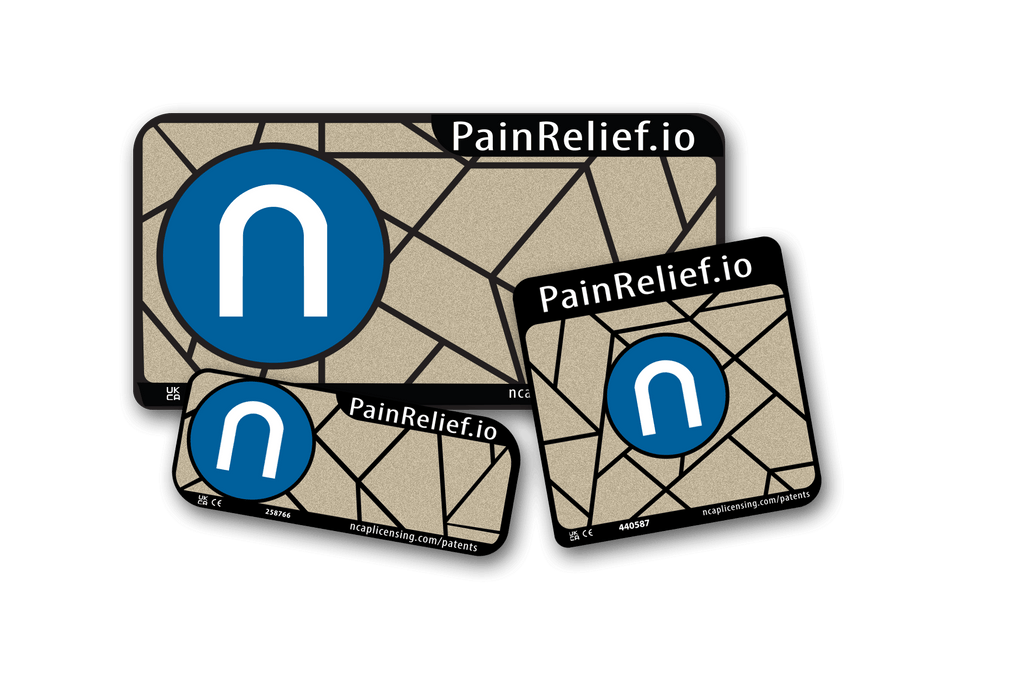
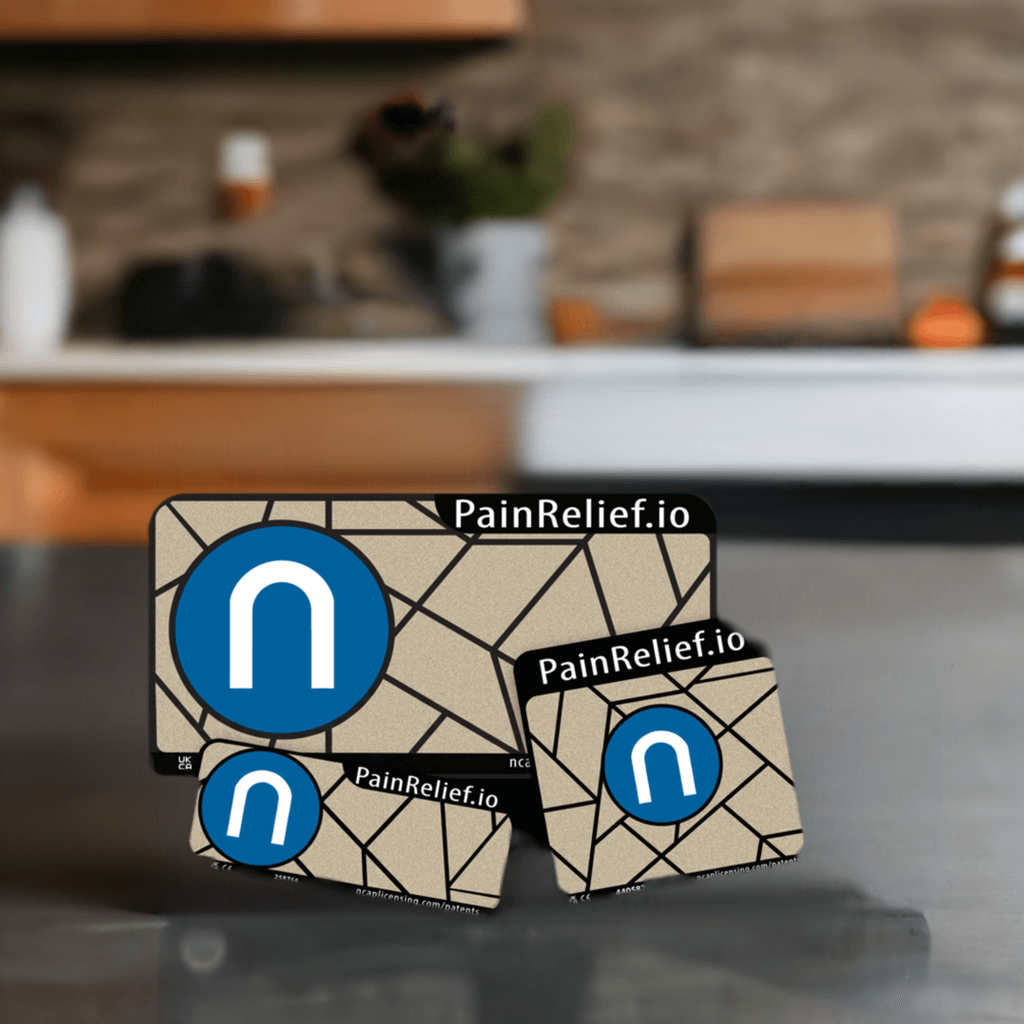
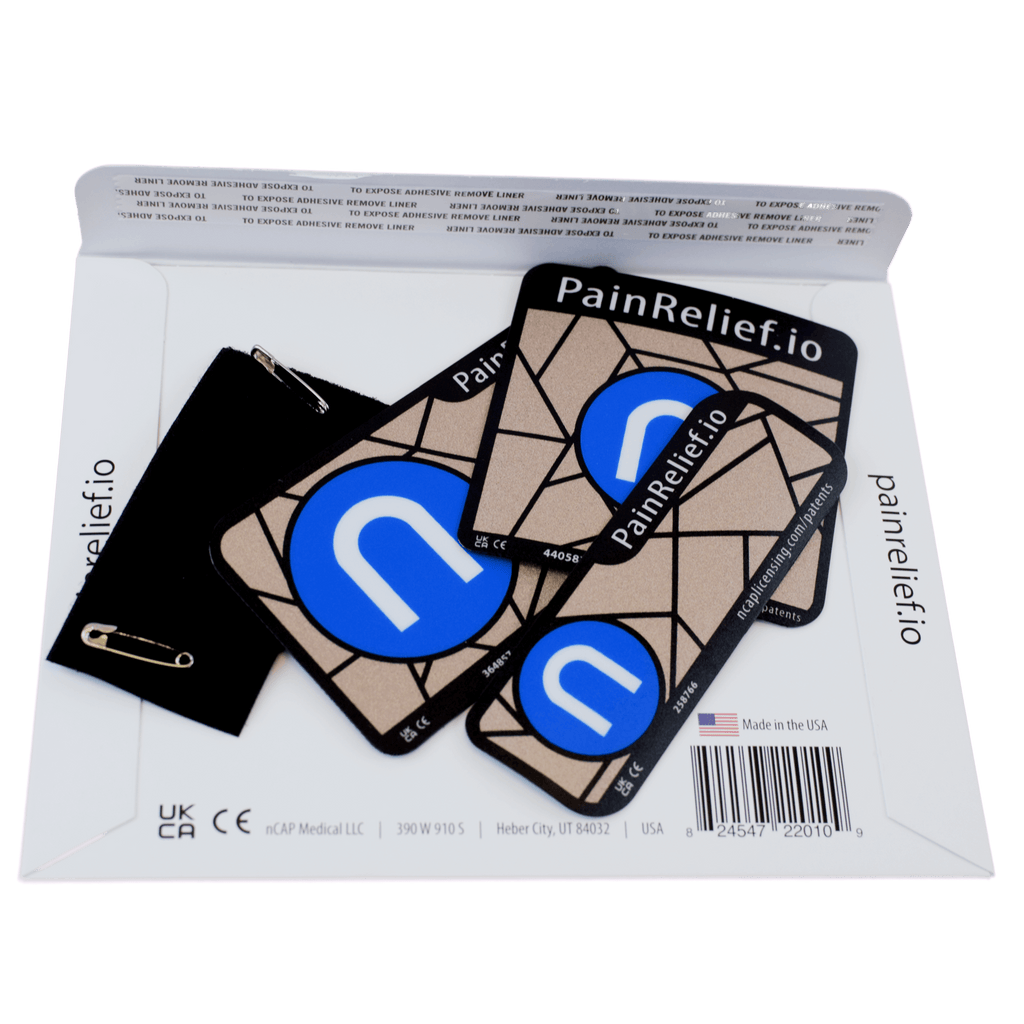
¡Es fácil de usar! Simplemente coloque el dispositivo encima de su dolor, Between the Pain and the Brain(tm) , y su dolor comenzará a desaparecer en minutos. Todo en un dispositivo portátil, delgado y reutilizable. ¡Sin baterías, sin cables, sin aceites malolientes, sin drogas y es de acción rápida!
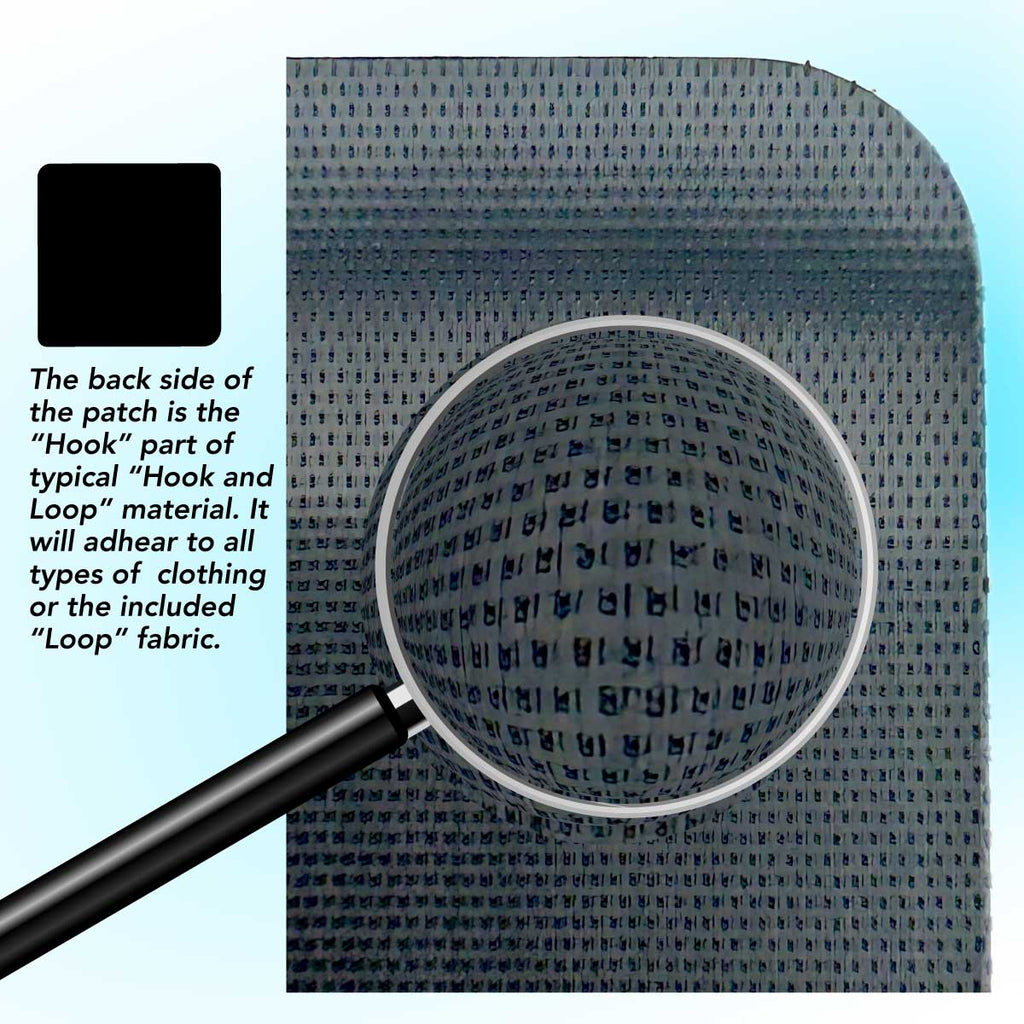
El dispositivo está construido con nuestra capa patentada Neurocuple® sellada entre dos capas impermeables. Una vez colocada en el lugar correcto, la capa Neurocuple® se activa directamente por la energía del propio cuerpo del usuario; después de unos minutos, el usuario siente una sensación de calor, frío u hormigueo a medida que el dolor desaparece.
El dispositivo PainRelief.io® es un producto de bienestar general que ayuda a promover la actividad física para los usuarios con dolor crónico e intermitente, que, como parte de un estilo de vida saludable, puede ayudar a vivir con estas condiciones y puede retrasar la aparición de discapacidades relacionadas.