
¡Envío y devoluciones gratis por encima de $100!
Pain has a way of shrinking your day. A stiff neck changes how you sit at your desk. Knee soreness makes you think twice about stairs. Head pressure, jaw tension, or lower back pain can turn ordinary tasks into something you have to work around. This guide to everyday pain management is built for that reality - the kind of pain that may not send you to the ER, but still affects how you move, work, sleep, and feel.
Everyday pain management is not about pretending pain is minor. It is about having practical ways to respond early, reduce flare-ups, and stay functional without relying on a cycle of short-term fixes. For many people, that means looking beyond pills, messy creams, or bulky gear that only works in limited situations.
The most effective approach is usually not one single trick. It is a repeatable system that fits your actual life. You need options you can use at home, at work, while traveling, or during a busy week when pain does not politely wait for a perfect recovery routine.
That matters because pain is not always caused by one dramatic event. It often builds from posture, repetitive motion, stress, poor sleep, overuse, old injuries, or inflammation that keeps returning. If your routine only addresses pain once it becomes intense, you are often already behind it.
A lot of recurring pain feels mysterious when it is actually patterned. The same shoulder tightness shows up after long hours at a laptop. The same knee pain returns after workouts. The same menstrual cramps arrive every month. The same headache hits after a stressful day with too little water and too much screen time.
Pain can also become self-reinforcing. When something hurts, you move differently. When you move differently, other muscles and joints compensate. That compensation can create more tension, stiffness, or irritation. Add stress and poor sleep, and the body has a harder time settling down.
This is one reason drug-free strategies matter. Medication can play a role for some people, but many are looking for options they can use more often, with fewer trade-offs, and without feeling like relief only comes from taking something every few hours.
The goal is not to chase perfection. The goal is to make pain easier to interrupt.
Start by identifying your pattern. Where is the pain? When does it show up? What tends to make it worse? What helps, even a little? A person with lower back pain after sitting all day needs a different strategy than someone dealing with TMJ tension or menstrual cramps. Pain management gets easier when it becomes specific.
Next, focus on timing. Early intervention usually works better than waiting until discomfort spikes. If your neck always tightens by midafternoon, address it before it becomes a full evening headache. If your knees ache after activity, support them right after the trigger instead of waiting until bedtime.
Then look at the tools you are using. Some solutions are fine for occasional use but hard to sustain. Heat can feel great, but it is not always practical when you need to move around. Creams can be messy and wear off. Pain patches are disposable. Braces can feel bulky. Over-the-counter medication may help in the moment, but many people want to reduce how often they depend on it.
This is where reusable, wearable, drug-free relief can make a meaningful difference. A lightweight option that does not require batteries, wires, or medication fits real life better than something complicated or single-use. If a pain relief method is easy to place on the lower back, knee, shoulder, jaw, or temples and easy to use again and again, people are simply more likely to keep using it.
Movement is one of the most misunderstood parts of pain care. Rest has its place, especially after strain or overuse, but complete stillness can make some types of pain feel worse. Gentle movement often helps keep joints from stiffening and muscles from tightening further. That does not mean pushing through sharp pain. It means choosing the level of movement your body can tolerate and repeating it consistently.
Your environment matters too. Desk height, chair support, sleep position, shoe choice, and how often you stay in one position all influence recurring pain. Small changes are not glamorous, but they can reduce the daily inputs that keep aggravating the same area.
Stress deserves more attention than it usually gets. When stress builds, muscles often tighten without you realizing it. Jaw clenching, raised shoulders, shallow breathing, and tension headaches are common examples. If your pain flares during high-stress periods, that is not in your head. It is a real physical pattern.
Sleep is another force multiplier. Poor sleep can lower your tolerance for discomfort and make recovery slower. Pain can disrupt sleep, and poor sleep can worsen pain, which creates a frustrating loop. Even modest improvements in sleep habits can help reduce the intensity of recurring symptoms.
Not every pain relief tool works the same way, and that is where trade-offs matter.
Heat can be comforting for muscle tightness and stiffness, but it is less practical when you need relief while walking around or working. Cold can help after a flare-up or overuse, but some people find it too intense or too temporary. Massage can help, but it is not always convenient or affordable for repeated use. Stretching can help when tightness is part of the problem, but overstretching an irritated area can backfire.
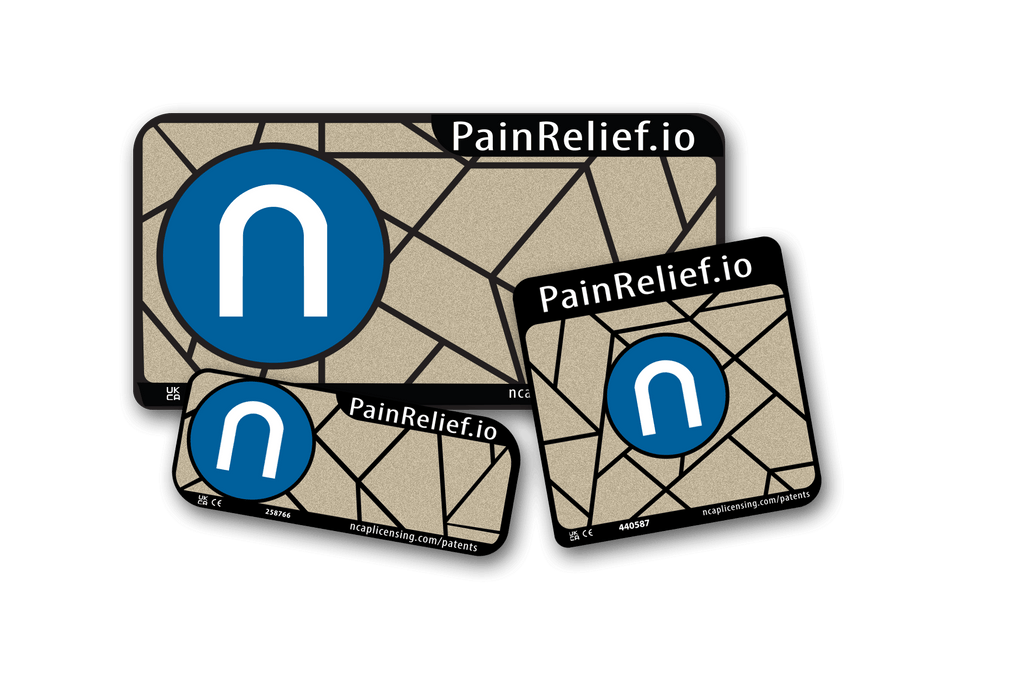
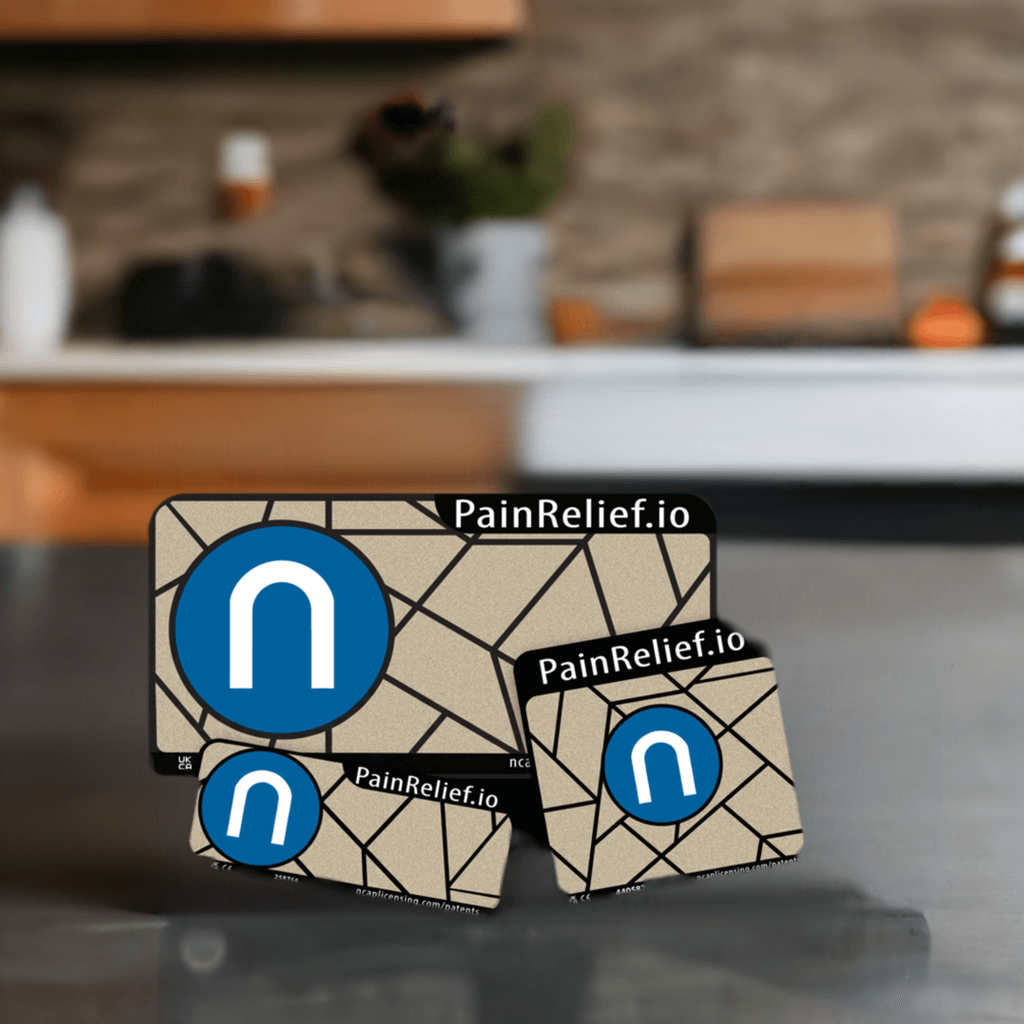
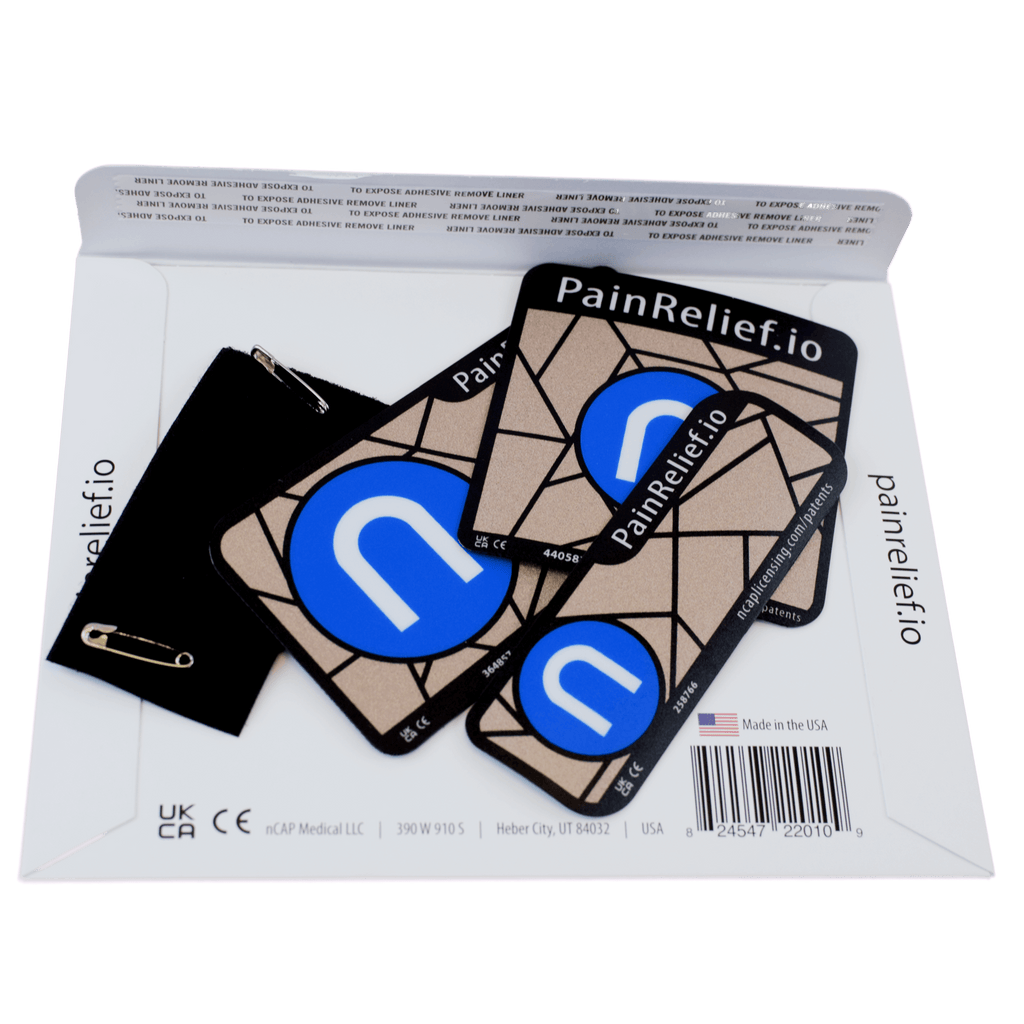
Wearable pain relief technology offers a different kind of option - one designed to fit into daily life rather than interrupt it. PainRelief.io® focuses on reusable, noninvasive devices built for targeted placement on specific areas of the body. That body-area approach matters because lower back pain, temple pain, and knee pain do not need the same shape, fit, or placement strategy.
For people trying to reduce reliance on medication, a reusable wearable can fill a gap that many common solutions leave open. It can be used while working, moving, resting, or traveling, and it does not create the same mess, waste, or recurring repurchase cycle as creams and disposable patches.
Back pain often responds best when you combine support with movement. If you sit for long stretches, pain relief may work better when paired with frequent position changes and short walking breaks. If your pain is aggravated by lifting or overuse, relief may depend on both reducing strain and supporting the irritated area early.
Joint pain, including knee pain, can be more sensitive to load and repetition. In these cases, the right strategy is often consistency rather than intensity. A practical relief tool you will actually use after workouts, during errands, or on days with more walking can matter more than an elaborate plan you never stick with.
Headaches, migraines, jaw tension, and TMJ discomfort often have overlapping triggers like stress, screen time, clenching, and poor sleep. The best routine here is usually a combination of trigger awareness and fast access to relief when symptoms begin. Waiting too long can make these issues harder to calm down.
Menstrual pain is another area where reusability matters. Because cramps are recurring, many people want a solution they can count on month after month without automatically reaching for pills or disposable products. Comfort, simplicity, and repeat use are not small details here - they are the whole point.
A guide to everyday pain management should also be honest about limits. Not every pain issue should be handled at home indefinitely. If pain is severe, sudden, worsening, tied to a clear injury, or comes with numbness, weakness, fever, chest symptoms, or major swelling, medical evaluation matters.
The same goes for pain that consistently disrupts sleep, work, or normal function without improving. Drug-free strategies can be extremely helpful, but they are not a reason to ignore warning signs.
The best pain management routine is the one you can repeat on an ordinary Tuesday. It fits your workday, your budget, your pain pattern, and your preference for noninvasive relief. It does not ask you to overhaul your entire life. It gives you ways to respond sooner, recover faster, and feel more in control.
If pain has become something you plan your day around, start smaller than you think. Notice the pattern. Choose one or two practical changes. Use relief earlier. Make reusability and convenience part of the decision, not an afterthought. When a solution is simple enough to use again and again, it has a better chance of becoming part of real relief.
Buscar
Terms of Service
Refund Policy
Contact Us
No vender ni compartir mi información personal
Affiliates: Join or Log In
PATENTS
¡Es fácil de usar! Simplemente coloque el dispositivo encima de su dolor, Between the Pain and the Brain(tm) , y su dolor comenzará a desaparecer en minutos. Todo en un dispositivo portátil, delgado y reutilizable. ¡Sin baterías, sin cables, sin aceites malolientes, sin drogas y es de acción rápida!
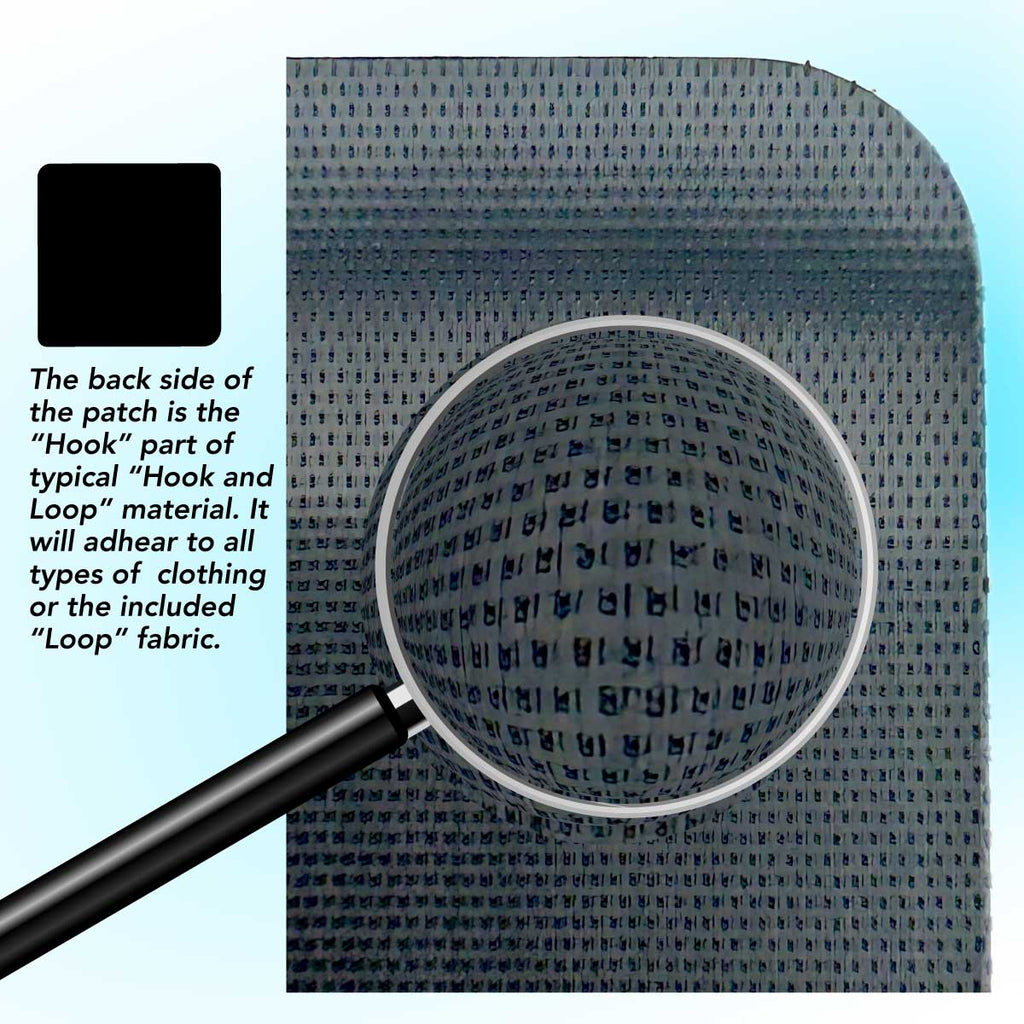
El dispositivo está construido con nuestra capa patentada Neurocuple® sellada entre dos capas impermeables. Una vez colocada en el lugar correcto, la capa Neurocuple® se activa directamente por la energía del propio cuerpo del usuario; después de unos minutos, el usuario siente una sensación de calor, frío u hormigueo a medida que el dolor desaparece.
El dispositivo PainRelief.io® es un producto de bienestar general que ayuda a promover la actividad física para los usuarios con dolor crónico e intermitente, que, como parte de un estilo de vida saludable, puede ayudar a vivir con estas condiciones y puede retrasar la aparición de discapacidades relacionadas.