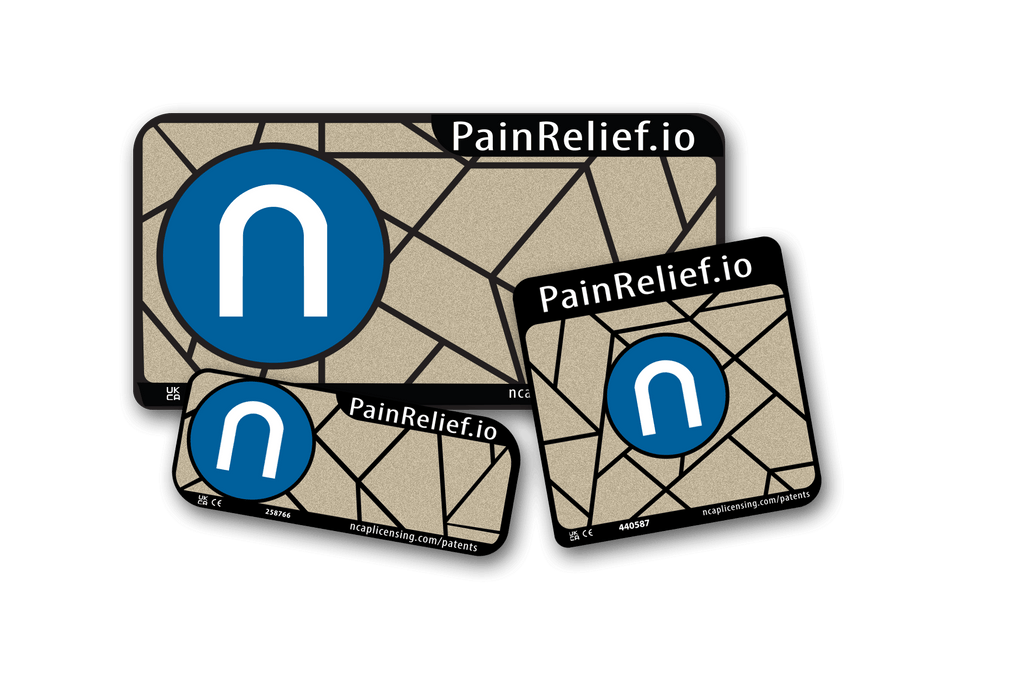

Drug-Free • Reusable for Years • 137-Day Money-Back Guarantee
You wake up already behind. Your lower abdomen feels tight, heavy, and sharp at the same time, your back is aching, and even basic things like getting dressed or answering emails feel harder than they should. If you are searching for how to function with severe period pain, the real question usually is not how to pretend everything is fine. It is how to get through the day with less pain, less disruption, and a little more control.
Severe period pain can make ordinary responsibilities feel completely out of proportion. Work, parenting, commuting, errands, and sleep all become harder when your body is sending intense pain signals. That does not mean you are weak, dramatic, or bad at coping. It means pain changes what your nervous system can handle. The goal is not to power through at any cost. The goal is to reduce the pain load enough that your day becomes manageable.
On high-pain days, treating everything as equally urgent usually backfires. Start by asking one practical question: what absolutely needs to happen in the next few hours, and what can wait? That small shift matters because pain drains attention, energy, and patience.
If your symptoms are severe, simplify aggressively. Choose the minimum effective version of your day. That might mean answering only essential messages, postponing errands, eating something easy instead of cooking, or moving a workout to another day. This is not giving up. It is pain management in real life.
It also helps to think in shorter blocks of time. A whole day with severe cramps can feel impossible. The next 30 minutes is easier to work with. Focus on getting your pain down one level, resting briefly, then deciding what comes next.
Period pain is not always limited to the pelvis. It often radiates into the lower back, hips, thighs, and even the stomach. Some people also deal with nausea, fatigue, headaches, loose stools, or dizziness. When that stack of symptoms hits at once, functioning becomes harder because your body is handling more than one stressor.
Pain also changes how you move. You tense your abdomen, brace your lower back, shorten your stride, and avoid certain positions. That guarding response is understandable, but it can make your body feel even more rigid and exhausted by midday.
This is one reason simple support tools matter. Relief is rarely about one big fix. It is usually about reducing strain from multiple angles so your system is not constantly getting pushed.
The most useful routine is the one you can use every month without much effort. It should be simple, fast, and realistic for workdays, school drop-offs, or days when you barely want to stand up.
Start with warmth if it helps you. Heat can relax tense muscles and make cramps feel less sharp for some people. The downside is that heating pads are not always practical when you need to move around, commute, or sit at a desk. If you are mostly home, heat may be enough for a stretch of the day. If you need to stay mobile, you may need something less limiting.
Hydration and food are not glamorous advice, but they matter. Severe cramps can feel worse when you are dehydrated, underfueled, or running only on coffee. You do not need a perfect anti-inflammatory meal plan on your period. You need something light, steady, and easy to tolerate. Think simple protein, carbs, fluids, and not waiting too long to eat.
Movement is trickier. Sometimes a short walk or gentle stretching helps because it reduces stiffness and gets your body out of that braced, curled-in posture. Sometimes movement feels awful at first. It depends on the intensity of your symptoms. If walking around the block is too much, try changing positions every 20 to 30 minutes instead of staying frozen in one posture.
Many people looking for menstrual pain relief want an option that does not depend on pills, messy creams, disposable patches, or being stuck near a wall outlet. That is where wearable, noninvasive relief tools can be useful.
For period pain, placement often matters as much as the relief method itself. Some people get more relief by targeting the lower abdomen. Others need support at the lower back, especially if the pain wraps around or settles deep into the pelvis and spine. It is not unusual to need both areas at different times of the day.
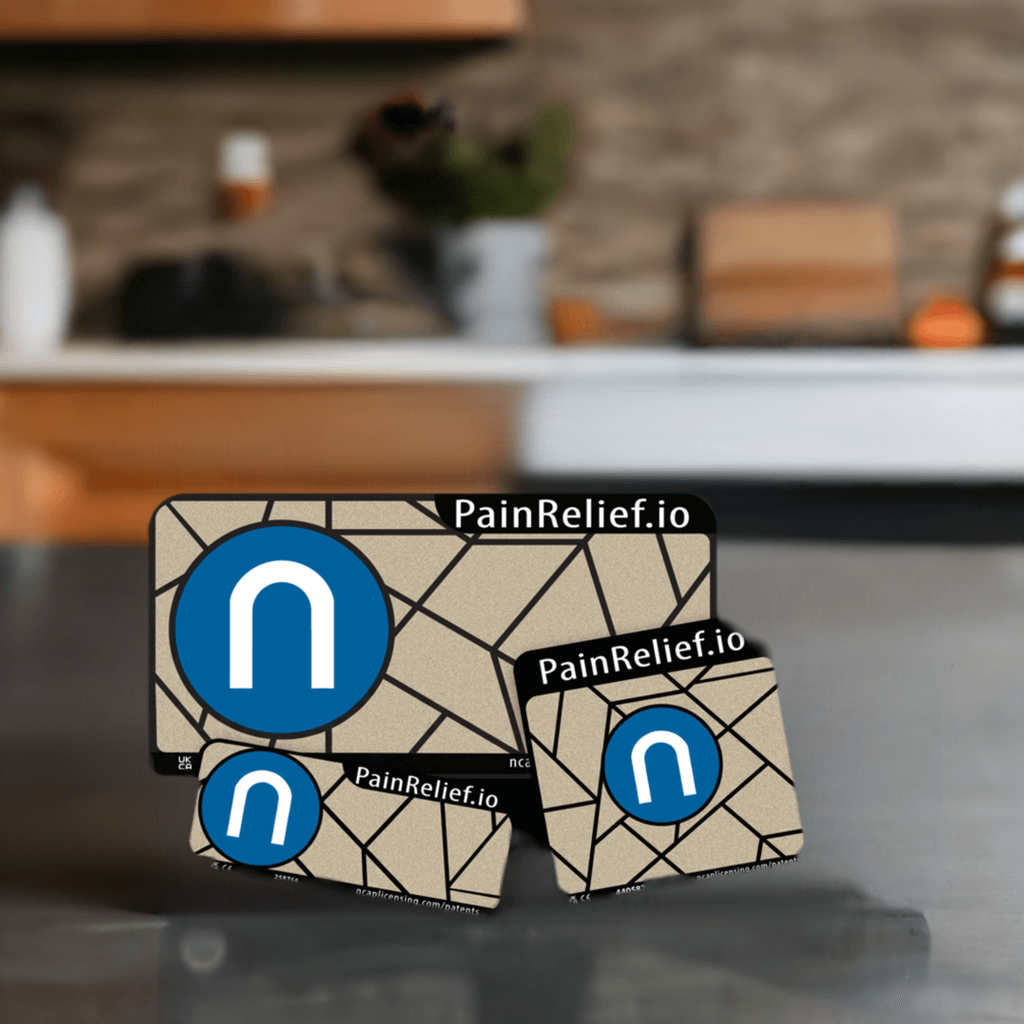
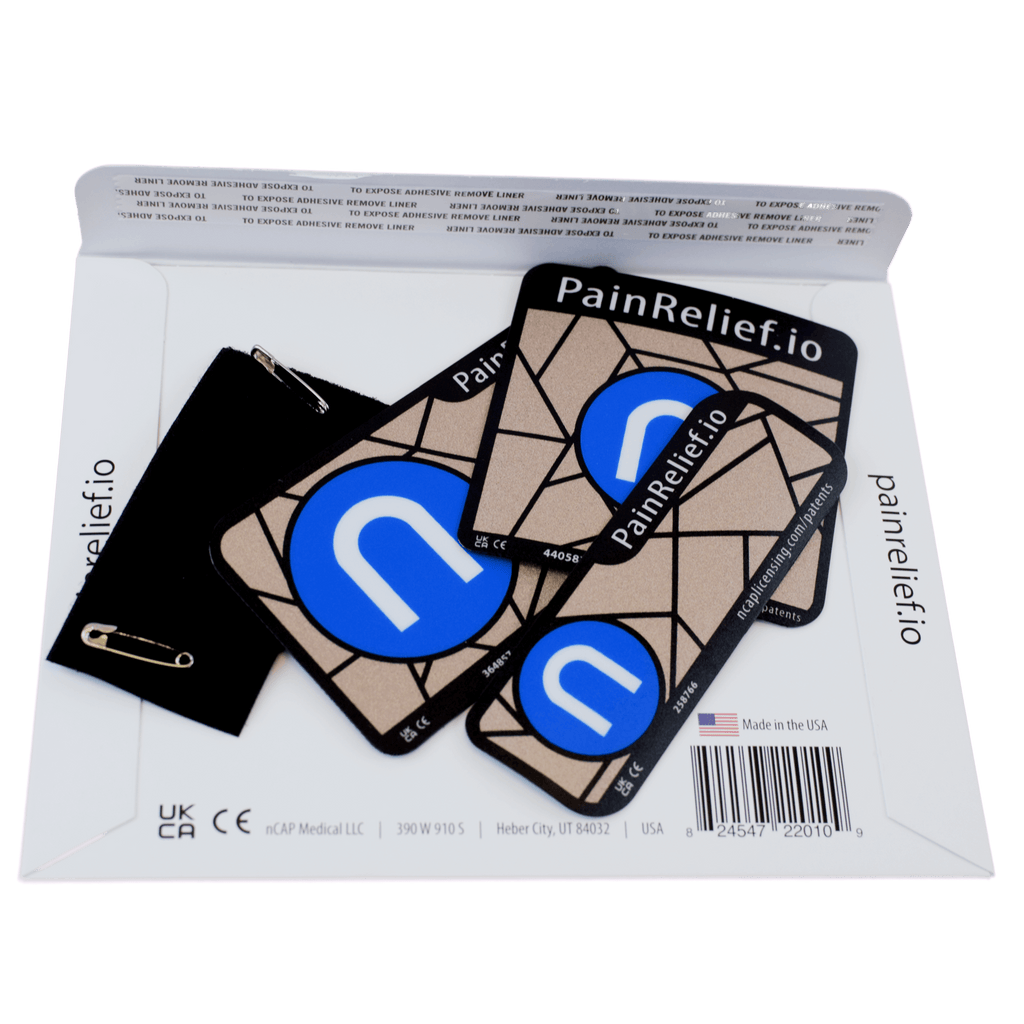
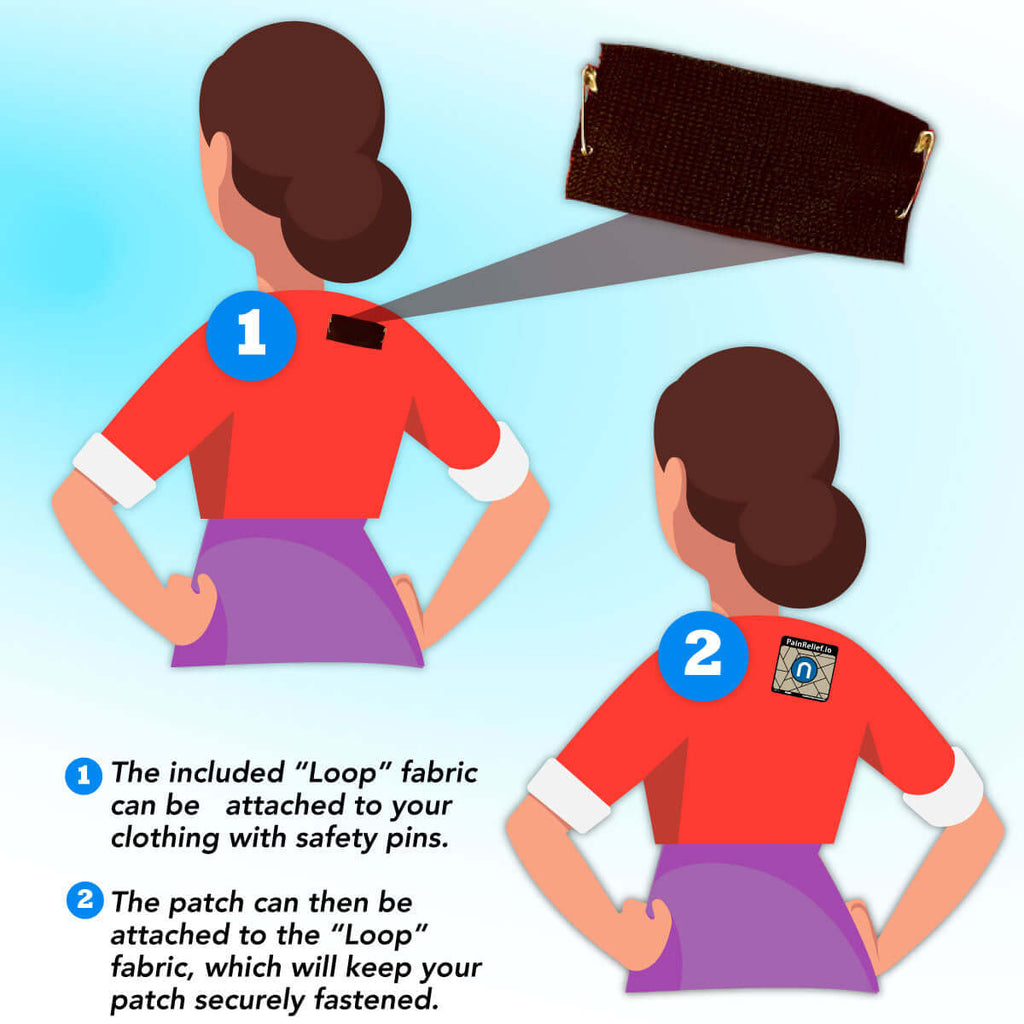
A reusable wearable option can be especially helpful when you need to keep functioning instead of stopping everything. PainRelief.io® designs drug-free, battery-free wearable devices intended for practical daily use, which is the kind of support many people are looking for when cramps keep returning month after month. The advantage of a wearable approach is not just convenience. It is that you can keep moving, working, and handling normal life while using it.
That said, no single tool works the same way for every body. Some people need relief at the first sign of cramping. Others wait until pain builds, then need more time before they notice a difference. The right strategy is usually the one you can use early, consistently, and without adding more hassle.
Pain is harder to manage when you have to perform through it. Offices, retail shifts, childcare, commuting, and long meetings do not exactly make room for a heating pad and a nap. In those situations, your environment matters.
If you can, set yourself up before the pain peaks. Wear clothes that do not press into your abdomen. Keep water close. Eat earlier than you think you need to. If sitting upright makes cramps worse, change positions often or place support behind your lower back. Small adjustments can keep pain from escalating.
Mental bandwidth is usually lower on severe cramp days, so this is not the best time for tasks that require your highest concentration if you have any flexibility. Do routine work first. Save difficult conversations and deep-focus tasks for another window if possible. Functioning with pain often depends on reducing avoidable friction.
There is also the reality that severe period pain can be emotionally draining. You may feel irritable, foggy, or discouraged, especially if this happens every month. That is a normal response to repeated pain. It helps to treat pain-day productivity differently instead of expecting your usual output from a body under stress.
Some cramping is common. Severe pain that regularly disrupts work, school, sleep, or daily functioning deserves more attention. If your pain is intense enough that you cannot stand upright, you are vomiting, you are soaking through protection unusually fast, or your symptoms are getting worse over time, it is worth speaking with a medical professional.
Conditions like endometriosis, fibroids, adenomyosis, or other pelvic issues can cause period pain that goes well beyond what people often call normal cramps. Many women are told to just deal with it for too long. If your monthly pain is consistently interfering with your life, that is meaningful information, not something to brush off.
Drug-free pain support can still have a place even if there is an underlying condition, but it should not replace proper evaluation when symptoms are severe, changing, or affecting your quality of life in a major way.
One of the most overlooked parts of period pain management happens between cycles. If you know your worst pain usually starts on day one, prepare before day one. Put your relief tools where you can reach them quickly. Plan easier meals. Shift demanding tasks away from your hardest day if your schedule allows it.
Tracking patterns can help more than people expect. Notice when your cramps start, where you feel them most, whether lower abdomen or lower back support works better, and what tends to make the day easier or harder. The goal is not to obsess over symptoms. It is to reduce trial and error when you are already hurting.
There is also value in giving yourself permission to stop treating severe period pain like a character test. You do not need to prove you can ignore it. You need a system that helps you stay functional with less suffering.
If your periods routinely knock your life off track, start building that system now. Use what helps, skip what adds friction, and choose relief that fits real life instead of forcing your life to fit your pain.
Search
Terms of Service
Refund Policy
Contact Us
Protect my personal information
Affiliates: Join or Log In
PATENTS
PainRelief.io® devices are designed to be simple to use. Just place the device near the area of discomfort and adjust as needed to find the position that feels most effective.
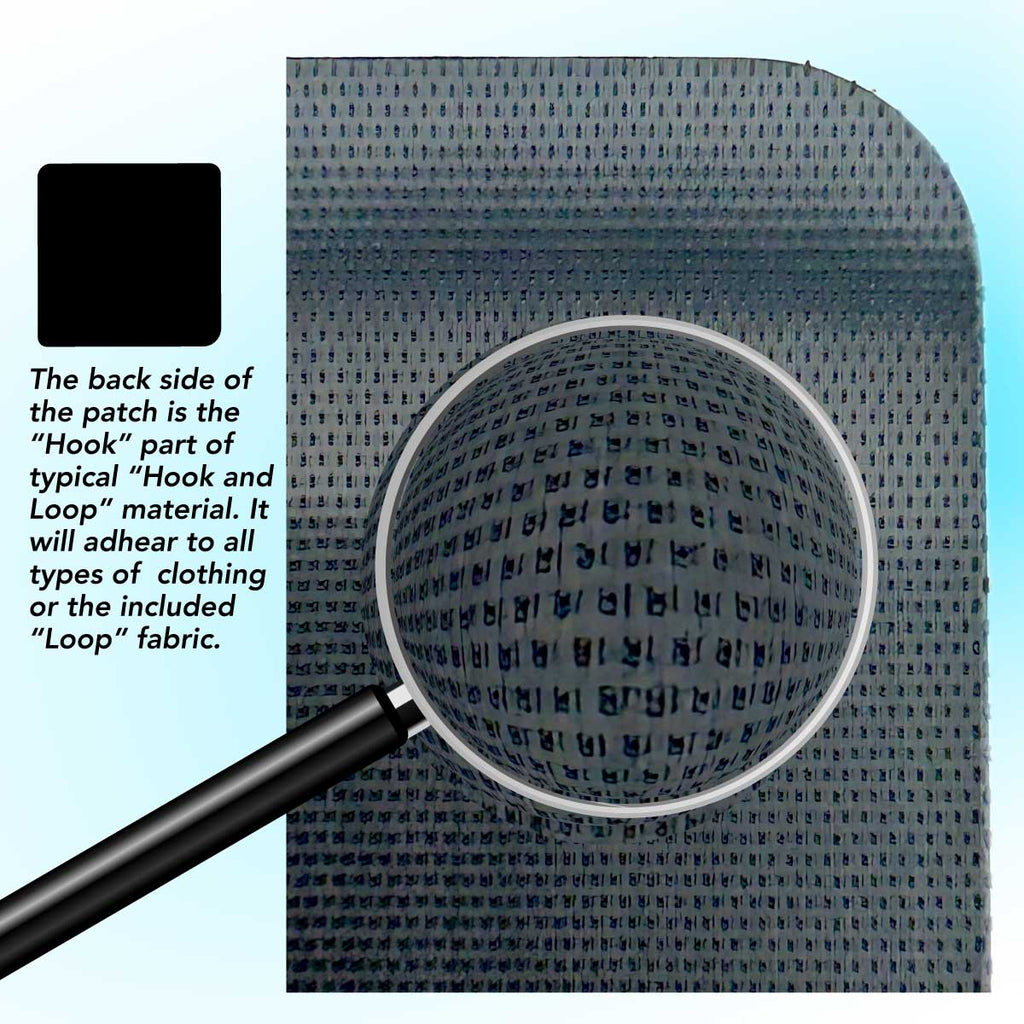
Each device is thin, reusable, wearable, and easy to use — with no batteries, no wires, no creams, and no drugs.
Inside each device is our patented NeuroCuple® layer, sealed between two durable waterproof layers. This technology is designed to work with your body’s natural bioelectrical environment in a simple, non-invasive way.
Some users report sensations such as warmth, cooling, or tingling during use, while others feel little or nothing at all.
PainRelief.io® devices are intended as general wellness products designed to support comfort, physical activity, and everyday function.