
¡Envío y devoluciones gratis por encima de $100!
A lot of people do not start by searching for “wellness.” They start by searching for relief. Relief from a stiff lower back after work, a knee that complains on the stairs, a headache that keeps coming back, or cramps that interrupt the day. That is exactly why the future of drug free wellness is becoming more focused, more practical, and far more connected to everyday pain management.
For years, wellness was often treated like a separate category from pain relief. One was about yoga mats, supplements, and self-care routines. The other was about medicine cabinets, heating pads, and short-term fixes. That divide is shrinking. More people now want solutions that help them feel better without depending on pills, messy creams, or invasive procedures. They want something they can actually use in real life, at home, at work, while traveling, or during a flare-up.
The biggest shift is not just consumer preference. It is consumer fatigue. Many people are tired of cycling through the same pattern: pain shows up, they reach for medication, the relief is temporary, and the problem returns. Others want to reduce how often they rely on over-the-counter products because of side effects, tolerance concerns, or simple frustration with how limited the options feel.
That does not mean medication has no place. For some people and some conditions, it absolutely does. But more consumers are asking a different question now: what can I use regularly, safely, and practically without building my routine around drugs?
That question is shaping the next phase of the category. Drug-free wellness is moving away from vague promises and toward tools that fit specific use cases. People want solutions for back pain, knee discomfort, jaw tension, headaches, menstrual cramps, and muscle soreness. They want guidance on placement, timing, and consistency. They want less guesswork.
One of the clearest changes ahead is that wellness will become less stationary. Traditional pain relief tools often keep people tied to one place. Ice packs belong in the freezer. Heating pads require an outlet. Some braces feel bulky. Topicals wear off. Pills are portable, but that does not make them the right long-term answer for everyone.
Wearable wellness technology changes that equation. When a solution is lightweight, simple to apply, and easy to wear while moving through the day, people are more likely to use it consistently. That matters because consistency is often what separates a one-time experiment from a routine that actually supports better daily function.
Wearable options also fit how pain really works in the real world. Pain is rarely convenient. It shows up during a commute, during a workout, while sitting at a desk, or in the middle of sleep. Solutions that move with the body are better matched to that reality than solutions that require stopping everything.
This is where the category is becoming more mature. The future is not just “natural” in a broad sense. It is practical, body-specific, and designed for repeated use.
Not all pain behaves the same way, and people are becoming more aware of that. A recurring migraine is different from post-workout soreness. TMJ tension is different from arthritis discomfort. Menstrual cramps are different from nerve-related pain. The future of drug-free wellness will reflect those differences more clearly.
That means personalization will matter less in a trendy, data-heavy sense and more in a practical sense. Where is the pain located? How often does it happen? Is it sharp, dull, throbbing, tight, or radiating? Does it flare with movement, stress, posture, hormones, or overuse? These questions help people find more useful solutions.
Brands that win in this space will be the ones that simplify those decisions instead of making them more confusing. Consumers do not want to decode a complicated wellness system. They want to know what works for the lower back, what fits the knee, what can be used on the jaw, and what makes sense for recurring pain versus occasional pain.
There is a common assumption that drug-free wellness is mostly emotional branding with soft claims. That may have been true in parts of the category before, but it is becoming less acceptable. As more people use noninvasive tools for pain support, they want to understand why a product is designed the way it is and what makes it credible.
That does not mean consumers want a lecture in medical terminology. It means they want clear explanations. They want to know whether a product is reusable, whether it relies on heat or chemicals, whether it needs batteries, whether it can be worn under clothing, and whether there is a real technology behind it.
This is where patent-backed innovation has an advantage. A strong future in drug-free wellness will belong to products that can explain their mechanism in a way that feels understandable and grounded. For pain relief brands, that means translating complex ideas about the body, sensory pathways, and bioelectrical activity into language that helps customers make confident decisions.
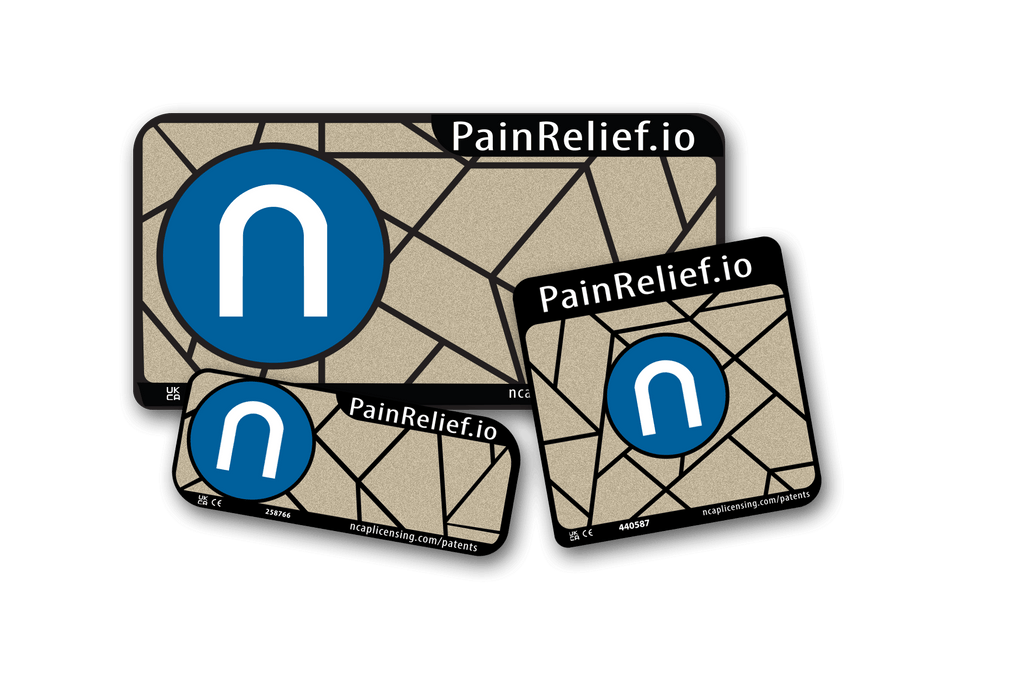
PainRelief.io® reflects this shift well. Its approach centers on patented, reusable, wearable pain relief designed around real body areas and real pain scenarios rather than generic wellness claims. That is a strong signal of where the category is headed.
Consumers are not only asking whether something works. They are also asking whether it fits their life over time. Disposable solutions can feel convenient in the moment, but repeated purchases add up. A single-use patch, a tube of cream, or another bottle of pain relievers may seem simple at first, yet many people eventually start looking for something more sustainable.
That is one reason reusable wellness tools are gaining attention. They can reduce waste, lower long-term cost, and create a steadier routine. This matters especially for people with chronic or recurring pain, because they are not shopping for a one-week fix. They are trying to build a better way to manage the next month, the next season, or the next year.
Of course, reusability alone is not enough. A product still has to be easy to use and easy to trust. If it is too complicated, bulky, or hard to maintain, many people will abandon it. The future belongs to tools that are reusable without becoming inconvenient.
One reason people get frustrated with pain relief is that broad solutions often miss the details. A person with neck and shoulder tension may use the same products as someone with menstrual pain, even though the experience, frequency, and placement needs are completely different.
Drug-free wellness is becoming more targeted because pain itself is targeted. A better solution is not always stronger. Sometimes it is simply more specific. Better placement, better fit, and better alignment with the type of discomfort can make a big difference in whether a product becomes part of someone’s routine.
This shift also helps reduce overwhelm. When consumers are shown solutions by body area or pain type, the path forward feels clearer. That is especially important for someone who has already tried several things and does not want another vague promise.
Over the next few years, expect drug-free wellness to feel less like an alternative fringe and more like a standard part of personal care. More people will combine approaches. They may improve posture, adjust movement habits, use wearable relief tools, manage stress better, and become more selective about when they use medication. That blended approach is realistic, and for many people, it works better than relying on any single method.
Expect more demand for products that are discreet, reusable, and easy to integrate into daily life. Expect more scrutiny around claims. Expect shoppers to ask smarter questions. Can I use this regularly? Is it noninvasive? Does it support real-world pain points? Is it built for my specific issue, or is it just marketed broadly?
Most of all, expect the definition of wellness to keep changing. For people living with recurring pain, wellness is not always about optimization. Sometimes it is about getting through the workday more comfortably, sleeping better, walking farther, focusing more easily, or needing fewer compromises in daily life. That is a much more useful definition, and it is shaping the future of the category.
The future of drug free wellness is not about replacing every conventional option. It is about giving people more control, more flexibility, and more practical ways to respond when pain interrupts life. The best solutions will be the ones that meet people where they are and help them keep moving forward.
Buscar
Terms of Service
Refund Policy
Contact Us
No vender ni compartir mi información personal
Affiliates: Join or Log In
PATENTS
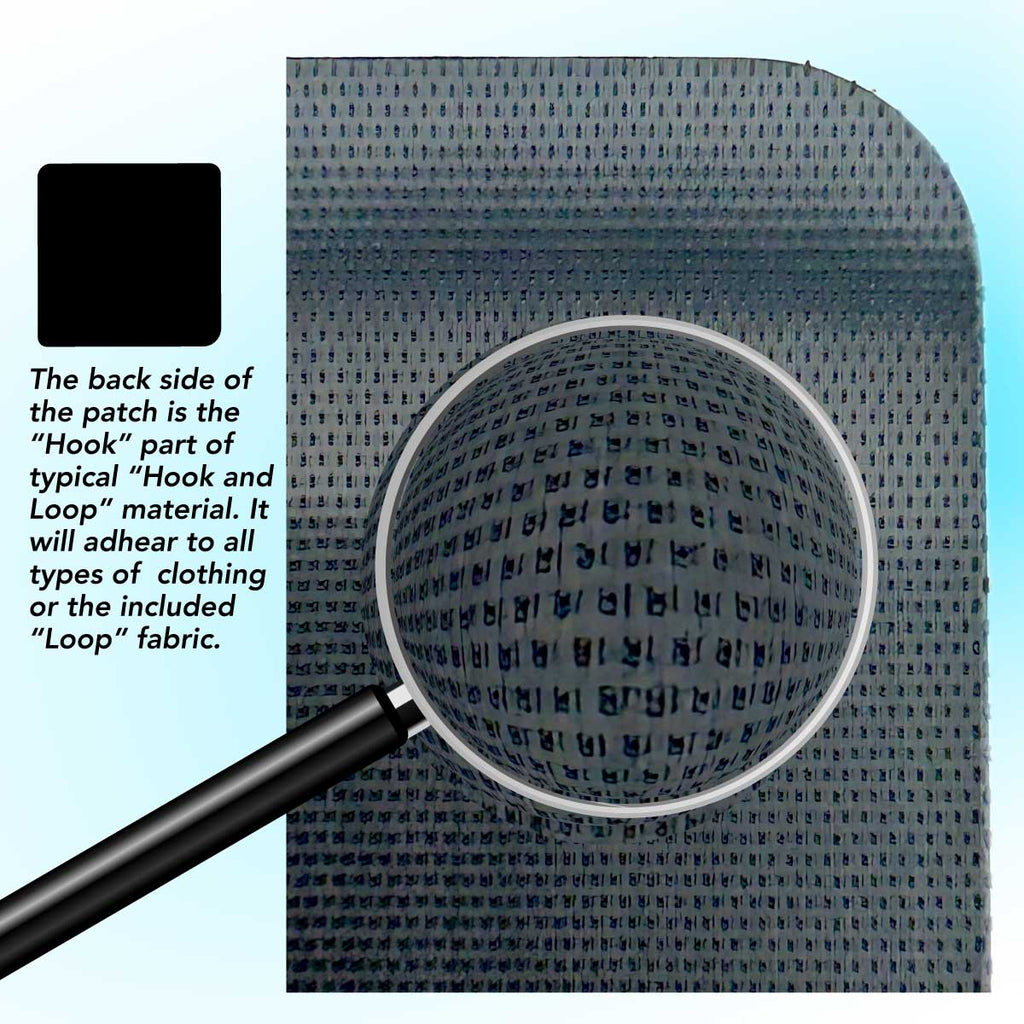
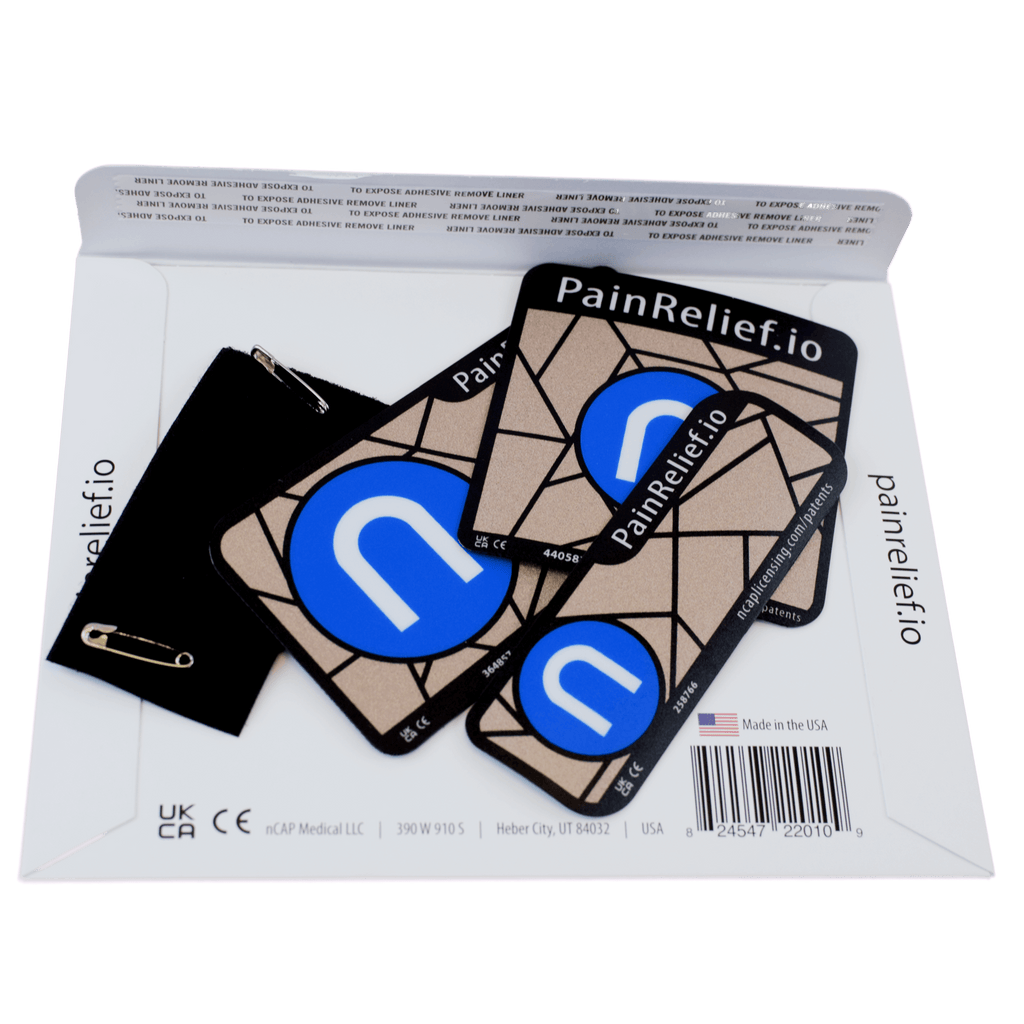
¡Es fácil de usar! Simplemente coloque el dispositivo encima de su dolor, Between the Pain and the Brain(tm) , y su dolor comenzará a desaparecer en minutos. Todo en un dispositivo portátil, delgado y reutilizable. ¡Sin baterías, sin cables, sin aceites malolientes, sin drogas y es de acción rápida!
El dispositivo está construido con nuestra capa patentada Neurocuple® sellada entre dos capas impermeables. Una vez colocada en el lugar correcto, la capa Neurocuple® se activa directamente por la energía del propio cuerpo del usuario; después de unos minutos, el usuario siente una sensación de calor, frío u hormigueo a medida que el dolor desaparece.
El dispositivo PainRelief.io® es un producto de bienestar general que ayuda a promover la actividad física para los usuarios con dolor crónico e intermitente, que, como parte de un estilo de vida saludable, puede ayudar a vivir con estas condiciones y puede retrasar la aparición de discapacidades relacionadas.