
Drug-Free • Reusable for Years • 137-Day Money-Back Guarantee
Pain has a way of shrinking your day. A stiff neck can make work harder. Knee pain can turn a short walk into a negotiation. Cramps, headaches, jaw tension, or lower back pain can keep coming back just when you think you are past them. If you are looking for how to reduce pain naturally, the goal is not just temporary comfort. It is finding practical, drug-free ways to calm pain signals, support your body, and make relief easier to repeat.
Natural pain relief is not one single method. It is usually a combination of reducing irritation, improving movement, and giving the nervous system fewer reasons to stay on high alert. That matters because pain is not always a perfect measure of injury. Sometimes the original trigger is obvious, like overuse after a workout or sleeping in a bad position. Other times, pain lingers because tissues are sensitive, muscles stay guarded, or the body keeps sending stress signals long after the first flare-up.
The most useful natural strategy depends on what is driving the discomfort. Tight, overworked muscles respond differently than an inflamed joint. Menstrual cramps are not the same as tension headaches. Nerve discomfort has its own pattern too, often described as burning, tingling, zapping, or unusually sensitive skin.
That is why generic advice often falls short. Rest may help a sore muscle for a day or two, but too much rest can make some kinds of back pain feel worse. Heat can relax tight tissue, but it may not be the best first move if an area feels hot, swollen, or freshly irritated. The best approach is to match the tool to the problem instead of assuming every type of pain needs the same fix.
If pain is severe, sudden, spreading, or tied to symptoms like weakness, chest pain, fever, or loss of function, it is time for medical care. Natural methods are useful, but they are not a substitute for urgent evaluation when something more serious may be going on.
One reason people search for natural pain relief is simple: they want relief without feeling foggy, sedated, or dependent on pills. For many everyday pain issues, the first step is to reduce strain while keeping gentle function. That balance matters.
If your lower back is irritated, for example, lying down all day can stiffen things up. But pushing through heavy lifting or twisting can keep the flare going. A better middle ground is to shorten the activity, change your position more often, and use support strategies that let you keep moving without adding more stress.
This applies across body areas. With neck and shoulder tension, that might mean adjusting your screen height, relaxing your grip on the steering wheel, and taking brief movement breaks. With jaw pain, it may mean avoiding gum, clenching, and hard foods for a few days. With knee pain, it could mean reducing stairs, switching from high-impact workouts to walking or cycling, and giving irritated tissue a chance to settle.
Simple physical tools still matter because they change the local environment around pain. Heat tends to help tight, stiff, or guarded muscles. It can improve comfort before stretching, in the morning, or after long periods of sitting. Cold is often better for fresh irritation, swelling, or sharp flare-ups after activity. Compression can help some joints feel more supported and less reactive.
The trade-off is that these tools are often short acting. A heating pad may feel great while it is on, then wear off quickly. Ice can calm a flare, but it may not do much for recurring tension if the real issue is poor movement or repeated strain. Compression can be helpful, but too much pressure can become uncomfortable.
That is why many people do best when they use these methods as part of a broader plan instead of expecting them to solve everything on their own.
When pain shows up, the instinct is often to protect the area completely. Sometimes that is necessary in the very short term. But in many common pain conditions, strategic movement is what helps the body stop bracing.
For back pain, a short walk can be more useful than another hour on the couch. For stiff shoulders, controlled range-of-motion exercises may help more than avoiding all movement. For headaches linked to neck tension, posture changes and mobility work can reduce one of the drivers behind the pain.
The key is gentle, repeatable motion that does not spike symptoms. Think small circles, easy stretching, light walking, and slow mobility work rather than intense workouts. If pain climbs sharply during or after movement, the dose was probably too much. Natural relief works best when you stay below that threshold and build back gradually.
This is the piece many people miss. Pain is not only about muscles, joints, or inflammation. It is also about signaling. Poor sleep, high stress, repetitive strain, and previous flare-ups can make the nervous system more reactive. That does not mean the pain is imagined. It means the system is easier to trigger.
This is one reason breathing exercises, relaxation, and sleep support can make a real difference. If your shoulders are constantly up around your ears and your jaw is clenched most of the day, your body is spending hours reinforcing tension. Giving it even brief periods of downshifting can reduce the intensity of those signals over time.
If you want to know how to reduce pain naturally without constantly reaching for creams, pills, or disposable patches, wearable pain relief technology is worth considering. This category appeals to people who want something simple, noninvasive, and practical enough to use again and again.
The strongest options are designed to work with the body rather than mask pain with medication. That matters for recurring issues like lower back pain, knee discomfort, shoulder tension, headaches, menstrual cramps, or TMJ pain, where the challenge is not just one bad day. It is the pattern of pain returning.
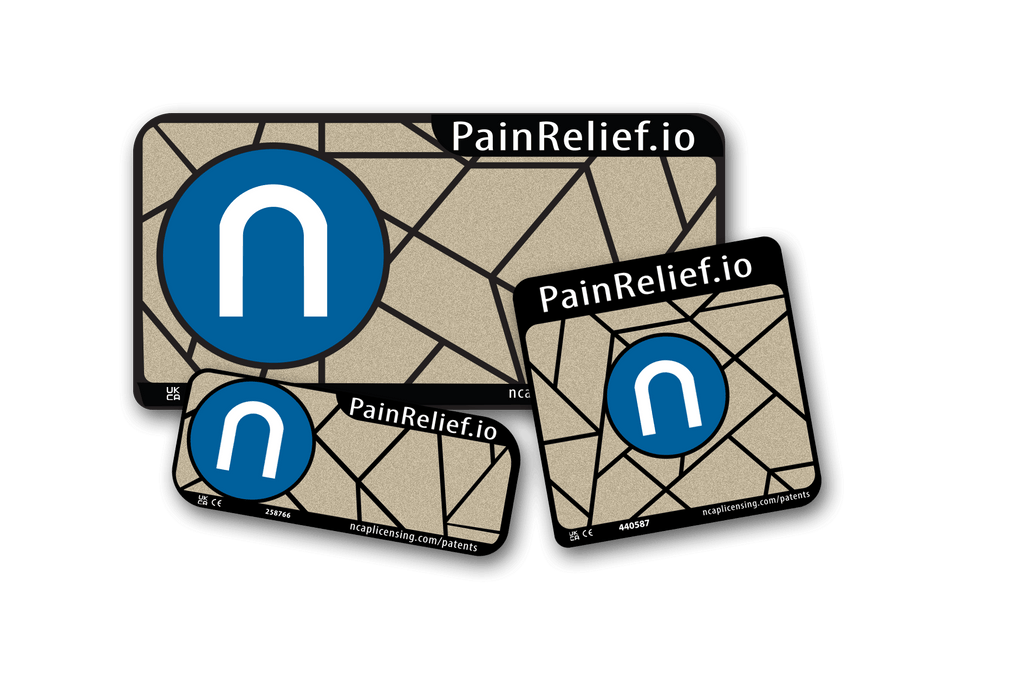
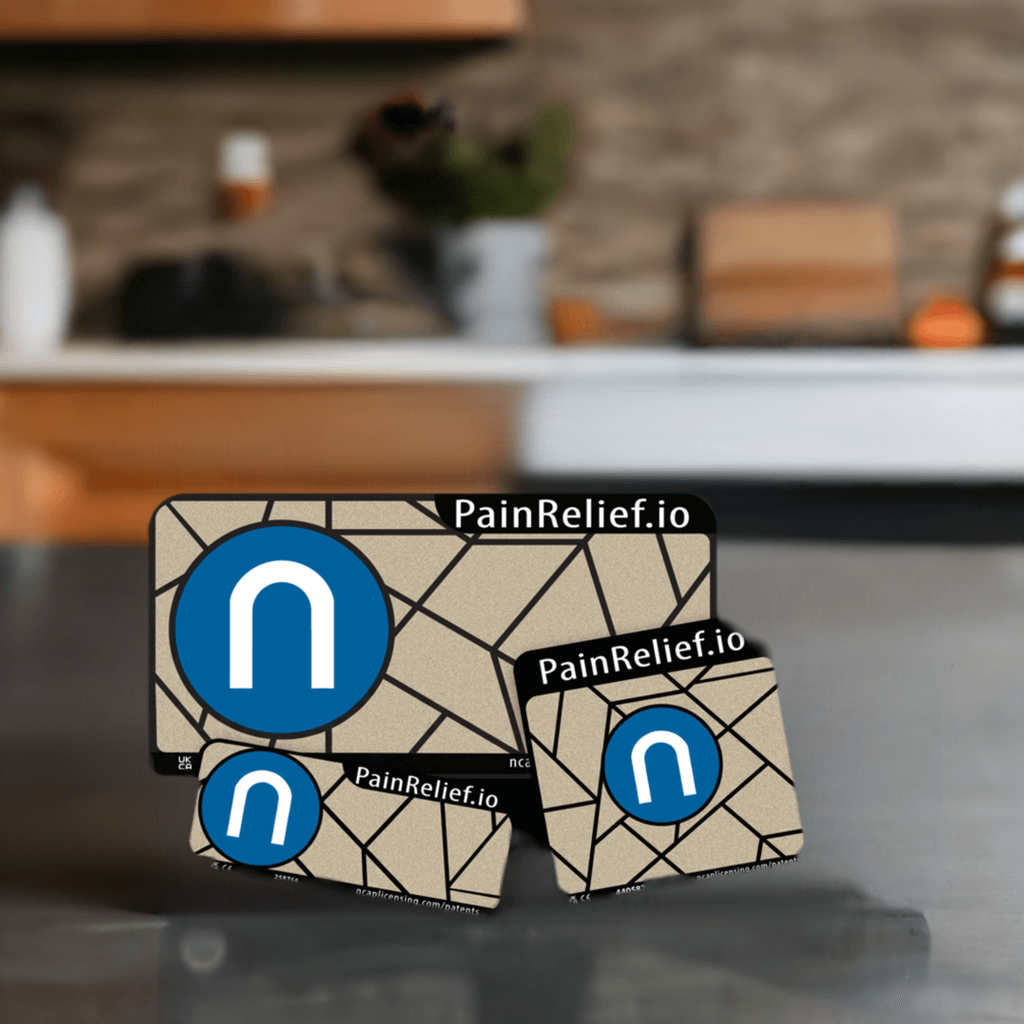
PainRelief.io® focuses on reusable, wearable drug-free relief designed for real body areas and real pain scenarios. The benefit of this kind of approach is convenience. You can target a specific area, keep your routine moving, and avoid the cycle of reapplying products or relying on short-term fixes that run out.
Natural methods can reduce intensity, shorten flare-ups, and help you rely less on medication. They can also give you more control over recurring pain, which matters when discomfort starts affecting work, sleep, exercise, or mood.
What they cannot do is guarantee the same result for every type of pain or every person. Chronic pain usually needs consistency. Acute pain from overuse may improve quickly. Migraines, arthritis, menstrual pain, and nerve-related discomfort each have their own patterns. Good natural pain management is less about a miracle fix and more about building a relief routine that fits your body.
For muscle tension and soreness, the best combination is usually heat, hydration, gentle movement, and targeted support. For joint pain, reducing impact and improving stability often matters more than aggressive stretching. For headaches, pay attention to neck tension, hydration, screen strain, and sleep. For cramps, warmth and localized drug-free support can be more practical than waiting it out each month. For jaw pain, reducing clenching and giving the area less to fight against can help calm flare-ups.
The common thread is simple: pain usually responds better when you lower the load on the area and improve comfort at the same time. That is more sustainable than repeatedly pushing through until the next flare forces you to stop.
If your pain keeps returning, ask a more useful question than What helps right now? Ask What makes this easier to manage next week too?
That shift changes everything. It moves you away from random relief attempts and toward a repeatable system. Maybe that means taking movement breaks before your back tightens, using heat before bed for neck tension, wearing targeted drug-free support during long workdays, or changing your workout before knee pain becomes a full flare.
Natural pain relief works best when it is realistic. It should fit your day, match your pain pattern, and be easy enough to use before things get unbearable. The more practical the solution, the more likely you are to stick with it.
You do not need to accept pain as the background noise of everyday life. Small, consistent changes can make your body feel more manageable, your days more flexible, and relief less dependent on what is in the medicine cabinet.
Search
Terms of Service
Refund Policy
Contact Us
Protect my personal information
Affiliates: Join or Log In
PATENTS
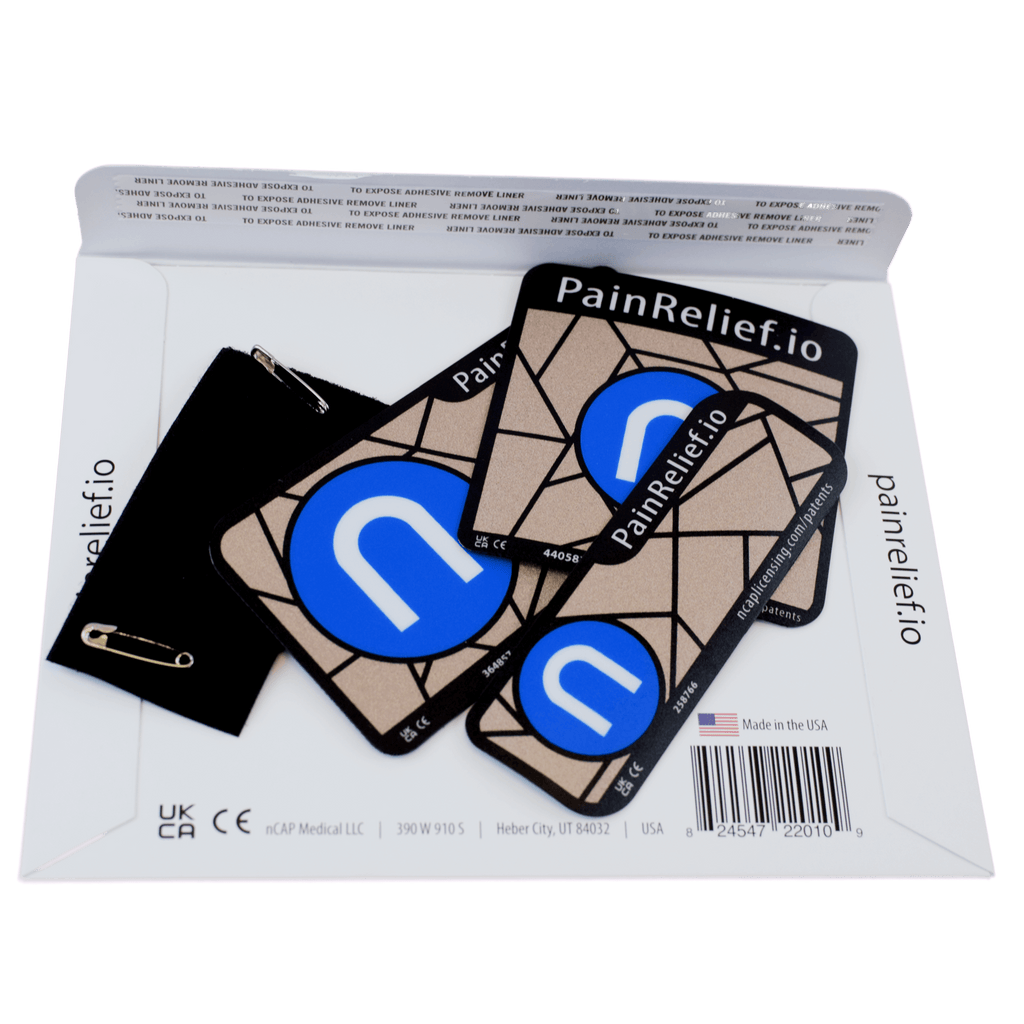
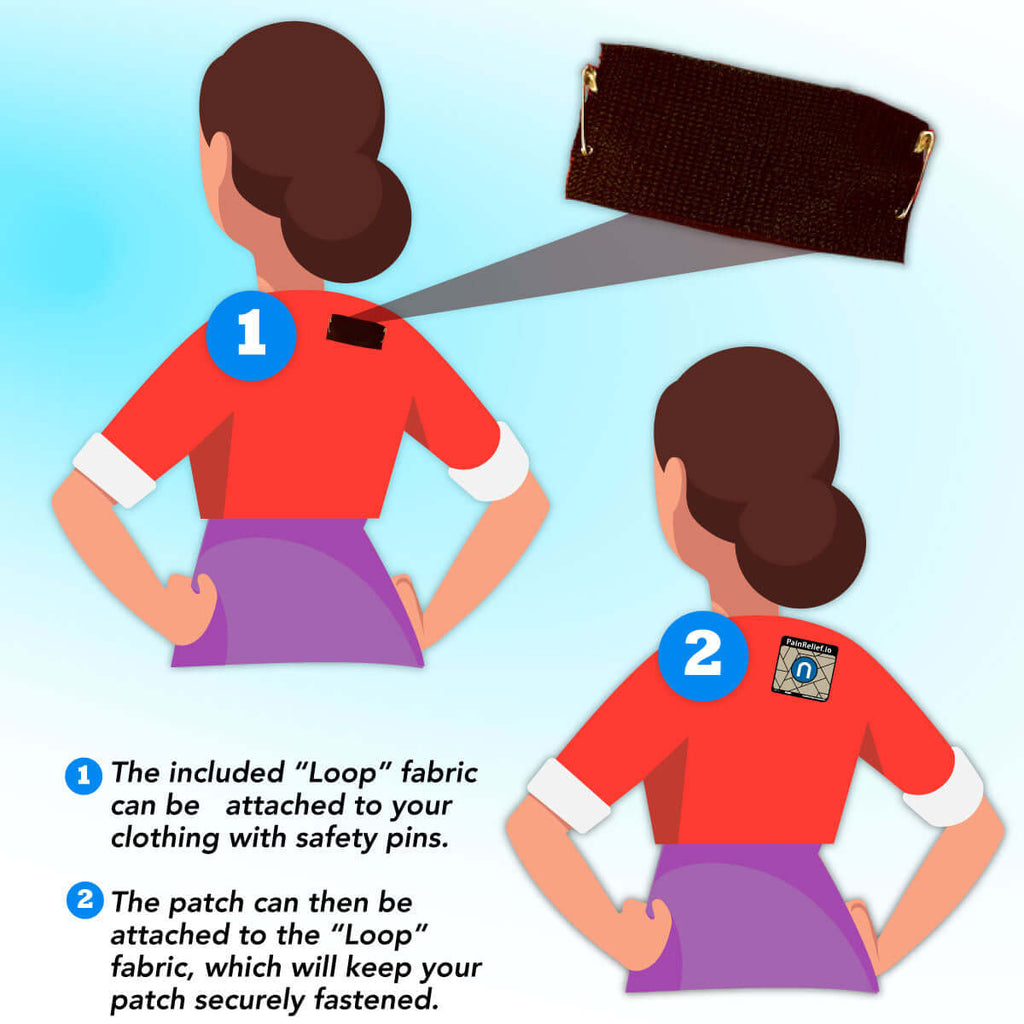
PainRelief.io® devices are designed to be simple to use. Just place the device near the area of discomfort and adjust as needed to find the position that feels most effective.
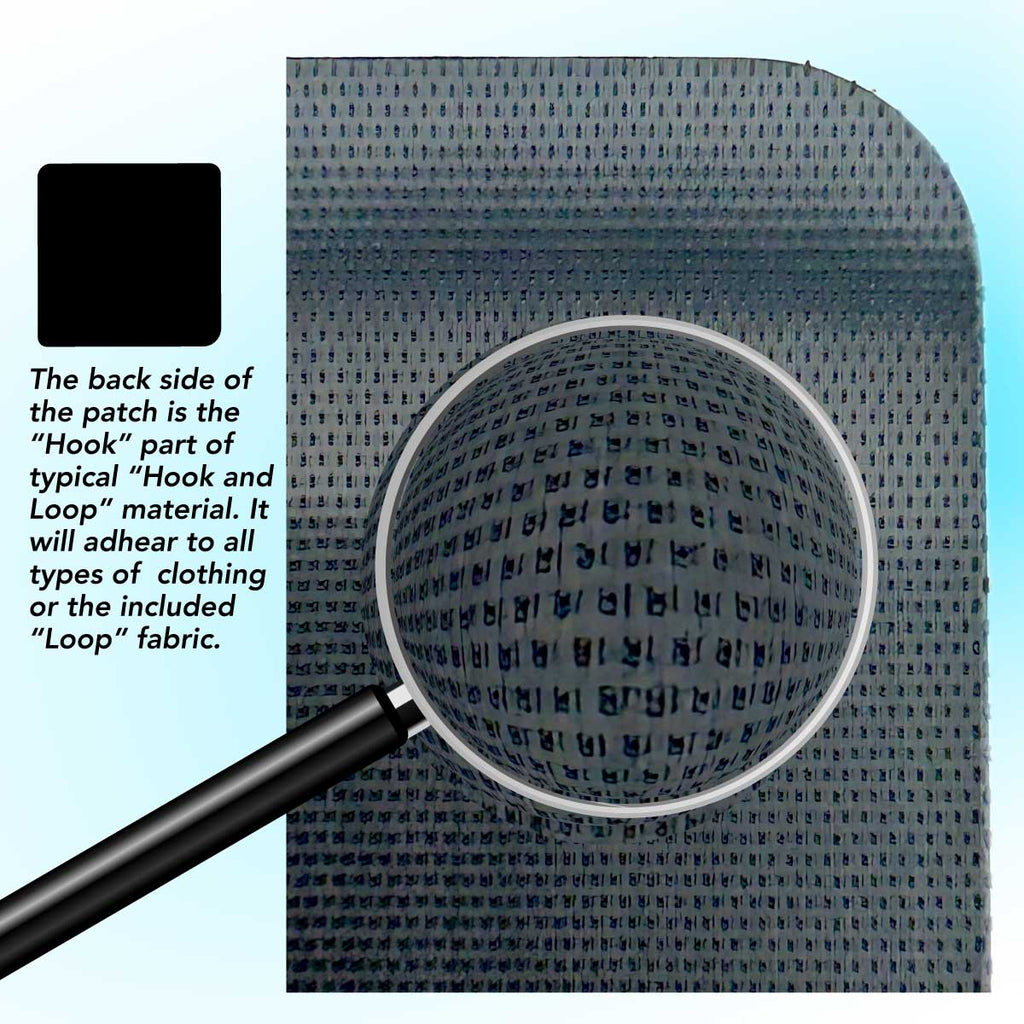
Each device is thin, reusable, wearable, and easy to use — with no batteries, no wires, no creams, and no drugs.
Inside each device is our patented NeuroCuple® layer, sealed between two durable waterproof layers. This technology is designed to work with your body’s natural bioelectrical environment in a simple, non-invasive way.
Some users report sensations such as warmth, cooling, or tingling during use, while others feel little or nothing at all.
PainRelief.io® devices are intended as general wellness products designed to support comfort, physical activity, and everyday function.