

You catch your reflection, notice your bra fits a little differently, and your mind goes straight to one question: can stress make your breasts smaller? The short answer is yes, indirectly. Stress can affect hormones, appetite, weight, sleep, and menstrual cycles - all of which can influence how full or tender your breasts feel and whether they seem temporarily smaller.
That said, breast size does not usually change overnight from stress alone. In many cases, what people notice is a shift in fullness, swelling, or body composition rather than a permanent loss of breast tissue. The difference matters, especially if you are trying to decide whether what you are seeing is a normal body response or something worth getting checked.
Often, stress changes how your breasts look and feel more than it changes their actual structure. Breasts are made up of glandular tissue, connective tissue, and fat. Because fat makes up a meaningful portion of breast volume for many women, anything that affects body weight can affect breast size too.
Stress can lower appetite in some people, raise it in others, and disrupt routines almost across the board. If chronic stress leads to weight loss, you may notice your breasts look smaller. If stress changes your menstrual cycle, you may also lose some of the temporary swelling and tenderness that often happens before a period. That can make your breasts seem less full, even if the underlying tissue has not changed much.
For some women, the opposite happens. Stress may lead to weight gain, bloating, or hormonal fluctuations that make the breasts feel fuller for a time. So the answer is not simply yes or no. It depends on how your body responds to stress.
When stress becomes frequent or intense, your body releases more cortisol and other stress hormones. That response is useful in short bursts. Over time, though, it can affect other hormone systems, including the ones involved in reproduction and the menstrual cycle.
If ovulation becomes irregular or your cycle shifts, estrogen and progesterone patterns can shift too. Those hormones play a major role in breast swelling, tenderness, and fullness throughout the month. A stressful period may lead to lighter periods, missed periods, delayed periods, or less noticeable premenstrual breast changes.
That means what feels like breast shrinkage may actually be a change in cyclical swelling. If your breasts usually become fuller before your period and then that stops during a high-stress month, the difference can feel significant.
Cortisol does not directly remove breast tissue. But it can change eating patterns, energy levels, sleep quality, and physical activity. Some people lose weight when stressed because they eat less or deal with nausea, digestive upset, or a constant sense of tension. If your overall body fat drops, your breasts may become smaller as part of that broader change.
Others gain weight under stress, especially if sleep is poor and cravings increase. In that case, breast size may stay the same or increase. This is one reason online advice can feel confusing. Stress affects the whole body, not one body part in isolation.
A missed or delayed period can change breast symptoms noticeably. Many women associate breast fullness with certain points in the cycle. When stress suppresses or delays ovulation, those usual patterns may disappear. Breasts can feel softer, less swollen, and less sensitive.
This change is often temporary. Once stress levels come down and cycles normalize, breast fullness may return to its usual pattern.
Stress is one possible factor, but it is not the only one. Weight loss from exercise, illness, diet changes, or postpartum shifts can reduce breast volume. Hormonal birth control changes can also affect breast fullness, especially when starting, stopping, or switching methods.
Aging is another factor. Over time, breast tissue naturally changes, and many women notice less firmness or fullness with age. Menopause and perimenopause can also reshape the breasts because estrogen levels shift.
Hydration, salt intake, and where you are in your menstrual cycle can all affect how your breasts look from week to week. Even posture matters. If stress is making your neck, shoulders, and chest feel tight, your posture may change enough to alter how your chest appears in clothing.
Breast changes are more likely to be stress-related if they happen alongside other clear signs of stress. Maybe your sleep is off, your appetite has changed, your period is late, and your shoulders feel constantly tense. In that setting, a temporary change in breast fullness is less surprising.
Stress-related changes also tend to affect both breasts in a fairly similar way. They often come and go over time, especially as routines stabilize and hormonal patterns settle.
This is also where body tension enters the picture. Stress does not just affect hormones. It can create persistent tightness in the chest, upper back, neck, and shoulders. That tension will not reduce breast tissue, but it can change how your body feels overall and make you more aware of discomfort or changes in the chest area.
It is easy to blame stress when life is busy, but some breast changes deserve medical attention. If one breast changes noticeably while the other does not, or if you feel a new lump, skin dimpling, nipple discharge, redness, or persistent pain, it is smart to contact a healthcare provider.
The same goes for unexplained weight loss, major menstrual changes that continue for several months, or breast changes that do not improve when stress eases. Stress can explain a lot, but it should not be used to explain away everything.
If you suspect stress is behind the change, focus on the bigger picture rather than the breast change alone. The goal is not just to restore appearance. It is to help your nervous system and hormones get back to a steadier baseline.
Start with the basics that are easy to overlook when life gets hectic: regular meals, enough protein, hydration, movement, and sleep. If stress has been hitting your appetite hard, even small consistent meals can help prevent unintended weight loss.
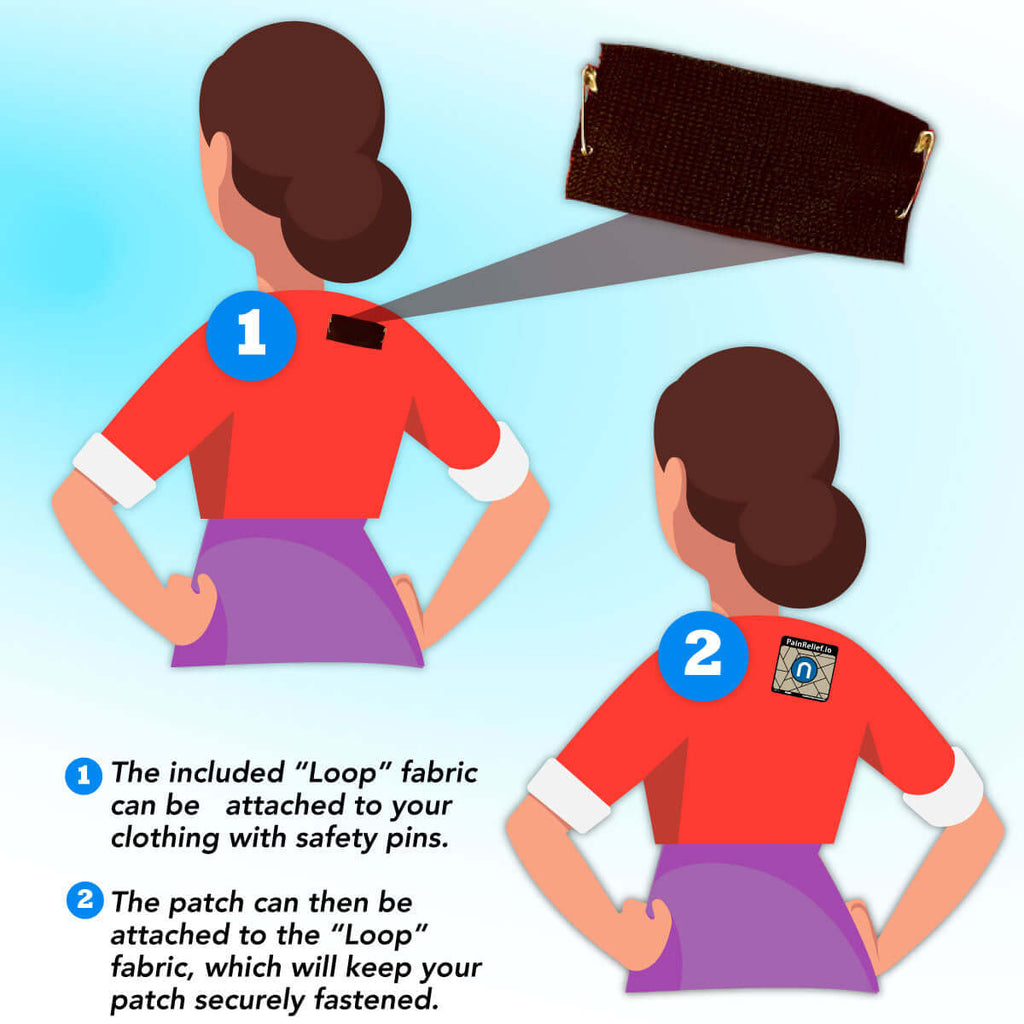
It also helps to pay attention to tension patterns. Many people under stress carry it in the jaw, shoulders, neck, upper back, and chest. That kind of physical strain can add another layer of discomfort and make you feel unlike yourself. Drug-free strategies such as stretching, breathwork, gentle exercise, and wearable pain relief tools may help reduce some of that tension and improve daily comfort. For people who want a reusable, noninvasive option for everyday pain and muscle tightness, that is where solutions like PainRelief.io® can fit naturally into a broader stress-management routine.
Usually, stress-related breast changes are not permanent unless stress contributes to sustained weight loss, long-term hormonal disruption, or a major health issue that is not being addressed. For most women, once eating patterns, sleep, and menstrual cycles return to a more stable rhythm, breast fullness also returns to its usual baseline.
Still, long-term stress can have a long reach. It can affect reproductive health, body composition, pain levels, digestion, and energy. So even if the breast change itself is temporary, the stress behind it is worth taking seriously.
If you have been feeling run down, physically tense, or out of sync for weeks, that is not something to push through without support. Your body often gives small signals before it gives big ones.
Yes, stress can make your breasts look or feel smaller, but usually through indirect pathways like weight loss, cycle disruption, and hormone-related changes in fullness. In many cases, the shift is temporary and reflects what stress is doing to your whole system rather than a permanent change in breast tissue.
If the change is mild, happens in both breasts, and shows up during a stressful stretch, it may simply be your body reacting to pressure. If it is sudden, one-sided, or accompanied by other unusual symptoms, get it checked. Paying attention without panicking is often the best next step.
Your body is not random. When something changes, there is usually a reason - and stress is often part of the story, even when it is not the whole story.