

You wake up, your clothes feel tighter, your lower belly feels puffy, and your period either just started or is about to. Bloating during period is one of those symptoms people often brush off as normal, but when it shows up month after month, it can be frustrating, uncomfortable, and surprisingly disruptive.
The good news is that period bloating usually has a clear explanation. The even better news is that while you may not be able to prevent it completely, there are practical ways to reduce how intense it feels.
Period bloating is mostly tied to hormone shifts. In the days leading up to your period, estrogen and progesterone rise and fall in ways that can affect fluid balance, digestion, and how your body feels overall. Those changes can make you retain more water and slow down your digestive system, which can leave your abdomen feeling swollen or heavy.
For some people, the bloating feels like water retention everywhere - fingers, breasts, face, and stomach. For others, it feels more like digestive fullness, with gas, pressure, or constipation layered on top. It can also be both at once, which is why the sensation varies so much from person to person.
There is also a prostaglandin effect to consider. Prostaglandins are hormone-like chemicals involved in uterine contractions during menstruation. They help the uterus shed its lining, but they can also affect the digestive tract. That is one reason some people get not just cramps, but also gas, loose stools, nausea, or abdominal discomfort around their period.
Many people notice bloating during the late luteal phase, which is the week or so before bleeding starts. For some, it peaks on day one or two of the period and then eases. Others feel puffy throughout the full cycle of PMS and menstruation.
That timing matters because it helps distinguish period-related bloating from everyday digestive issues. If the swelling, tightness, or abdominal fullness predictably tracks with your cycle, hormones are likely playing a major role.
Still, hormonal bloating is not always mild. If you already deal with cramps, pelvic tension, or lower back discomfort, the added pressure can make your whole midsection feel worse.
People describe bloating in different ways because the symptom is not one single thing. Sometimes it is visible abdominal swelling. Sometimes it is the feeling that your stomach is stretched, full, or tender even when you have not eaten much.
It may come with gas, constipation, cramping, or a sense of heaviness in the pelvis. You might also notice that jeans fit differently for a day or two, or that sitting for long periods makes the pressure more noticeable. That does not necessarily mean something is wrong. It often means your body is responding to normal menstrual chemistry in a way that is simply very uncomfortable.
Hormones set the stage, but daily habits can affect how strong the symptom feels. Salty foods can increase water retention. Large meals can make abdominal pressure more obvious. Constipation can add to the swollen feeling, and stress can make digestion less efficient.
Poor sleep can also play a role. When your body is already under cyclical stress, lack of rest can amplify inflammation, cravings, and digestive sluggishness. Some people also become less active during PMS or the first days of their period because they are tired or crampy, but less movement can leave water retention and digestive bloating hanging around longer.
There is a trade-off here. Resting is sometimes exactly what your body needs, especially if cramps are intense. But complete inactivity can make bloating feel worse for some people. Often the sweet spot is gentle movement rather than pushing through a hard workout.
The most effective approach is usually a combination of small changes, not one miracle fix. If your bloating is mostly water retention, one set of strategies may help. If it is mostly digestive, another may matter more. Many people benefit from both.
It sounds backward, but drinking enough water can help your body regulate fluid balance better. When you are dehydrated, your body may hold onto water more aggressively. Steady hydration can also support digestion and reduce constipation, which often makes period bloating feel more intense.
If plain water is hard to keep up with, try drinking smaller amounts consistently throughout the day instead of forcing large amounts at once.
A few days before and during your period, smaller meals may feel better than heavy ones. Very salty processed foods can make retention more noticeable, and carbonated drinks can add gas if that is already an issue.
That does not mean you need a strict period diet. It means paying attention to what your body tolerates well when hormones are already working against you. For some people, fiber helps. For others, suddenly increasing fiber during PMS just adds more gas. It depends on your baseline digestion and whether constipation is part of the picture.
A short walk, light stretching, or easy mobility work can help stimulate digestion and reduce that stagnant, swollen feeling. Movement also supports circulation, which may help with fluid retention.
This is not about intense exercise unless that genuinely feels good to you. During a painful cycle, gentler activity is often more realistic and more sustainable.
If bloating comes with cramps, pelvic tension, or low back discomfort, local comfort measures can make a real difference in how manageable the day feels. Heat is a common option because it helps muscles relax and may ease some of the pain signals that make abdominal pressure harder to tolerate.
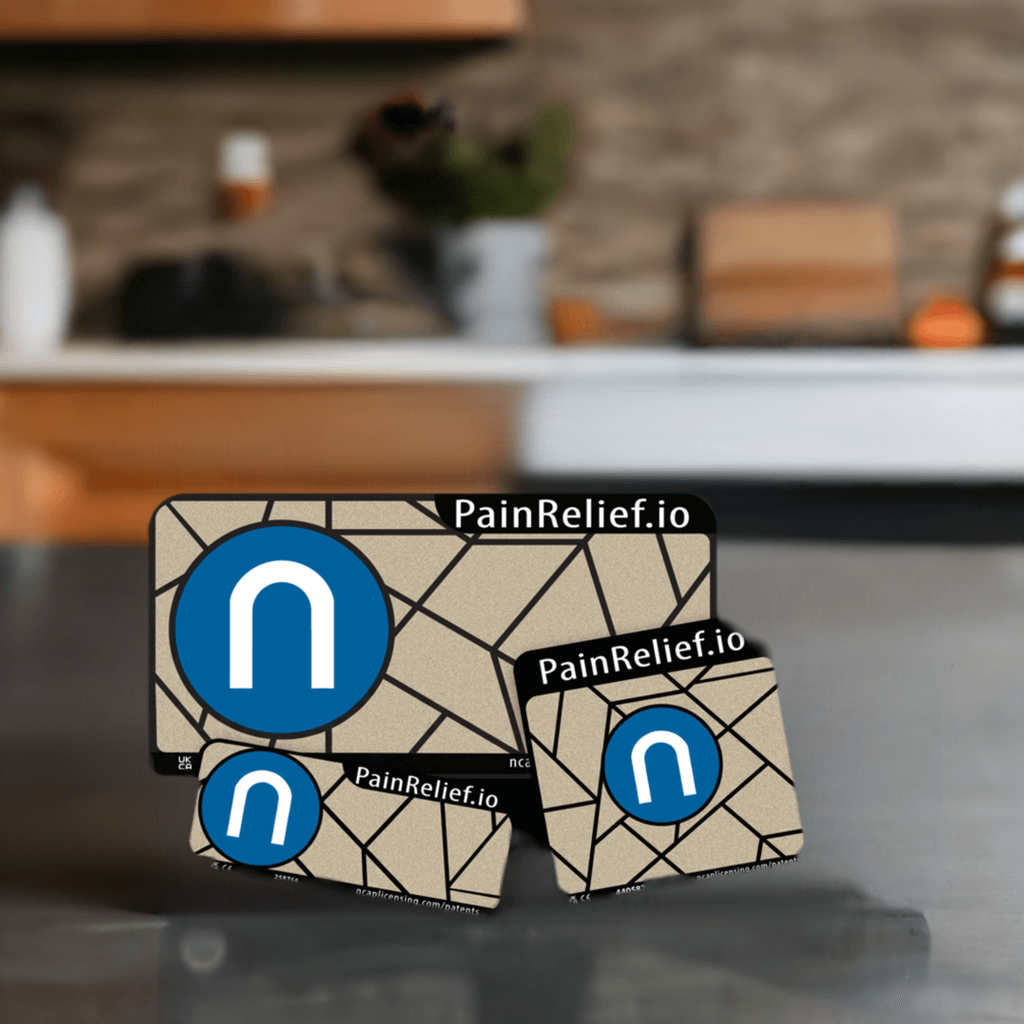
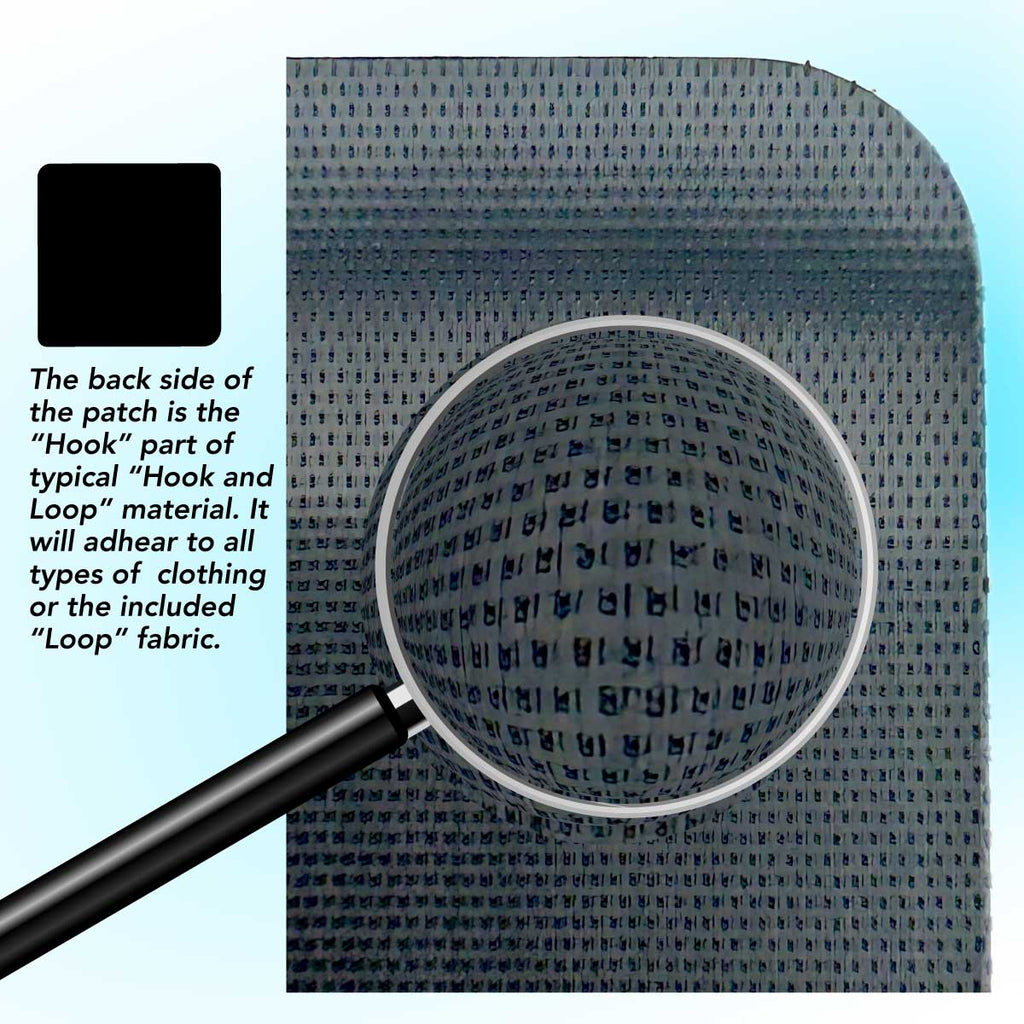
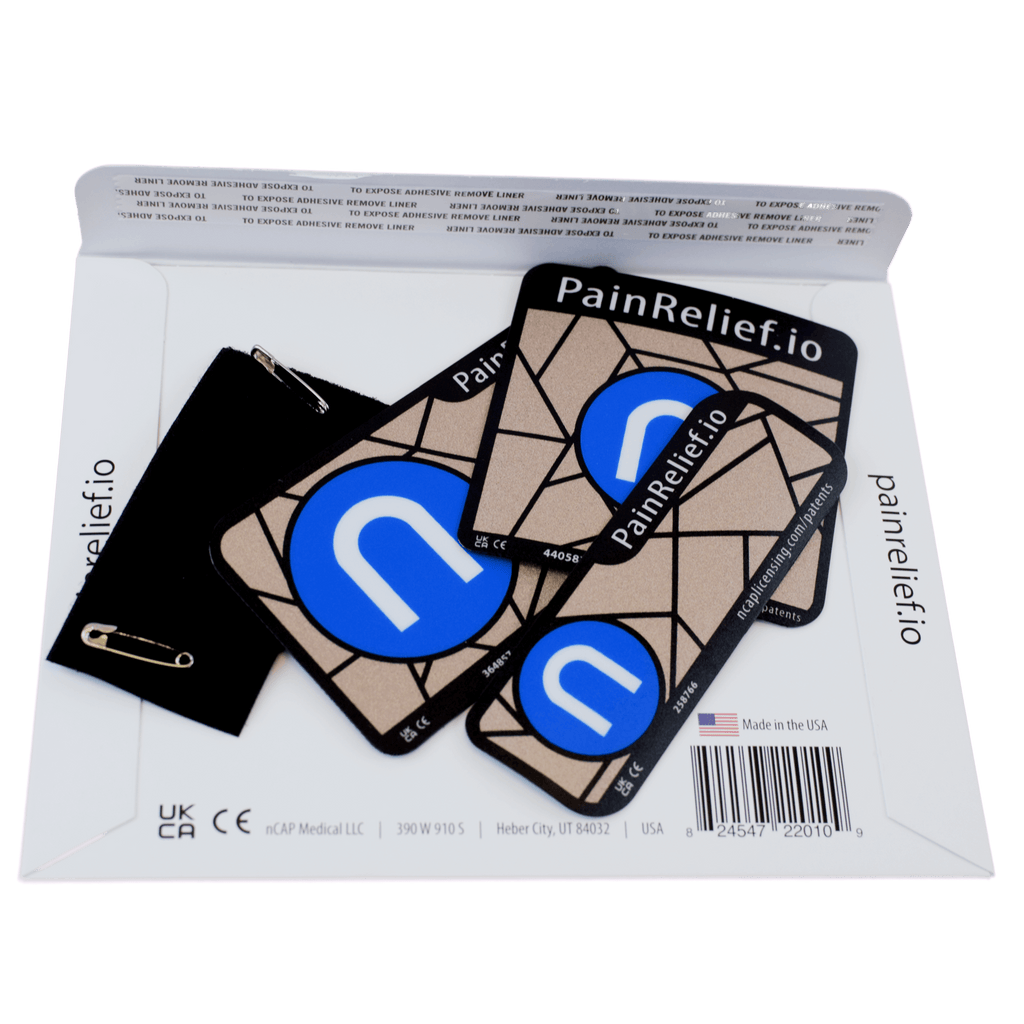
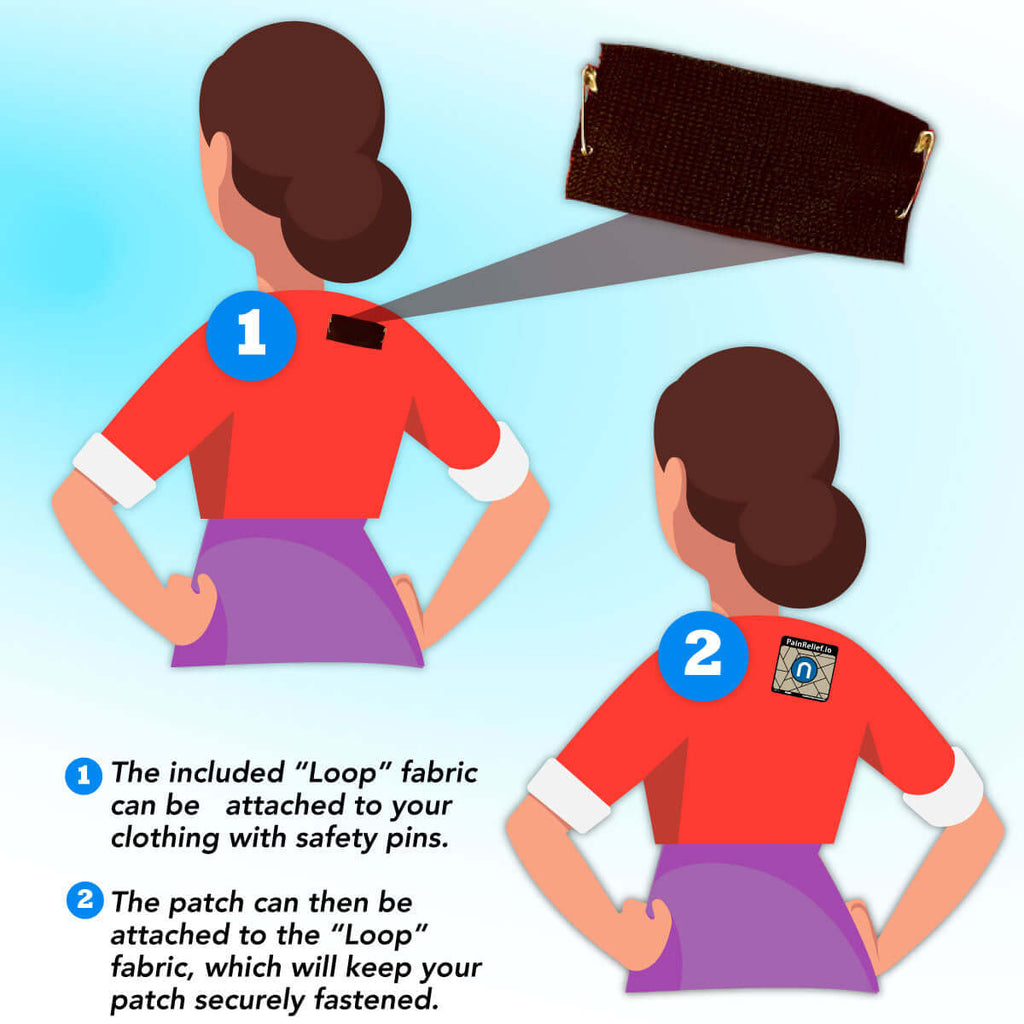
Some people also prefer drug-free wearable pain relief tools that can be used during the day without interrupting work, errands, or sleep. That can be especially useful when bloating is part of a bigger period pain pattern rather than an isolated symptom.
If you tend to get constipated before your period, addressing that early can reduce how distended your abdomen feels. Hydration, light movement, and foods you know your body handles well often help more than making major changes all at once.
Magnesium is sometimes discussed for PMS and constipation support, but it is not one-size-fits-all. For some people it helps. For others, it can irritate the stomach or cause loose stools. If you are considering supplements, it is smart to check what fits your health history.
Bloating during period is common, but common does not always mean insignificant. If your bloating is severe, rapidly worsening, or paired with very painful periods, heavy bleeding, pain during sex, or major digestive symptoms, it is worth paying closer attention.
Conditions like endometriosis, fibroids, adenomyosis, IBS, and even food sensitivities can overlap with menstrual symptoms. Some people experience what is sometimes called endo belly - significant abdominal swelling linked to endometriosis and inflammation. That kind of bloating is often more dramatic and more painful than typical PMS puffiness.
A good rule of thumb is this: if your symptoms interfere with work, sleep, movement, or daily life every month, they deserve more than a shrug. Tracking when bloating starts, how long it lasts, what it feels like, and what comes with it can help you spot patterns and know when to talk with a healthcare professional.
Sometimes, but not always. Because bloating during period is tied to your cycle, the goal is often reduction rather than total elimination. For some people, a few simple changes make a big difference. For others, the symptom improves only when the bigger issue - like severe PMS, endometriosis, or unmanaged period pain - is addressed.
That is why it helps to think in terms of control, not perfection. If you can reduce swelling, ease pressure, improve digestion, and support pain relief at the same time, the whole experience often becomes more manageable.
Period symptoms tend to stack. Bloating, cramps, back pain, fatigue, and digestive changes can all feed into each other. When that happens, relief usually comes from lowering the overall burden on your body instead of chasing one symptom in isolation.
That may mean drinking more water, walking when you can, using heat, choosing less salty meals for a couple of days, and leaning on drug-free comfort tools that fit into real life. PainRelief.io® focuses on that kind of practical support - solutions that help people manage recurring discomfort without adding more friction.
If your period makes your body feel tight, swollen, and out of sync, you are not imagining it, and you are not overreacting. The right goal is not to pretend it is no big deal. It is to find a routine that helps you feel more like yourself, even on the harder days.