
¡Envío y devoluciones gratis por encima de $100!
If you have ever peeled off a pain patch and found red, itchy skin underneath, you already know the real question is not just whether it works. It is whether wearable pain patches are safe for your body, your skin, and repeated use. The short answer is yes, many are safe when used as directed, but the details matter because not all patches work the same way and not all risks are equal.
Some wearable pain patches deliver medication through the skin. Others rely on ingredients like menthol, capsaicin, or lidocaine. A newer category uses drug-free wearable technology designed to interact with the body without pills, creams, batteries, or heat. When people ask, are wearable pain patches safe, they are often grouping very different products into one bucket. That is where confusion starts.
For many adults, wearable pain patches can be used safely for short-term or recurring discomfort. But safety depends on three things: what the patch contains, how long it stays on, and how your body responds to it.
A medicated patch carries a different risk profile than a drug-free wearable patch. If a product contains active pharmaceutical ingredients, you have to consider dosage, drug interactions, sensitivity, and how often you are using it. If it uses topical ingredients, skin irritation becomes one of the biggest issues. If it is a reusable, noninvasive wearable device, the safety questions tend to shift away from chemical exposure and toward skin tolerance, placement, and product quality.
That is why blanket answers are not very helpful. A patch can be safe for one person and a poor fit for another, especially if they have sensitive skin, take multiple medications, or wear the product for long stretches.
The word patch makes everything sound similar, but the actual experience can be very different.
Prescription transdermal patches are designed to move medication through the skin and into the bloodstream. These can be effective, but they also require more caution because the body is absorbing an active drug. That raises the stakes for side effects, interactions, and accidental overuse.
Over-the-counter pain patches often use ingredients such as menthol, lidocaine, or capsaicin. These usually act more locally, but they can still irritate the skin, cause burning sensations, or create problems if used too often or layered with other products.
Drug-free wearable pain relief products sit in a different category. Instead of delivering medication, they are intended to support relief without chemical ingredients. For many people, that makes them appealing for recurring pain, especially if they are trying to reduce reliance on pills or disposable topical products.
From a safety standpoint, lower chemical exposure usually means fewer systemic concerns. That does not mean every drug-free wearable is automatically safe, but it does mean the risk profile is often simpler.
Across almost every category, skin reaction is the complaint that shows up most often. Adhesives can pull at the skin, trap moisture, or trigger redness. Active ingredients can cause stinging, burning, or sensitivity. Heat-based products can sometimes make irritation worse, especially on delicate areas.
This matters even more if you are dealing with chronic pain. A product that feels fine once may become uncomfortable after repeated use on the same spot. Safety is not just about whether a patch causes a serious reaction. It is also about whether your skin can tolerate it again and again.
Some people need to think more carefully before using any patch, even one sold over the counter. If you have sensitive skin, eczema, psoriasis, or a history of adhesive allergies, your risk of irritation is higher. If you are pregnant, nursing, taking prescription medications, or managing a chronic health condition, it is worth checking with a healthcare professional before using medicated patches.
Older adults may also need extra caution because thinner skin can be more easily irritated or damaged by strong adhesives. The same goes for anyone using multiple pain relief methods at once, like oral pain relievers, topical creams, and patches layered together. The more overlap there is, the easier it becomes to overdo it.
Even athletes and otherwise healthy adults can run into problems if they place a patch on broken skin, wear it longer than directed, or use it under tight wraps or heating pads.
Your body usually gives clear feedback when something is off. If you notice intense burning, rash, swelling, blistering, dizziness, nausea, or headache after applying a patch, stop using it and remove it right away. With medicated patches, those symptoms can point to more than simple skin irritation.
There is also a less obvious sign to watch for: needing more and more product just to get the same effect. That may suggest the patch is not the right solution for the type of pain you have, or that you are relying on a short-term tool for a long-term problem.
Pain relief should support your day, not add a second problem to manage.
A little caution goes a long way. Start by reading the product directions fully, even if the patch seems simple. Many safety issues happen because people assume all patches can be used the same way.
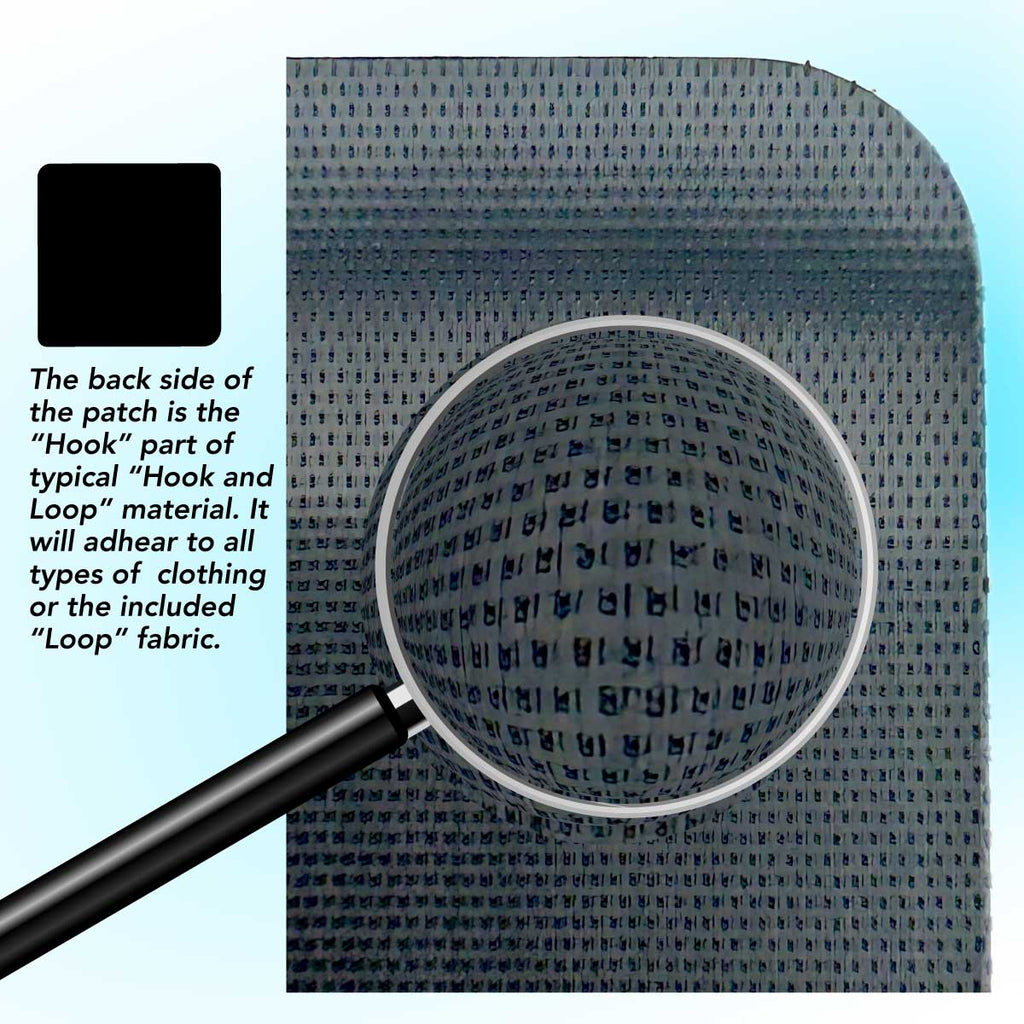
Apply the product only to clean, dry, unbroken skin. Avoid layering it with lotions, creams, or heating devices unless the instructions explicitly say that is safe. Do not leave it on longer than recommended. If the product is reusable, keep it clean and store it properly so the adhesive and surface stay intact.
If you know your skin reacts easily, test a small area first. That extra step can save you from wearing something for hours only to find out your skin hates it.
It also helps to rotate placement when possible. Repeatedly using the exact same spot can increase irritation, especially around joints or areas where clothing rubs.
In many cases, they can be a lower-risk option, especially for people who want to avoid medication exposure or frequent topical ingredient use. A well-designed drug-free wearable does not have to be absorbed into the body to be useful, and that changes the safety conversation in an important way.
Instead of asking whether a chemical ingredient is safe to use every day, you are more likely asking whether the material is skin-friendly, whether the design supports comfortable wear, and whether the device can be reused without losing effectiveness.
That is one reason many people with recurring back pain, joint pain, headaches, cramps, or nerve discomfort start looking beyond disposable patches. They want something noninvasive that fits into daily life without adding more ingredients to manage.
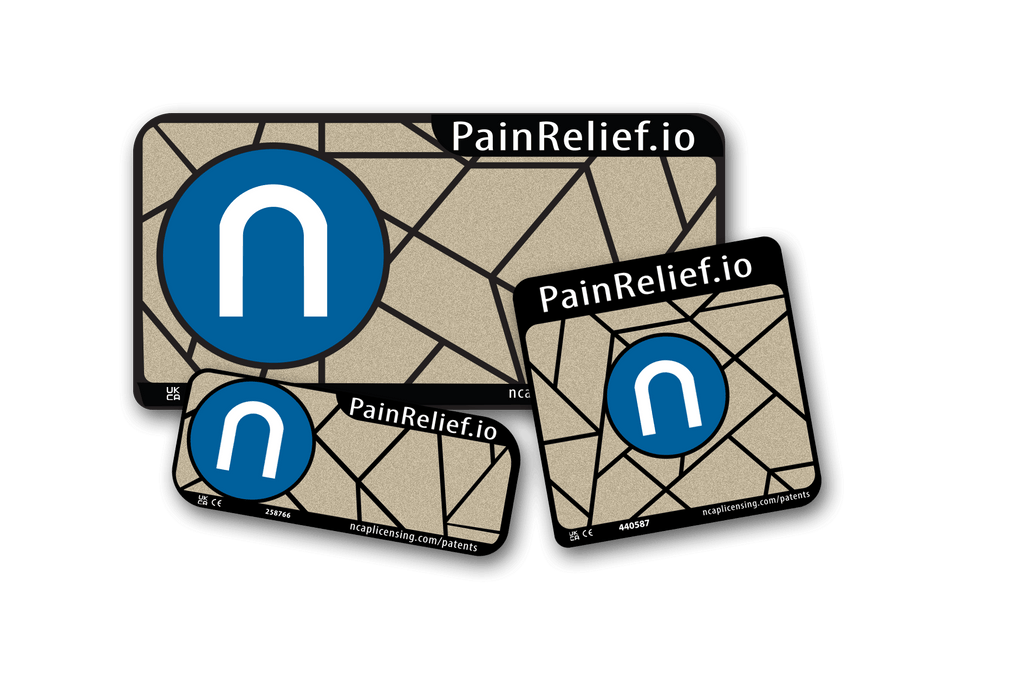
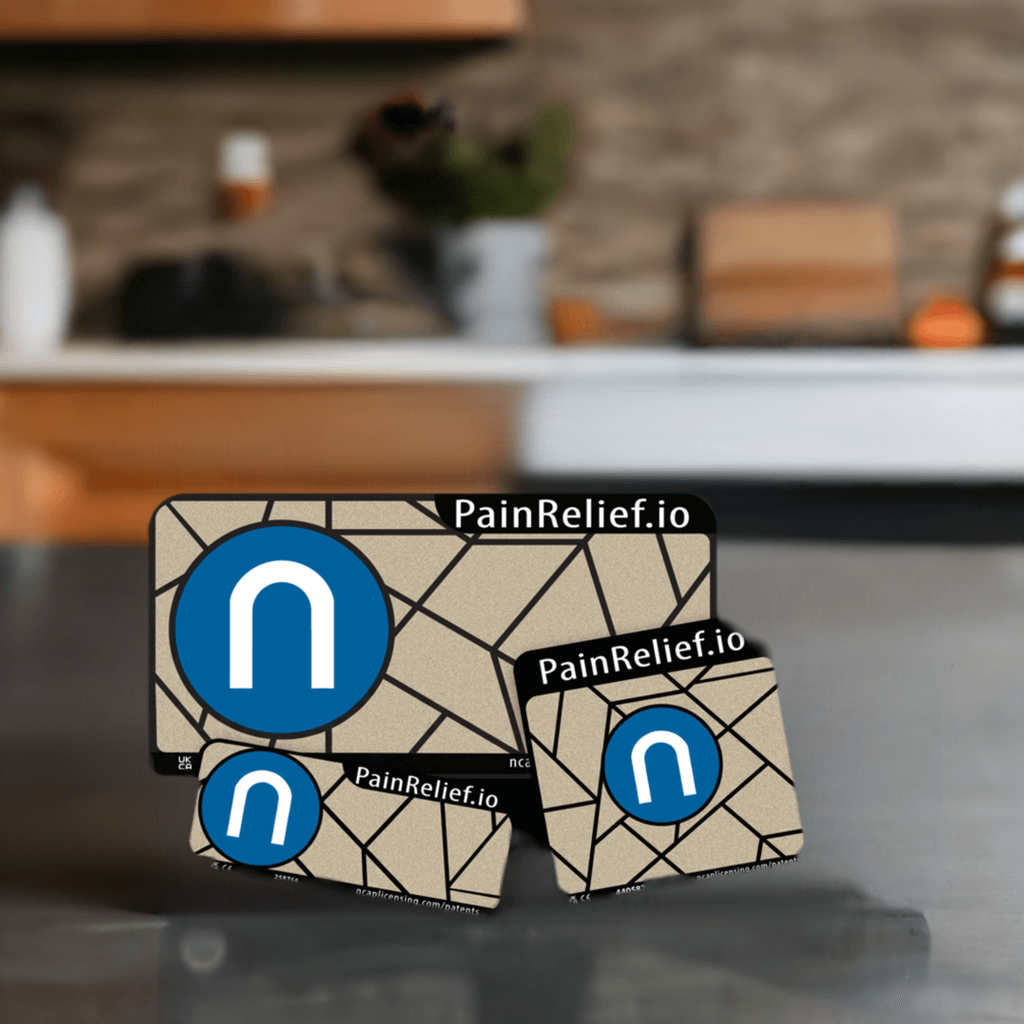
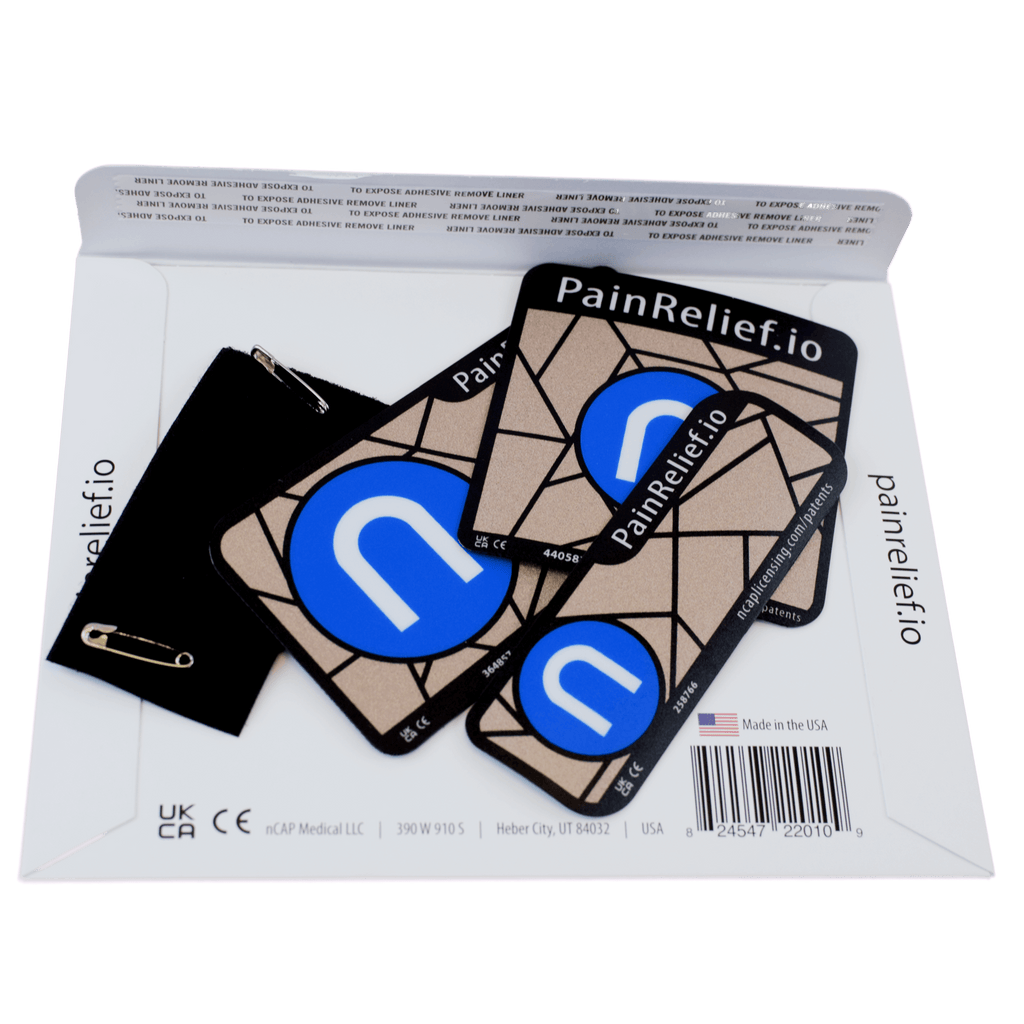
PainRelief.io® is part of that shift toward reusable, drug-free wearable relief. Its patented NeuroCuple® technology is designed to support pain relief without batteries, wires, creams, or medication, which can be especially appealing for people thinking about long-term use and everyday practicality.
Not every patch is a good match for every pain problem. A cooling topical patch may feel helpful for post-workout soreness but disappointing for deeper joint discomfort. A numbing ingredient may take the edge off localized pain but do little for recurring tension patterns. A drug-free wearable may be more attractive for broader, repeat-use situations where convenience and reusability matter.
This is where people sometimes confuse safety with suitability. A product may be technically safe, but if it does not match the type of pain you are dealing with, you may end up overusing it or combining it with too many other remedies. That is not a great long-term setup.
The safest option is often the one you can use correctly, consistently, and comfortably without creating extra stress for your skin or system.
A wearable patch is not the right answer for every pain issue. If pain is sudden, severe, spreading, or accompanied by numbness, weakness, fever, chest discomfort, or major swelling, it is time to seek medical care. The same goes for pain that keeps returning without a clear reason or starts interfering with sleep, work, or mobility.
Patches can be useful tools, but they should not become a way to ignore warning signs.
For everyday aches, recurring tension, and ongoing pain management, safety usually comes down to choosing the right category, respecting your skin, and paying attention to how your body responds. If you want relief without the trade-offs that can come with medication or messy topicals, a reusable drug-free wearable may be the simpler path to try.
Buscar
Terms of Service
Refund Policy
Contact Us
No vender ni compartir mi información personal
Affiliates: Join or Log In
PATENTS
¡Es fácil de usar! Simplemente coloque el dispositivo encima de su dolor, Between the Pain and the Brain(tm) , y su dolor comenzará a desaparecer en minutos. Todo en un dispositivo portátil, delgado y reutilizable. ¡Sin baterías, sin cables, sin aceites malolientes, sin drogas y es de acción rápida!
El dispositivo está construido con nuestra capa patentada Neurocuple® sellada entre dos capas impermeables. Una vez colocada en el lugar correcto, la capa Neurocuple® se activa directamente por la energía del propio cuerpo del usuario; después de unos minutos, el usuario siente una sensación de calor, frío u hormigueo a medida que el dolor desaparece.
El dispositivo PainRelief.io® es un producto de bienestar general que ayuda a promover la actividad física para los usuarios con dolor crónico e intermitente, que, como parte de un estilo de vida saludable, puede ayudar a vivir con estas condiciones y puede retrasar la aparición de discapacidades relacionadas.