

¡Envío y devoluciones gratis por encima de $100!
That tight, tired feeling in your jaw can make ordinary things feel like work. Chewing lunch, speaking in a meeting, or waking up after a full night of sleep may leave your face sore and your temples aching. The most useful approach is usually not one big fix — it's a series of small changes that help the jaw stop working overtime.
Your jaw is designed for powerful but brief movements — chewing and speaking — not for staying clenched for hours. Yet many people hold their teeth together while concentrating, driving, exercising, or scrolling on a phone without noticing it. The resting position of a relaxed jaw is simple: lips gently together, teeth slightly apart, tongue resting lightly on the roof of the mouth. If your teeth are touching when you're not eating, your jaw muscles are still doing a job.
Nighttime grinding or clenching adds another layer. You may not know it's happening, but signs can include morning jaw soreness, headaches near the temples, sensitive teeth, worn tooth surfaces, or a partner hearing grinding at night.
Start by checking your jaw at predictable moments — when you open your laptop, answer a call, stop at a red light, or get into bed. Let the lower jaw hang slightly and quietly cue yourself: lips together, teeth apart. This brief check can interrupt unconscious clenching before it builds into a headache.
A warm, damp washcloth or heating pad held along the cheek and jawline for 10 to 15 minutes can help tight muscles feel more flexible. Use comfortable warmth, not high heat, and avoid falling asleep with a heating pad in place. After heat, try a light massage — with clean fingertips, make small circles over the muscle that tightens when you clench, then move upward to the temples. Keep pressure gentle; deep, forceful massage can make an already sensitive area feel more irritated.
Stiffness can make you want to stretch your mouth wide, but aggressive stretching rarely helps. Instead, place the tip of your tongue just behind your upper front teeth, slowly open your mouth only as far as feels comfortable, then close. Repeat five to 10 times with no popping, forcing, or sharp pain. If your jaw catches, locks, or pain increases, stop and seek professional guidance rather than pushing through it.
When jaw muscles are flared up, reduce their workload for a few days. Choose foods that don't require long or forceful chewing — eggs, yogurt, soups, fish, cooked vegetables, oatmeal, smoothies. Cut food into smaller pieces and take smaller bites. This is a temporary recovery strategy, not a permanent diet — once symptoms calm, return to a balanced diet as tolerated.
Jaw tension is often sustained by ordinary habits rather than one obvious injury. For a week, consider reducing gum, chewy candy, tough meats, bagels, and foods that require wide bites. Avoid holding a phone between your shoulder and ear, and don't rest your chin heavily in your hand while working. Posture matters too — when your head drifts forward toward a screen, the muscles under and around the jaw may compensate. Raise your screen closer to eye level, support your lower back, and take brief movement breaks.
Stress doesn't mean jaw pain is "all in your head" — it means your nervous system may be sending a protective signal that keeps muscles guarded. A practical way to interrupt the loop: pair jaw relaxation with an activity you already do. Each time you wash your hands, take three slow breaths — in through the nose, exhale longer than you inhaled, letting your shoulders drop and your teeth separate. Some people benefit from a short evening routine: gentle heat, a few controlled jaw movements, reduced screen time, and calm breathing before bed. Consistency matters more than an elaborate routine done once a week.
If symptoms are worst in the morning, sleep may be a major piece of the puzzle. Side sleeping with your hand or forearm pressed under the jaw can put pressure on the joint — try adjusting your pillow so your neck stays supported and your jaw isn't pushed sideways. A dentist can evaluate whether a custom night guard is appropriate if you grind or clench; over-the-counter guards may help temporarily, but a poor fit can sometimes worsen discomfort.
During a flare, the priority shifts from prevention to reducing load right now. Stick to soft foods, keep conscious check-ins on jaw position more frequent, and lean on heat or cold — whichever calms the area rather than irritates it. Avoid the temptation to "test" the jaw by opening wide repeatedly to see if it still hurts; that tends to prolong the flare rather than resolve it. Most flares settle within several days to two weeks with reduced strain and consistent gentle care. If a flare isn't easing after that window, or is getting worse, it's a signal to get it evaluated rather than keep waiting it out.
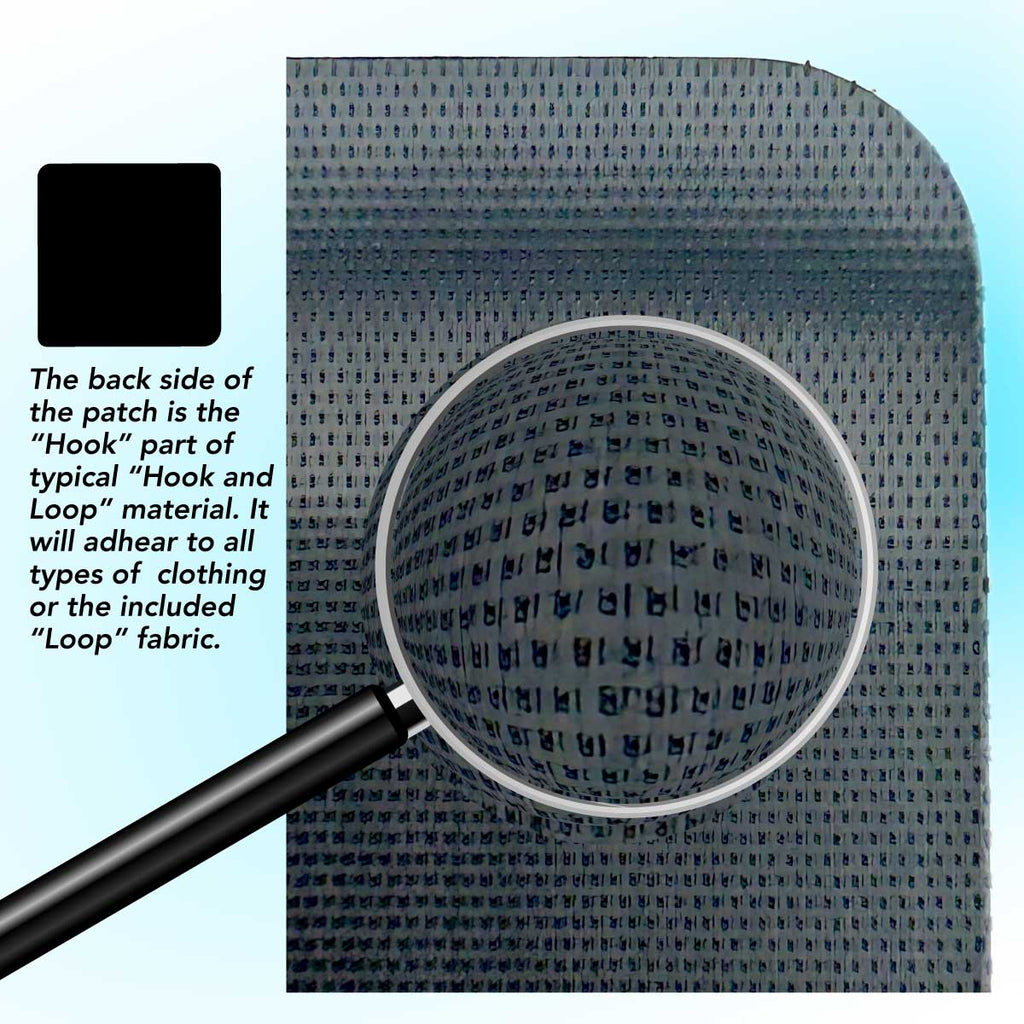
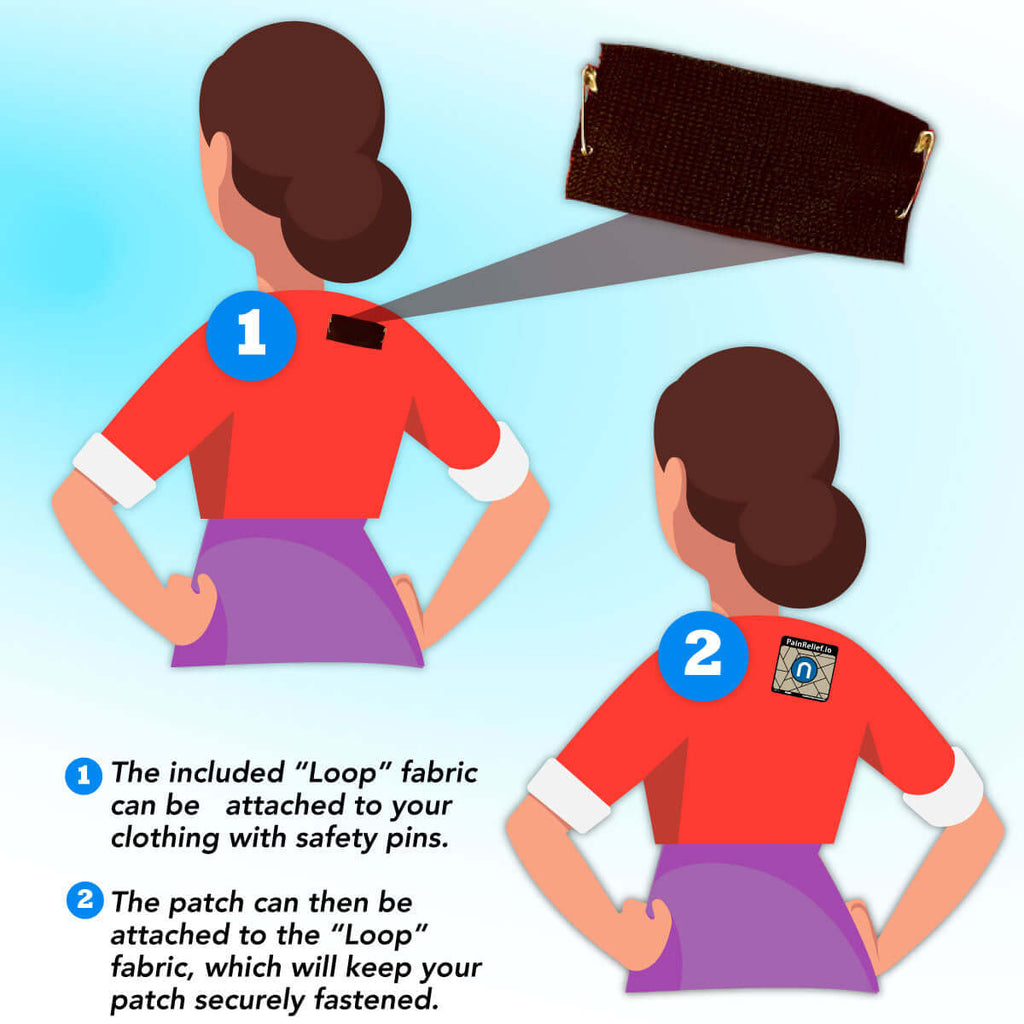
Natural jaw tension care can include gentle movement and habit changes, but recurring discomfort may call for another noninvasive layer of support. PainRelief.io® uses patented NeuroCuple® nanocapacitive technology in reusable, battery-free wearable devices. For jaw-area use, placement should follow product instructions and avoid covering the mouth, airway, or irritated skin. It's not a substitute for evaluating dental problems, joint injury, or persistent TMJ symptoms, but it may fit well into a broader routine focused on reducing muscle guarding.
Explore PainRelief.io® Wearables → — backed by a 137-day money-back guarantee.
Home care is appropriate for many mild cases, but don't ignore symptoms that suggest a dental or medical problem. Contact a dentist, doctor, or qualified clinician if you have jaw locking, difficulty opening or closing your mouth, swelling, fever, trauma, a sudden bite change, tooth pain, numbness, or pain that steadily worsens. It's also wise to get help if jaw pain lasts more than a few weeks, repeatedly disrupts sleep, or comes with frequent headaches.
Your jaw doesn't need more willpower or harsher stretching. It needs fewer reasons to brace. Start with a relaxed resting position, soften the workload, and repeat the small practices that help your body recognize it can let go.
Want to understand what's actually causing your jaw pain in the first place? Read What Causes Jaw Pain and TMJ Disorders?. Considering a wearable device? See our complete TMJ and jaw pain relief buying guide.
This article is provided for general educational purposes and is not a substitute for professional medical advice, diagnosis, or treatment. Seek medical care for severe, persistent, unusual, or worsening symptoms.
Buscar
About Us
Terms of Service
Refund Policy
Contact Us
No vender ni compartir mi información personal
Affiliates: Join or Log In
Clinical
Where to Buy
Government Procurement
¡Es fácil de usar! Simplemente coloque el dispositivo encima de su dolor, Between the Pain and the Brain(tm) , y su dolor comenzará a desaparecer en minutos. Todo en un dispositivo portátil, delgado y reutilizable. ¡Sin baterías, sin cables, sin aceites malolientes, sin drogas y es de acción rápida!
El dispositivo está construido con nuestra capa patentada Neurocuple® sellada entre dos capas impermeables. Una vez colocada en el lugar correcto, la capa Neurocuple® se activa directamente por la energía del propio cuerpo del usuario; después de unos minutos, el usuario siente una sensación de calor, frío u hormigueo a medida que el dolor desaparece.
El dispositivo PainRelief.io® es un producto de bienestar general que ayuda a promover la actividad física para los usuarios con dolor crónico e intermitente, que, como parte de un estilo de vida saludable, puede ayudar a vivir con estas condiciones y puede retrasar la aparición de discapacidades relacionadas.