

¡Envío y devoluciones gratis por encima de $100!
Fibromyalgia is a real, complex condition that affects millions of people, and it deserves to be discussed carefully — not as a vague catch-all for unexplained aches, but as a recognized chronic pain condition with its own patterns, challenges, and legitimate impact on daily life. If you're living with fibromyalgia or trying to understand it, here's a grounded look at what it involves.
Fibromyalgia is a chronic condition characterized by widespread musculoskeletal pain, along with fatigue, sleep disturbances, and often cognitive difficulties sometimes described as "fibro fog." It's believed to involve changes in how the central nervous system processes pain signals, effectively amplifying pain sensations beyond what would typically be expected from a given stimulus. This is different from pain caused by inflammation or tissue damage in a specific area — it's a broader, systemic pattern.
The hallmark symptom is widespread pain affecting both sides of the body, above and below the waist, often described as a constant dull ache. Many people with fibromyalgia also experience heightened sensitivity to touch, pressure, temperature, or other stimuli that wouldn't typically be painful — a pattern that varies in intensity from person to person. Fatigue is common and often profound, frequently accompanied by non-restorative sleep, meaning you can sleep a full night and still wake up exhausted. Cognitive symptoms — difficulty concentrating, memory issues, mental fogginess — are frequently reported alongside the physical symptoms. Headaches, irritable bowel symptoms, and mood changes including anxiety and depression are also common, reflecting how broadly this condition can affect daily functioning.
Symptoms often fluctuate rather than staying constant, and many people identify patterns in what makes flares more likely: physical or emotional stress, poor or insufficient sleep, changes in weather, and overexertion are commonly reported triggers, though patterns vary significantly from person to person. Keeping track of your own patterns over time — through a simple log of symptoms, sleep, stress, and activity — can help identify what's specific to your experience rather than relying on generic advice that may not apply to you.
There's no single cure for fibromyalgia, and management usually involves a combination of approaches tailored to the individual, ideally guided by a doctor experienced with the condition. Gentle, regular exercise — even when it feels counterintuitive during a flare — is one of the most consistently supported strategies, though it typically needs to start slowly and build gradually to avoid triggering more symptoms. Sleep support is often a major focus, since poor sleep and worsened pain tend to reinforce each other. Stress management techniques, including approaches like cognitive behavioral therapy, have research support for helping people manage the condition's impact. Medications may be part of a treatment plan for some people, prescribed and monitored by their physician.
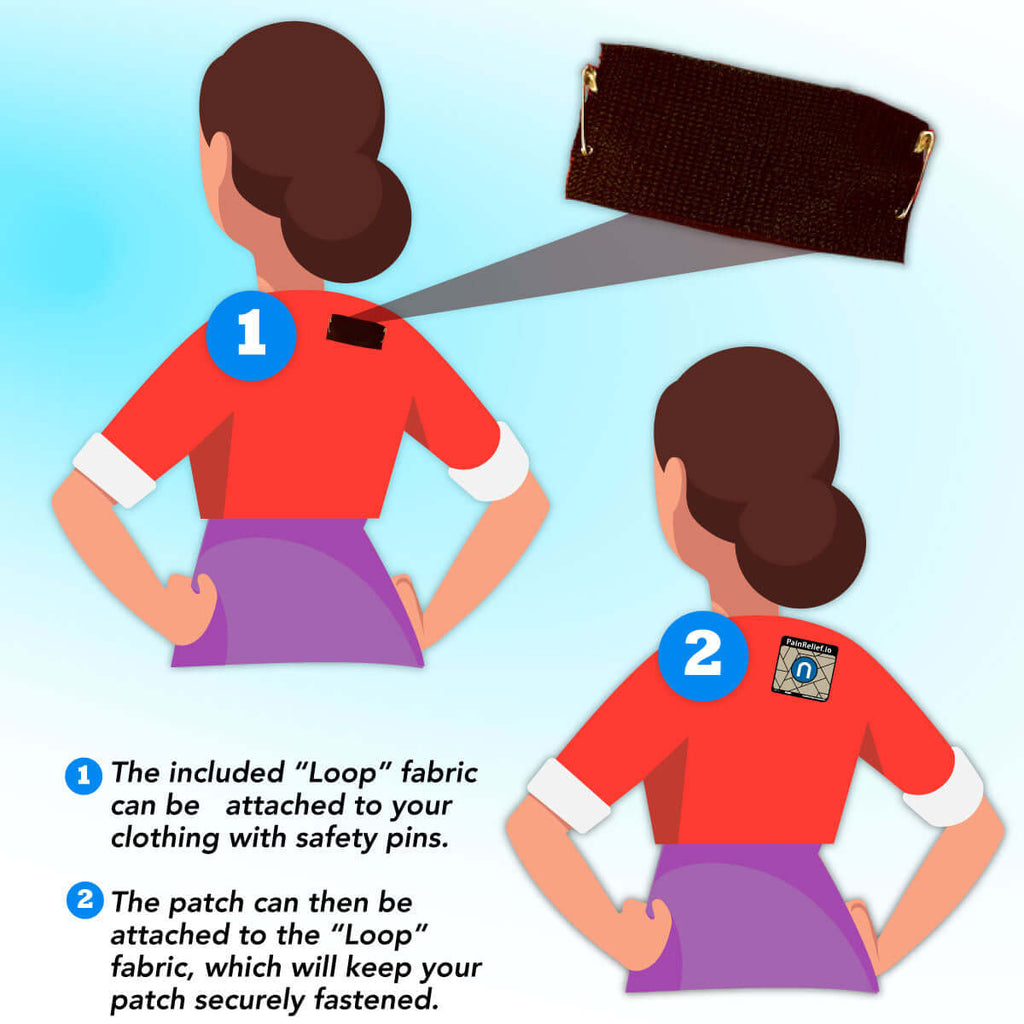
Because fibromyalgia often involves heightened sensitivity to touch and pressure, anything applied to the skin — including wearable devices, adhesives, or compression — should be introduced gradually and evaluated based on your own tolerance, which can vary significantly day to day and person to person. What feels neutral on one day might feel uncomfortable during a flare. If you're considering a drug-free wearable device as part of your broader management plan, start with a small trial, pay attention to how your body responds, and discuss it with your doctor if you have concerns, particularly if you experience significant allodynia (pain from normally non-painful stimuli).
Some people with fibromyalgia do find reusable, drug-free wearables a useful addition to their broader routine for localized muscle tension, used thoughtfully alongside the rest of their care plan. PainRelief.io® devices use patented NeuroCuple® nanocapacitive technology in a lightweight, battery-free format — if you try one, introduce it gradually and stop if it increases discomfort rather than helping.
Pacing activity — breaking tasks into manageable pieces and building in rest rather than pushing through until you crash — is a strategy many people with fibromyalgia find genuinely helpful for maintaining a more stable baseline. Connecting with others who understand the condition, whether through a support group or online community, can also make a meaningful difference, since fibromyalgia is sometimes still misunderstood or dismissed by people who haven't experienced it, which can be isolating on top of the physical symptoms.
If you're experiencing widespread, persistent pain along with fatigue and sleep issues, it's worth discussing fibromyalgia specifically with your doctor, since diagnosis typically involves ruling out other conditions that can cause similar symptoms. If you've already been diagnosed and notice significant changes in your symptoms, new symptoms that seem unrelated to your usual pattern, or your current management plan isn't providing adequate relief, follow up with your care team to reassess your approach.
Looking for broader strategies for managing chronic pain day to day? Read Understanding Chronic Pain and Drug-Free Management Options.
This article is provided for general educational and awareness purposes and is not a substitute for professional medical advice, diagnosis, or treatment. Fibromyalgia should be evaluated and managed by a qualified healthcare provider.

Buscar
About Us
Terms of Service
Refund Policy
Contact Us
No vender ni compartir mi información personal
Affiliates: Join or Log In
Clinical
Where to Buy
Government Procurement
¡Es fácil de usar! Simplemente coloque el dispositivo encima de su dolor, Between the Pain and the Brain(tm) , y su dolor comenzará a desaparecer en minutos. Todo en un dispositivo portátil, delgado y reutilizable. ¡Sin baterías, sin cables, sin aceites malolientes, sin drogas y es de acción rápida!
El dispositivo está construido con nuestra capa patentada Neurocuple® sellada entre dos capas impermeables. Una vez colocada en el lugar correcto, la capa Neurocuple® se activa directamente por la energía del propio cuerpo del usuario; después de unos minutos, el usuario siente una sensación de calor, frío u hormigueo a medida que el dolor desaparece.
El dispositivo PainRelief.io® es un producto de bienestar general que ayuda a promover la actividad física para los usuarios con dolor crónico e intermitente, que, como parte de un estilo de vida saludable, puede ayudar a vivir con estas condiciones y puede retrasar la aparición de discapacidades relacionadas.