
A burning foot at bedtime, a shock-like sensation traveling down one leg, or numb fingers that make a coffee mug feel unsteady can all be described as nerve pain. However, they do not necessarily point to the same cause.
A nerve pain chart can help you describe what you are feeling, recognize useful patterns, and decide whether gentle home comfort measures or timely medical care may be appropriate.
Nerve-related discomfort can be especially frustrating because the intensity may seem out of proportion to anything visible. There may be no bruise, swelling, or obvious injury. The sensation can also change from day to day depending on posture, movement, sleep, stress, or an underlying health condition.
Nerve Pain Chart: Common Sensations and Patterns
Nerves carry messages between the brain, spinal cord, and the rest of the body. When a nerve becomes irritated, compressed, injured, or begins functioning differently, those messages may become distorted.
Instead of receiving a clear signal about touch, temperature, or movement, you may experience burning, tingling, numbness, unusual sensitivity, or sudden pain that travels along a particular route.
| What It Feels Like | Common Pattern | What May Be Involved |
|---|---|---|
| Burning, hot, or raw | Often more noticeable at rest or at night | Nerve irritation or neuropathic discomfort |
| Pins and needles | May come and go with position or pressure | Temporary compression or reduced space around a nerve |
| Electric shocks or zaps | Travels along an arm, leg, rib, or part of the face | An irritated nerve pathway |
| Numbness or reduced feeling | A defined patch, hand, foot, finger, or toe | Compression or peripheral nerve changes |
| Sharp pain from light touch | Clothing, bedsheets, or gentle contact feels painful | Heightened nerve sensitivity |
| Tingling with weakness | Difficulty gripping, lifting the foot, or maintaining balance | Nerve involvement that deserves prompt evaluation |
This chart is a starting point, not a diagnosis. Sciatica, for example, is a common term for pain that travels from the lower back or buttock into the leg, but several structures and conditions can create a similar pattern.
Tingling in the hand may originate near the wrist, elbow, shoulder, neck, or somewhere else along the nerve pathway. The sensation alone rarely identifies the exact source.
Location Matters as Much as the Sensation
Where symptoms begin and where they travel can provide useful clues. Nerve discomfort often follows a route instead of remaining in one isolated sore spot.
Muscle pain is more likely to feel local, tight, or tender when pressed. Nerve-related discomfort is more likely to radiate, burn, tingle, create numbness, or produce altered sensation farther away from the original source.
Neck, Shoulder, Arm, and Hand
Neck discomfort accompanied by tingling, numbness, or pain that reaches into the shoulder, arm, hand, or fingers may occur when a nerve pathway is irritated near the neck.
Symptoms that flare after looking down at a phone, sitting at a computer, driving, or sleeping in an awkward position may have a posture-related component.
Tingling mainly in the thumb, index, and middle fingers can sometimes be associated with pressure near the wrist. Symptoms involving the ring and little fingers may follow a different nerve route near the elbow or neck.
Lower Back, Hip, Leg, and Foot
Pain that begins in the lower back or buttock and travels down the back or side of one leg is often described as sciatic-type pain.
Sitting, bending, coughing, lifting, or taking long drives may aggravate symptoms for some people. Others may notice burning, tingling, or numbness extending into the calf, ankle, or foot.
Burning or numbness in both feet, particularly when it is not clearly related to back movement or posture, may have a different cause and should be discussed with a healthcare professional.
Face and Jaw
Jaw tension, temporomandibular joint discomfort, dental problems, sinus conditions, and nerve-related facial pain can overlap.
Sudden, severe, electric shock-like facial pain is not something to diagnose using an online chart. A dentist or healthcare professional can help identify causes that require specific evaluation or treatment.
Chest, Ribs, and Abdomen
A band-like burning, tingling, or stabbing sensation around the ribs may sometimes follow an irritated nerve pathway.
New chest pain, pressure, shortness of breath, sweating, nausea, dizziness, or pain spreading into the jaw, back, or arm requires urgent medical attention. Do not assume chest discomfort is nerve pain simply because it feels sharp or changes with movement.
What Can Trigger or Aggravate Nerve Discomfort?
Sometimes the trigger appears straightforward. Symptoms may begin after a long day at a computer, repetitive work, strenuous exercise, an old injury, or sleeping with an arm tucked beneath the body.
In other cases, nerve discomfort may be associated with conditions such as diabetes, shingles, arthritis, spinal changes, vitamin deficiencies, medication effects, or other medical issues.
That is why tracking patterns is often more useful than trying to label every sensation immediately.
What to Track for One Week
- Where the sensation begins
- Where it travels
- Whether it burns, tingles, shocks, aches, or feels numb
- How long each episode lasts
- What activity or position came before it
- Whether movement, rest, heat, cold, or position changes help
- Whether weakness, balance changes, or skin sensitivity are present
These details can give a clinician a clearer picture if symptoms continue or worsen.
When a Nerve Pain Chart Is Not Enough
Gentle home care may be reasonable for mild, familiar discomfort without warning signs, especially when symptoms appear connected to temporary posture, overuse, or strain.
However, some symptoms require medical guidance quickly.
Seek Urgent Medical Care For:
- Sudden weakness or numbness on one side of the body
- Facial drooping or difficulty speaking
- A sudden severe headache
- Loss of bladder or bowel control
- Numbness in the groin or saddle area
- New difficulty standing or walking
- Chest pain, pressure, or shortness of breath
Seek prompt medical advice for persistent or worsening numbness, progressive weakness, pain after a significant injury, unexplained weight loss, fever, or a painful rash with blisters.
An appointment is also worthwhile when symptoms repeatedly disrupt sleep, limit work, interfere with balance, or make ordinary movement feel uncertain.
The goal is not simply to push through discomfort. It is to understand what may be contributing to it and protect your ability to move, work, sleep, and participate in daily life.
Practical Drug-Free Ways to Support Everyday Comfort
The most appropriate approach depends on the cause. Aggressive stretching may help one person whose surrounding muscles are tight but worsen symptoms for someone with an irritated or compressed nerve.
Begin gently and pay attention to what your body does during the activity and over the following several hours.
Change Positions Frequently
Frequent position changes may help when prolonged sitting or standing is a trigger. A short walk, a few minutes of gentle mobility, or an adjustment to your workstation may reduce steady pressure on an irritated area.
For neck and arm symptoms, raising screens closer to eye level, supporting the forearms, and avoiding long periods of looking downward may make a noticeable difference over the course of a workday.
Use Heat or Cold Carefully
Heat or cold may provide temporary comfort depending on the individual and the source of the symptoms.
Protect the skin and use short sessions rather than falling asleep with a heating pad or ice pack in place. If numbness or reduced sensation is present, use extra caution because it may be harder to recognize a burn or cold-related injury.
Consider Reusable Wearable Support
Drug-free wearable support may be a practical option for people seeking noninvasive comfort alongside movement, rest, posture changes, and clinician-guided care.
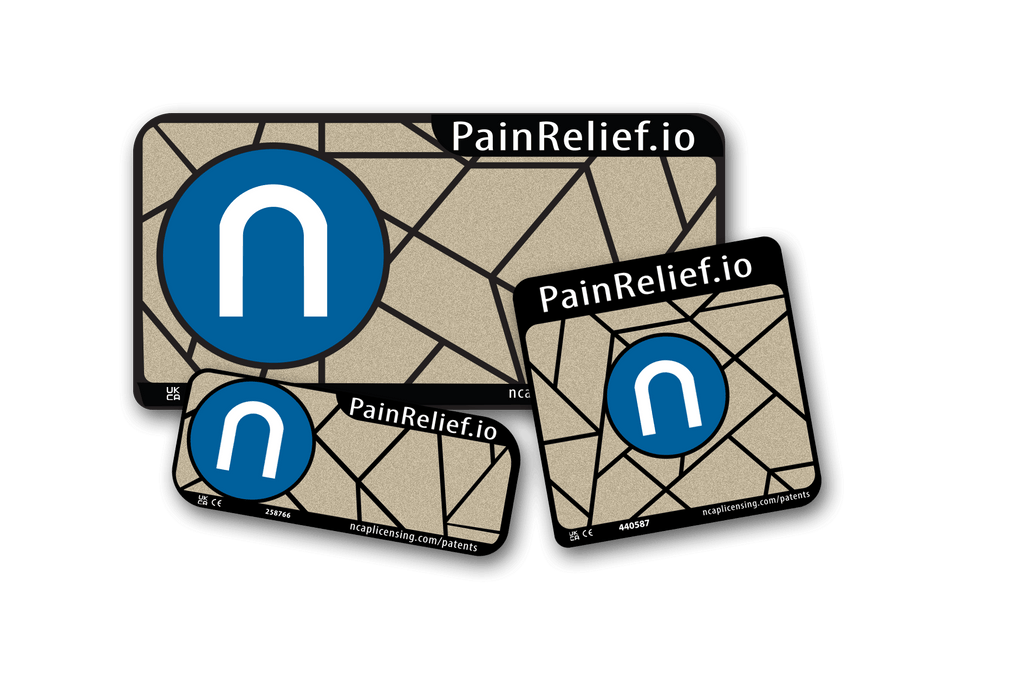
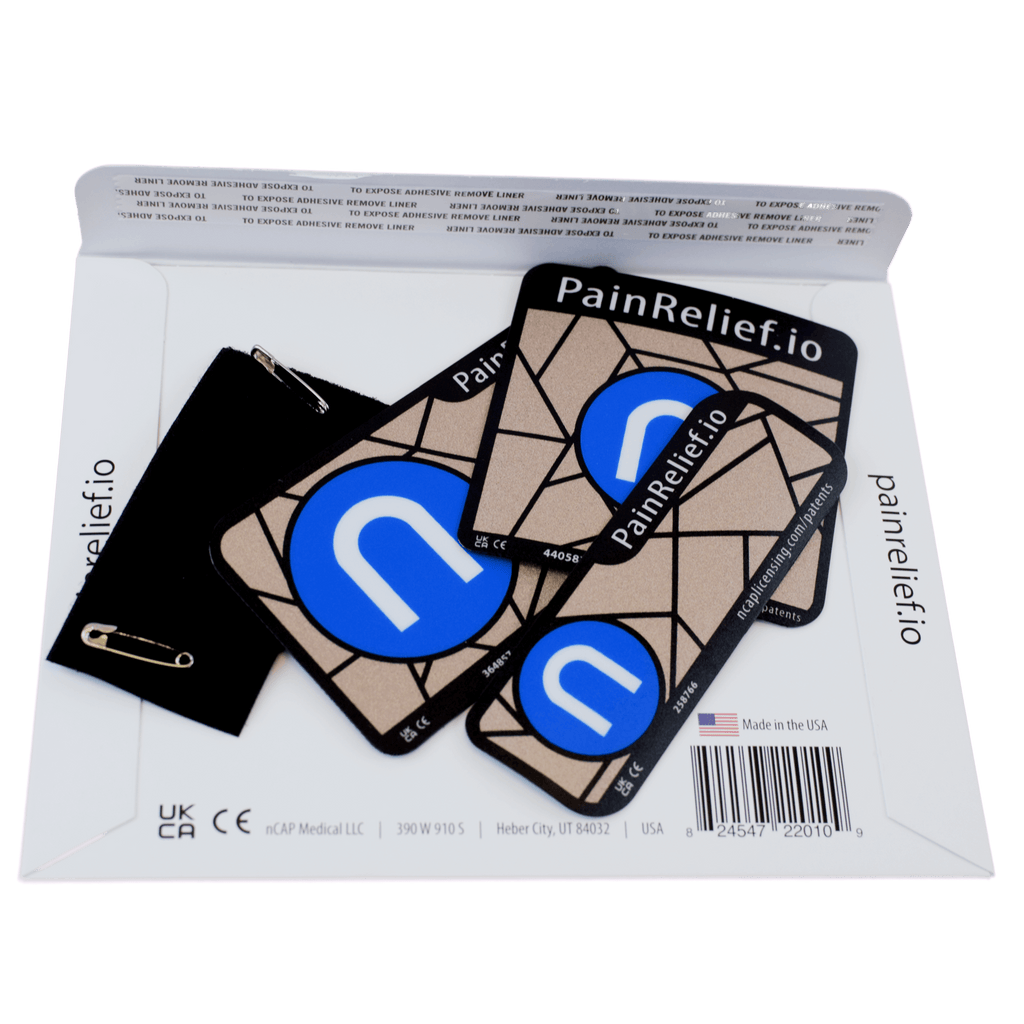
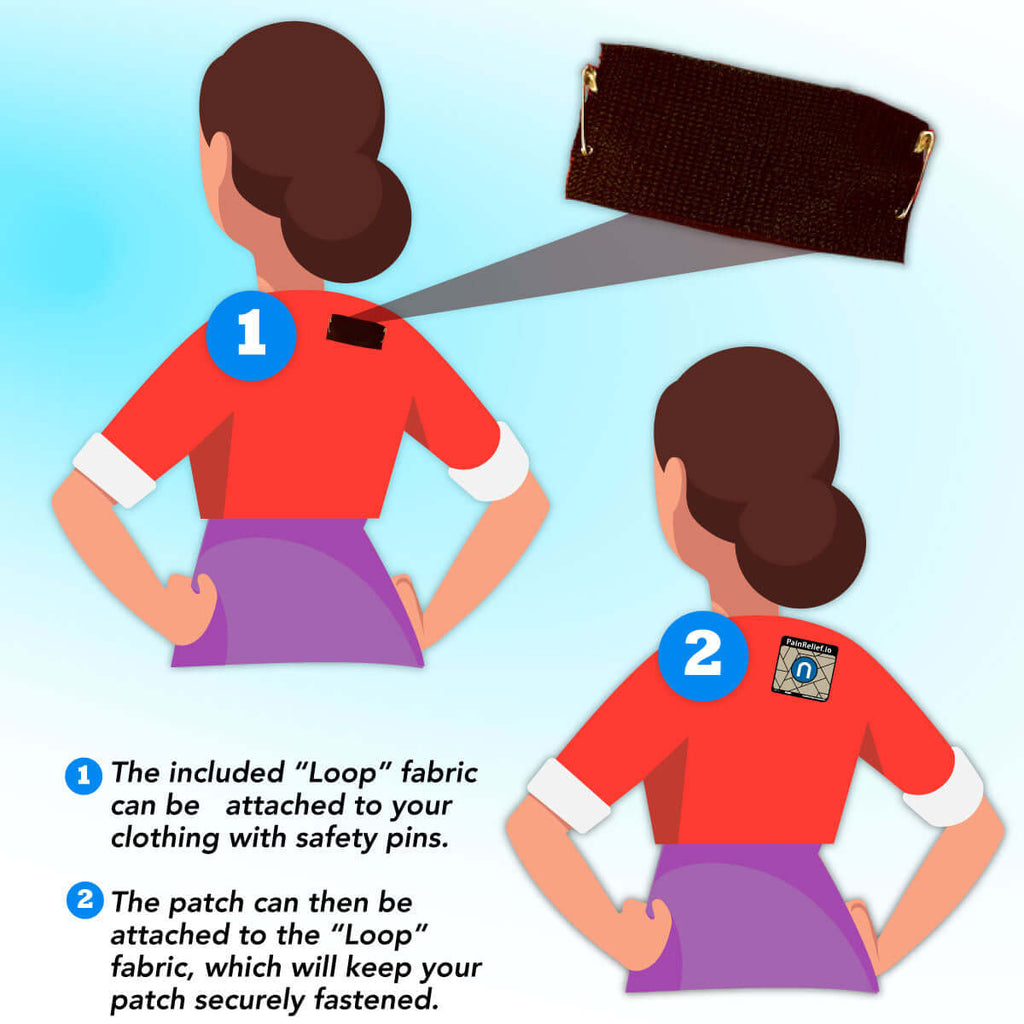
PainRelief.io® wearable devices use patented NeuroCuple® nanocapacitive technology and are designed to be positioned near the area of discomfort.
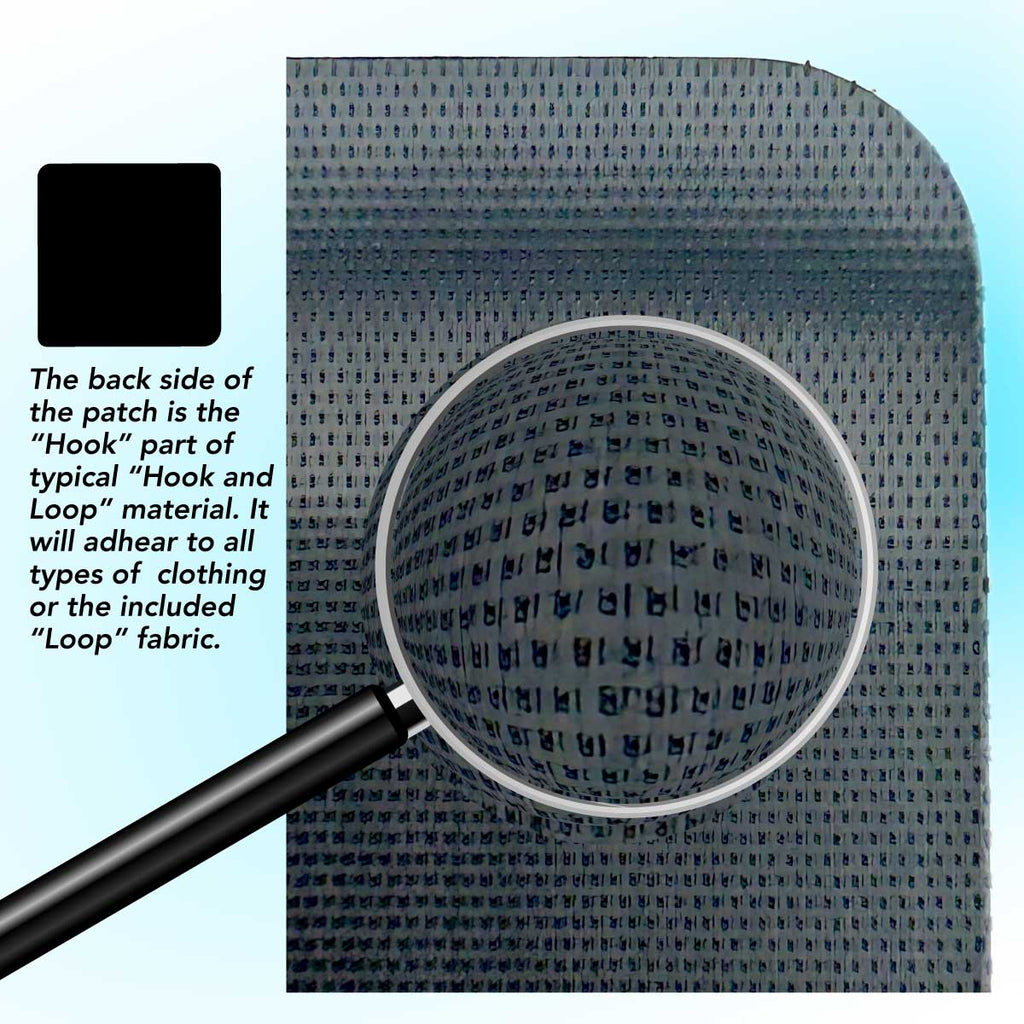
Unlike electrical stimulation devices, NeuroCuple® wearables do not deliver electrical pulses and do not require batteries, charging, wires, gels, or replacement electrodes. They are lightweight, reusable, and designed to be used over skin or clothing according to the product instructions.
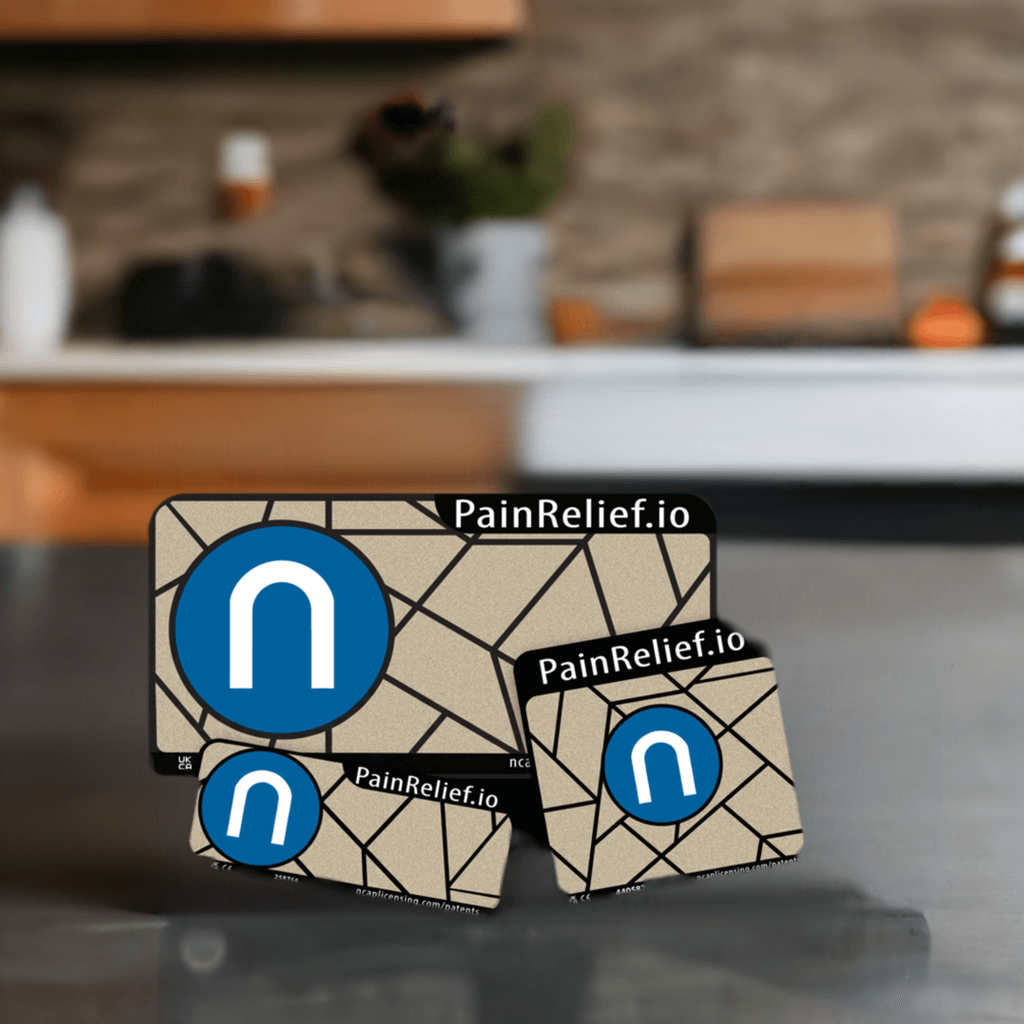
That simplicity can be useful when discomfort returns during work, travel, exercise, long drives, or everyday routines. Rather than setting up a powered device or replacing a disposable patch, the wearable can be kept nearby and positioned when symptoms begin.
Because one wearable can be used repeatedly and placed near different areas of discomfort, it may also offer more practical value than a single-use solution for people whose pain location changes from day to day.
NeuroCuple® wearables are not a substitute for medical evaluation when symptoms are new, severe, worsening, or accompanied by weakness or other warning signs.
Respond Before Discomfort Escalates
Many people wait until pain becomes difficult to ignore before changing positions, resting, or reaching for a comfort tool.
Keeping a reusable wearable nearby makes it easier to respond when symptoms first appear rather than searching for a solution after discomfort has already disrupted sleep, concentration, or movement.
No option works identically for every person, but products that are simple, portable, and ready to use may be more likely to become part of a consistent comfort routine.
Pay Attention to Sleep Position
Nerve symptoms often feel more noticeable at night because there are fewer distractions and certain sleep positions can add pressure to sensitive areas.
A pillow between the knees may help when sleeping on your side. Placing a pillow beneath the knees may reduce strain when lying on your back. Supporting the forearm may also help when shoulder or arm symptoms interrupt sleep.
These adjustments are not cures, but they may reduce unnecessary strain while you work toward a more complete plan.
How Reusable Wearables Compare With Other Comfort Options
| Option | Reusable | Requires Power | Requires Medication or Ingredients | Portable |
|---|---|---|---|---|
| Heating pad | Yes | Usually | No | Limited |
| Disposable topical patch | Usually no | No | Often | Yes |
| Electrical stimulation device | Yes | Yes | No | Sometimes |
| NeuroCuple® wearable | Yes | No | No | Yes |
Use the Chart to Ask Better Questions
A useful nerve pain chart cannot tell you exactly what condition you have. It can help you move from saying “something feels wrong” to giving a more precise description.
For example:
- Burning in both feet that becomes worse at night
- Tingling in the hand after typing or driving
- Shock-like pain traveling from the lower back into the outer calf
- Numbness in several fingers after sleeping
- Skin sensitivity that makes clothing or bedsheets uncomfortable
That clarity can help you identify manageable triggers, select more thoughtful comfort strategies, and recognize when medical care should not be delayed.
Your discomfort deserves more than guesswork. Understanding its pattern is often the first practical step toward feeling more informed and more in control.
Looking for a Simple, Drug-Free Wearable Option?
Explore reusable PainRelief.io® wearables powered by patented NeuroCuple® technology.
There are no pills, batteries, wires, charging requirements, or replacement electrodes. Simply position the wearable near the area of discomfort and use it as directed.
This article is provided for general educational purposes and is not a substitute for professional medical advice, diagnosis, or treatment. Seek medical care for symptoms that are severe, persistent, unusual, worsening, or accompanied by weakness, loss of function, or other warning signs.