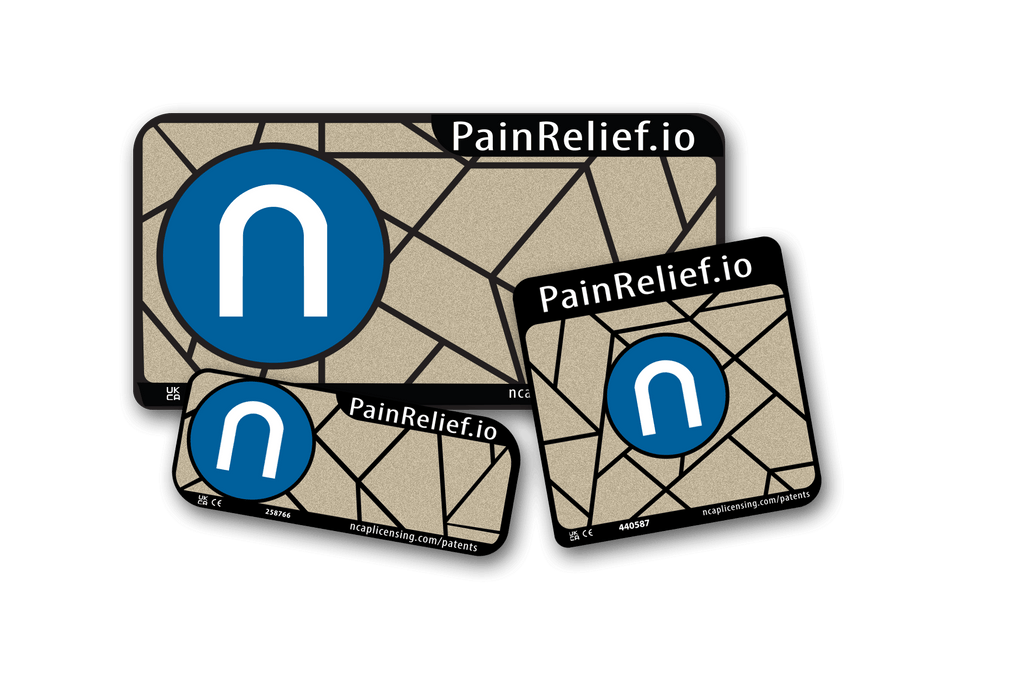

Drug-Free • Reusable for Years • 137-Day Money-Back Guarantee
When your lower back, mid-back, or upper back hurts, bedtime stops feeling restorative and starts feeling like another challenge to manage.
Back pain changes everything, including sleep. When your lower back, mid-back, or upper back hurts, bedtime stops feeling restorative and starts feeling like another challenge to manage. People with back pain often struggle to get comfortable, wake up stiff, or feel worse in the morning than they did the night before.
That is why searches like how to sleep with back pain, best sleeping position for lower back pain, and how to reduce back pain at night without medication are so common. People are not just looking for a quick trick. They want a reliable way to get through the night, stay asleep, and wake up with less pain.
The key is to understand that nighttime pain is different from daytime pain. During the day, you can change positions, walk, stretch, and adjust constantly. At night, your body stays in one position for long periods. That means small alignment issues become bigger problems over time. The solution is not just “rest more.” The solution is better positioning, better support, and a pain-relief strategy that works for extended use.
Many people assume their pain gets worse at night because the condition itself changes. In reality, several factors usually combine.
Movement during the day helps prevent stiffness. At night, you hold one posture for hours. This can increase:
A poor sleeping position can:
A bed that is too soft can let your body sink out of alignment. A bed that is too firm can create pressure points. The same goes for pillows. Support matters more than most people realize.
At night there are fewer distractions. Pain becomes more noticeable, especially if you are trying to fall asleep and focusing on discomfort.
Not every position works for every person, but some are consistently better than others.
This is one of the best options for many people with lower back pain.
Why it helps:
How to do it:
This position is especially helpful if your pain is in the lower back or linked to hip tightness.
For some people, lying on the back is the most comfortable option.
Why it helps:
How to do it:
This position often works well for people with generalized lower back discomfort or stiffness.
A slightly curled side position can help some people with spinal compression-related discomfort.
The key is to avoid curling too tightly. Too much rounding can increase upper back and neck tension.
This is one of the least favorable positions for most people with back pain because it:
If you must sleep on your stomach, placing a thin pillow under your pelvis may reduce some pressure, but in general this is not the first option to recommend.
If your top leg drops forward without support, it can rotate the spine and stress the lower back.
Excess elevation at the head or shoulders can throw off the entire chain of alignment.
Nighttime relief starts before you lie down.
Light movement can reduce stiffness before bed:
This is not about a hard workout. It is about telling the body it does not need to lock up.
If you spend the evening sunk into a couch or leaning forward over a device, you may bring that tension into bed with you.
A predictable wind-down routine can reduce stress and muscular guarding. Even a few minutes of calm, breath-focused relaxation can help.
Many nighttime pain solutions are temporary by design. That is where people get frustrated. They use something that works for a short period, then it fades, wears off, or becomes impractical.
Common alternatives often have tradeoffs:
This is where NeuroCuple® becomes especially compelling as a first-line option to try.
For back pain at night, people need something that is:
NeuroCuple® fits that need because it is:
Unlike many single-use pain products, NeuroCuple® is designed to be used again and again. That matters because nighttime back pain is rarely a one-night problem. It is usually recurring. A reusable solution is better aligned with recurring pain.
Nighttime pain management is all about consistency. If you find something that helps, you want to be able to use it:
That is why reusable devices make more sense than disposable alternatives for so many people. You are not building a system around constant replacement. You are building a repeatable routine.
A better nighttime strategy usually looks like this:
Sometimes the biggest issue is not falling asleep. It is waking up sore.
If that is the case, ask:
This is another reason NeuroCuple® can become the go-to solution. Its reusability allows you to refine your routine over time instead of treating each night as a separate experiment.
A good setup usually leads to:
A poor setup often leads to:
The biggest mistake people make is treating sleep pain as random. Usually it is not random. It is structural, repetitive, and responsive to better habits.
If you combine:
you give yourself a much better chance of sleeping comfortably and waking up with less pain.
Back pain at night is not just about the bed. It is about the routine, the alignment, and having a solution ready every time you need it. That is why many people end up making NeuroCuple® the first thing they try rather than cycling through short-lived, single-use alternatives.
👉 INSTRUCTIONS FOR USE CLICK HERE: https://painrelief.io/pages/instructions
Search
Terms of Service
Refund Policy
Contact Us
Protect my personal information
Affiliates: Join or Log In
PATENTS
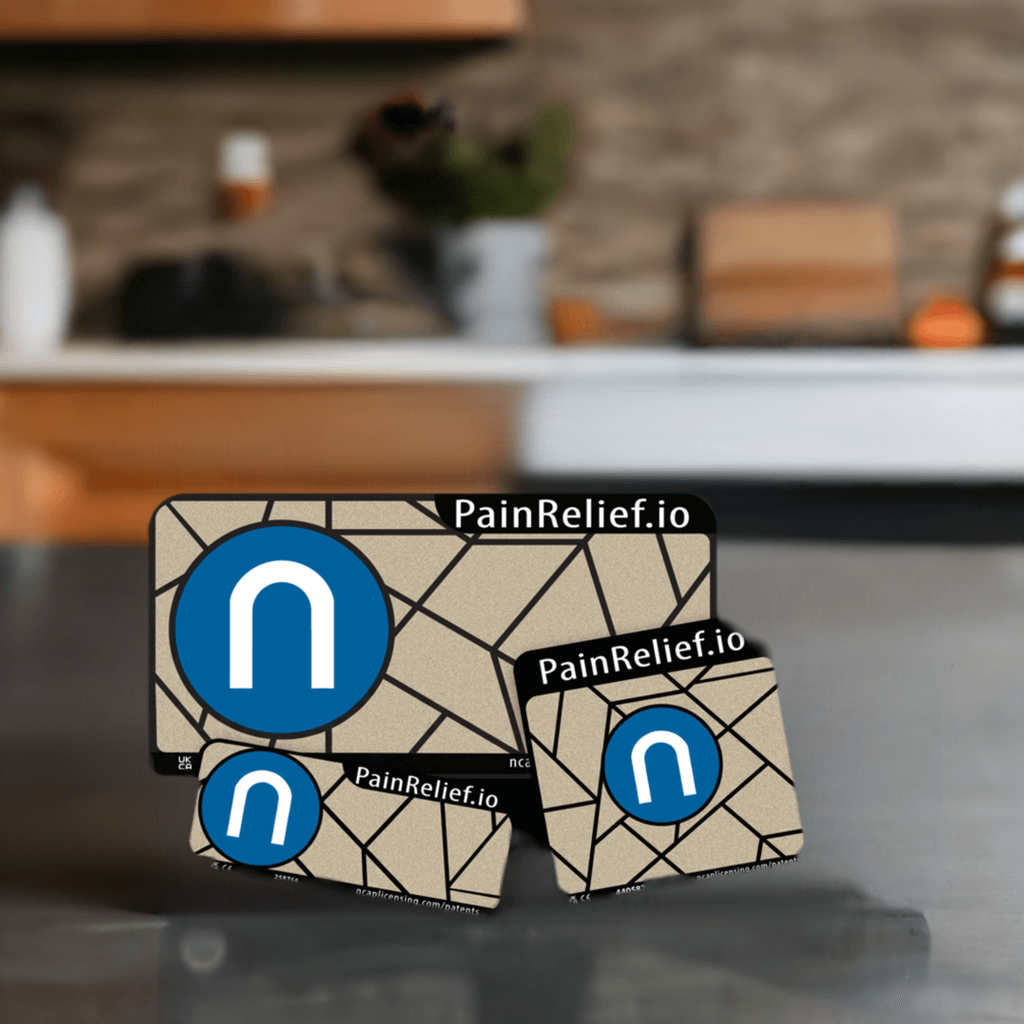
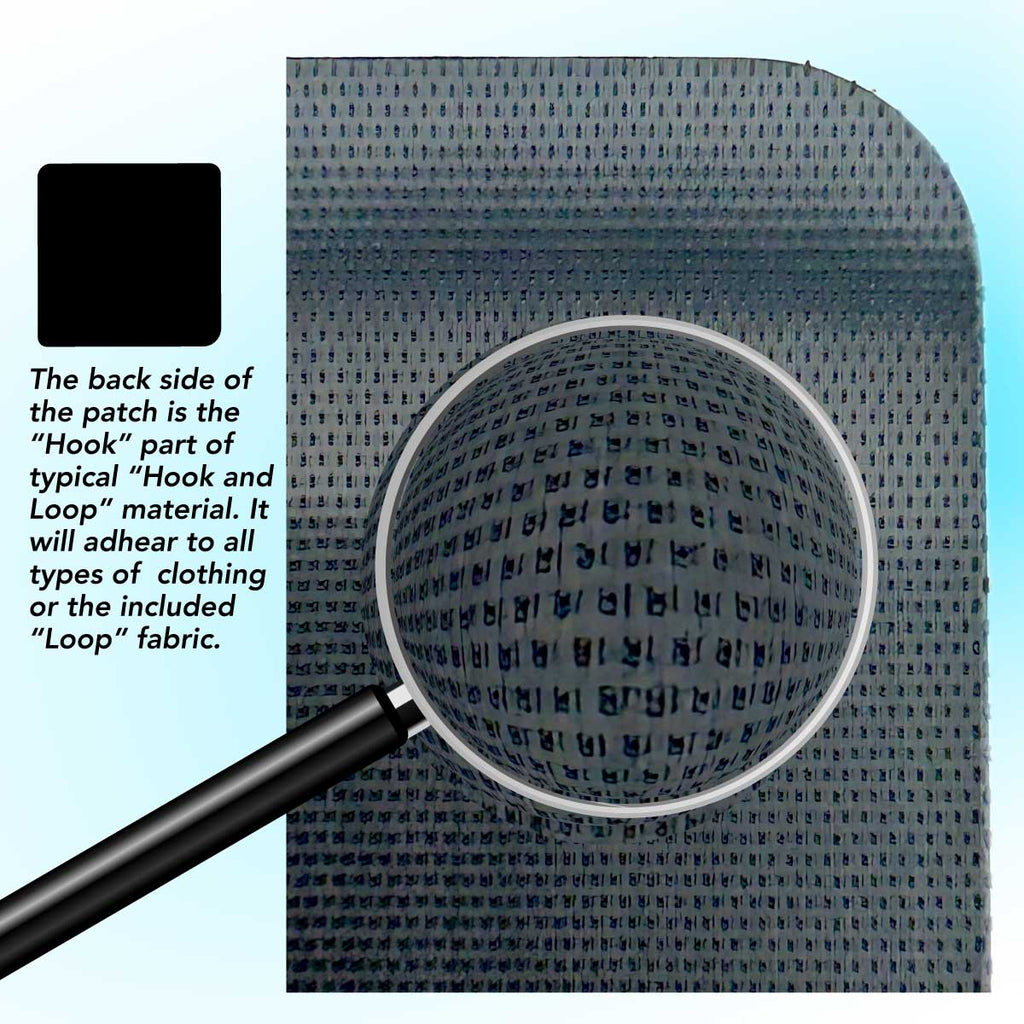
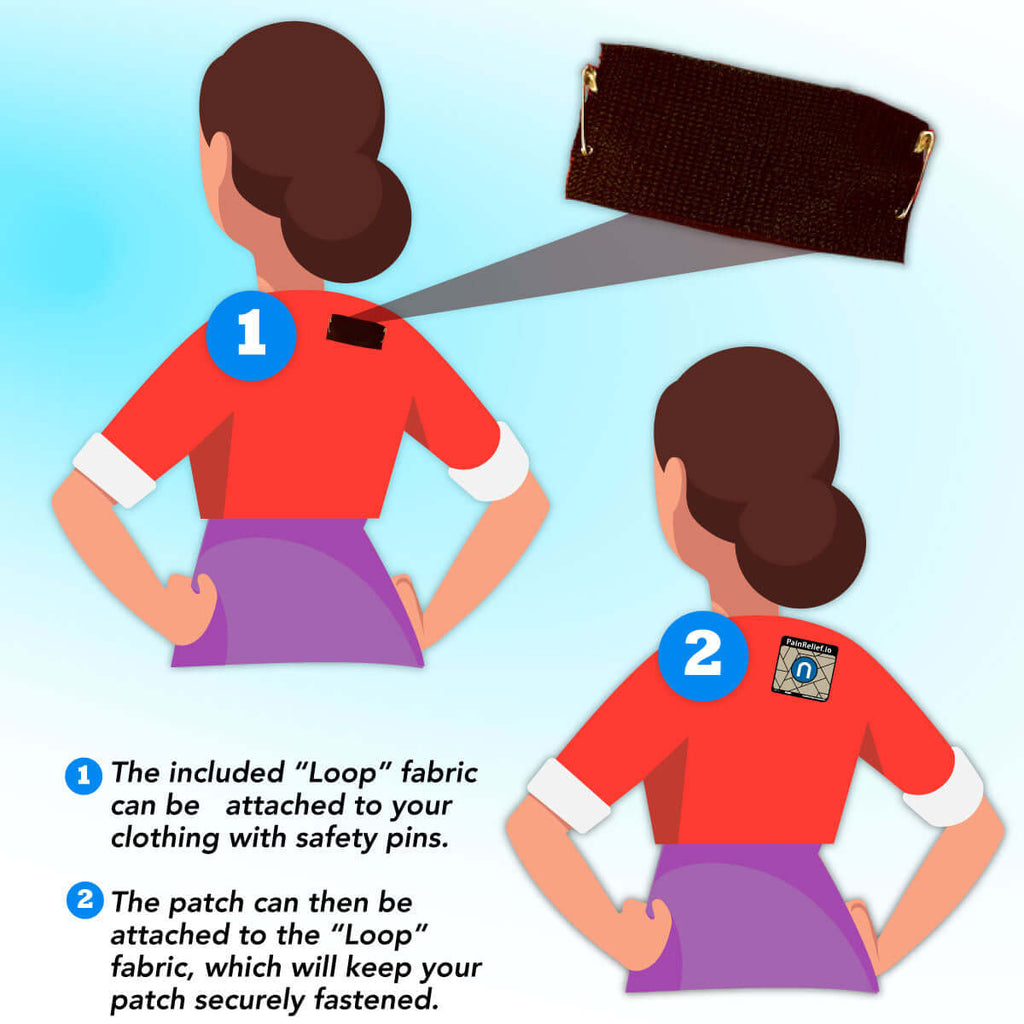
PainRelief.io® devices are designed to be simple to use. Just place the device near the area of discomfort and adjust as needed to find the position that feels most effective.
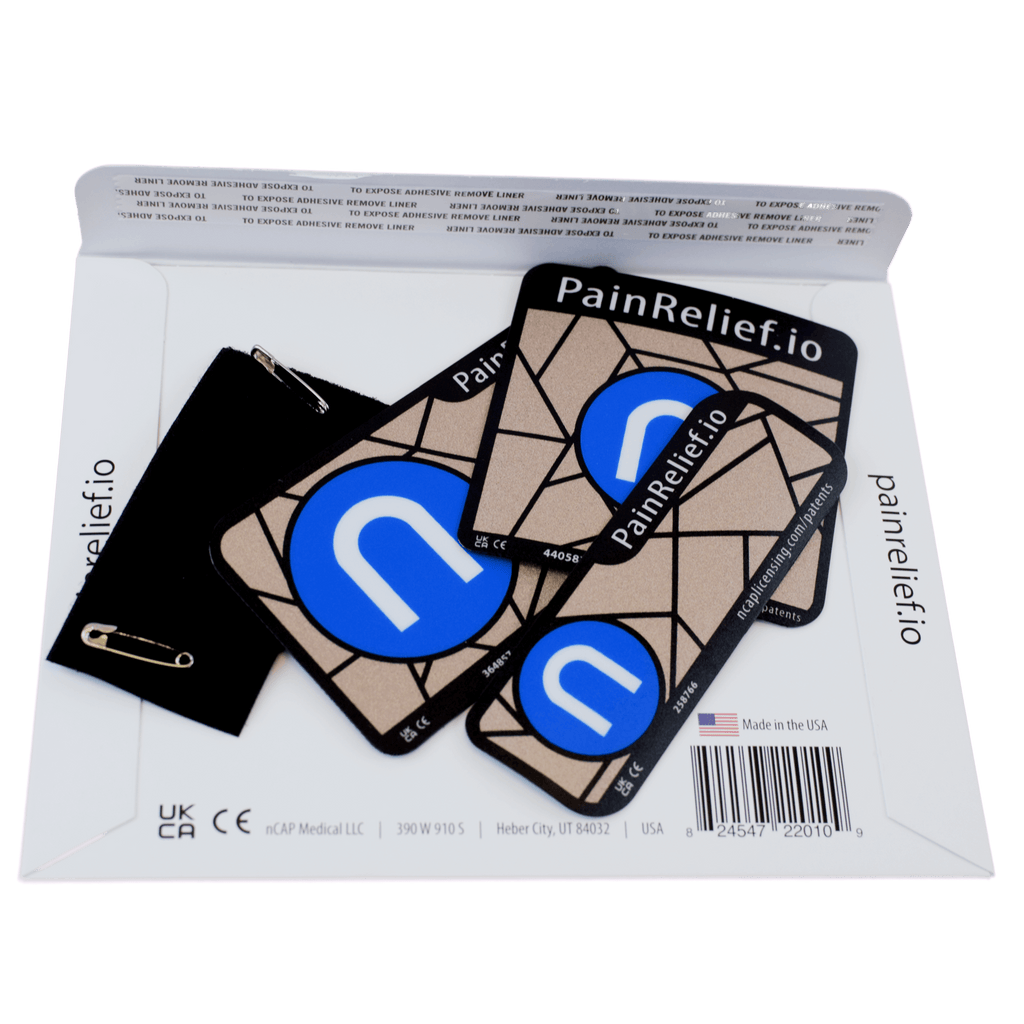
Each device is thin, reusable, wearable, and easy to use — with no batteries, no wires, no creams, and no drugs.
Inside each device is our patented NeuroCuple® layer, sealed between two durable waterproof layers. This technology is designed to work with your body’s natural bioelectrical environment in a simple, non-invasive way.
Some users report sensations such as warmth, cooling, or tingling during use, while others feel little or nothing at all.
PainRelief.io® devices are intended as general wellness products designed to support comfort, physical activity, and everyday function.