

If you have ever stood in front of a bathroom cabinet choosing between pain pills, a heating pad, a brace, or a relief patch, you already know the real problem is not just pain. It is figuring out what might actually help without creating a new hassle, a new side effect, or another short-term fix you have to keep replacing.
That is why relief patches keep getting attention. They feel easy. You place one where it hurts and go on with your day. But that simplicity can hide an important question: what kind of patch is it, and how does it compare to other common pain relief options?
The answer matters because pain is not one-size-fits-all. A sore lower back after yard work is different from recurring knee pain, jaw tension, menstrual cramps, or nerve discomfort that keeps coming back. The best choice often depends on where the pain is, how often it shows up, and whether you want temporary symptom masking or something you can use repeatedly without relying on medication.
At the most basic level, a relief patch is designed to be placed directly over or near an area of discomfort. That targeted use is a big part of the appeal. Instead of affecting your whole body the way an oral pain reliever does, a patch is local. It is built around the idea that where you place it matters.
But not every patch works the same way. Some rely on drug-based ingredients that absorb through the skin. Some create a heating or cooling sensation. Others use noninvasive wearable technology intended to interact with the body's electrical environment without medication, batteries, or topical chemicals.
That difference is not just technical. It changes the user experience. A disposable menthol patch may feel strong at first but wear off quickly. A medicated patch may help some users but may not fit people trying to reduce drug exposure. A reusable wearable option may appeal more to someone dealing with recurring pain who wants something practical for regular use.
Pain pills are often the fastest default because they are familiar. For headaches, muscle aches, cramps, or joint pain, many people reach for ibuprofen, acetaminophen, or similar over-the-counter products before considering anything else.
The trade-off is that pills are systemic. They do not target one exact spot. They move through the body, which can be useful for widespread discomfort, but that broader effect is exactly why many people start looking for alternatives. Frequent use raises concerns about side effects, stomach irritation, medication interactions, and simple overreliance.
A relief patch offers a different path. It focuses attention on the painful area itself. For someone with localized pain in the neck, back, knee, shoulder, or jaw, that can feel more precise and more manageable. It also avoids the routine of taking another dose every few hours.
Still, this is where it depends. If your pain is diffuse, flu-like, or not tied to a specific area, a patch may not be the best first tool. But if the problem keeps showing up in the same place, targeted wearable relief often makes more sense than repeating a whole-body solution.
Creams and gels are another common middle ground. They are topical, accessible, and familiar. For some people, they feel like a step down from pills because they stay on the surface and are applied where needed.
The downside is usually practicality. Creams can be messy. They can transfer onto clothing or sheets. You may need to wash your hands after applying them, and reapplication becomes part of the routine. Some users also dislike strong odors or cooling and heating ingredients on sensitive skin.
A relief patch tends to be simpler to live with. Once placed, it stays put. You are not rubbing in residue or waiting for something to dry. That matters if you are trying to work, drive, sleep, exercise lightly, or move through a normal day without constantly managing the treatment itself.
For recurring pain, the difference gets bigger. Something reusable and wearable often fits daily life better than a cream you have to keep buying and reapplying.
Heat and ice both have their place. Ice is often used after overuse or strain, especially when swelling is involved. Heat is a favorite for stiffness, muscle tightness, and cramps. Both can be useful, but both come with limits.
You cannot wear an ice pack easily while walking around the grocery store or sitting through a work meeting. Heating pads are comforting, but they usually keep you tethered to the couch or bed. Portable heat wraps help somewhat, but they are still consumable and usually built for short windows of use.
A relief patch may be the better fit when you want mobility. That is especially relevant for lower back pain, shoulder tension, knee discomfort, menstrual pain, or TMJ symptoms that interfere with daily function but do not necessarily send you home for the day.
There is also a difference in how relief feels. Heat and ice are sensation-driven. They create a noticeable thermal effect. A drug-free technology-based patch may feel much more subtle. Some people expect a dramatic sensation and assume no sensation means no effect. That is not always true. In wearable pain relief, less drama can simply mean the product is working without forcing a hot, cold, or medicated feeling onto the skin.
Braces, wraps, and compression sleeves can be helpful when stability is part of the issue. A knee brace may reduce strain. A wrist support may limit motion that makes symptoms worse. For some injuries or structural problems, support is the main job.
But support and relief are not identical. A brace can stabilize an area without doing much for the pain itself. It can also feel bulky, restrictive, or impractical under regular clothing.
A relief patch is usually less about limiting movement and more about helping you function with less discomfort. That makes it a different tool, not necessarily a competing one. In some cases, both can work together. Someone with knee pain, for example, might use support during higher-load activity and a patch for more consistent everyday relief.
Patches are usually strongest in real-world situations where pain is localized, recurring, and disruptive enough to matter but not always severe enough to justify medication every time. Back pain is a good example. So are neck and shoulder tension, knee pain during activity, jaw discomfort, and cramps that show up on schedule every month.
They also make sense for people who are tired of cycling through disposable fixes. If your current routine involves opening a new heat wrap, reapplying cream, or timing your next dose of pain reliever, a reusable option can change the rhythm of how you manage pain.
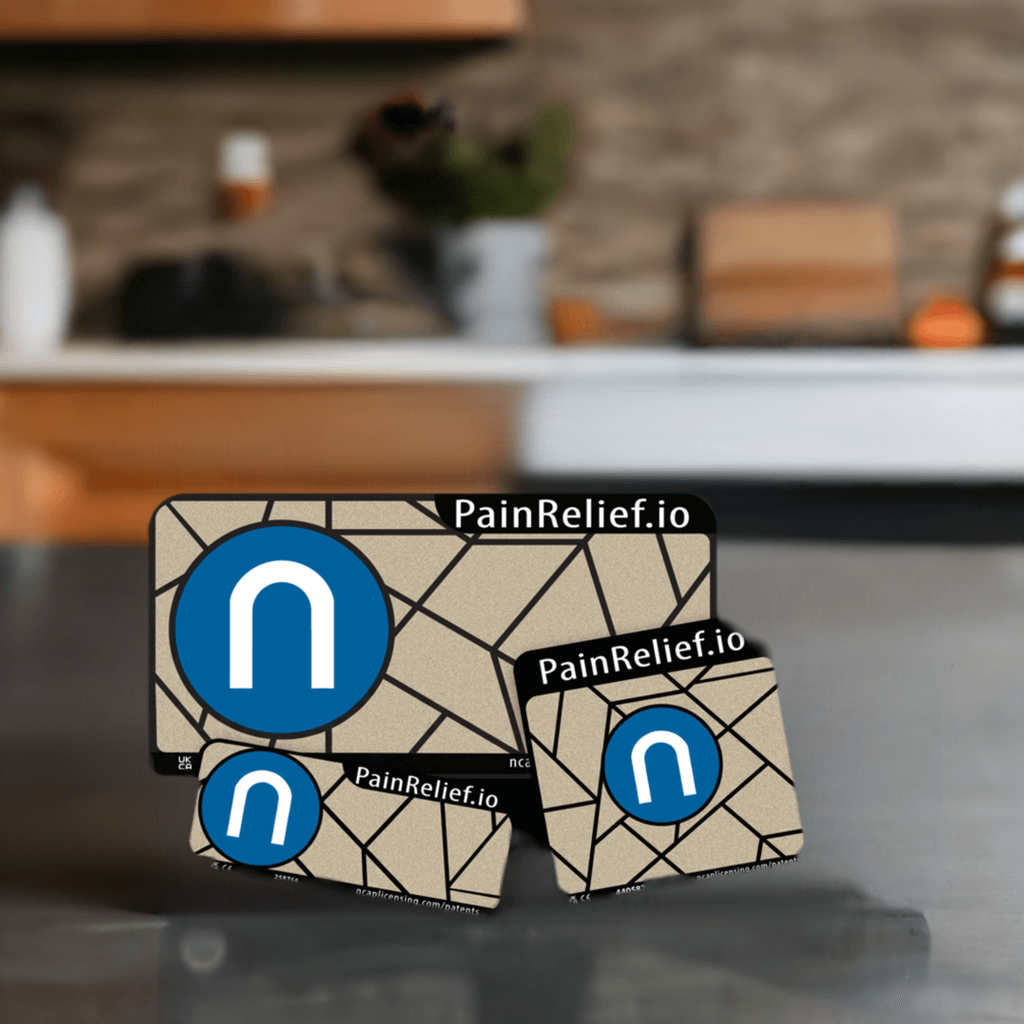
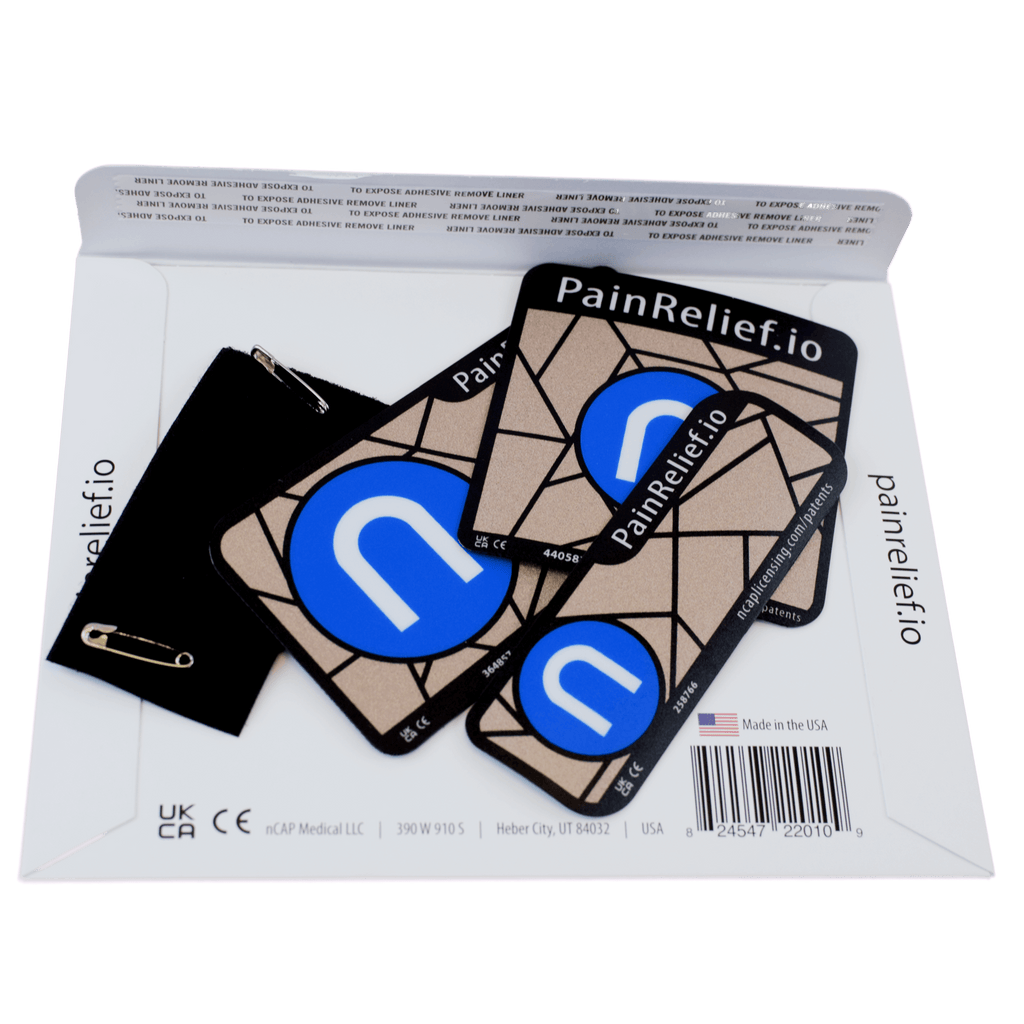
This is one reason brands like PainRelief.io® focus on body-area-specific wearable designs rather than a one-product-fits-all message. Placement matters. The right size and shape for a lower back issue is not the same as what works near the jaw, temple, or knee.
The word patch sounds simple, but the category is not. Before buying, it helps to ask a few practical questions. Is it disposable or reusable? Does it use medication or topical ingredients? Is it designed for one body area or several? Can you wear it while moving around, or is it really meant for short stationary use?
Comfort matters too. A patch that irritates your skin, peels off easily, or only works while you sit still is not likely to become part of a realistic routine. Long-term value matters as well. A cheap disposable patch can end up costing more over time than a reusable solution you can wear again and again.
It is also worth being honest about expectations. No product is perfect for every pain type or every person. If pain is severe, sudden, worsening, or tied to an underlying medical condition, self-management has limits. But for many everyday pain problems, choosing the right noninvasive tool can reduce friction and help you stay more active and more in control.
The best relief patch is not the one with the loudest claim. It is the one that fits the kind of pain you actually have, the way you live, and the level of support you want without turning pain relief into another chore. When that match is right, the simplest option often becomes the one you keep reaching for.