

A sore knee after a long walk is one problem. A stiff neck that keeps coming back every afternoon is another. That difference matters when you are choosing patches for localized discomfort, because not every patch is built for the same kind of pain, the same body area, or the same daily routine.
For many people, patches seem like the simplest answer. Peel, place, and get on with your day. That convenience is real, but the category is broader than it first appears. Some patches rely on topical ingredients. Some create warming or cooling sensations. Others are designed as drug-free wearables that target a specific area without creams, pills, or mess. If you are comparing options, the right question is not just do patches work. It is which kind of patch makes sense for your body, your symptoms, and how often the discomfort returns.
Localized discomfort is pain, tension, soreness, or irritation that stays centered in one area. Think lower back tightness, shoulder tension, knee soreness, temple pressure, jaw discomfort, or menstrual cramps. In those cases, a targeted solution often makes more sense than a whole-body approach.
That is the appeal of patches. They are meant to focus support where you actually feel the problem. Instead of taking something that affects your entire system, you place the patch directly over or near the area that needs help. For people trying to reduce their reliance on oral pain relievers, that can be a meaningful shift.
Still, localized does not always mean simple. Pain can be felt in one spot but driven by muscle strain, joint irritation, nerve sensitivity, inflammation, repetitive motion, posture, or stress. A patch may help, but the reason the discomfort is happening often determines how helpful it will be and how long the effect lasts.
The biggest mistake shoppers make is treating all patches as interchangeable. They are not.
Topical medicated patches use active ingredients that absorb through the skin. These are often chosen for temporary relief and may be familiar to people who have used over-the-counter pain products before. They can be useful, but some users want to avoid recurring ingredient exposure, skin sensitivity, or the cycle of reapplying disposable products.
Heating and cooling patches work differently. Their main job is sensory. A cooling patch may feel soothing on an overworked area, while a warming patch can help a tight muscle feel looser. That comfort matters, especially for short-term flare-ups, but these products often focus more on sensation than long-term practicality.
Then there are drug-free wearable patches and reusable patch-like devices. These are appealing to people who want a noninvasive option they can use again and again without creams, odors, or medication. Depending on the design, they may be intended for daily wear, support repeated use, and fit into a longer-term pain management routine rather than a one-time fix.
Patches tend to make the most sense when the discomfort is easy to locate and your goal is targeted support. A patch on the knee, lower back, shoulder, jaw, or abdomen is more practical than trying to use one for pain that moves around or feels widespread.
They can also be helpful when convenience matters. If you are at work, traveling, recovering after exercise, or trying to sleep, a patch is often easier than carrying a heating pad or stopping to apply cream several times a day. That ease is one reason so many people start here.
Recurring pain is where the trade-offs become more obvious. If your discomfort shows up once in a while, a disposable patch may feel adequate. If it returns most days, or several times a month, the cost, waste, and hassle of single-use options can start to add up. That is often when people begin looking for reusable drug-free alternatives.
A patch can be convenient and still not be the right answer.
First, placement matters more than people expect. If the patch is too small, poorly positioned, or not suited to the shape of the body area, the experience may be underwhelming. A broad lower back issue may need a different format than a small patch placed on the temple or jaw.
Second, sensation is not the same as relief. A cooling effect may feel nice, but that does not always mean the underlying issue is being addressed in a meaningful way. The same goes for warming products that feel active but wear off quickly.
Third, some people simply do not want a pain solution tied to topical ingredients, strong smells, sticky residue, or repeated purchases. For them, the patch category is still relevant, but the better fit may be a reusable wearable rather than a traditional disposable patch.
If you are shopping for patches for localized discomfort, think in terms of use case, not marketing promises.
Start with body area. A patch that works on a flat section of the lower back may not stay put on the knee or jaw. Flexing joints, curved surfaces, and smaller areas require a more thoughtful fit.
Next, think about frequency. Are you managing post-workout soreness once a week, or daily neck tension from desk work? A short-term patch may be fine for occasional use. For ongoing discomfort, a reusable option usually makes more practical sense.
Then consider your goals. Do you want temporary comfort, or are you trying to build a drug-free routine you can stick with? Those are different decisions. Many people start by wanting fast relief, then realize they also need something sustainable.
Skin tolerance matters too. Adhesives, topical ingredients, and heat can all bother sensitive skin. If you have had reactions before, the simplest-looking product may not be the best one.
A lot of consumers are no longer looking only for the strongest sensation. They are looking for the smartest routine.
That shift is part of why reusable, battery-free, drug-free wearables have gained traction. They offer the same basic appeal people like about patches - targeted placement and simple use - but without some of the downsides tied to disposables. No recurring tubes of cream. No pills. No cords. No need to throw something away after one use.
For people dealing with chronic or recurring pain, that matters. Lower back pain does not care that you already used a patch yesterday. Neck tension from work posture tends to come back. Menstrual cramps are recurring by nature. A reusable option can be easier to keep on hand and easier to justify as part of a long-term plan.
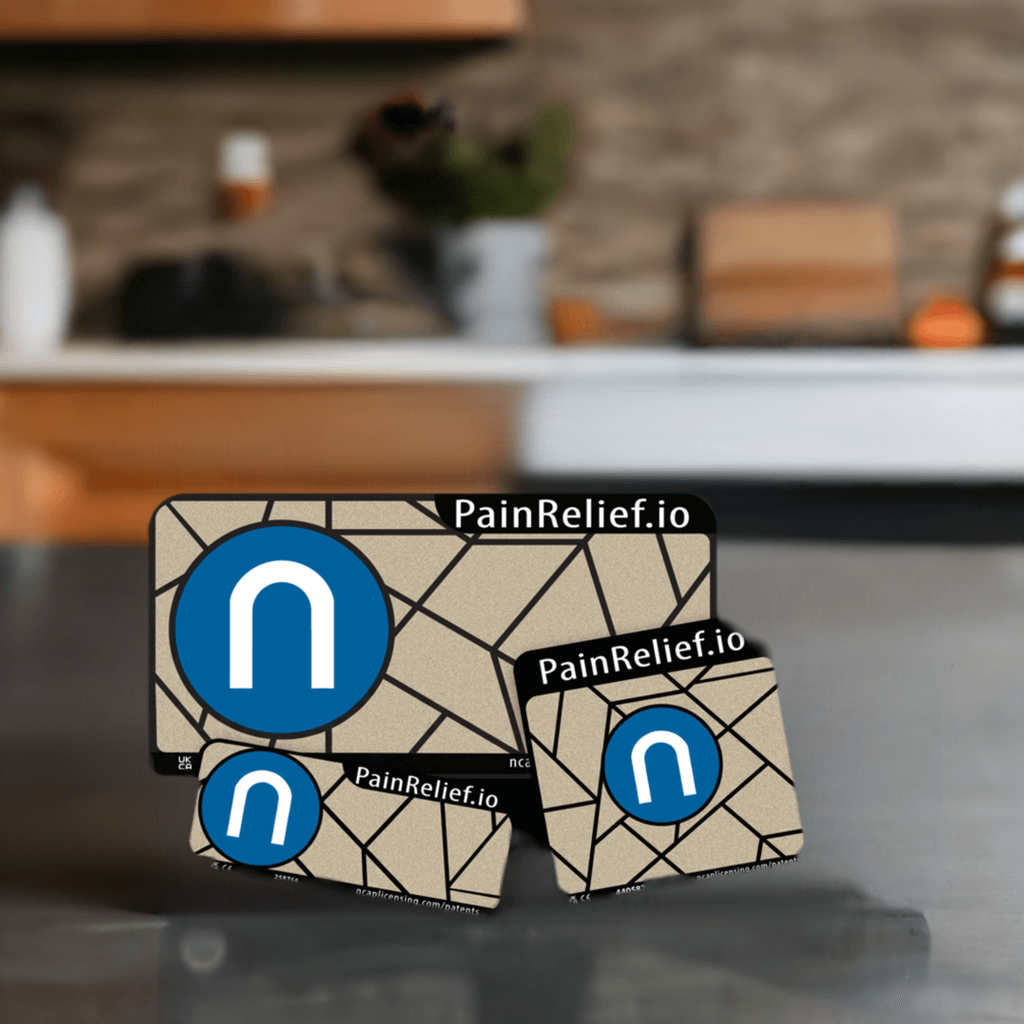
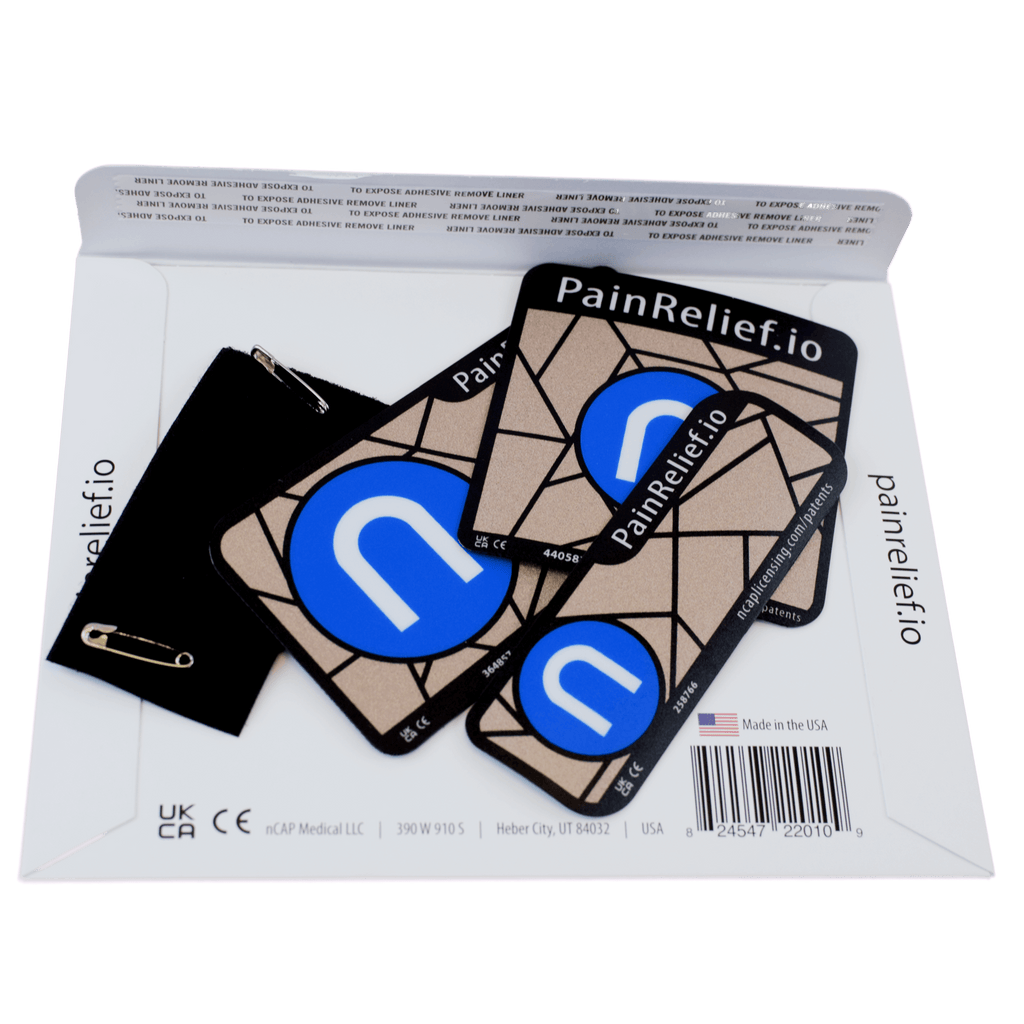
This is where technology starts to matter. PainRelief.io® focuses on reusable wearable relief devices built around patented NeuroCuple technology, designed to support drug-free relief across specific body areas. That body-area approach is useful because localized discomfort is not one-size-fits-all. A knee, a jaw, and a lower back do not need the same shape, size, or placement strategy.
If your pain is mild, occasional, and tied to a clear cause, a simple patch may be enough. A sore shoulder after yard work or a stiff back after travel can respond well to straightforward, temporary support.
If your discomfort is frequent, harder to ignore, or connected to daily life, it is worth being more selective. Chronic back pain, recurrent headaches, TMJ irritation, nerve discomfort, and monthly cramps usually call for a solution you can use repeatedly without building your whole routine around medication or disposable products.
It also helps to be honest about expectations. No patch should be treated as magic. If pain is severe, worsening, or linked to injury, infection, numbness, or other concerning symptoms, self-treatment has limits. But for many everyday pain scenarios, a well-matched patch or wearable can reduce friction, make relief more accessible, and help you stay functional.
The best option is usually the one you will actually use correctly and consistently. That means good fit, easy placement, practical wear time, and a format that aligns with how often your discomfort shows up.
Pain has a way of shrinking your world one body part at a time. The right targeted solution can help give some of that control back, especially when it fits your life as well as it fits the area that hurts.