
Livraison et retours gratuits au-dessus de 100 $ !
Compare cooling wraps, heated devices, and wearable options for headache and migraine relief.
A headache rarely shows up at a convenient time. It hits during work, while driving, halfway through a workout, or right when you need to sleep. That's why so many people search for headache and migraine relief options — not because they want another gadget, but because they want something practical they can reach for without medication every time.
The category has improved. It's no longer limited to bulky ice packs or one-note massagers — there are now wearable, reusable, and more targeted options that fit different types of discomfort, from tension across the forehead to pain that starts in the neck and travels upward. The harder part is knowing which type actually makes sense for your situation.
A useful option does more than feel good for five minutes. It should match the pattern of your pain, be easy enough to use when your head is already pounding, and support repeated use without creating more hassle. If a device is too complicated, too loud, too tight, or needs constant charging, it often ends up in a drawer.
Cold can feel especially helpful when your head feels hot, inflamed, or overstimulated. A wrap covering the forehead, temples, and sometimes the eyes can create gentle compression at the same time. The trade-off: cooling relief is temporary, and it's a stay-put solution — not useful when you're commuting, working, or caring for kids.
A large share of headaches don't stay neatly in the head — they build from tight shoulders, stiff neck muscles, jaw clenching, or long hours at a screen. Heat can help when tension is the main issue, though many heated devices are bulky, plug-in, or battery-dependent, making them less practical at work or on the go.
These apply targeted pressure to points associated with headache and migraine support. They're portable and low-effort, but results vary widely from person to person, and fit matters — if the device slides or presses the wrong area, it may not do much.
These aim to reduce perceived tension through vibration, kneading, or gentle pulsation. Best suited for tension-related headaches rather than severe migraine episodes, where sound, touch, or motion may be too much. Noise is a factor people underestimate — a modest motor can become irritating fast if you're sound-sensitive during a headache.
Getting more attention for pain support generally, including headaches. This can appeal to people who want a noninvasive, tech-forward option, but expectations should stay realistic — not every light device is built specifically for headaches, and if light sensitivity is part of your pattern, some devices may be uncomfortable to use in the moment.
Familiar, inexpensive, and useful when you need cooling right away. Cold can create a numbing sensation and give you a sensory focus other than pain. The limitation: ice packs aren't hands-free unless built into a wrap, they lose temperature over time, and they're not useful when you need to keep moving through your day.
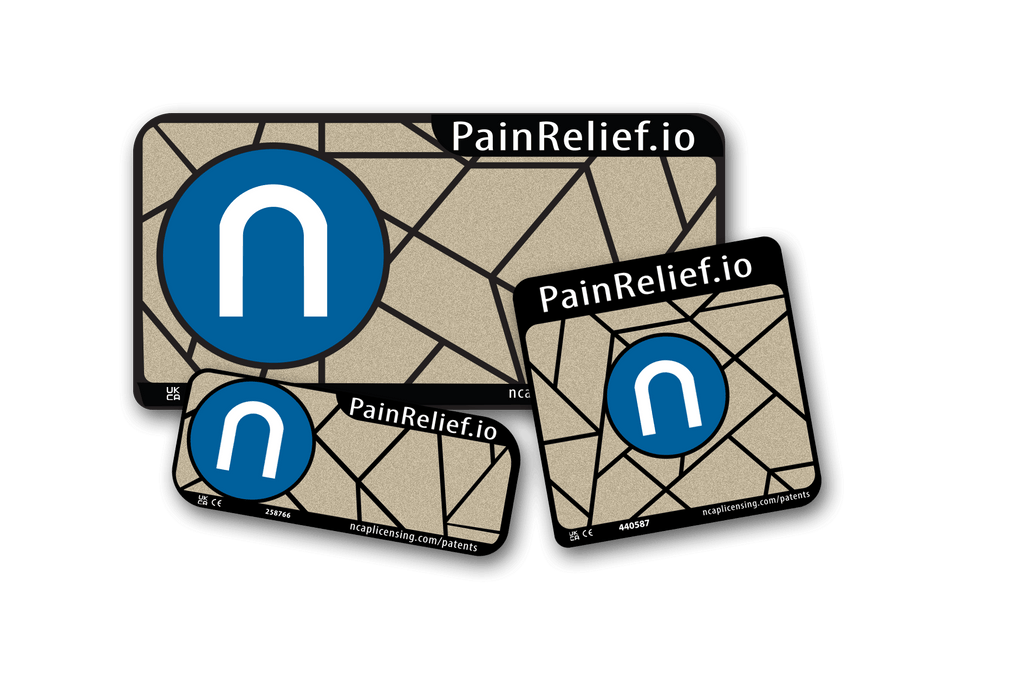
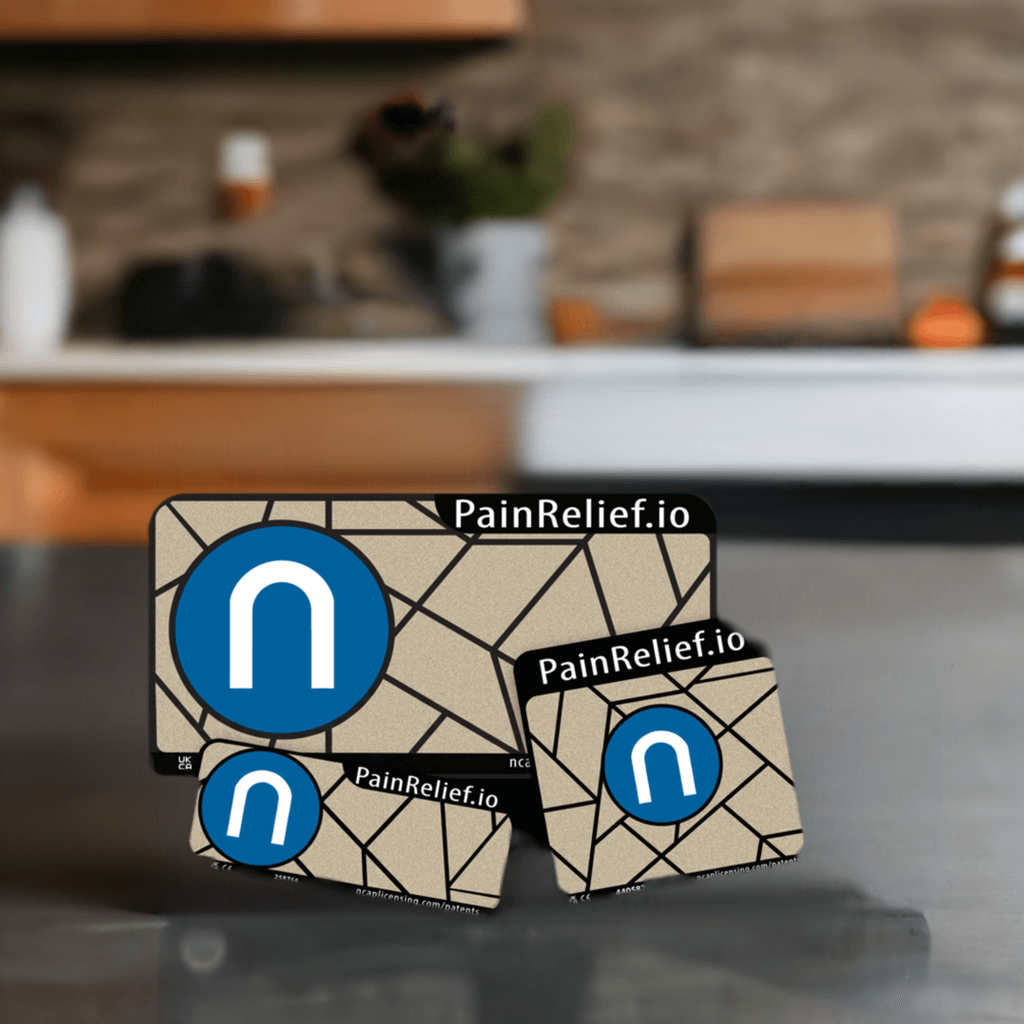
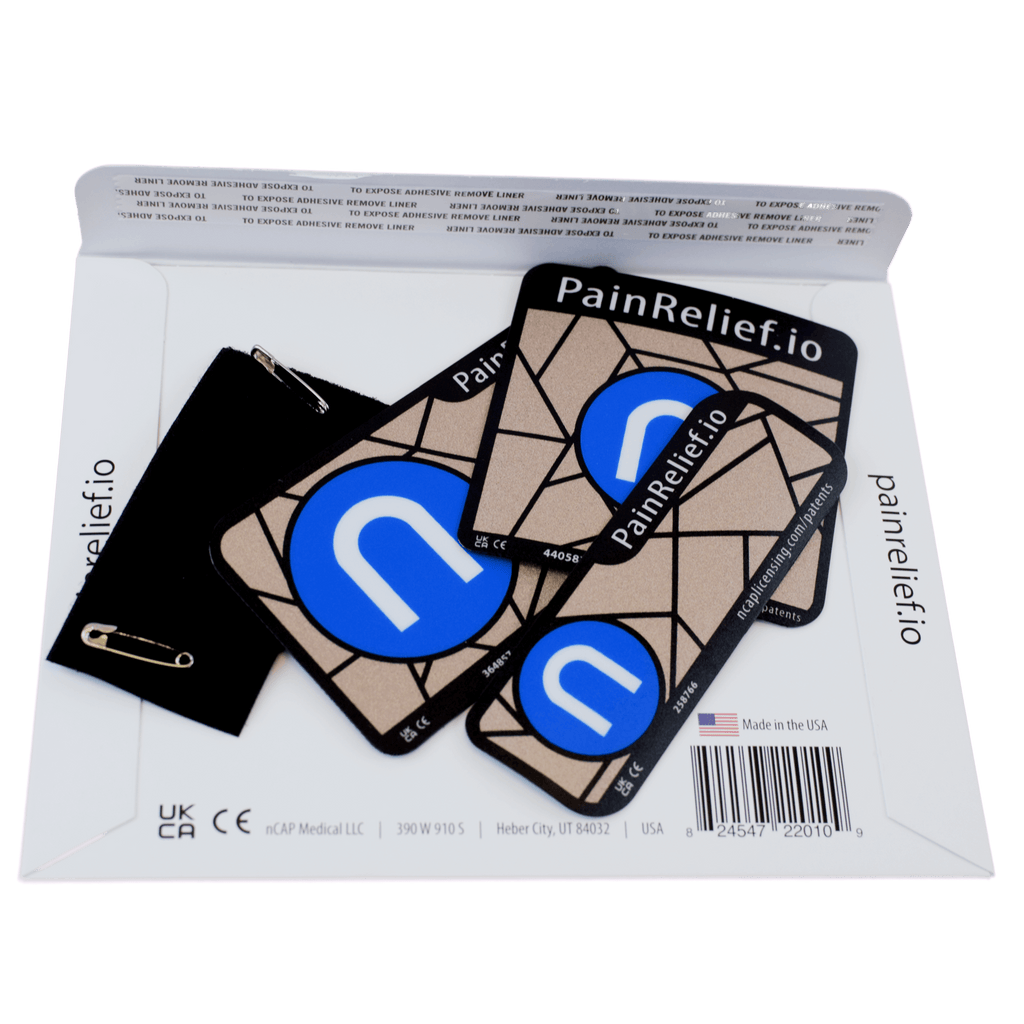
PainRelief.io® takes this approach with reusable, battery-free devices powered by patented NeuroCuple® technology, designed to interact with the body's bioelectrical environment rather than relying on heat, cold, vibration, or medication. Head pain isn't always just about the head — it can involve nerve signaling, tension patterns, and referred discomfort from the jaw or neck — so a wearable that can be placed near the temples, upper neck, or surrounding tension areas may offer more flexible support than a single-purpose wrap. No charging, no cords, no creams, no disposable use cycle.
This specific comparison comes up often enough to spell out. An ice pack delivers cold to the forehead, temples, back of the neck, or eyes — the ritual itself often helps: a dark room, a cold compress, a break from screens. It makes the most sense when you're home, can recline, and cold reliably feels good to you.
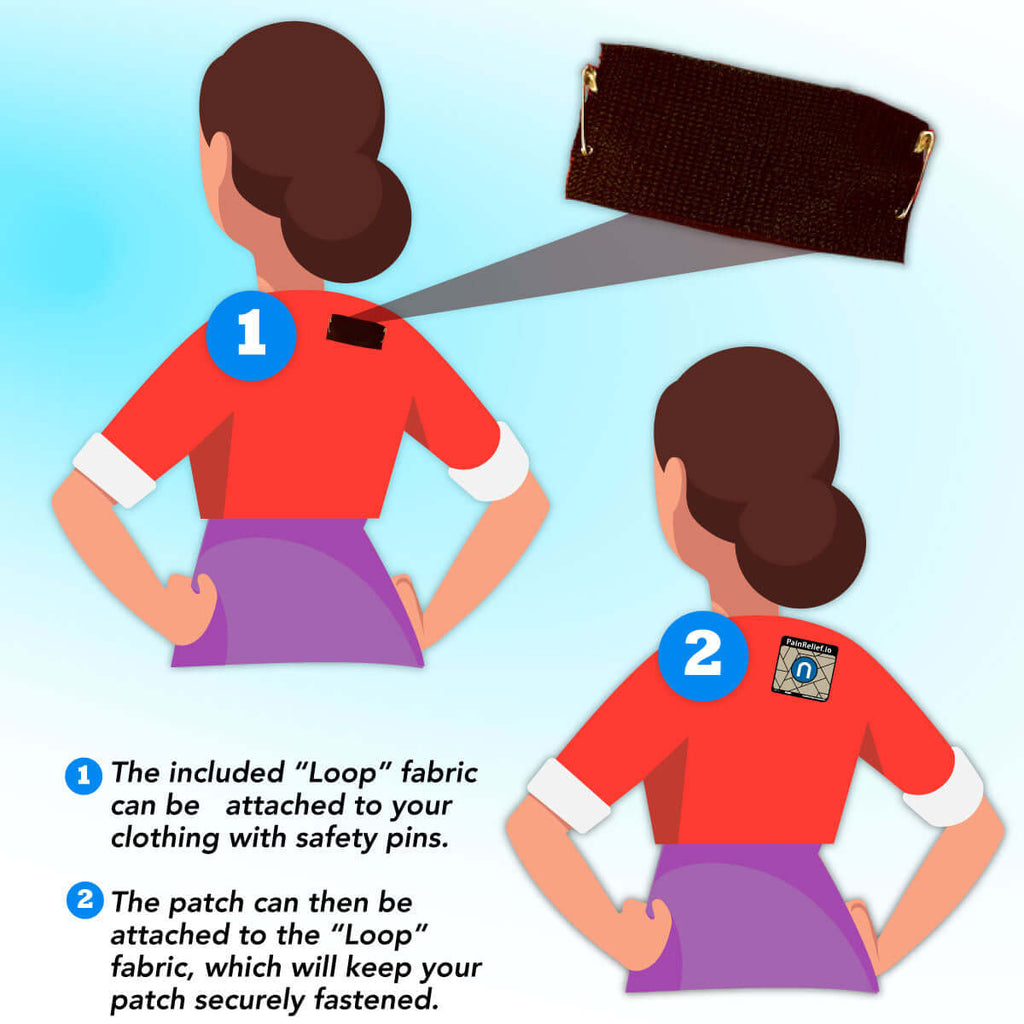
A reusable wearable patch fits better when you need something that doesn't require refrigeration or holding against your head — especially if migraines recur often enough that you want a consistent part of your routine, whether that's a workday, travel, or caregiving. Placement matters: since migraine discomfort is often tied to neck and shoulder tension, jaw clenching, or posture, a wearable can be placed near the area actually contributing to the pain, not just where it's most noticeable.
Often it isn't either-or. Many people use an ice pack while resting at home, then switch to a wearable when they need to get up and move through the rest of their day.
Start with the source of the pain, not just the location. Forehead pressure may respond well to cooling compression. A day of desk work with concrete-like shoulders points toward neck-focused support. Recurring headaches where you want something to use often, without medication, usually favor reusable wearables over one-time comfort tools.
Comfort isn't a small detail — a device can have great features and still fail if it feels too heavy, tight, bright, or noisy when you're already sensitive. The best option is the one you'll actually use during a real headache, not the one that sounds most impressive on paper.
Every PainRelief.io® device is backed by a 137-day money-back guarantee, giving you real time to test placement and fit before deciding.
Explore PainRelief.io® Wearables →
Most headaches respond to rest, hydration, and the strategies above. Some symptoms need prompt medical evaluation. Seek urgent care for a sudden, severe headache unlike your usual pattern, or a headache accompanied by weakness, confusion, fainting, fever, stiff neck, vision loss, trouble speaking, seizure, or symptoms following a head injury.
Speak with a healthcare professional if headaches are becoming more frequent, wake you from sleep, change in character, interfere with daily life, or lead you to rely on pain medication often — frequent use of some pain relievers can itself contribute to rebound headaches.
Looking for natural, non-device strategies specifically for migraine? Read How to Relieve Migraine Pain Naturally. Dealing with tension headaches specifically rather than migraines? See Natural Relief for Tension Headaches.
This article is provided for general educational purposes and is not a substitute for professional medical advice, diagnosis, or treatment. Seek medical care for severe, persistent, unusual, or worsening symptoms.
Recherche
Terms of Service
Refund Policy
Contact Us
Ne pas vendre ou partager mes informations personnelles
Affiliates: Join or Log In
PATENTS
C'est simple à utiliser ! Placez simplement l'appareil au-dessus de votre douleur - Entre la douleur et le cerveau (tm) - et votre douleur commencera à s'estomper en quelques minutes. Le tout dans un appareil portable fin, réutilisable. Pas de piles, pas de fils, pas d'huiles malodorantes, pas de médicaments et ça agit rapidement !!
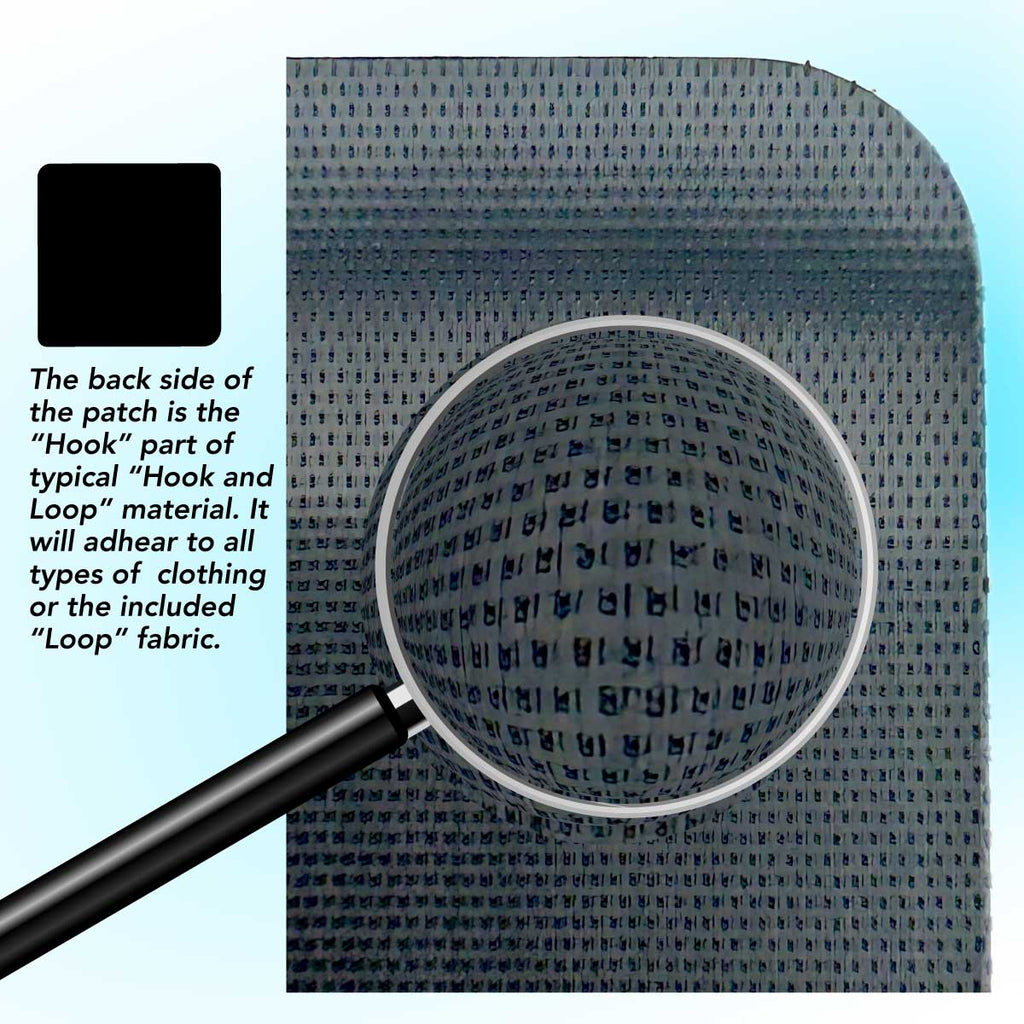
L'appareil est construit avec notre couche brevetée Neurocuple® scellée entre deux couches imperméables. Une fois placée au bon endroit, la couche Neurocuple® est activée directement par l'énergie du corps de l'utilisateur. Après quelques minutes, une sensation de chaud, de froid ou de picotement est ressentie par l'utilisateur à mesure que la douleur s'estompe.
L'appareil PainRelief.io® est un produit de bien-être général qui aide à promouvoir l'activité physique chez les utilisateurs souffrant de douleurs chroniques et intermittentes, ce qui, dans le cadre d'un mode de vie sain, peut aider à vivre avec ces conditions et peut retarder l'apparition des handicaps associés.