
¡Envío y devoluciones gratis por encima de $100!
Pain has a way of shrinking your day. A stiff back changes how you sit, a headache changes how you think, and sore knees can turn a short walk into a negotiation. So when people ask what is natural pain relief, they are usually not asking for a trend or a buzzword. They are asking a practical question: what can help me feel better without relying only on medication?
Natural pain relief generally means non-drug approaches that help reduce discomfort, support recovery, or make pain easier to manage. That can include heat, cold, stretching, massage, sleep, hydration, mindfulness, and wearable tools designed to work with the body rather than through a pharmaceutical effect. The point is not to pretend pain is simple. The point is to find options that are noninvasive, usable in everyday life, and worth returning to when pain keeps returning too.
In real life, natural pain relief is less about ideology and more about trade-offs. Many people are not against medicine. They just do not want medication to be their only plan for back pain, menstrual cramps, joint soreness, TMJ discomfort, muscle fatigue, or recurring headaches.
That distinction matters. Natural pain relief is often used in one of three ways: as a first step for mild to moderate discomfort, as a daily support tool for recurring pain, or as part of a broader pain-management routine alongside care from a medical professional. For some people, it is about avoiding side effects. For others, it is about having something they can use at work, at home, in the car, or while sleeping.
The best natural options tend to share a few traits. They are easy to use consistently, low-risk when used correctly, and specific enough to match the type of pain you actually have. A heating pad might help tight muscles but do very little for other issues. Gentle mobility work may help stiffness but not be the right move during an acute flare. Natural does not automatically mean effective. Fit matters.
Pain is not one single event. It can involve inflammation, muscle guarding, nerve sensitivity, tension, posture, overuse, stress, poor sleep, and healing tissue all at once. That is why natural pain relief can take different forms.
Some methods work by changing the local environment around painful tissue. Heat can relax muscles and improve comfort. Cold can help calm swelling and numb sensitivity for a period of time. Compression and support can reduce strain in an irritated area.
Other methods work by affecting how the nervous system processes discomfort. Breathing exercises, mindfulness, and relaxation techniques can lower tension and reduce the stress response that often makes pain feel louder. Gentle movement can help restore normal function and reduce the fear-avoidance cycle that keeps many pain problems going.
Then there are drug-free wearable technologies designed to interact with the body’s own signals. These products are appealing because they are noninvasive, simple to use, and easy to keep on hand. Not every device works the same way, and not every claim deserves equal trust. Still, many people are looking for a reusable option that goes beyond creams, disposable patches, and temporary workarounds.
If you are trying to figure out what is natural pain relief for your own situation, it helps to think in categories instead of chasing a miracle fix.
For muscle tightness and overuse soreness, heat, stretching, mobility work, and massage are common starting points. For inflammation after activity or minor injury, cold therapy and rest may make more sense in the short term. For recurring tension headaches or TMJ discomfort, posture changes, jaw relaxation, stress reduction, and localized support can all play a role.
For chronic or frequently returning discomfort, consistency usually matters more than intensity. A tool you can use every day is often more valuable than something dramatic you try once. That is one reason wearable, battery-free pain support products have gained attention. If a solution is easy to place, comfortable to wear, and reusable for years, it fits real life better than something messy, complicated, or easy to forget.
Lifestyle factors also belong in this conversation. Sleep, hydration, nutrition, and movement are not glamorous answers, but they shape how your body handles pain. A person who sleeps poorly, sits all day, and is dealing with constant stress may need more than one solution. Natural pain relief often works best as a system, not a single trick.
Natural approaches are often a strong fit for everyday, localized discomfort. That includes back pain from long hours sitting, shoulder tension, knee soreness after activity, menstrual discomfort, headaches, jaw tightness, and the kind of muscle pain that follows overuse or strain.
These are the situations where people usually want something simple and repeatable. They want relief without planning their day around a treatment. They want support they can use while working, walking, resting, or doing chores. They want less mess, less waste, and fewer compromises.
That said, there are limits. Severe pain, sudden unexplained pain, numbness, weakness, fever, significant swelling, chest pain, or pain after a major injury should not be treated as a DIY experiment. Natural pain relief has a valuable role, but it is not a substitute for medical evaluation when red flags are present.
This is where people often get frustrated. The word natural can sound reassuring, but pain relief should be judged by results, safety, and usability, not just by marketing language.
Some natural methods are backed by long experience and common sense, but they still may not help your specific issue. For example, stretching can help one type of back discomfort and aggravate another. Heat can be comforting, but if inflammation is the main driver at that moment, cold may feel better. Even a promising wearable tool may work well for one pain pattern and less well for another.
A better question than what is natural pain relief may be: what kind of natural pain relief matches my pain, my routine, and my tolerance for trial and error? That question leads to better decisions.
Look for solutions that are practical enough to use consistently, specific enough to target the body area that hurts, and credible enough that the company can clearly explain how the product is intended to work. If the product is reusable, noninvasive, and easy to wear, that is a meaningful advantage over options that are disposable, messy, or tied to a short window of relief.
Start with the type of pain, not the trend. Is it sharp or dull? Constant or activity-related? Localized or spread out? New or recurring? The answer helps narrow what may be useful.
Then think about timing. If pain shows up during work, a portable wearable option may be more realistic than lying down with a heating pad. If it hits at night, comfort and ease of use matter more. If it returns several times a week, reusability becomes a major factor.
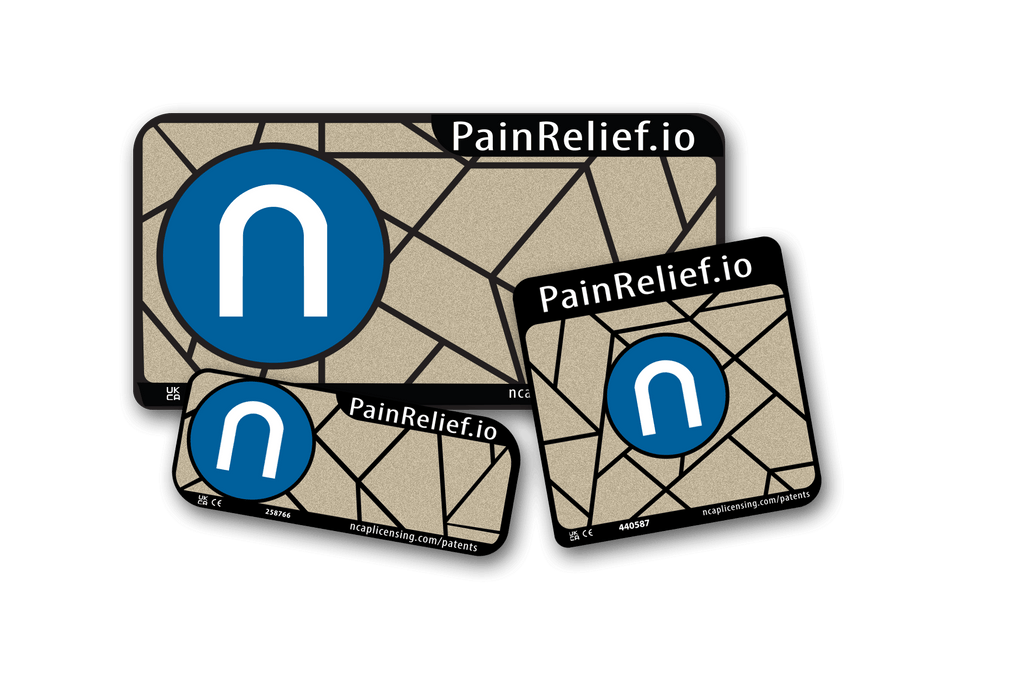
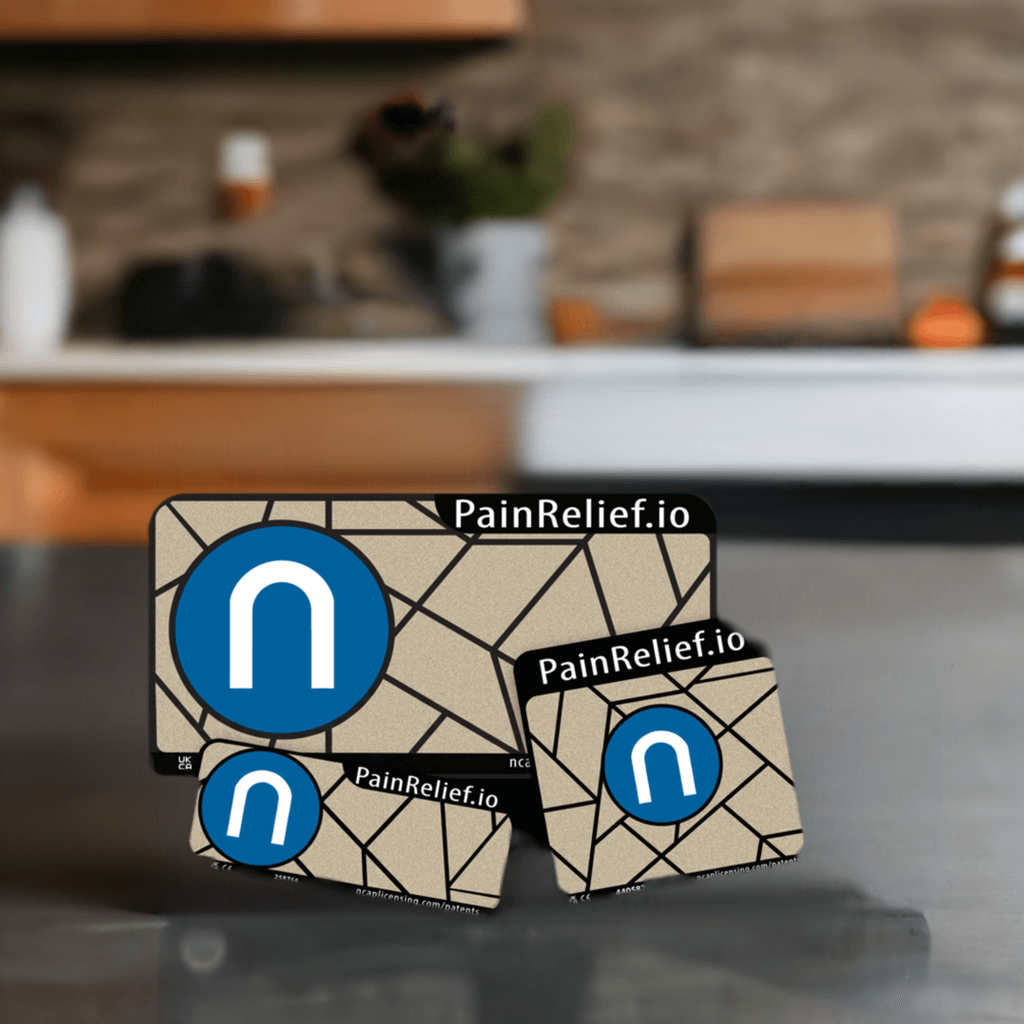
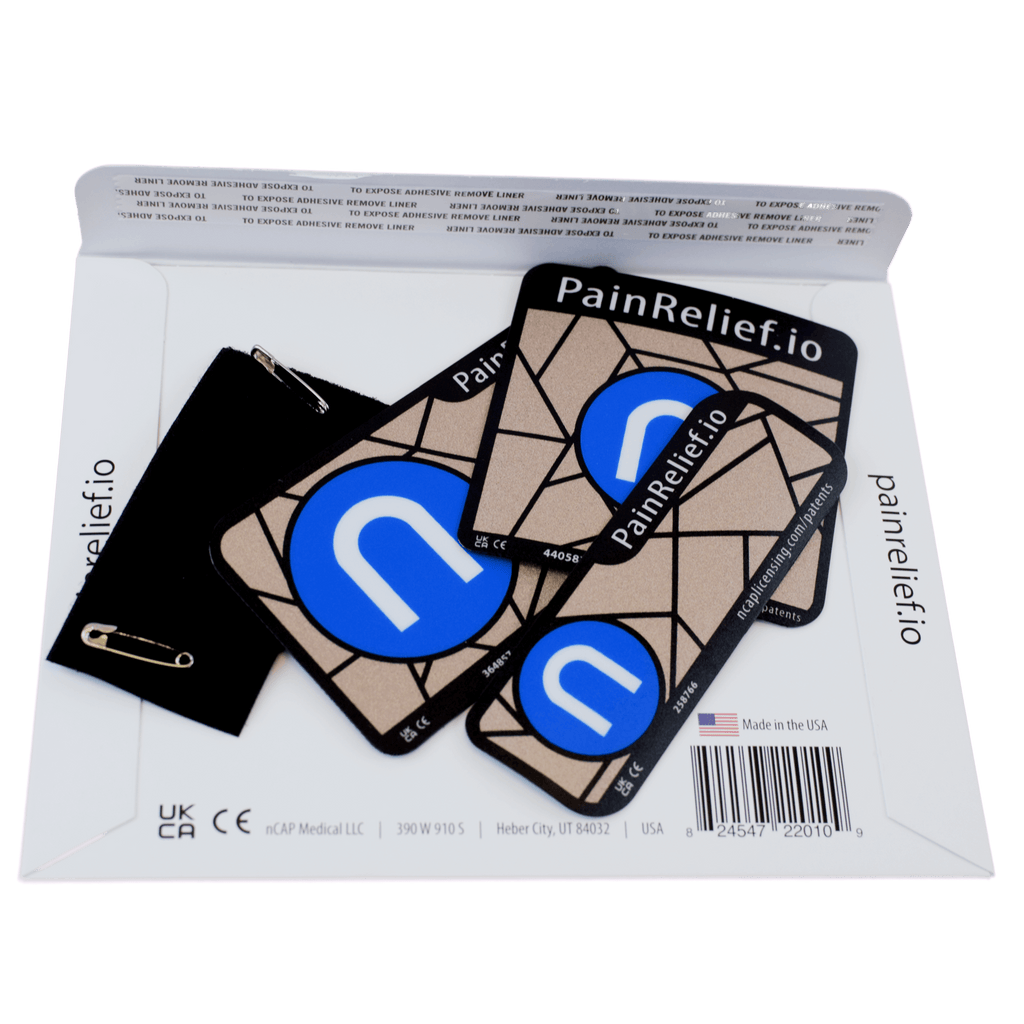
This is also where design matters more than people expect. A pain relief tool that is drug-free but bulky, awkward, or short-lived often ends up in a drawer. A better option is one built for repeated use, matched to body area, and simple enough that you do not need a manual every time you reach for it. That is the value proposition behind brands like PainRelief.io - practical, patented, wearable support that aims to fit the body and the routine, not interrupt it.
Natural pain relief is rarely all-or-nothing. Sometimes the win is less intensity. Sometimes it is better mobility, fewer flare-ups, or the ability to get through the day without escalating to medication. Those outcomes count.
It also helps to expect a little experimentation. Pain is personal. The most effective approach may be a combination of sleep improvements, movement, targeted heat or cold, and a reusable wearable support tool for the areas that keep acting up. When you find a combination that is easy to stick with, relief becomes more realistic.
If you have been asking what is natural pain relief, the most honest answer is this: it is any non-drug approach that helps your body feel and function better without adding unnecessary complexity. The best version is the one you will actually use, trust, and keep close when pain tries to take over your day.
Pain does not always wait for a convenient moment, so your relief plan should be simple enough to meet it where it starts.
Buscar
Terms of Service
Refund Policy
Contact Us
No vender ni compartir mi información personal
Affiliates: Join or Log In
PATENTS
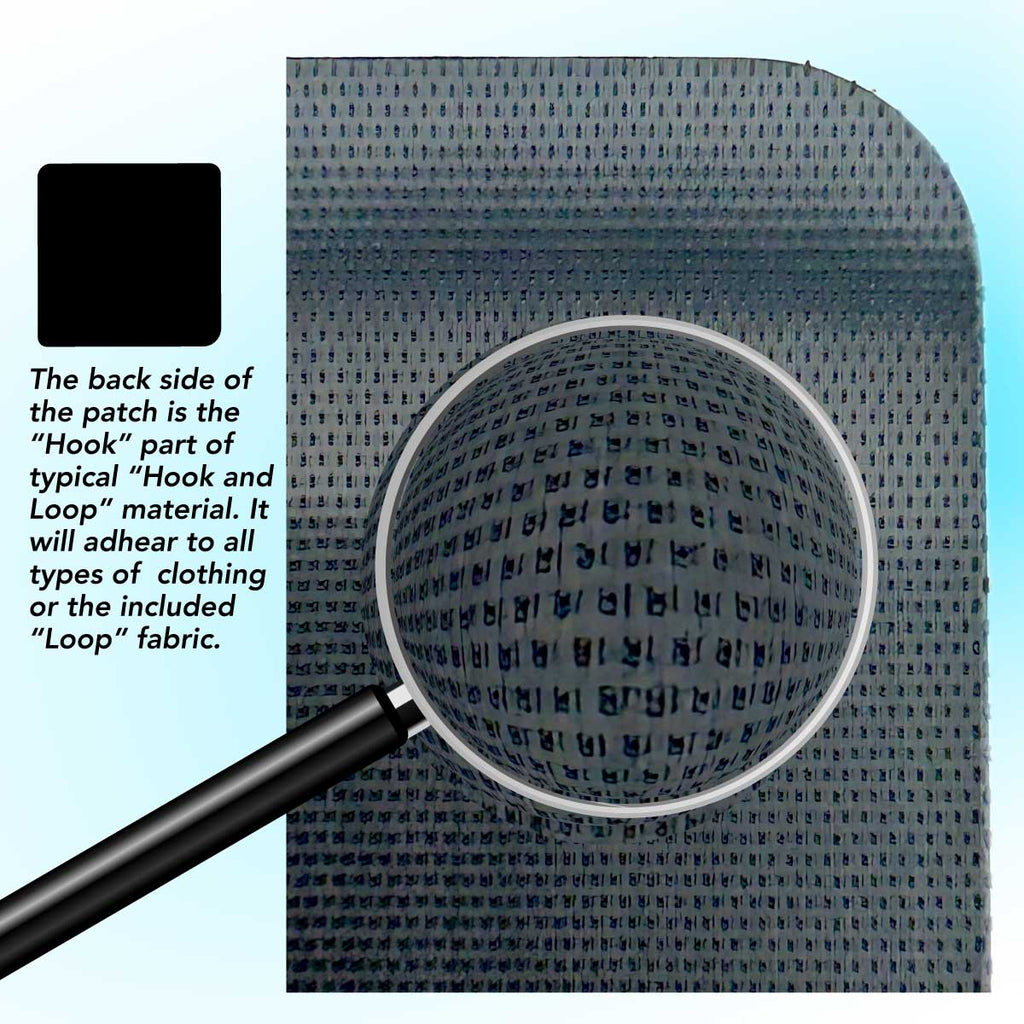
¡Es fácil de usar! Simplemente coloque el dispositivo encima de su dolor, Between the Pain and the Brain(tm) , y su dolor comenzará a desaparecer en minutos. Todo en un dispositivo portátil, delgado y reutilizable. ¡Sin baterías, sin cables, sin aceites malolientes, sin drogas y es de acción rápida!
El dispositivo está construido con nuestra capa patentada Neurocuple® sellada entre dos capas impermeables. Una vez colocada en el lugar correcto, la capa Neurocuple® se activa directamente por la energía del propio cuerpo del usuario; después de unos minutos, el usuario siente una sensación de calor, frío u hormigueo a medida que el dolor desaparece.
El dispositivo PainRelief.io® es un producto de bienestar general que ayuda a promover la actividad física para los usuarios con dolor crónico e intermitente, que, como parte de un estilo de vida saludable, puede ayudar a vivir con estas condiciones y puede retrasar la aparición de discapacidades relacionadas.