

If you have ever put on a pain patch, waited, and wondered whether it was actually helping or just sitting there, this wearable wellness patch review is for you. The category is crowded, the claims can sound similar, and the real question is simple: does a wearable patch make daily pain easier to manage without adding more hassle to your routine?
That question matters most to people who are already tired of the usual cycle. Pills wear off. Creams are messy. Heating pads keep you parked in one place. Disposable patches can feel like a short-term fix for a long-term problem. Wearable wellness patches appeal to a different need - something drug-free, easy to wear, and practical enough to use again and again.
A good review should not stop at marketing language. It should focus on how the product fits real pain, real bodies, and real habits. For most shoppers, the headline is not whether a patch sounds innovative. It is whether it helps with back pain during work, knee pain on stairs, neck tension after a long day, or cramps when you still need to function.
That is why the best way to evaluate this category is through a few practical filters: comfort, placement, reusability, durability, and what type of relief the patch is designed to support. Some products rely on ingredients like menthol or lidocaine. Others use heat. Others are built around wearable technology intended to interact with the body in a noninvasive way.
Those differences are not small. They shape how often you can use the patch, where you can wear it, whether it creates residue or skin irritation, and whether it is a one-time product or something designed for long-term use.
The first trade-off is disposable versus reusable. Disposable patches can be familiar and easy to understand, but repeated use adds cost and waste. If you deal with recurring pain, that matters. Reusable wearable patches can make more sense over time, especially if pain shows up in the same areas week after week.
The second trade-off is active ingredient versus drug-free support. Ingredient-based patches may offer a sensation people recognize quickly, such as cooling or warming. But not everyone wants daily exposure to topical ingredients, and some people are specifically trying to reduce reliance on medication-based options. Drug-free wearables are often more appealing for that reason, although shoppers should still look closely at what the product is actually designed to do.
The third trade-off is flexibility versus specificity. Some patches are made for one narrow use case. Others can be worn on different parts of the body depending on size and shape. If your pain moves from lower back to shoulder to knee, versatility has real value.
A standard pain patch usually delivers a topical ingredient through the skin or creates a heating or cooling effect. A wearable wellness patch may be built around a different idea entirely. In the pain relief category, some wearable devices are designed to support the body without drugs, batteries, or wires.
This is where shoppers need to slow down and read beyond the front label. A product can look simple from the outside but work in a very different way. Some newer wearable devices focus on the body’s electrical environment rather than on heat, scent, or medicated ingredients. That may sound technical, but the practical takeaway is straightforward: the user experience can be much cleaner, more portable, and easier to repeat throughout the day.
That does not mean every wearable patch works equally well for every person. Pain is personal. The source of discomfort matters. Muscle strain, joint irritation, nerve discomfort, tension headaches, and menstrual cramps do not always respond the same way. A patch can be genuinely helpful and still not be the right match for every pain pattern.
The most overlooked factor is placement. A wellness patch is only as useful as its ability to sit where pain actually happens. That sounds obvious, but many buyers choose based on headline claims instead of body area. A patch that works well on a broad, flat lower back may not fit comfortably near the jaw, temple, or knee.
Size matters, and so does shape. If the product line offers more than one size or a kit designed for specific body areas, that is usually a sign the brand understands how people actually use the device. Pain relief is rarely one-size-fits-all.
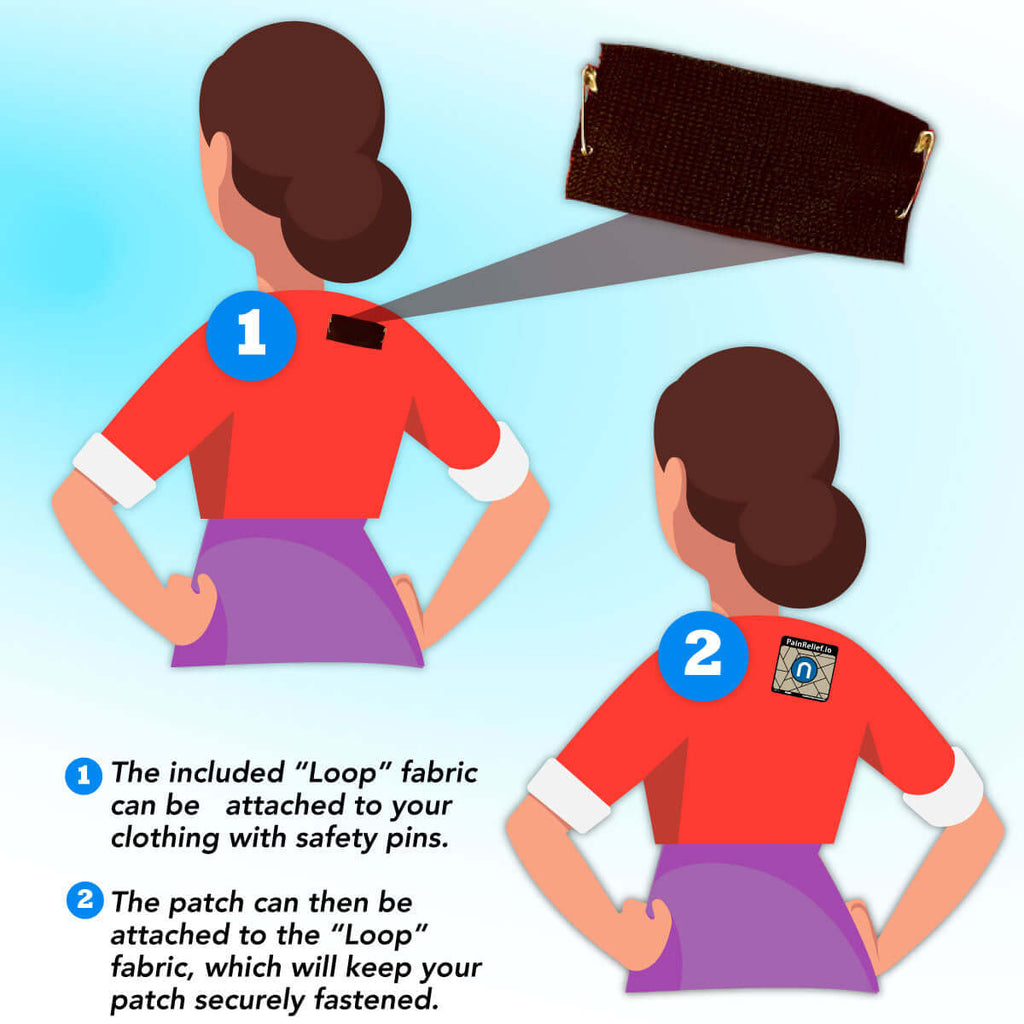
Comfort also deserves more attention than it usually gets in reviews. If a patch is bulky, stiff, or hard to keep in place under clothing, people stop using it. A good wearable should be lightweight enough to forget about for stretches of the day. If it requires constant adjustment, that is friction you will feel every time pain returns.
Then there is skin contact. Ingredient-heavy products can irritate sensitive skin, and strong adhesives can become a problem with repeated use. Some users do fine with them. Others do not. If you already know your skin reacts to creams, medicated patches, or aggressive adhesives, that should shape your choice.
This category has no shortage of big promises. That is why credibility matters. If a wearable wellness patch is built around a technology platform, look for signs that the company can clearly explain how it works in plain English. Patents, inventor-led development, and consistency across product claims can all add confidence, but they are not a substitute for usability.
In other words, a patch should not only sound smart. It should make sense in daily life. Can you wear it while working, walking, resting, or commuting? Can you use it repeatedly without charging it, plugging it in, or replacing it every few days? Those practical details often separate a serious solution from a novelty item.
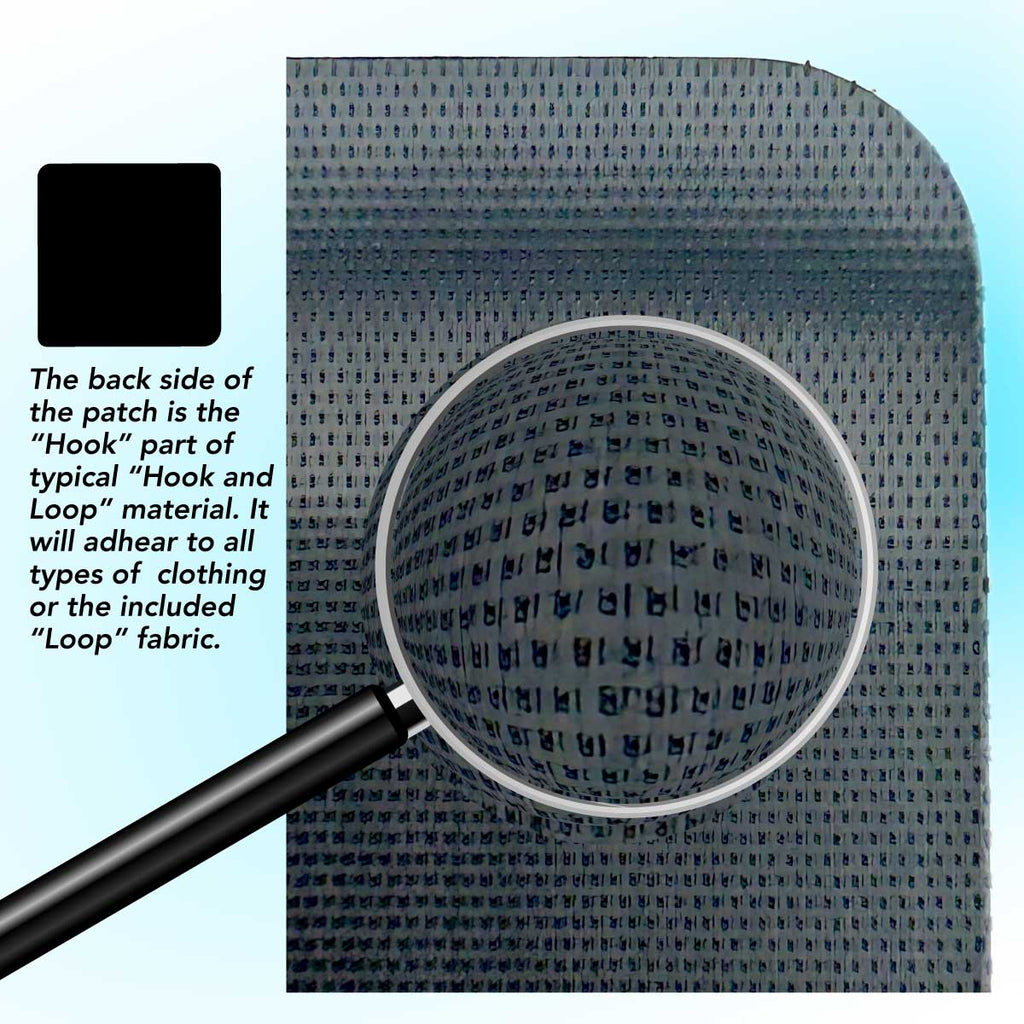
This is one reason reusable, battery-free wearables stand out for many pain sufferers. They remove several points of friction at once. There is no cream to rub in, no pill schedule to remember, and no cord limiting movement. For people trying to stay functional at work or at home, simplicity is not a bonus feature. It is part of whether the product gets used at all.
People with recurring pain tend to get the most from wearable wellness patches when the product is designed for repeated use. If your pain is occasional and mild, a disposable option might feel sufficient. But if pain keeps interrupting your week, reusability starts to matter quickly.
This category can be especially appealing for adults looking for drug-free support for back pain, knee pain, shoulder tension, headaches, menstrual cramps, and TMJ-related discomfort. The common thread is not just pain itself. It is the need to manage it without slowing life down more than necessary.
That said, expectations should stay realistic. A wearable patch is not a replacement for proper diagnosis when pain is severe, worsening, or unexplained. It is a support tool. For many people, that is exactly what they need - something practical they can apply quickly, wear comfortably, and return to without building their routine around medication.
The strongest trend in wearable pain relief is not flashy hardware. It is low-friction design. People want options that are lighter, simpler, and easier to use repeatedly. They want products that fit under clothing, work across multiple pain points, and do not force a choice between convenience and long-term use.
That is why the most promising products in a wearable wellness patch review are usually the ones built around real-world wearability rather than novelty. Reusable formats, body-area-specific sizing, and drug-free construction all point in that direction. When those features are backed by a clear technology story and a risk-reducing trial period, the product becomes much easier to evaluate with confidence.
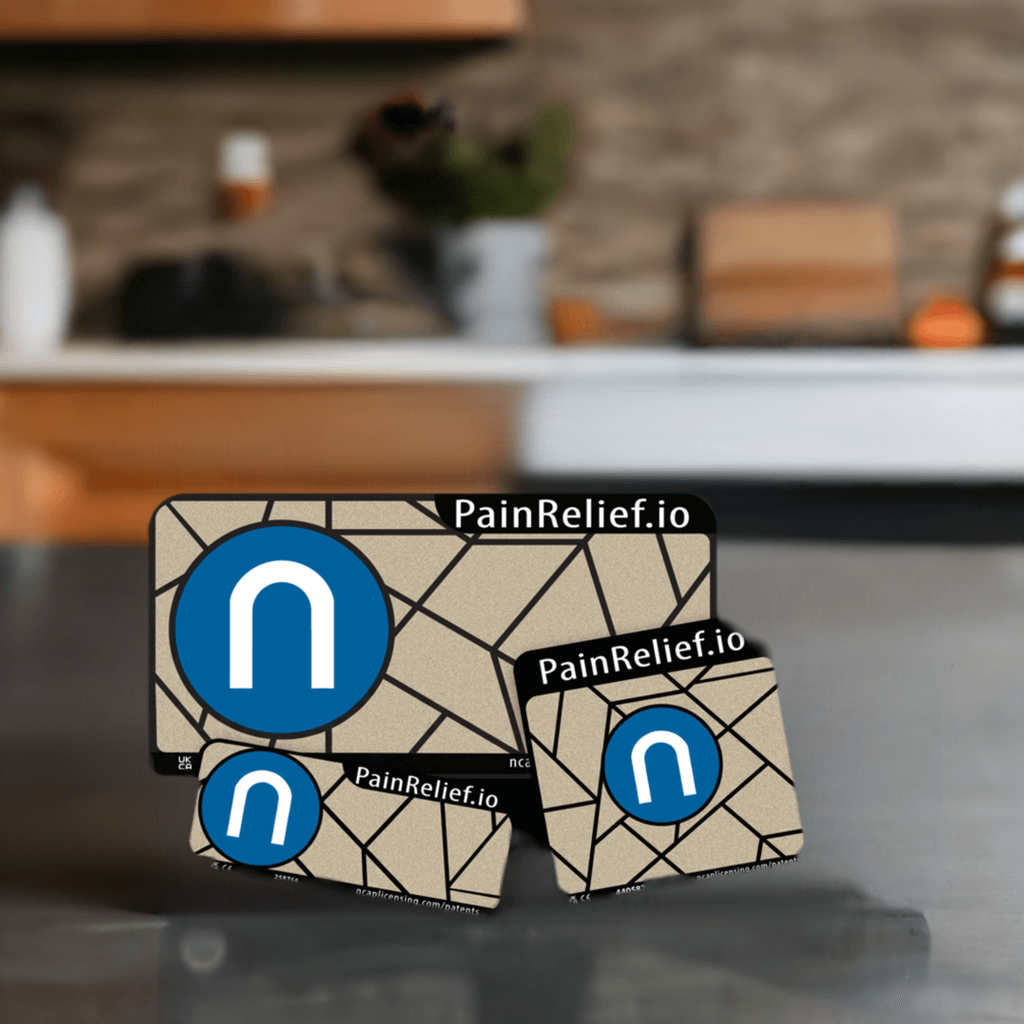
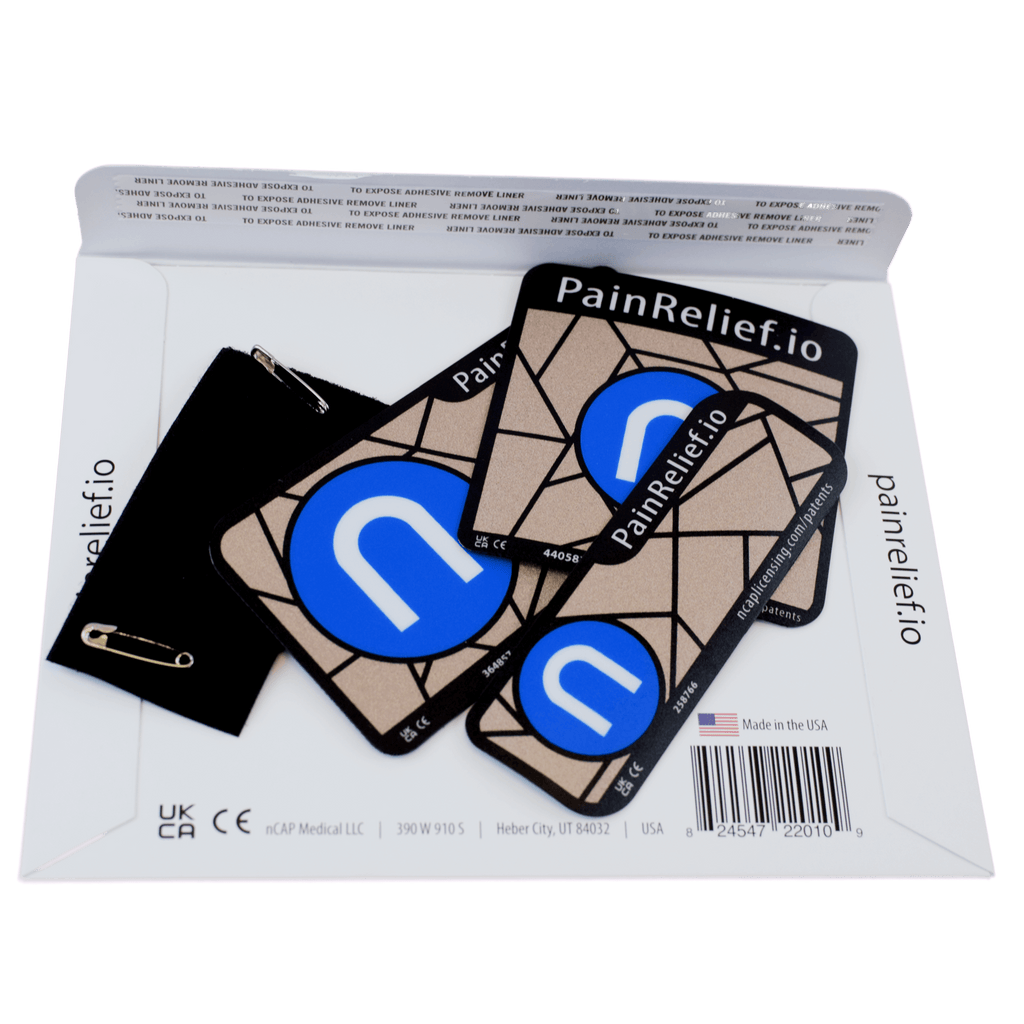
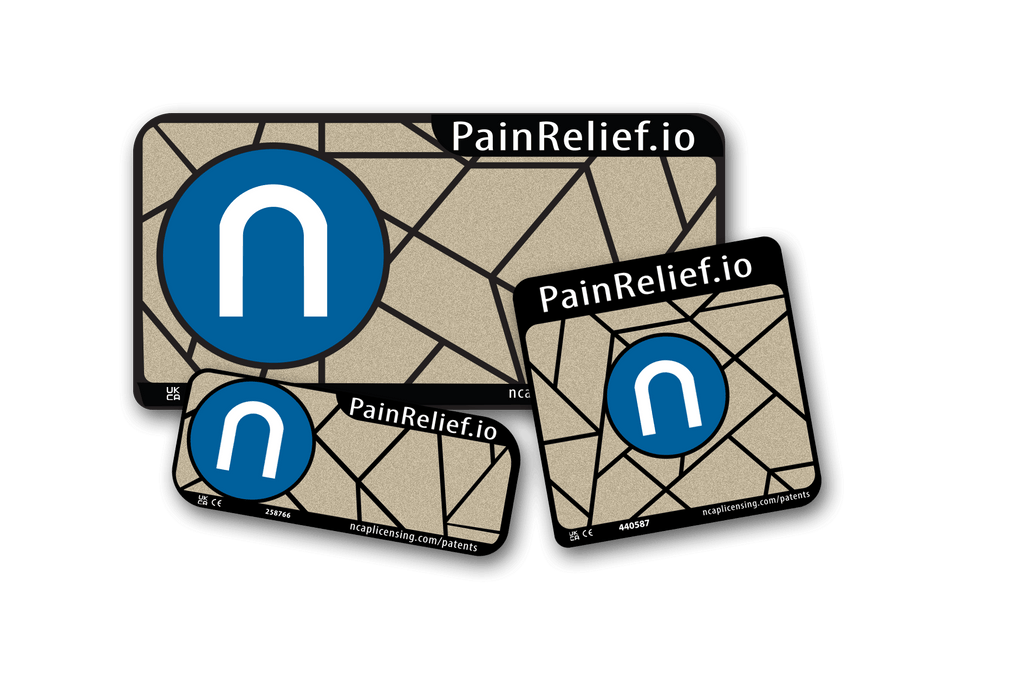
PainRelief.io® is one example of how this category is maturing. Instead of treating pain relief as a generic patch problem, it approaches wearables by body area and pain type, using reusable, battery-free devices built on patented NeuroCuple® nanocapacitive technology. That kind of structure is useful because it mirrors how people actually shop when they are dealing with lower back pain, jaw pain, headaches, or knee discomfort.
A useful review, then, is not about crowning one product type as perfect. It is about matching the tool to the person. If you want fast sensation, a topical patch may still appeal to you. If you want something cleaner, reusable, and drug-free, a wearable wellness patch may be the better fit. The best choice is the one you can realistically keep using when pain shows up again next Tuesday, not just the one that sounds good on the package today.