¡Para dolores corporales generales, nudos musculares y alivio del dolor!
El PainRelief.io® El dispositivo utiliza tecnología patentada de "acoplamiento neurocapacitivo" en un dispositivo delgado y reutilizable que puede reducir o eliminar el dolor rápidamente, a veces en minutos. Es 100% seguro y de acción rápida. El PainRelief.io® ¡El dispositivo es una forma revolucionaria, sin medicamentos, sin químicos y completamente segura de aliviar el dolor!
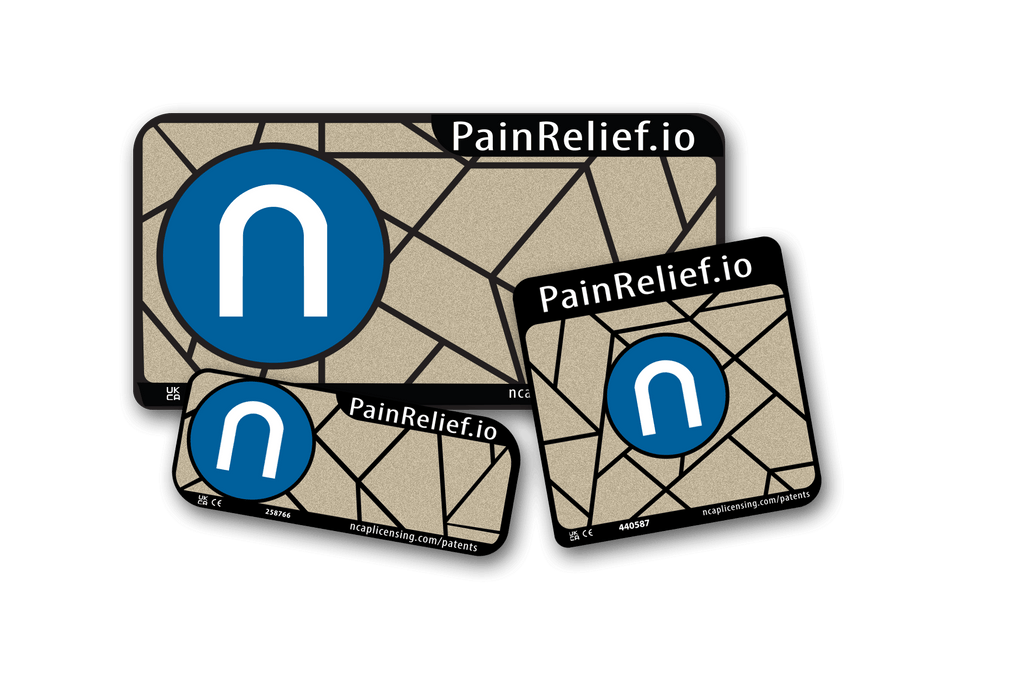
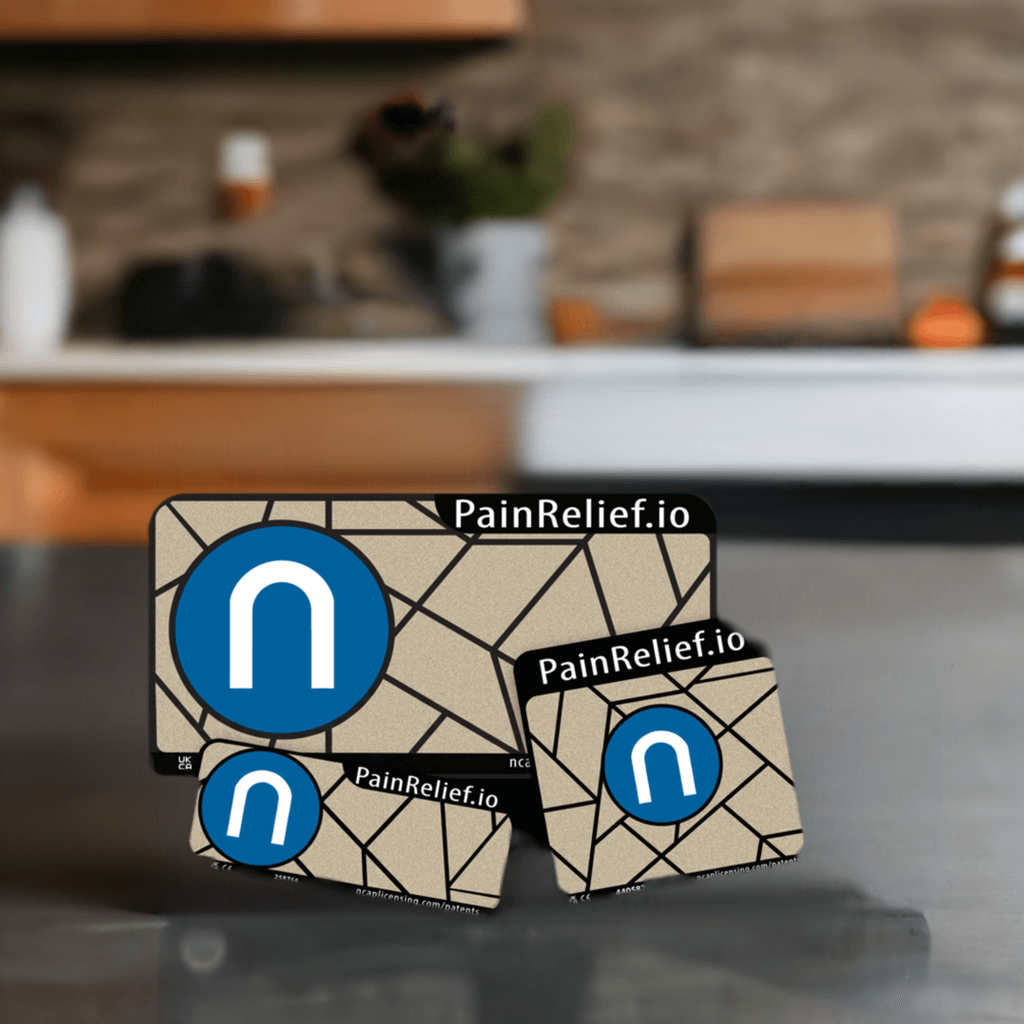
Este kit para aliviar el dolor incluye 3 Dispositivos diseñados para adaptarse a cada parte de su cuerpo:
- 1) 2"x5" (5 cm x 12 cm) dispositivo
- 1) 4"x4" (10cm x 10cm) dispositivo
- 1) 3"x6" (76 mm x 152 mm) dispositivo
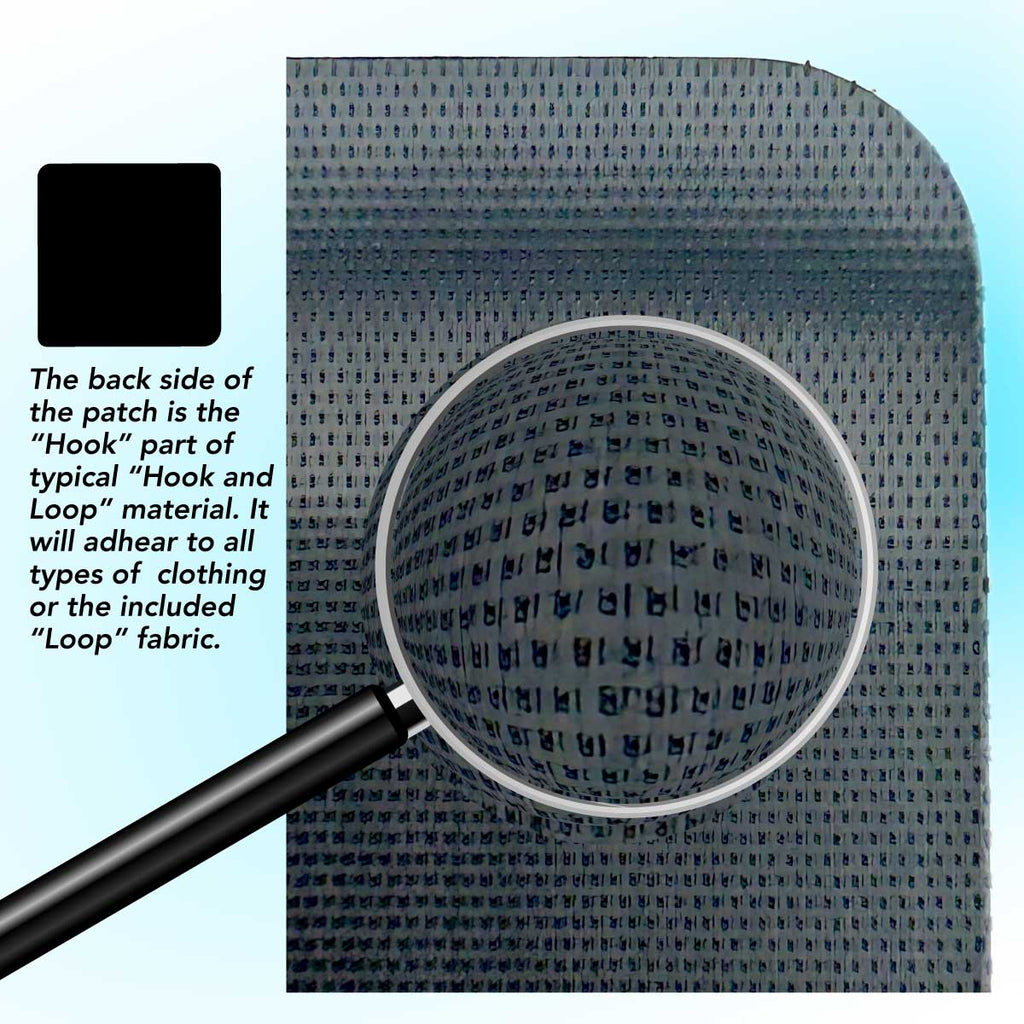
Nuestro Los dispositivos son lisos por un lado y tienen Hook and Loop (gancho) en la parte posterior.
Impulsada por la tecnología Neurocuple® patentada de nCAP, esta tecnología ha brindado alivio a millones de personas en todo el mundo, ¡y ahora es tu turno!
PainRelief.io® Los dispositivos están diseñados para funcionar durante años si no se pierden o se extravían, lo que la convierte en una de las soluciones más rentables que puede comprar.
¡Nuestros productos están garantizados para hacerte feliz o te devolveremos tu dinero!
Alivio de acción rápida
Coloca esto dispositivo dondequiera que sienta dolor o malestar y experimente un alivio rápido. ¡La mayoría experimenta alivio en los primeros 10 minutos!
Económico
El PainRelief.io® El dispositivo se puede usar una y otra vez, día tras día, sin perder funcionalidad.
Ideal para usar en:
- Espaldas
- Piernas
- Brazos
- Cabeza
- Cuello
-
Hombros
- ¡Y en todas partes intermedias!
CARACTERÍSTICAS Y BENEFICIOS:
- Reutilizable
-
Sin drogas, sin brebajes de hierbas, sin cremas, sin olores ni cosas pegajosas.
- Activo sobre el 100% de la superficie.
- El diseño liviano, contorneado y flexible permite libertad de movimiento y comodidad durante todo el día.
- Ayuda a mantener un estilo de vida activo.
CÓMO UTILIZAR:
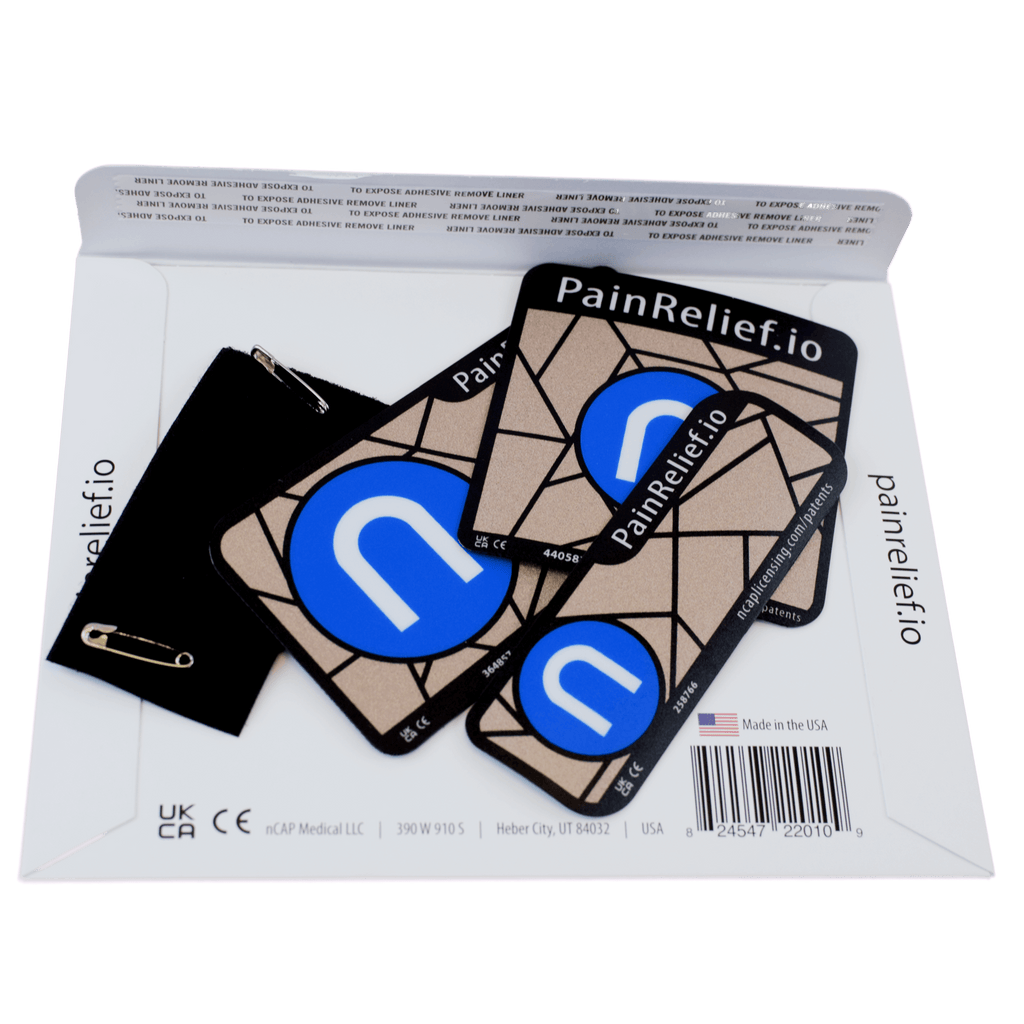
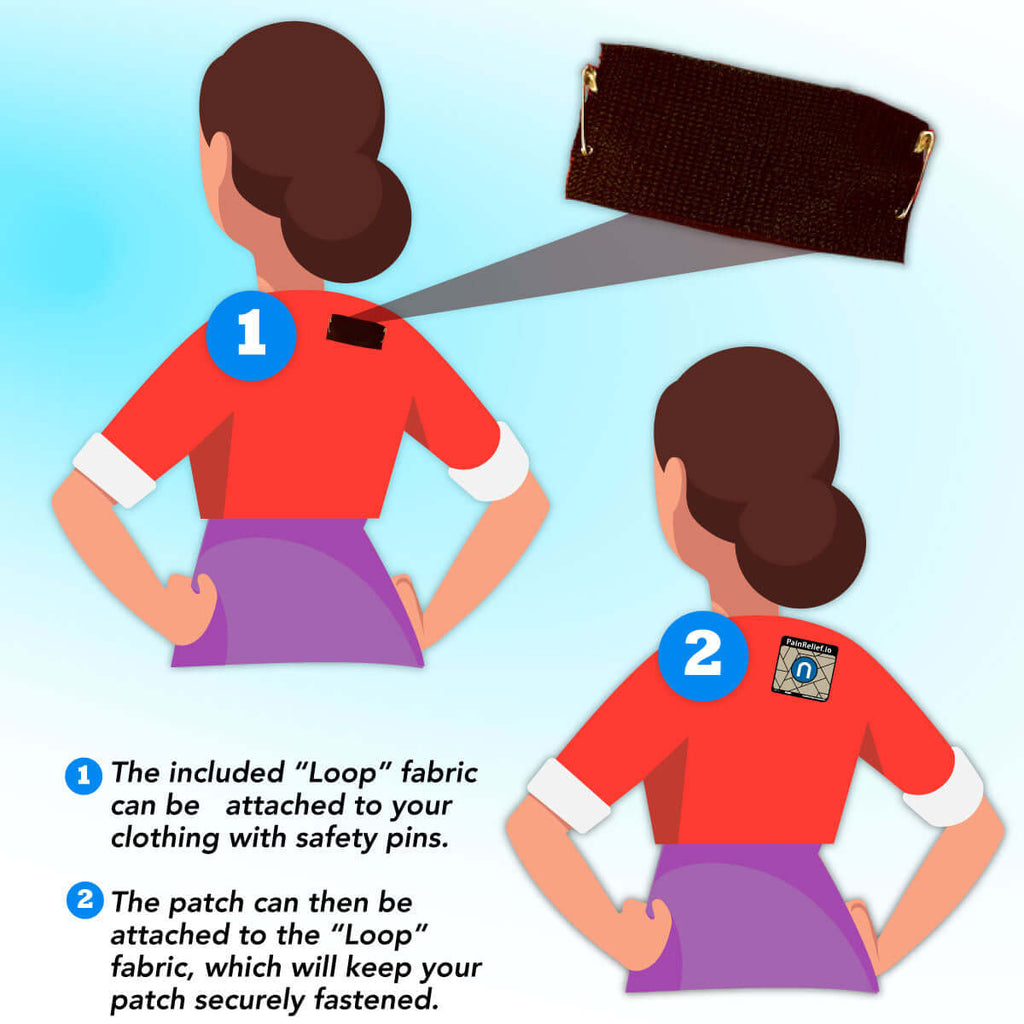
El no es necesario colocar el dispositivo directamente sobre la superficie de la piel; se puede separar con ropa fina o tela. El El dispositivo PainRelief.io® se puede mantener en su lugar usando una variedad de opciones, como nuestra tela de bucle incluida, vendajes, envolturas, imperdibles, cintas médicas, o simplemente colocarlo sobre el área deseada o colocarlo mientras descansa o duerme.
Comience colocando el Coloque el dispositivo directamente sobre el dolor, espere unos minutos y luego muévalo ligeramente, espere un par de minutos más, repita este proceso hasta que sienta alivio. Una vez que encuentre alivio, elija el método para asegurarlo en su lugar. Consulte nuestra sección de uso para ver más ejemplos. Siempre estaremos encantados de responder cualquier pregunta por teléfono o correo electrónico.
INSTRUCCIONES DE CUIDADO:
Limpiar a mano con un paño húmedo humedecido con un detergente suave y luego secar al aire.
NOTA:
Si tiene alguna condición médica o está embarazada consulte a su médico antes de usarlo.
Nuestro dispositivo para aliviar el dolor no elimina la causa de su dolor y no es una cura, pero proporciona una alternativa simple y portátil para aliviar el dolor y mantener un estilo de vida activo.
Manteniéndolo simple, con menos desperdicio de empaques
PainRelief.io® es consciente del impacto que tienen los productos desechables en el medio ambiente. Debido a esto, PainRelief.io® se esfuerza por diseñar productos sustentables que puedan reutilizarse una y otra vez durante años.
Hemos trabajado arduamente para eliminar la necesidad de gastos y suministros de embalaje adicionales, mejorando continuamente el diseño y los materiales utilizados en nuestros productos.
Al colocar nuestros productos directamente en un sobre de papel reciclado flexible, hemos reducido el peso, el tamaño, los plásticos, la energía y el impacto en el medio ambiente al entregárselo.