
¡Envío y devoluciones gratis por encima de $100!
If you have searched for a signal patch, chances are you are not casually browsing. You are trying to get through a workday with lower back pain, calm a headache before it turns into a full migraine, or find something for knee or shoulder pain that does not involve another pill, cream, or disposable heat wrap.
That is why this category gets attention. A signal patch is generally marketed as a wearable, drug-free pain relief tool that works with the body rather than adding medication to it. For people who want a simple option they can place on the painful area and keep moving, that idea makes sense. But the term itself is broad, and not every product described this way works the same way, lasts the same amount of time, or makes the same trade-offs.
In plain terms, a signal patch is a patch-style wearable designed to interact with the body's own signaling processes related to discomfort. Unlike medicated patches, it does not rely on drugs being absorbed through the skin. Unlike heating pads, it is not primarily about raising temperature. And unlike electrical stimulation devices, it does not necessarily require batteries, wires, or an external power source.
The core appeal is simple: place it where you hurt and use it as a noninvasive support for pain relief. Depending on the design, the patch may be intended for back pain, joint pain, neck tension, menstrual cramps, headaches, jaw discomfort, or general muscle soreness.
That said, this is where consumers often need a clearer explanation. "Signal" can sound vague. In most cases, the idea is that the patch is designed to interact with the body's bioelectrical environment. Since the nervous system and pain signaling involve electrical activity, some wearable pain relief products are built around materials or structures intended to influence that environment without drugs or powered stimulation.
Pain is not always a simple response to injury. Sometimes the original strain is mild, but the discomfort lingers. Sometimes inflammation settles down, yet the area still feels tender, tight, or overly reactive. Sometimes pain returns in the same spot because the body keeps repeating the same stress pattern.
That matters because relief is not always about overpowering symptoms. For many people, it is about changing the conditions around the painful area enough to feel more comfortable and function more normally.
A medicated patch delivers active ingredients through the skin. That can be useful in some situations, but it also means you are dealing with ingredients, wear-time limits, skin sensitivity concerns, and repeat purchases of disposable products.
A signal patch is different. It is usually chosen by people who want a drug-free approach and who may be trying to reduce how often they rely on pain relievers. That does not automatically make it better for every person or every type of pain. It does mean the decision often comes down to preference, frequency of use, and whether you want a reusable option.
The biggest reason is practical. If pain shows up often, convenience matters. A lightweight wearable patch is easier to use during work, travel, sleep, or light activity than a heating pad or bulky brace. If it is reusable, that also changes the value over time.
People also tend to look for a signal patch when they are tired of short-term fixes. Pills wear off. Creams can be messy. Heat can feel good but may not be realistic all day. A wearable option that can be applied directly to the source of discomfort can feel more manageable, especially for recurring pain.
Most people are not searching for a signal patch in the abstract. They are searching because a specific part of the body keeps bothering them.
For back pain, placement is usually focused on the lower back or the exact area where tension builds after sitting, lifting, or standing too long. For knee pain, the patch is often used around the joint where stiffness or overuse discomfort shows up during walking, exercise, or stairs. For neck and shoulder tension, users typically want something that stays in place during a normal day and does not interfere with clothing.
Headaches, migraines, TMJ pain, and menstrual cramps are slightly different use cases because the areas are smaller or more sensitive. Placement matters more, and comfort matters more. A patch that is too large, too stiff, or too difficult to position will not get used consistently, even if the concept is good.
This is one reason body-area-based design matters. A single one-size-fits-all patch may sound convenient, but pain is not one-size-fits-all. A lower back area and a temple area have very different placement needs.
The best signal patch is not just the one with the boldest claims. It is the one you are actually likely to use correctly and repeatedly.
Start with whether it is drug-free and whether it requires power. Many people searching this category specifically want to avoid medication and do not want another device to charge. A battery-free, wire-free design is often more realistic for daily use.
Next, look at reusability. This is a major dividing line in the category. Some products are designed for repeated use, which can make much more sense for chronic or recurring pain. Others are closer to short-term or disposable solutions. If your pain shows up every week, or every month in the case of cramps or migraines, reusability is more than a nice feature. It affects cost, convenience, and consistency.
Then consider placement options. Does the patch come in sizes that fit the body area you need to target? A patch that works well for back pain may not be ideal for jaw pain or temple placement. Better fit usually means better adherence and easier wear.
Finally, pay attention to credibility. This category includes a lot of big promises. Look for clear explanations of how the product is intended to work, whether the technology is patented, and whether the company educates users on where and how to place it. Pain relief products should not force you to guess.
A signal patch is not magic, and setting realistic expectations helps people make better choices.
For some users, relief feels noticeable fairly quickly. For others, the benefit is more subtle - less irritation during movement, fewer pain spikes during the day, or better tolerance of routine activity. Pain type matters. Body area matters. Placement matters. So does consistency.
If your pain is tied to a serious injury, structural issue, or condition that needs medical evaluation, a patch should not be treated as a replacement for proper care. And if a product irritates your skin, shifts constantly, or is uncomfortable to wear, even good technology will not solve that practical problem.
The better way to think about it is this: a signal patch may be a useful tool for managing everyday pain and recurring discomfort, especially if your goal is to stay functional without leaning on medication every time symptoms flare up.
A lot of pain relief products sound affordable until you need them again and again. Recurring back pain, monthly cramps, frequent headaches, and chronic joint discomfort turn disposable relief into an ongoing expense.
Reusable wearable options change that equation. They also tend to fit better with how people actually manage pain in real life. Most people are not trying to solve discomfort once. They are trying to have something on hand that they can trust when pain returns.
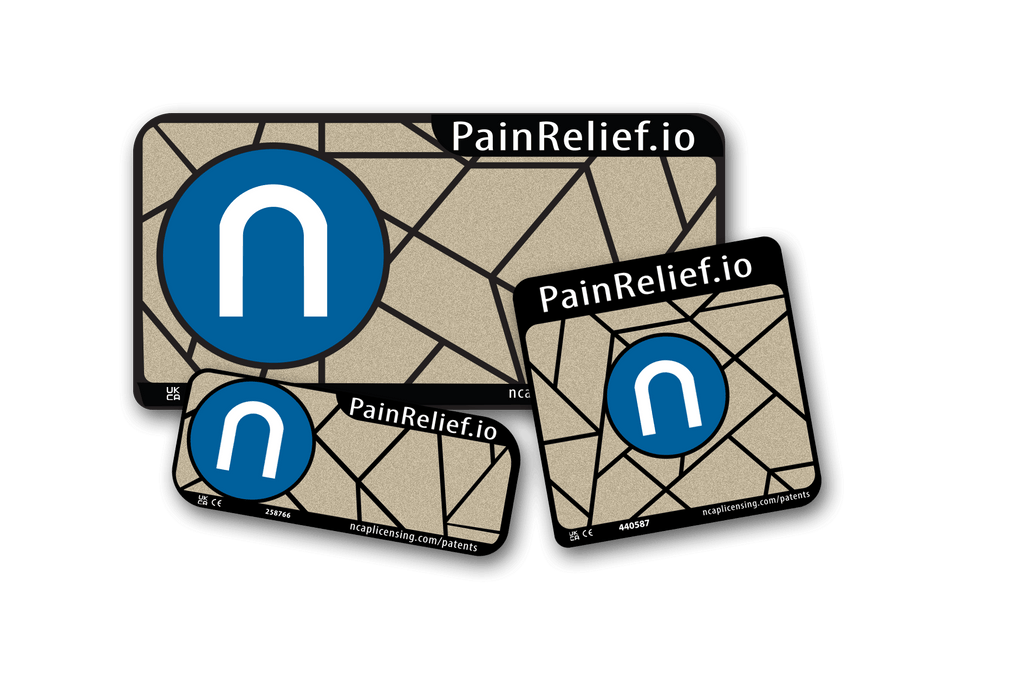
That is where brands like PainRelief.io® have pushed the category forward with patented, battery-free wearable technology designed for repeated use across different body areas. For shoppers who care about drug-free relief and long-term practicality, that difference matters.
If you want a pain relief option that is noninvasive, easy to wear, and does not depend on medication, a signal patch may be worth considering. It tends to be a good fit for people dealing with recurring pain, people sensitive to medication side effects, and people who want something more practical than creams, braces, or heat wraps.
It may be less appealing if you prefer immediate sensory feedback like heat or cooling, or if you want a treatment style that feels more active and obvious. Some people want to feel a device doing something. Others care more about whether they can move through the day with less discomfort.
That difference is personal. The right pain relief tool is the one that fits your body, your routine, and the way your pain actually shows up. If a signal patch gives you a simpler, drug-free way to get through the day with more control, that is a meaningful place to start.

Buscar
Terms of Service
Refund Policy
Contact Us
No vender ni compartir mi información personal
Affiliates: Join or Log In
PATENTS
¡Es fácil de usar! Simplemente coloque el dispositivo encima de su dolor, Between the Pain and the Brain(tm) , y su dolor comenzará a desaparecer en minutos. Todo en un dispositivo portátil, delgado y reutilizable. ¡Sin baterías, sin cables, sin aceites malolientes, sin drogas y es de acción rápida!
El dispositivo está construido con nuestra capa patentada Neurocuple® sellada entre dos capas impermeables. Una vez colocada en el lugar correcto, la capa Neurocuple® se activa directamente por la energía del propio cuerpo del usuario; después de unos minutos, el usuario siente una sensación de calor, frío u hormigueo a medida que el dolor desaparece.
El dispositivo PainRelief.io® es un producto de bienestar general que ayuda a promover la actividad física para los usuarios con dolor crónico e intermitente, que, como parte de un estilo de vida saludable, puede ayudar a vivir con estas condiciones y puede retrasar la aparición de discapacidades relacionadas.