

Reach for a coffee mug, turn your head while driving, or try to sleep on your side when your shoulder is irritated, and suddenly every small movement feels bigger than it should. That is why the idea of a shoulder patch gets attention fast. It sounds simple, targeted, and easier to live with than pills, messy creams, or bulky braces. But whether it helps depends on what is driving the discomfort, how the patch works, and what you expect it to do.
For many people, shoulder pain is not one single problem. It can come from muscle tension after hours at a desk, post-workout soreness, overuse from lifting, irritation around the joint, referred pain from the neck, or a chronic issue that keeps flaring up. A patch can be useful, but not every patch is solving the same problem.
A shoulder patch is any wearable product designed to sit on or near the shoulder to support pain relief in that area. Some are adhesive heat patches. Some deliver cooling ingredients. Some are topical medicated patches. Others use wearable pain relief technology without drugs, heat, or batteries.
That difference matters more than most shoppers realize. If your main problem is stiff muscles after a long day, warmth may feel helpful. If you are trying to avoid medication and want something reusable, a drug-free wearable may make more sense. If your shoulder pain is sharp, deep, or tied to limited range of motion, a patch may help manage discomfort, but it may not address the full cause by itself.
The best way to think about a shoulder patch is as a tool, not a miracle. The right tool can make daily life easier. The wrong one can leave you disappointed, even if the product itself is working as designed.
The shoulder is one of the most mobile joints in the body, which is great until it is not. That range of motion comes with trade-offs. Muscles, tendons, and connective tissue all have to work together while the shoulder supports repetitive motion, awkward sleeping positions, poor posture, gym strain, and everyday reaching.
Pain in this area also tends to spread. What starts near the top of the shoulder can move into the neck, upper back, shoulder blade, or upper arm. That is one reason shoulder discomfort feels hard to pin down. People often say, “My shoulder hurts,” when the real source might be surrounding tissue or even nerve-related irritation.
This is also why one person may swear by a shoulder patch while another says it did nothing. If the pain is mostly muscular tension, a targeted wearable may help quite a bit. If the issue is more structural, inflammatory, or connected to movement dysfunction, relief may be partial and placement may matter more.
A shoulder patch tends to work best when your pain is localized enough that targeted support makes sense. That includes soreness from overuse, tension from posture, mild repetitive strain, and recurring discomfort that shows up during work, exercise, or sleep.
It can also be a practical option for people who want relief without taking another pill. That matters for a lot of adults who are trying to reduce dependence on over-the-counter pain relievers, avoid topical products on their skin, or find something they can wear while moving around.
For situational pain, convenience is often the biggest win. A patch is low effort. You place it, go about your day, and do not need to stop and reapply lotion or sit next to a heating pad. For chronic or recurring pain, the appeal is different. People want something simple enough to use again and again without building a routine around medication.
This is where shoppers can get tripped up. The word patch makes different products sound interchangeable when they are not.
Heat patches are built to create warmth. Some people like that because heat can help muscles feel looser and more comfortable. The trade-off is that heat is temporary and may not be ideal in every situation, especially if your shoulder feels aggravated by warmth or if you want something reusable.
Topical pain patches rely on active ingredients. These may help temporarily dull discomfort, but they can wear off, irritate sensitive skin, or feel limiting if you are trying to avoid drug-based approaches.
Cooling patches create a sensation that some people find soothing, especially after activity. But cooling does not always translate to meaningful relief, particularly for deeper or recurring discomfort.
Then there are drug-free wearable options designed to interact with the body’s natural bioelectrical environment rather than deliver heat or medication. For people looking for a reusable, noninvasive alternative, this category is often the most appealing because it is built around long-term use instead of one-time disposal.
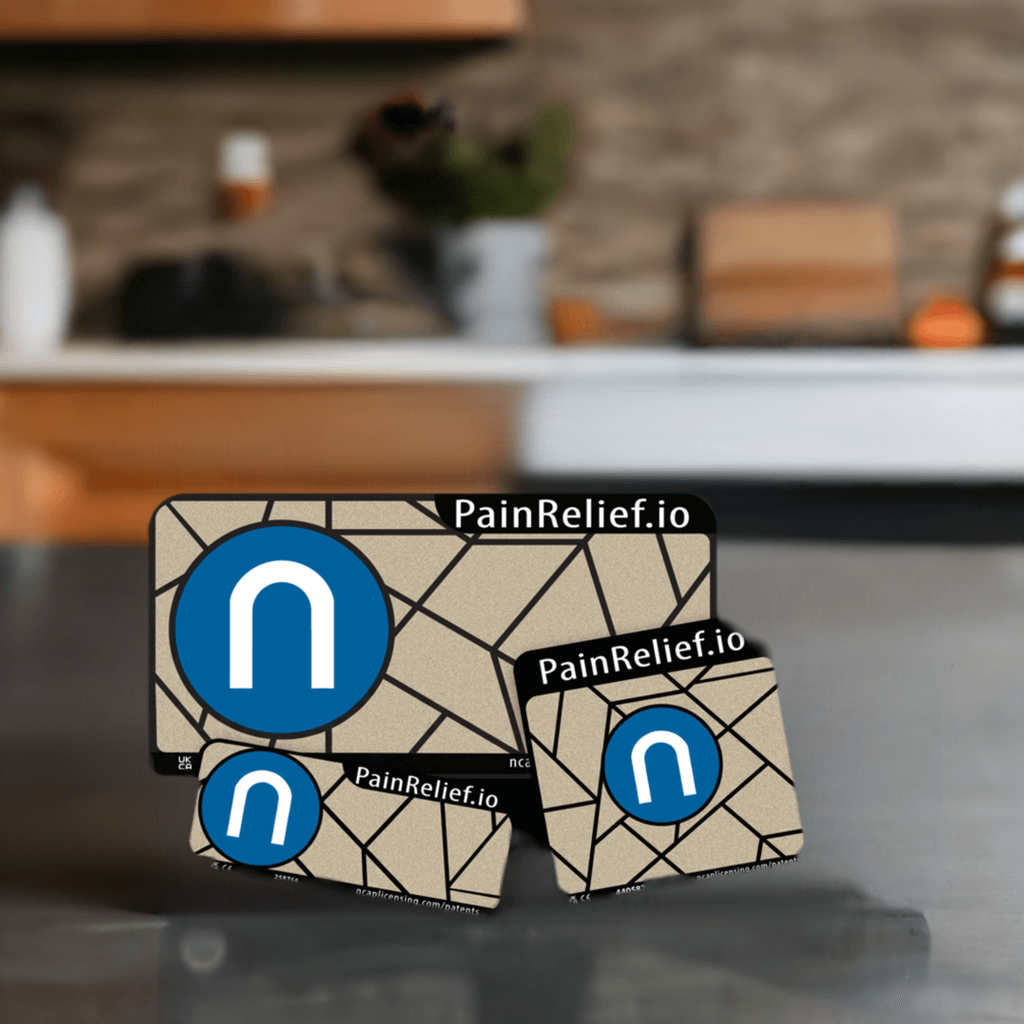
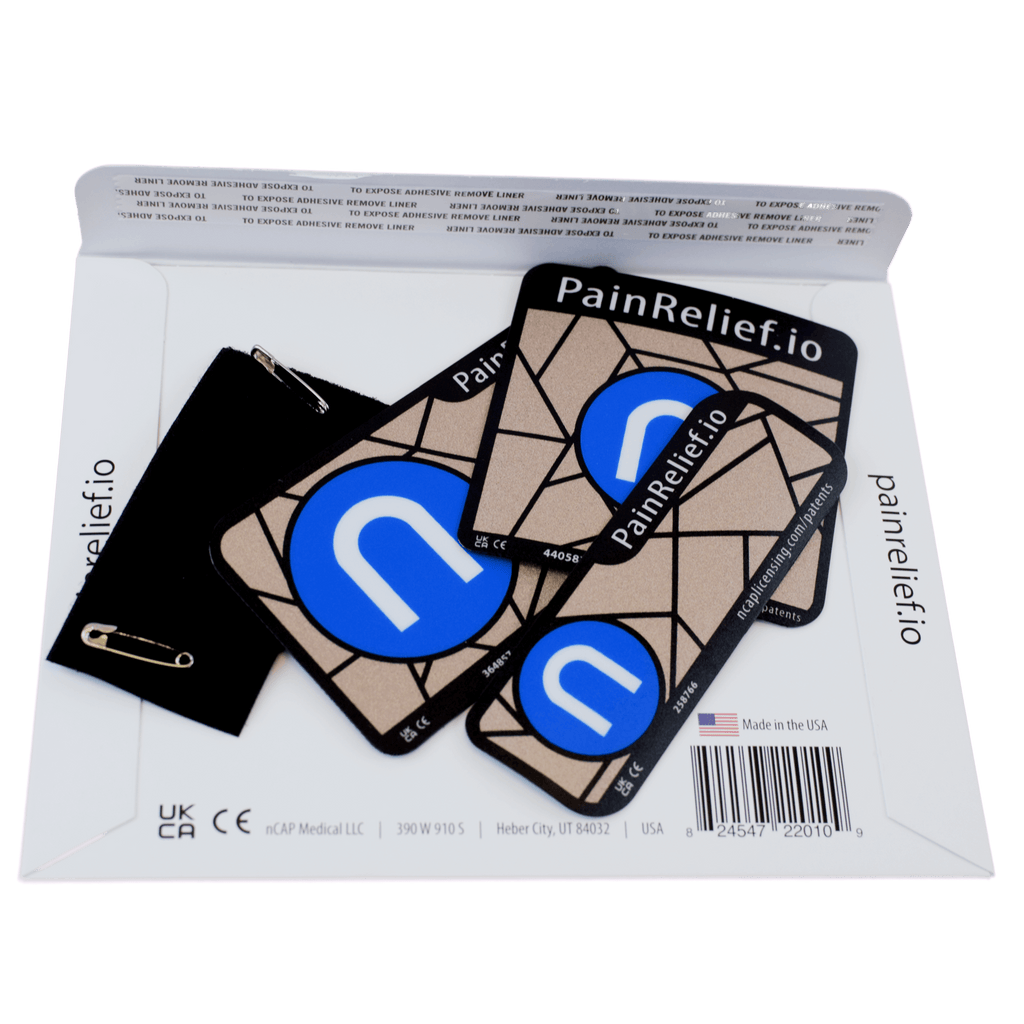
PainRelief.io® focuses on that kind of approach, using patented NeuroCuple® nanocapacitive technology in reusable wearables made for targeted body areas, including the shoulder. That will appeal most to people who want practical pain support without pills, wires, batteries, or creams.
Start with the simplest question: what kind of pain are you dealing with? If your shoulder pain shows up after workouts, long hours at a computer, carrying kids, repetitive lifting, or sleeping in a bad position, a patch may be a very reasonable first step. If the pain is constant, worsening, or paired with significant weakness, numbness, major swelling, or loss of motion, a patch may still offer support, but it should not be your only plan.
The next question is how you want to live with the solution. Some people are fine with disposable products if they need occasional relief. Others want something reusable because the pain keeps coming back. That is often the better long-term value, especially for people managing recurring shoulder tension or chronic soreness.
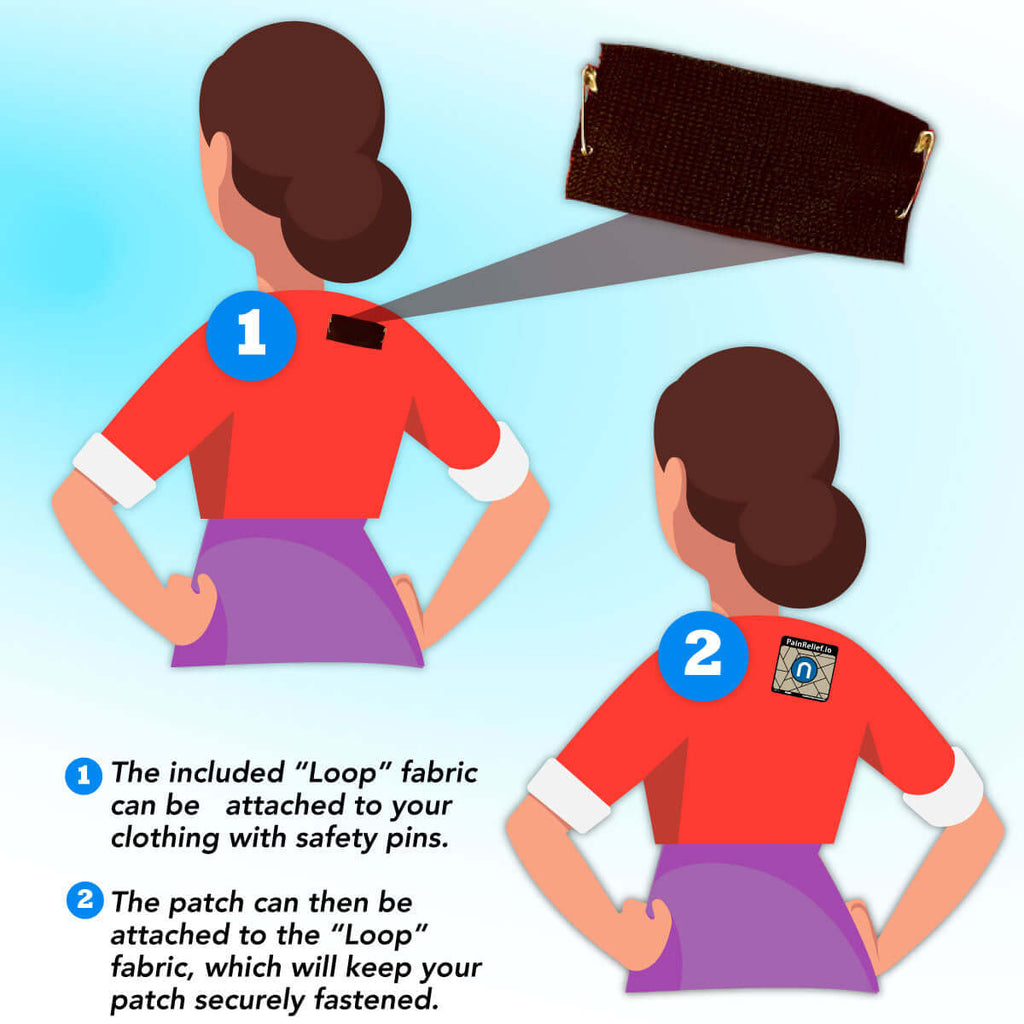
Comfort matters too. The shoulder is a high-movement area. A patch that works perfectly on the lower back may feel awkward here if it does not flex well or stay in place. Wearability is not a small detail. If a product is annoying to use, most people stop using it.
Even a well-designed shoulder patch can disappoint if it is placed poorly. Shoulder pain is rarely a perfect dot. Sometimes the most tender spot is not the best spot for relief. If your discomfort wraps from the top of the shoulder toward the shoulder blade or down the upper arm, placement may need some trial and error.
That is normal. Targeted pain relief is partly about location and partly about pattern. You may get better results placing the patch near the area where tension concentrates rather than directly on the most painful point. That depends on the product, the pain pattern, and how your body responds.
This is one reason body-area-based sizing can be useful. A shoulder area often needs coverage that fits movement without feeling oversized or too tiny to matter. A one-size-fits-all patch is not always ideal for a joint that twists and lifts all day.
A shoulder patch can support relief. It cannot repair every underlying issue. If you have a tear, significant injury, severe inflammation, or pain driven by mechanics that keep repeating, a patch may help you feel better while you move through the day, but it is not the same as correcting the source.
That does not make it less valuable. Relief matters. Better sleep matters. Being able to get through work, drive comfortably, or reach overhead with less hesitation matters. But realistic expectations lead to better results. People tend to be happiest with a shoulder patch when they use it as part of a smarter pain management approach instead of expecting instant, permanent change from one product alone.
If you are comparing shoulder patch options, look beyond marketing language. Ask whether the product is drug-free or medicated, reusable or disposable, comfortable enough for daily wear, and designed for the kind of pain you actually have.
Also think about frequency. If your shoulder bothers you once every few months, a simple occasional-use option may be enough. If it flares up every week, reusability starts to matter a lot more. Cost over time matters too. Cheap disposable patches can become expensive if they turn into a habit.
A good product should fit into your routine without adding friction. That is especially true for shoulder pain because this is not an area you can easily ignore. You use your shoulders constantly, even when you are trying to rest them.
The most useful shoulder patch is not the one with the loudest promise. It is the one that matches your pain pattern, your preferences, and your day-to-day life well enough that you will actually use it when your shoulder starts talking back.