

A workday can go sideways fast when cramps hit before your first meeting. You may still be at your desk, answering messages and showing up, but period pain affecting productivity is often less about whether you can work at all and more about how much harder every task suddenly feels.
That gap matters. Menstrual pain is often treated as a routine inconvenience, yet for many people it changes concentration, pace, posture, mood, and stamina for hours or days at a time. If you find yourself rereading emails, delaying calls, or pushing through a fog of discomfort every month, that is not a lack of discipline. It is pain competing for your attention.
Pain demands resources from the nervous system. Even when cramps are considered mild to moderate, the body does not neatly separate physical discomfort from mental performance. Instead, pain pulls focus, increases irritability, interrupts sleep, and makes ordinary demands feel heavier.
For some people, the main issue is cramping in the lower abdomen or back. For others, it is the full stack of symptoms that comes with a cycle - bloating, fatigue, headache, nausea, or pain radiating into the hips and thighs. A person might technically remain productive, but the effort required to maintain normal output can be much higher than usual.
That is why period pain affecting productivity often shows up in quiet ways. It may look like slower decision-making, reduced patience, missed workouts that usually support energy, or needing more recovery time after work. Not every impact is dramatic, but repeated monthly disruption can add up.
Cramps are not just a localized sensation. Ongoing pain can narrow attention and reduce working memory, which is the mental capacity used to hold and process information in real time. If your job requires switching between tasks, handling details, or managing conversations, pain can make those transitions harder.
Energy also drops for practical reasons. Some people sleep poorly before or during their period. Others tense their muscles in response to discomfort, which is tiring on its own. When pain is paired with inflammation, digestive upset, or headaches, the result can feel like your system is running in low-power mode.
Quality of work can suffer even when motivation is still there. You may avoid tasks that require sustained concentration. You may postpone anything that feels mentally complex. This does not mean everyone experiences period pain the same way, and it does not mean every cycle is equally disruptive. The point is that pain can reduce capacity without eliminating it, which is exactly why the problem is easy to underestimate.
Menstrual pain is not perfectly predictable. Stress, sleep, hydration, activity level, and overall health can all affect how intense symptoms feel. Some cycles involve mostly pressure and fatigue. Others bring sharper cramping, back pain, or pain that lasts longer than expected.
Underlying conditions can also play a role. Endometriosis, fibroids, adenomyosis, and other gynecologic issues may cause more severe or persistent pain. If cramps are intense, suddenly worse, or disruptive enough to regularly interfere with work, school, or daily life, it is worth speaking with a medical professional. Monthly pain may be common, but severe pain should not automatically be dismissed as normal.
There is also a practical issue of timing. A bad cramp day that lands on a quiet weekend feels very different from one that overlaps with a presentation, travel, caregiving, or a physically demanding shift. Productivity is not only about the pain itself. It is about the context in which the pain shows up.
Many people are used to minimizing menstrual pain because they feel they have to. Deadlines stay on the calendar. Kids still need to get out the door. Work does not pause because your lower back is throbbing. But pushing through can come at a cost.
When pain is ignored, people often compensate in ways that create more strain. They hunch forward, sit in one position too long, skip meals, cut movement, or tense the pelvic and back muscles. By the end of the day, the original cramps may be joined by neck tension, headache, and muscle soreness.
There is also a longer-term cost in relying on short-term coping alone. If every month becomes a cycle of waiting, enduring, and recovering, productivity can stay unstable. The goal is not to prove you can tolerate pain. The goal is to reduce how much pain gets to control your day.
The best approach depends on how your body responds, how severe your symptoms are, and what kind of day you are trying to get through. Some people do well with heat, light movement, hydration, and rest when possible. Others want options that are easier to use while commuting, working, or staying active.
What tends to help most is building a plan before symptoms peak. If you know the first day of your period is usually the hardest, treat that as a predictable event rather than a surprise. Adjust your schedule where you can. Front-load tasks on better days if your calendar allows. Keep supportive tools within reach instead of scrambling once the pain starts.
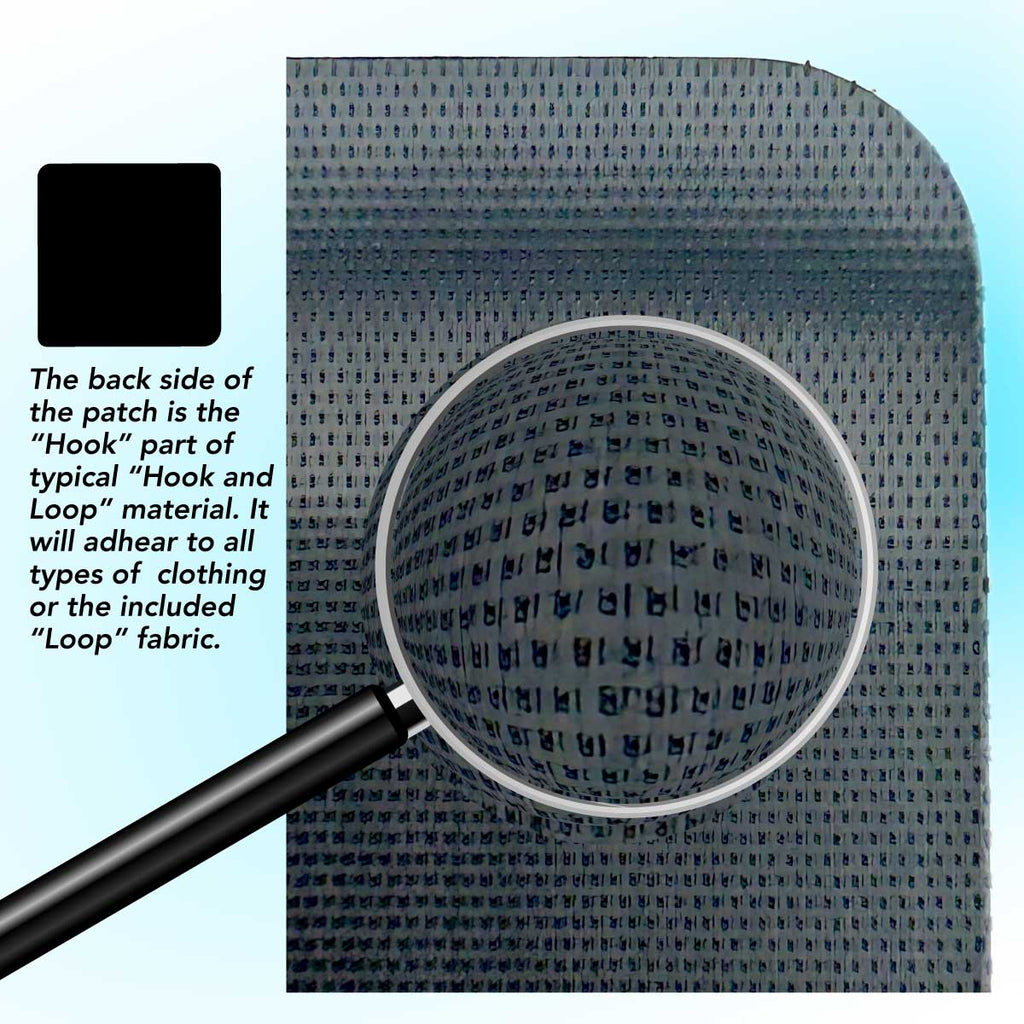
For many people, drug-free options are part of that plan. That may be because they want to avoid taking medication too often, do not tolerate side effects well, or simply prefer noninvasive relief they can use repeatedly. Reusable wearable pain relief can make particular sense here because it fits real life. You are not tethered to an outlet, waiting for a heating pad to warm up, or relying on a one-time disposable solution.
One reason menstrual cramps can wreck a workday is that many common comfort strategies are hard to use consistently outside the house. Heat can help, but it is not always practical during meetings, errands, or long commutes. Rest may be ideal, but it is often not available.
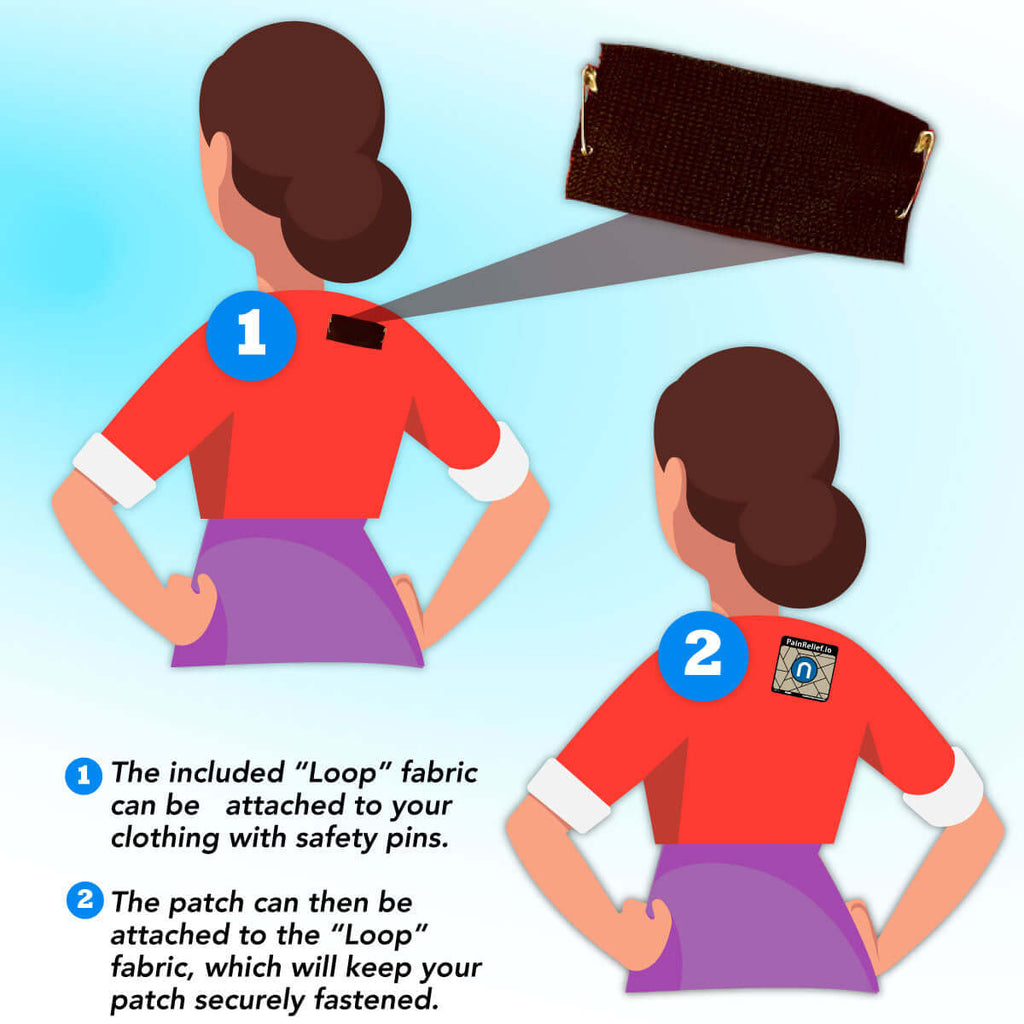
That is where a wearable, noninvasive option may be useful. The right approach should be simple enough to apply where the pain is felt, whether that is the lower abdomen, low back, or both, and comfortable enough to wear while you move through your day. Convenience matters because pain relief is only helpful if you can actually use it when life is happening.
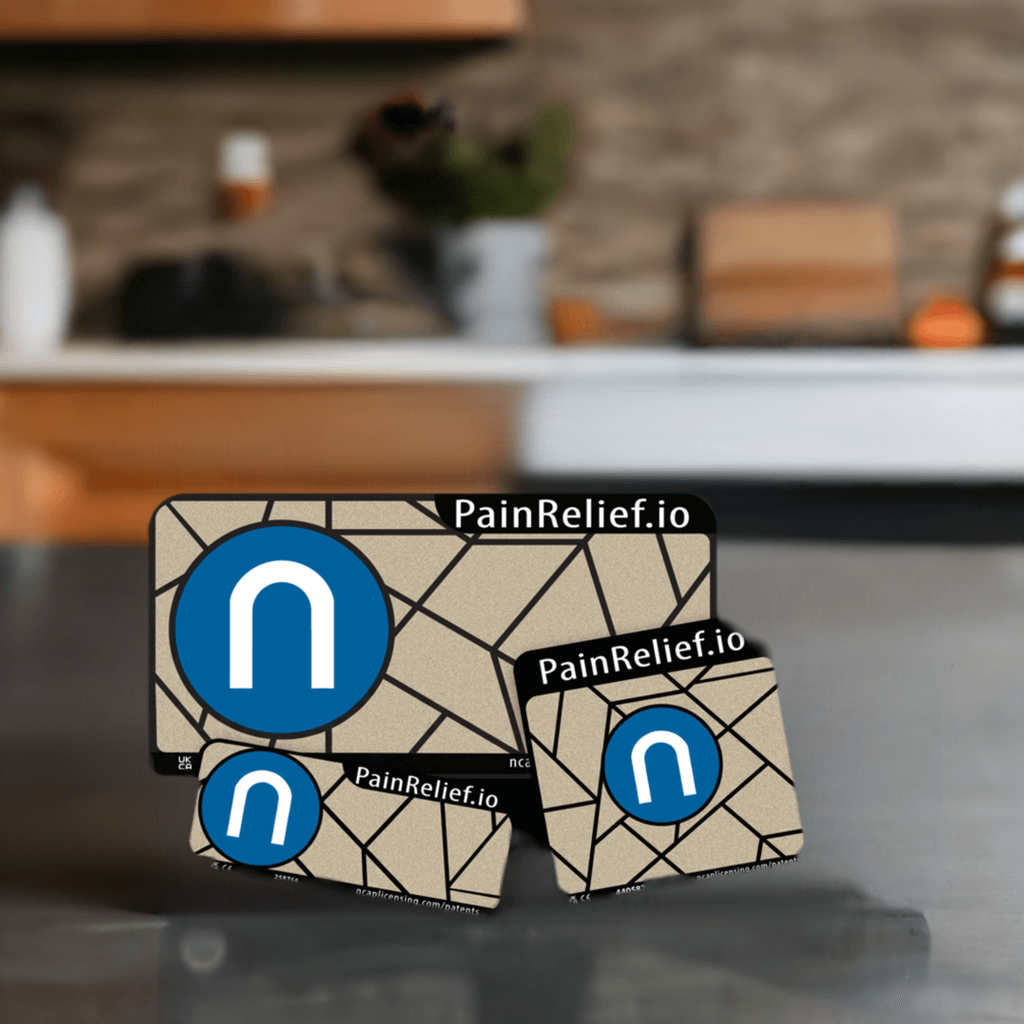
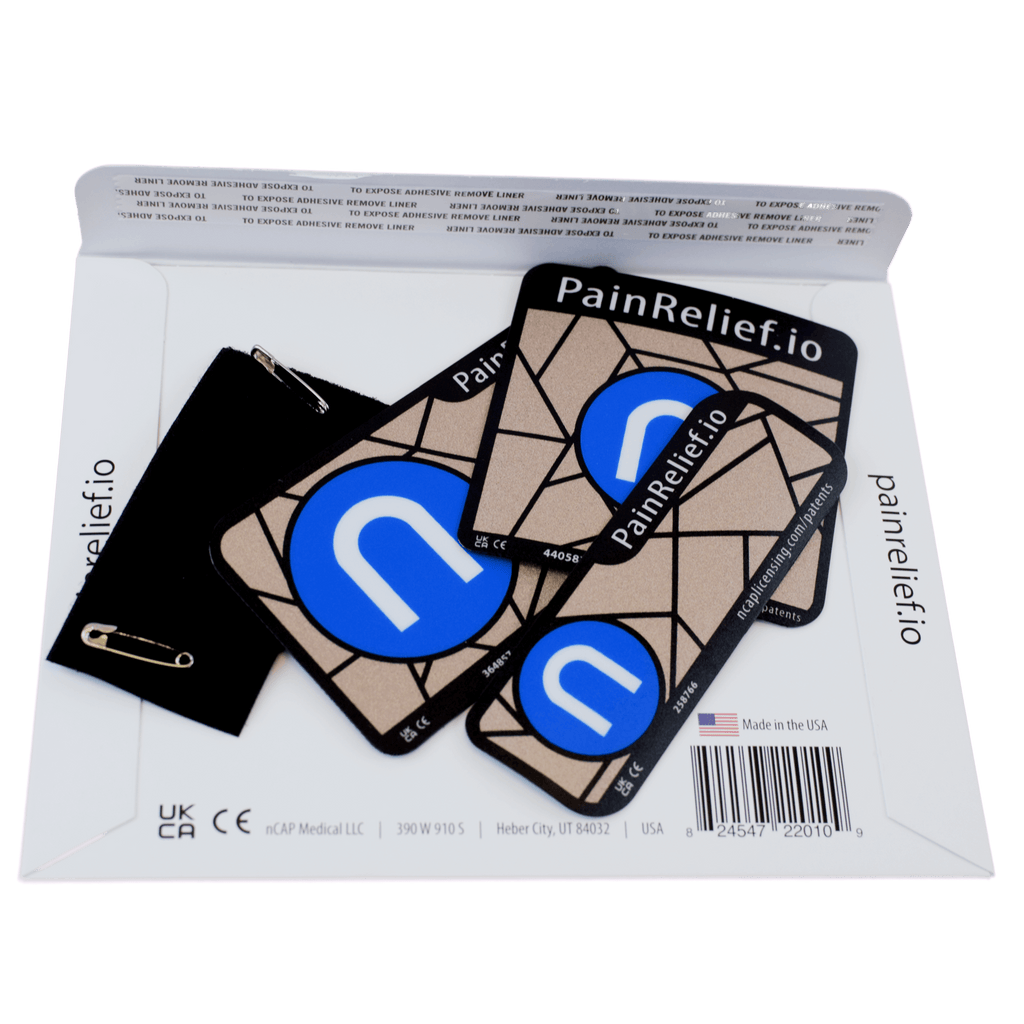
PainRelief.io® focuses on reusable, drug-free pain relief designed for real-world wear. For someone managing recurring menstrual pain, that kind of approach can be appealing because it supports relief without adding pills, creams, cords, or constant replacement costs to the routine.
This is also where trade-offs come in. Not every solution works the same for every body, and not every level of period pain responds to the same strategy. Some people want occasional support for moderate cramps. Others need a broader care plan that includes medical evaluation and symptom tracking. Drug-free wearables are not a substitute for diagnosis when pain is severe, but they can be a practical part of day-to-day symptom management.
If you are constantly searching for ways to work around pain, it may be time to ask a different question. Instead of only looking for better productivity tactics, look at the pain itself. Recurrent menstrual pain that regularly affects performance, sleep, mood, or mobility deserves attention.
A better plan might include cycle tracking, more intentional workload planning, medical guidance, and a relief option you can use early rather than late. It can also help to notice patterns. Does your pain center in the abdomen, lower back, or both? Does sitting make it worse? Does movement help at first and then aggravate it later? These details matter because better pain management is usually more specific, not more heroic.
There is no prize for acting like cramps are nothing. If period pain is affecting your ability to think clearly, stay present, or move comfortably, that is a real barrier, not an excuse. Giving yourself better support is not about lowering standards. It is about removing friction that should not be stealing part of your month.
You may not be able to control every cycle, but you can get more intentional about how you respond to it. When relief is easier to access and easier to use, productivity has a better chance to follow.