
¡Envío y devoluciones gratis por encima de $100!
A lot of pain products still ask too much of people who are already worn down. Charge this device. Replace that patch. Reapply this cream. Wait for the next dose. The most useful pain relief technology trends are moving in the opposite direction - toward simpler, lower-burden options that fit real life and support relief without making pain management feel like a second job.
That shift matters because pain is rarely a one-time event. Back pain flares after long hours at a desk. Knee pain shows up after workouts or years of wear and tear. Headaches return. Menstrual cramps come every month. Jaw tension builds overnight. When pain repeats, the technology people stick with tends to be the technology that is easy to use, practical to wear, and realistic to keep using.
Consumers are asking sharper questions than they did a few years ago. They are not just looking for the strongest option or the newest gadget. They want to know whether a solution is drug-free, whether it can be used again and again, and whether it fits into work, sleep, travel, and exercise.
That has pushed the category away from one-size-fits-all thinking. Pain is personal. The right option for lower back tension may not make sense for migraine relief. A device that works well at home may be annoying on the go. And some people want data and app tracking, while others want something they can place on the body and forget about.
The result is a more practical wave of innovation. Less novelty for novelty's sake. More focus on wearability, targeted application, and repeat use.
One of the clearest pain relief technology trends is the move toward lightweight wearable formats. Older categories often relied on bulky braces, plugged-in heating pads, or devices that felt medical in a way many users did not want to deal with day after day.
Newer solutions are being designed around comfort and routine. That means thinner profiles, less noticeable shapes, and better flexibility for common pain points like knees, shoulders, neck, lower back, and jaw. This is not just a design preference. If a product is awkward, people stop using it. Consistency drops, and so does the chance of getting meaningful benefit from it.
There is a trade-off here. Ultra-compact products can be easier to wear, but not every small device delivers enough coverage for broader pain areas. Fit and placement still matter. A compact option may work well for temples or TMJ discomfort, while larger body areas often need a more targeted size or layout.
For years, drug-free pain relief sat on the edges of the market. Now it is a core buying factor. Some consumers are trying to reduce how often they rely on over-the-counter pain relievers. Others want to avoid drowsiness, stomach irritation, rebound headaches, skin sensitivity, or the hassle of constantly reapplying topicals.
That does not mean medication has no place. For some people and some conditions, it absolutely does. But the broader trend is clear: more people want noninvasive tools they can use on their own schedule, either alongside other approaches or as a first step before reaching for pills.
This is especially true for recurring pain. Menstrual cramps, tension headaches, muscle soreness, and chronic joint discomfort often create a cycle of repeated treatment. In those situations, reusable drug-free tools can feel less like a temporary fix and more like part of a sustainable routine.
Disposable pain relief has obvious downsides. Patches run out. Creams get messy. Single-use products create repeat cost and repeat effort. One of the most practical trends in this category is the rise of reusable relief tools designed for ongoing use.
Reusability appeals for simple reasons. It can reduce waste. It can lower long-term cost. And it removes the constant question of whether you have enough supplies left for the next flare-up.
But reusability only matters if the product still feels easy and reliable over time. Consumers are getting better at spotting the difference between a product that can technically be reused and one that is truly built for repeat daily life. Battery-free and wire-free designs are gaining attention here because they reduce maintenance. If there is nothing to charge, replace, or plug in, there is less friction between pain and relief.
Pain categories are getting more specific, and that is a good thing. A generic pain product may sound convenient, but pain behaves differently depending on the body area involved. Lower back pain can spread or tighten across a wider zone. Knee pain often requires movement-friendly placement. Jaw pain and temple pain demand precision.
That is why targeted formats are growing. Consumers increasingly want solutions built around where the pain is happening, not just broad claims about what the product can do. This body-area-first approach also makes shopping easier. It reduces guesswork and helps people find a product shape, size, or configuration that better matches their actual problem.
For brands, this trend raises the bar. It is no longer enough to say a device works for pain in general. People want clear guidance on placement, intended use, and how the product fits specific scenarios like menstrual cramps, shoulder tension, migraines, or post-workout soreness.
Another important shift is growing interest in pain relief technologies that work with the body's bioelectrical environment. Consumers may not use that exact phrase when they search, but they are responding to products that offer a different mechanism than heat, cold, compression, or topical ingredients.
This trend reflects a broader change in consumer expectations. People want to understand how a product works, but they do not want a graduate-level lecture. They want a clear explanation they can connect to what they feel in daily life.
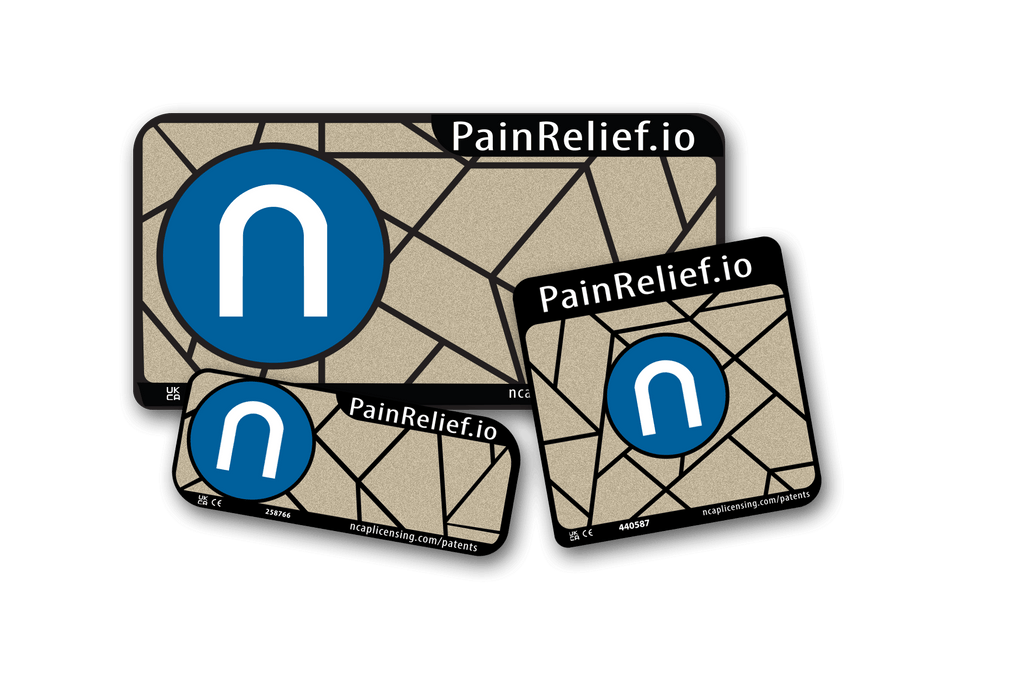
That is where patent-backed technologies stand out. When a product is built on a defined technical approach rather than vague wellness language, it gives shoppers more confidence. PainRelief.io®, for example, centers its wearable products around patented NeuroCuple® nanocapacitive technology, presenting a drug-free option that is designed to be reusable, lightweight, and practical across a wide range of body areas.
The caution here is simple: not every advanced-sounding technology is meaningful. Shoppers should look for clarity, consistency, and real-world usability, not just technical terms.
Apps, connected devices, and symptom tracking tools are becoming more common in pain care. They can help users notice patterns, such as whether headaches cluster around poor sleep, whether lower back pain spikes after long drives, or whether certain activities trigger flare-ups.
For some people, that data is useful. It can make pain feel less random and help support better decisions. For others, constant tracking becomes one more thing to manage. If someone is already juggling pain, work, family, and appointments, another dashboard is not always the answer.
That is why the smartest products in this space are not necessarily the most digital. They are the ones that match the user's tolerance for complexity. Some people want detailed metrics. Others want relief they can apply in seconds and keep moving. Both preferences are valid, and the market is slowly catching up to that reality.
A lot of products look innovative on paper. Fewer earn a place in someone's routine. One of the most telling pain relief technology trends is that consumers are getting more selective about what counts as useful innovation.
Practical features now carry more weight than flashy ones. Can you wear it under clothing? Does it stay in place? Can it be used at work, while walking, or while resting? Is it intuitive enough that you do not need to reread instructions every time pain hits?
This is a major shift in how pain relief products are judged. Relief still matters most, of course, but usability has become part of effectiveness. A device cannot help much if it sits in a drawer because it is too complicated, too bulky, or too annoying to use consistently.
If you are comparing options right now, the biggest takeaway is not that newer is always better. It is that the category is getting more realistic about what people actually need.
The best pain relief technology for one person may be the simplest product in the room. For someone else, it may be a more advanced wearable that fits a specific pain pattern. It depends on the type of pain, how often it shows up, where it occurs, and how much effort you are willing to put into managing it.
That is why it helps to think beyond claims like fast-acting or high-tech. Look at repeat use. Look at body-area fit. Look at whether the product supports your lifestyle instead of interrupting it. And look at whether the approach gives you a real alternative to cycling through pills, creams, braces, and disposable patches.
Pain relief is moving toward tools that respect daily life, not products that demand you reorganize it. That is a trend worth paying attention to - especially if what you want is not a temporary workaround, but a simpler way to stay in control.
Buscar
Terms of Service
Refund Policy
Contact Us
No vender ni compartir mi información personal
Affiliates: Join or Log In
PATENTS
¡Es fácil de usar! Simplemente coloque el dispositivo encima de su dolor, Between the Pain and the Brain(tm) , y su dolor comenzará a desaparecer en minutos. Todo en un dispositivo portátil, delgado y reutilizable. ¡Sin baterías, sin cables, sin aceites malolientes, sin drogas y es de acción rápida!
El dispositivo está construido con nuestra capa patentada Neurocuple® sellada entre dos capas impermeables. Una vez colocada en el lugar correcto, la capa Neurocuple® se activa directamente por la energía del propio cuerpo del usuario; después de unos minutos, el usuario siente una sensación de calor, frío u hormigueo a medida que el dolor desaparece.
El dispositivo PainRelief.io® es un producto de bienestar general que ayuda a promover la actividad física para los usuarios con dolor crónico e intermitente, que, como parte de un estilo de vida saludable, puede ayudar a vivir con estas condiciones y puede retrasar la aparición de discapacidades relacionadas.