
¡Envío y devoluciones gratis por encima de $100!
A sore lower back at 3 p.m. and a stiff knee before bed can feel like the same problem, but they do not always respond to the same kind of relief. That is why the question of pain patch vs pain cream matters. The better choice often depends on where the pain is, how long it lasts, how sensitive your skin is, and whether you want short-term topical relief or a reusable option you can keep using.
For many people, patches and creams end up in the same mental bucket because both sit on the surface of the body. But they are not identical. They behave differently on the skin, they fit different routines, and they come with different trade-offs around convenience, mess, duration, and ingredients.
A pain cream is rubbed directly onto the skin. It usually relies on topical ingredients that create a warming, cooling, or soothing sensation, or ingredients intended to reduce localized discomfort. You spread it over the painful area, wait for it to absorb, and then reapply as needed based on the product instructions.
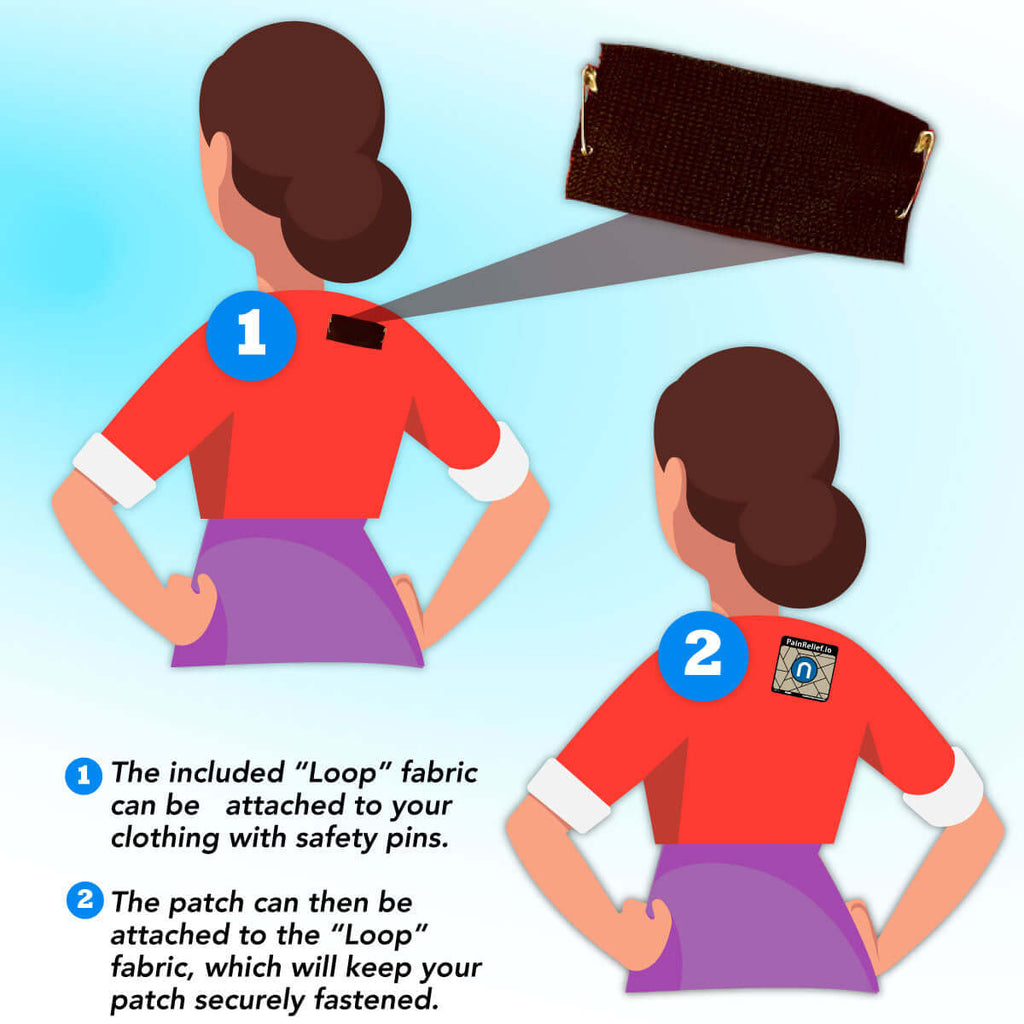
A pain patch is applied to the skin and left in place for a set period of time. Some patches deliver topical ingredients through the skin over several hours. Others work without drugs and are designed to interact with the body in a different way. In either case, a patch is generally more hands-off once applied.
That difference sounds small, but in real life it changes a lot. Cream asks for more active participation. A patch asks for better placement but less ongoing effort.
Pain cream can be a practical choice when the painful area is broad, easy to reach, and likely to change from day to day. If your calves are sore after a workout or your shoulders feel tight after a long drive, cream is simple to spread over the whole area. You are not trying to hit one exact point. You are covering a region.
Cream can also appeal to people who like the sensory side of relief. Cooling menthol, warming ingredients, or massage during application can feel comforting, especially for muscle tension and post-activity soreness. Sometimes that ritual matters almost as much as the product itself. It gives you a moment to slow down, focus on the painful area, and physically work through some stiffness.
The downside is that creams can be messy, easy to overuse, and inconvenient during a busy day. They can leave residue on clothing or bedding, transfer to your hands, and create problems if you forget and touch your eyes or another sensitive area. If you need relief while commuting, working, or moving around the house, rubbing something in every few hours may not be ideal.
Creams also tend to be less precise on small, awkward areas. Jaw pain, temples, or a very specific point near the knee can be harder to treat neatly with a topical product, especially if the formula spreads beyond where you want it.
A pain patch is often better suited for targeted pain that tends to show up in the same place repeatedly. Think of a recurring spot in the lower back, one side of the neck, a stubborn knee, or an area around the shoulder blade that always tightens up at the end of the day. Once you know the location, a patch can stay in place and provide a more consistent experience.
That convenience matters more than people expect. A patch does not ask you to stop what you are doing and reapply product with your hands. It can be especially useful for people who want support while working, walking, sleeping, or traveling. If your pain interrupts normal life, relief that stays put can feel like a meaningful upgrade.
Patches can also feel cleaner and easier to manage than creams. There is no greasy film, no drying time, and usually less concern about staining fabric. For some users, that alone is reason enough to choose a patch.
But patches have their own limitations. Adhesives can irritate sensitive skin. Placement matters, and if the patch is not positioned well, the results may be disappointing. On joints or curved body areas, fit can be tricky. And with disposable drug-based patches, ongoing use can become expensive and wasteful over time.
The most useful comparison is not which one is universally better. It is which one fits the type of discomfort you are dealing with.
For muscle soreness after exercise, either option may help, depending on how diffuse the discomfort is. A cream often works well if the whole area feels tired and achy. A patch may be better if one specific spot is bothering you more than everything else.
For joint pain, many people prefer a patch because joints move constantly and pain often centers around a repeatable location. Knees, elbows, and shoulders can be frustrating because the discomfort returns during normal daily use. A well-placed patch can be less disruptive than reapplying cream throughout the day.
For headaches, migraines, TMJ discomfort, or menstrual cramps, the answer depends on sensitivity and convenience. Some topical ingredients feel too strong for the face or jaw. A patch or wearable drug-free option can be easier to tolerate in these high-sensitivity areas. For cramps, creams may offer temporary comfort, but a wearable option is often more practical if you need to stay active.
For chronic or recurring pain, the biggest issue is usually not whether something works once. It is whether you can keep using it consistently without frustration. That is where patches, and especially reusable drug-free wearables, often stand apart.
Many people start with creams because they are familiar. They are sold everywhere, easy to understand, and often inexpensive upfront. But familiarity does not always equal long-term fit.
If your goal is occasional relief for mild soreness, a cream may be enough. If your goal is to reduce reliance on repeated topical applications, avoid strong smells or active ingredients, and use something again and again, a patch-style solution may better match your routine.
This is also where the difference between disposable medicated patches and reusable drug-free pain relief technology becomes important. Not every patch is just a delivery system for ingredients. Some are designed as wearable tools that support pain relief without pills, creams, or batteries.
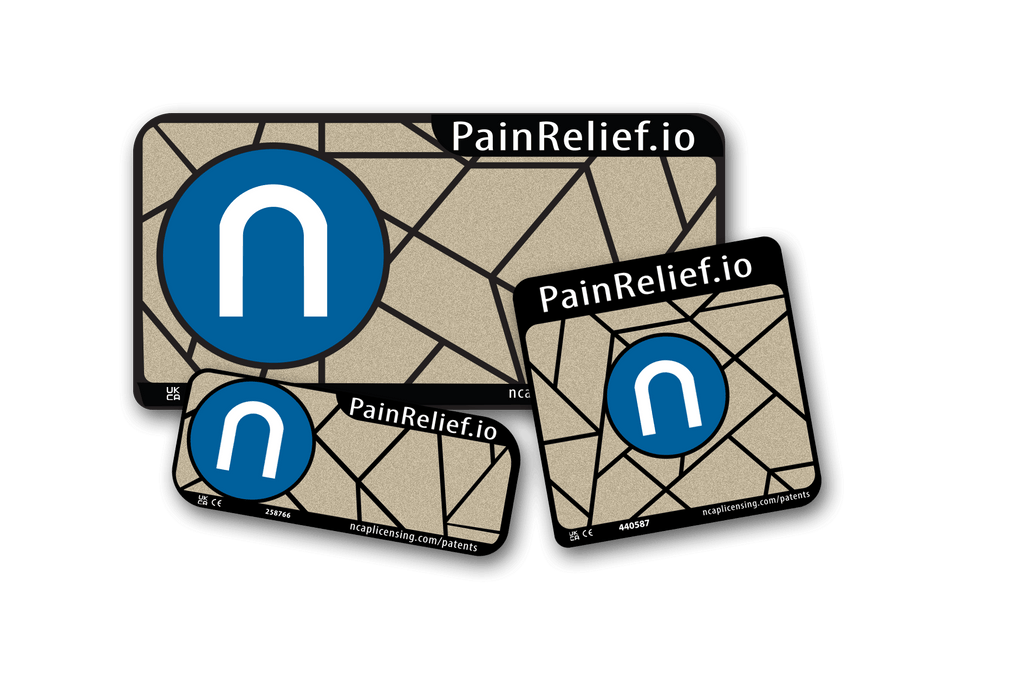
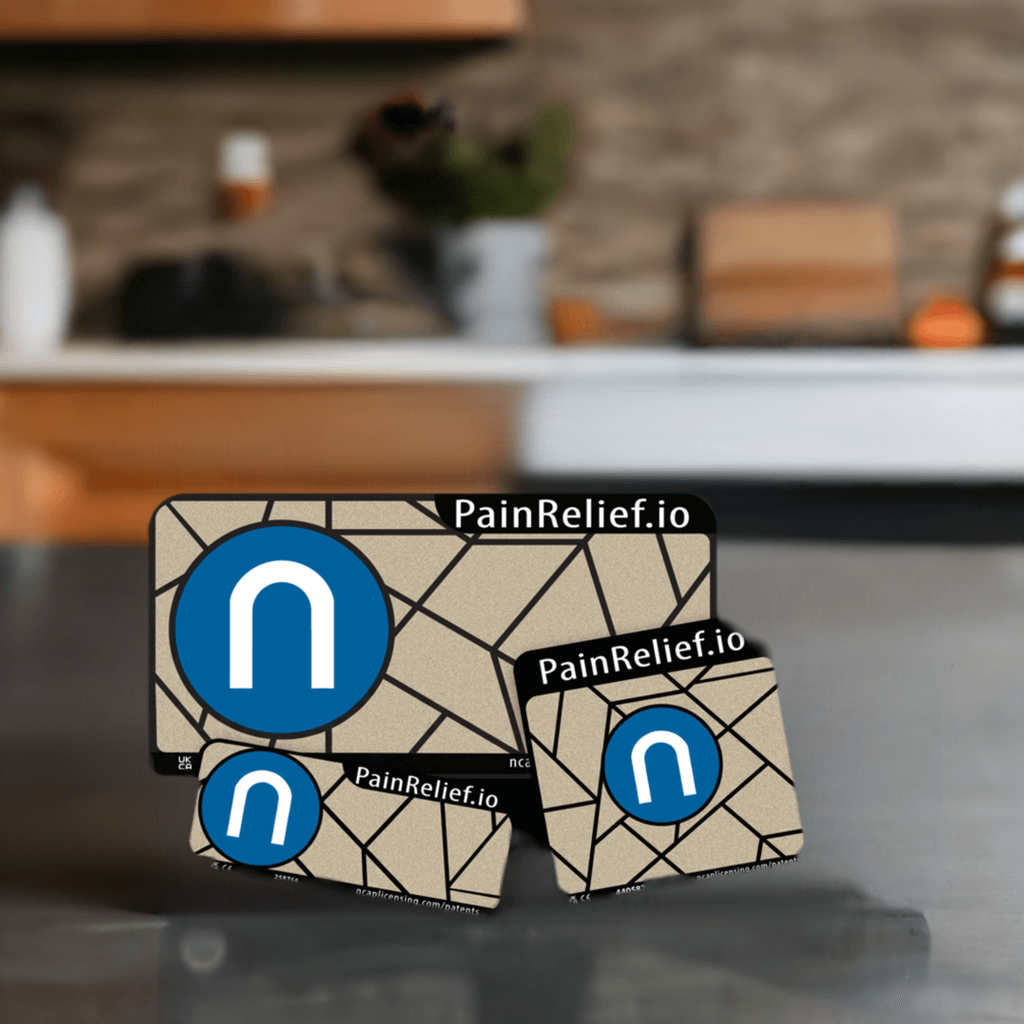
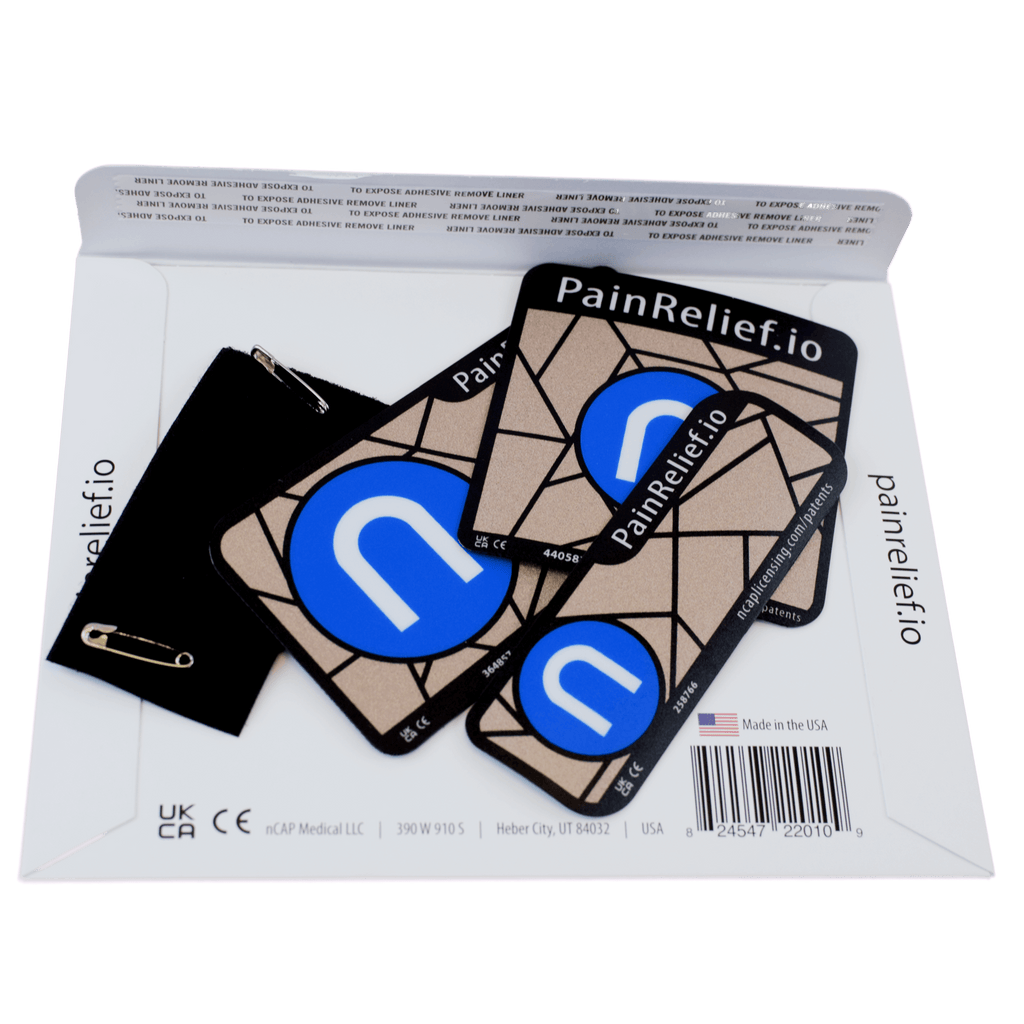
PainRelief.io® focuses on that category - reusable, wire-free, battery-free pain relief wearables designed for different body areas and real-world pain patterns. For people frustrated by messy topicals or the cycle of buying disposable relief products over and over, that can be a more practical direction.
Skin sensitivity can change the decision fast. If you react poorly to fragrance, menthol, capsaicin, or certain preservatives, creams may be irritating. If adhesives bother your skin, some patches may not be comfortable either. In those cases, the right answer is not generic. It comes down to your skin, your history, and how often you need relief.
Lifestyle is just as important. If you are home, resting, and treating a broad sore area, cream can be perfectly reasonable. If you are trying to manage pain during work, parenting, commuting, or sleep, a patch usually asks less of you.
Then there is cost over time. A single tube of cream may look cheaper at checkout, but repeated repurchases add up. Disposable patches can do the same. People managing chronic pain or monthly recurring pain often discover that convenience and reuse matter just as much as sticker price.
If you want quick topical comfort over a larger area, pain cream can be a good short-term tool. If you want targeted, less messy, stay-in-place relief, a pain patch may be the better fit. And if you are specifically trying to move away from medications, topical ingredients, and disposable products, it may be worth looking beyond the standard patch-vs-cream debate altogether.
The best pain relief option is usually the one that fits your body, your routine, and the way your pain actually shows up. Relief should not create another layer of hassle. It should make everyday life easier to get back to.
Buscar
Terms of Service
Refund Policy
Contact Us
No vender ni compartir mi información personal
Affiliates: Join or Log In
PATENTS
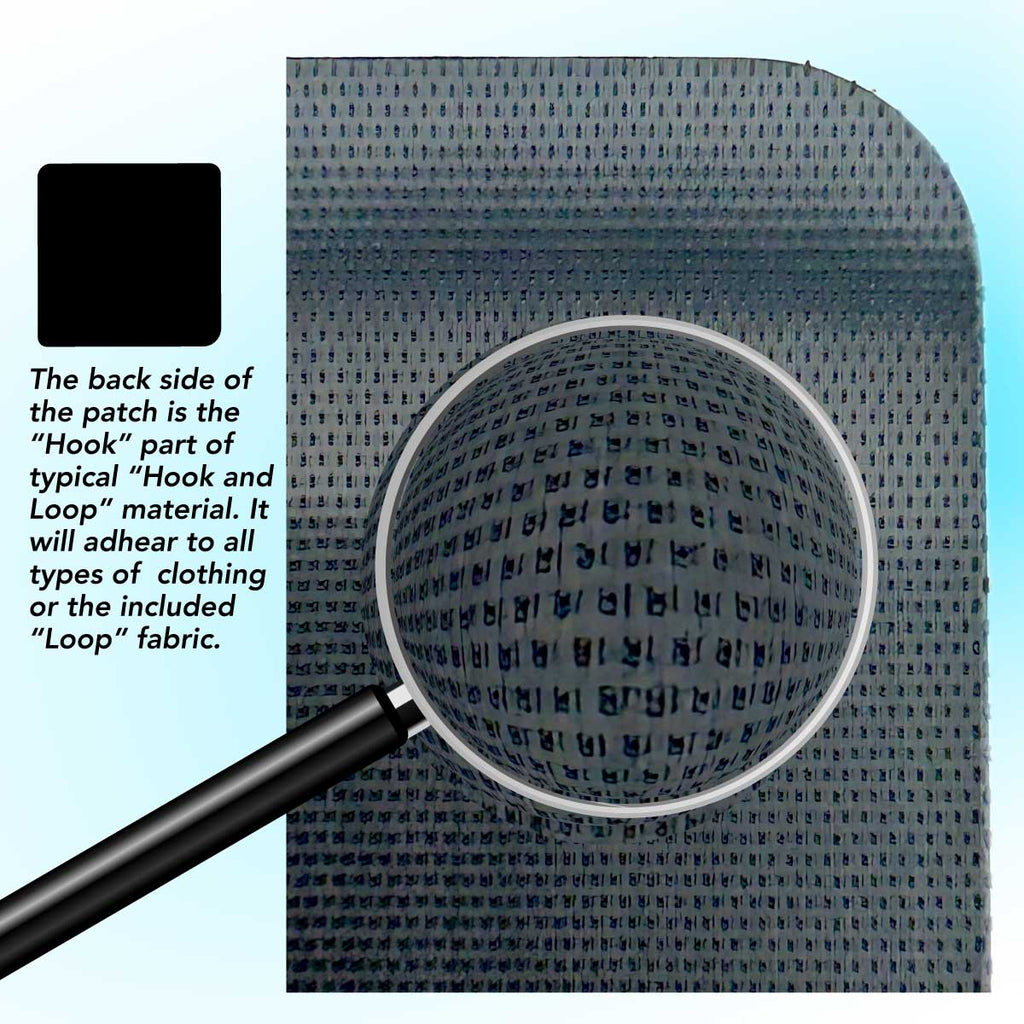
¡Es fácil de usar! Simplemente coloque el dispositivo encima de su dolor, Between the Pain and the Brain(tm) , y su dolor comenzará a desaparecer en minutos. Todo en un dispositivo portátil, delgado y reutilizable. ¡Sin baterías, sin cables, sin aceites malolientes, sin drogas y es de acción rápida!
El dispositivo está construido con nuestra capa patentada Neurocuple® sellada entre dos capas impermeables. Una vez colocada en el lugar correcto, la capa Neurocuple® se activa directamente por la energía del propio cuerpo del usuario; después de unos minutos, el usuario siente una sensación de calor, frío u hormigueo a medida que el dolor desaparece.
El dispositivo PainRelief.io® es un producto de bienestar general que ayuda a promover la actividad física para los usuarios con dolor crónico e intermitente, que, como parte de un estilo de vida saludable, puede ayudar a vivir con estas condiciones y puede retrasar la aparición de discapacidades relacionadas.