
¡Envío y devoluciones gratis por encima de $100!
Pain does not stay in one lane. A sore lower back can turn into poor sleep. A tight jaw can become a headache by noon. Knee pain can change how you move, which then irritates your hips or shoulders. That is why many people start looking for natural pain relief methods only after they realize the problem is not just the pain itself - it is the way pain begins to shape the rest of the day.
The good news is that drug-free relief is not limited to one approach. The better news is that the most useful options are often practical, repeatable, and easy to build into daily life. Some work best for short-term soreness. Others are more helpful when pain keeps returning. The right choice depends on where the pain is, what seems to trigger it, and whether you need occasional help or something you can rely on again and again.
For many adults, the goal is not to avoid all medical care. It is to reduce dependence on pills, short-lived fixes, or treatments that feel hard to maintain. Over-the-counter medication can be helpful, but it is not always something people want to use every day. Heating pads can feel great, but they are not exactly portable. Creams and patches can be messy, strongly scented, or disposable.
Natural pain relief methods appeal to people who want more control. They fit the bigger need behind the search: relief that feels simple, noninvasive, and realistic for real life. That matters whether you are managing recurring migraines, chronic neck tension from desk work, workout-related soreness, menstrual cramps, or pain that has lingered long enough to affect your routine.
Heat and cold are often treated like basic advice, but they are basic for a reason. Used well, they can make a real difference.
Heat tends to help when muscles feel tight, stiff, or guarded. Think neck and shoulder tension, low back tightness, menstrual cramps, or soreness that builds from stress and posture. Warmth can encourage muscles to relax and make movement easier. The trade-off is that heat is not always the best answer for fresh injuries or irritated swelling.
Cold is usually more useful when pain feels hot, inflamed, or newly aggravated. It can help calm the area after overuse, a minor twist, or a workout that pushed things too far. The downside is that cold can make stiffness feel worse in some people, especially if the problem is more about tension than inflammation.
A simple rule helps: use heat for tightness, cold for flare-ups, and switch if your body tells you the first choice is not helping.
When something hurts, rest sounds logical. Sometimes it is necessary. But too much stillness can make many kinds of everyday pain worse.
Gentle walking, light stretching, mobility work, or low-impact movement can help reduce the cycle of stiffness, guarding, and limited circulation that keeps discomfort hanging around. This is especially true for back pain, joint stiffness, muscle soreness, and pain tied to long hours of sitting.
The key is not to force it. Pain relief through movement works best when the movement is small enough to be doable. A ten-minute walk may help more than an intense workout. A few careful shoulder rolls may be more realistic than a full exercise session. If movement sharply increases pain, that is useful information too. The goal is support, not punishment.
Movement often works well for pain that feels worse after inactivity, first thing in the morning, or after sitting in one position too long. It may be less useful during a clear acute injury or when a joint feels unstable. This is where paying attention matters more than following generic advice.
Pain often creates its own momentum. Muscles tighten around sensitive areas. Other muscles compensate. Tension spreads. A headache starts in the neck, or TMJ discomfort spills into the temples and shoulders.
That is why massage, self-massage, and targeted pressure can help. Foam rollers, massage balls, manual therapy, or even simple hands-on pressure around tight areas may reduce muscle guarding and improve comfort. For some people, this works best after heat. For others, it helps most after light movement.
There is a limit, though. If you press aggressively into already irritated tissue, you can end up feeling worse. More pressure is not always better. The most effective approach is usually moderate, targeted, and consistent.
People sometimes hear breathing exercises, relaxation training, or mindfulness and assume the message is that pain is all in their head. That is not what these methods mean.
Pain is processed through the nervous system, and the nervous system responds to stress, sleep disruption, fear of movement, and ongoing tension. If your shoulders rise every time work gets stressful, or your jaw stays clenched through the day, your body is not separating emotional stress from physical discomfort.
Slow breathing, guided relaxation, and mindfulness-based pain strategies can help reduce that feedback loop. They may not erase a migraine or stop severe joint pain on their own, but they can lower intensity, reduce muscle guarding, and help prevent pain from escalating. For chronic pain especially, calming the nervous system is often part of the solution, not a side issue.
One bad night can make pain feel louder the next day. Repeated poor sleep can make recurring pain much harder to manage.
That is because sleep affects recovery, stress response, and pain sensitivity. If your back hurts, you may toss and turn. If you toss and turn, your pain threshold often drops. Then the cycle keeps going.
Natural pain relief methods should include whatever helps improve sleep quality in a realistic way. That might mean changing sleep position, supporting the knees or neck with pillows, reducing evening screen time, or using calming routines before bed. It is not glamorous advice, but it often makes other pain relief strategies work better.
One of the biggest problems with everyday pain relief is not whether something works in theory. It is whether you can actually use it during normal life.
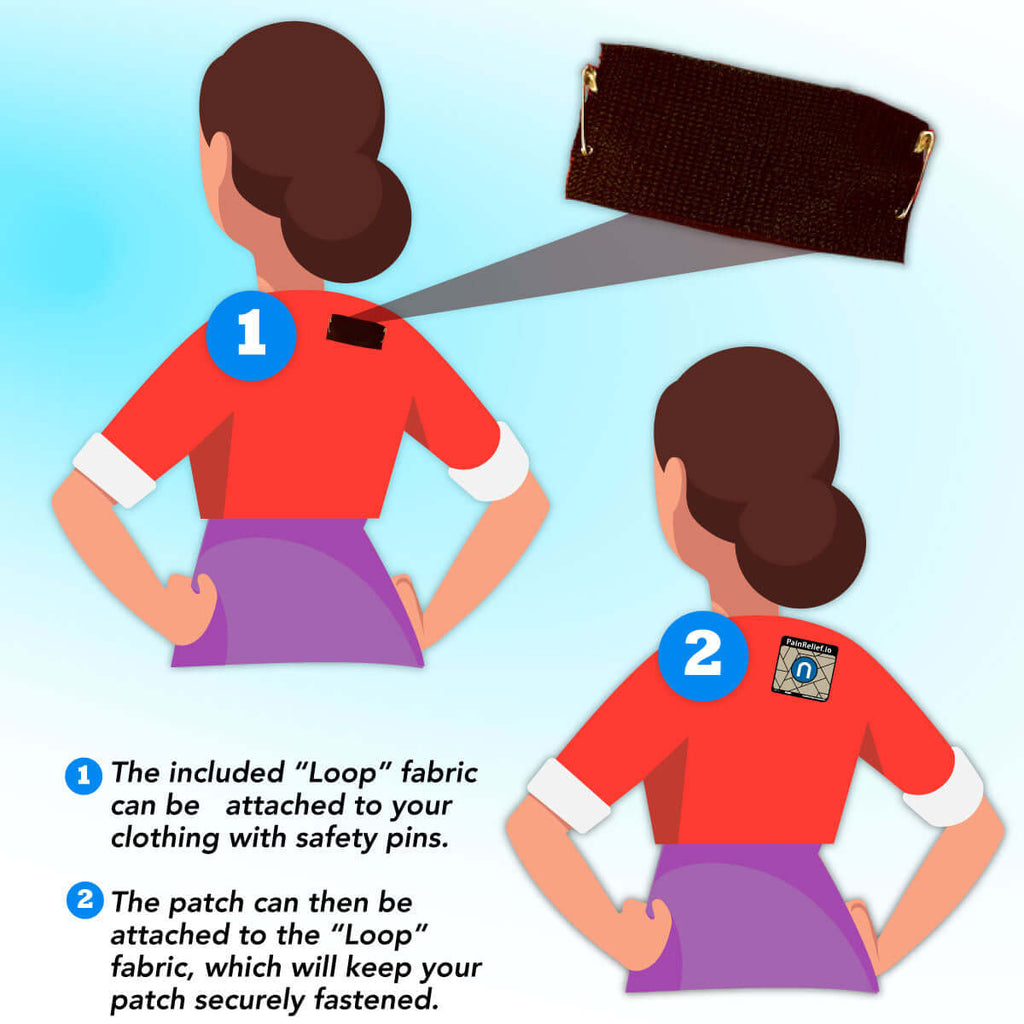
If a solution ties you to the couch, leaves residue on your skin, needs power, or runs out quickly, it may not fit how people really live. That is why wearable, drug-free options have become more appealing. They give people a way to target a painful area while continuing the day instead of stopping it.
This is especially useful for recurring pain like lower back discomfort, knee pain, neck and shoulder tension, headaches, menstrual cramps, jaw pain, and post-activity soreness. A reusable wearable option can support relief without adding heat, medication, or topical ingredients. For many people, that is the difference between trying something once and actually using it consistently.
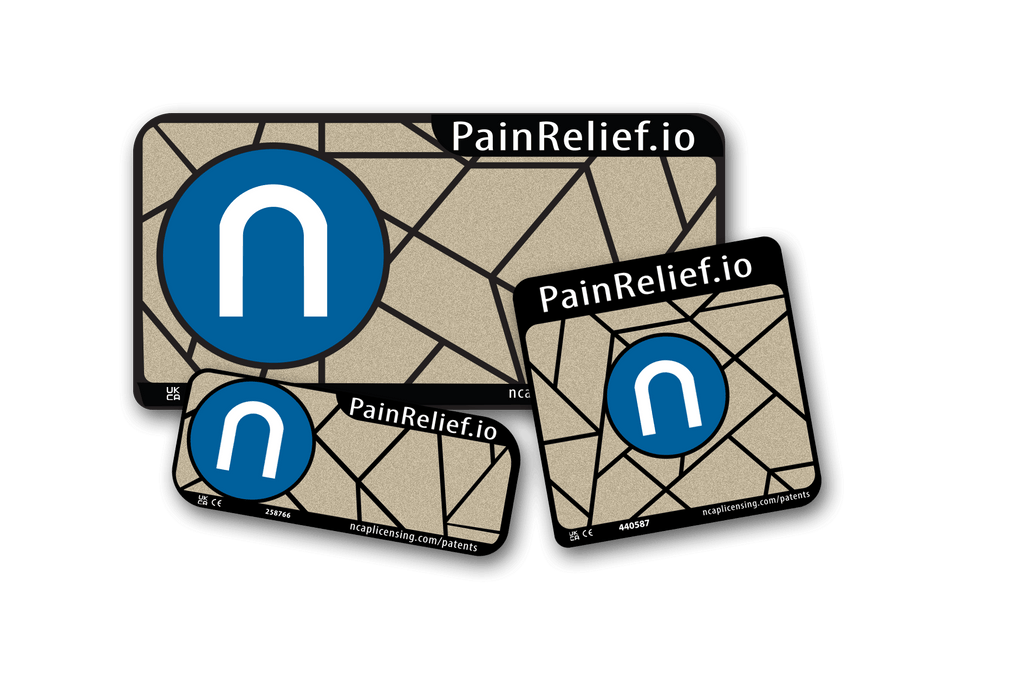
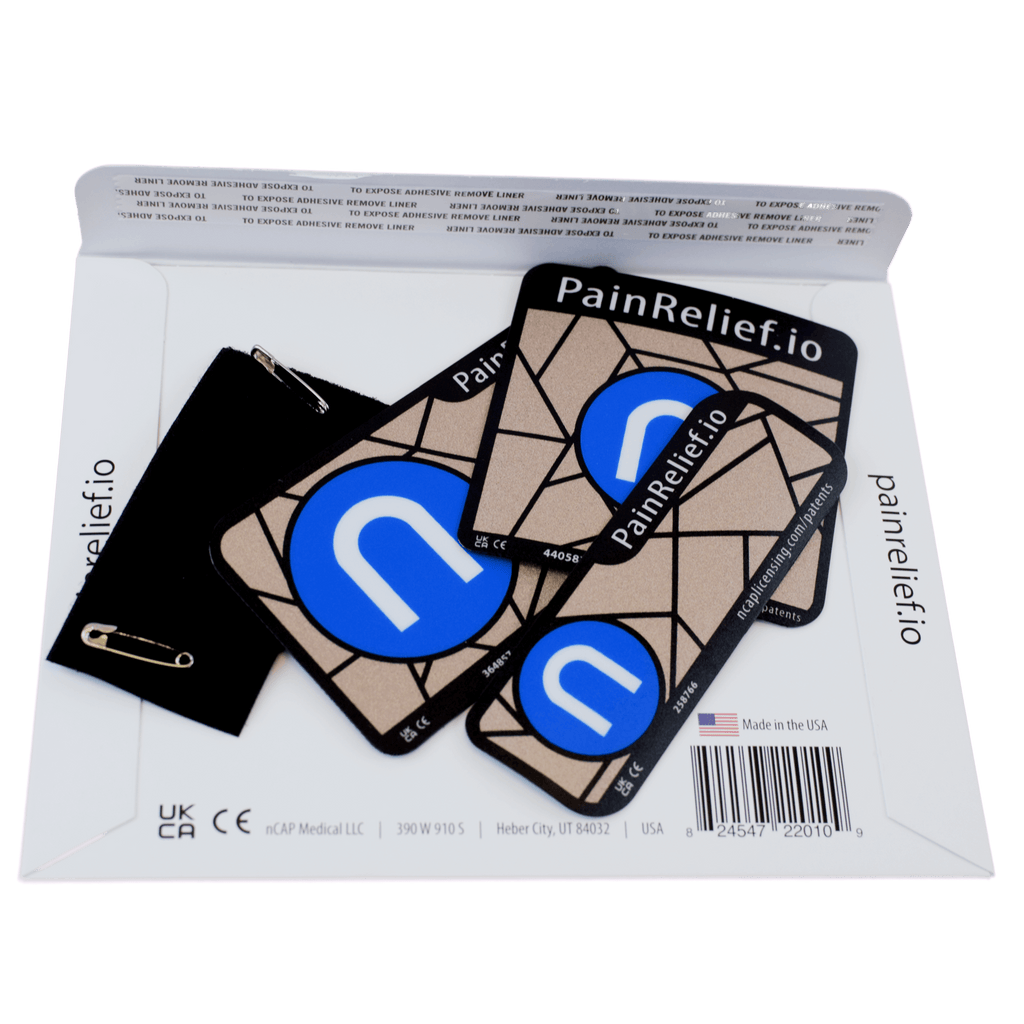
PainRelief.io® is built around that practical idea. Its patented NeuroCuple® technology is designed to work with the body’s bioelectrical environment in a simple, wearable format that can be reused again and again. That does not mean one tool replaces every other method. It means some people do better when pain relief is portable, targeted, and easy to keep using.
Many natural approaches are not one-and-done solutions. They tend to work best when used early, used regularly, or paired with other supportive habits. A wearable tool, light movement, and better sleep may do more together than any one of them does alone.
Hydration, nutrition, and reducing day-to-day inflammatory load can support pain management, especially for people dealing with joint discomfort, chronic soreness, or frequent flare-ups. Some people notice benefits from eating fewer highly processed foods and paying attention to how alcohol, sugar, or poor hydration affect symptoms.
Still, this is where expectations matter. Lifestyle habits are important, but they are rarely fast relief for a pounding headache or a sharp cramp. They are background support. Helpful, yes. Immediate, not always.
That is the part many articles skip. Not all pain responds to the same strategy.
Muscle tension often responds well to heat, movement, massage, and stress reduction. Joint irritation may do better with cold, careful mobility, and external support. Headaches may involve hydration, reduced tension, rest, and targeted wearables. Menstrual cramps often respond to warmth, rest, and consistent noninvasive relief options. Chronic pain usually needs a layered approach because the pain is no longer just a one-time event.
If you have tried one natural remedy and felt disappointed, that does not mean drug-free pain relief does not work. It may just mean you were using the wrong tool for the type of pain you have.
The most useful place to start is simple. Ask what makes the pain worse, what makes it ease up, and whether you need quick relief, ongoing support, or both. From there, natural pain relief becomes less about chasing random tips and more about building a plan you can actually live with.
Pain has a way of making people feel stuck. The right drug-free approach can start giving some of that control back, one small decision at a time.
Buscar
Terms of Service
Refund Policy
Contact Us
No vender ni compartir mi información personal
Affiliates: Join or Log In
PATENTS
¡Es fácil de usar! Simplemente coloque el dispositivo encima de su dolor, Between the Pain and the Brain(tm) , y su dolor comenzará a desaparecer en minutos. Todo en un dispositivo portátil, delgado y reutilizable. ¡Sin baterías, sin cables, sin aceites malolientes, sin drogas y es de acción rápida!
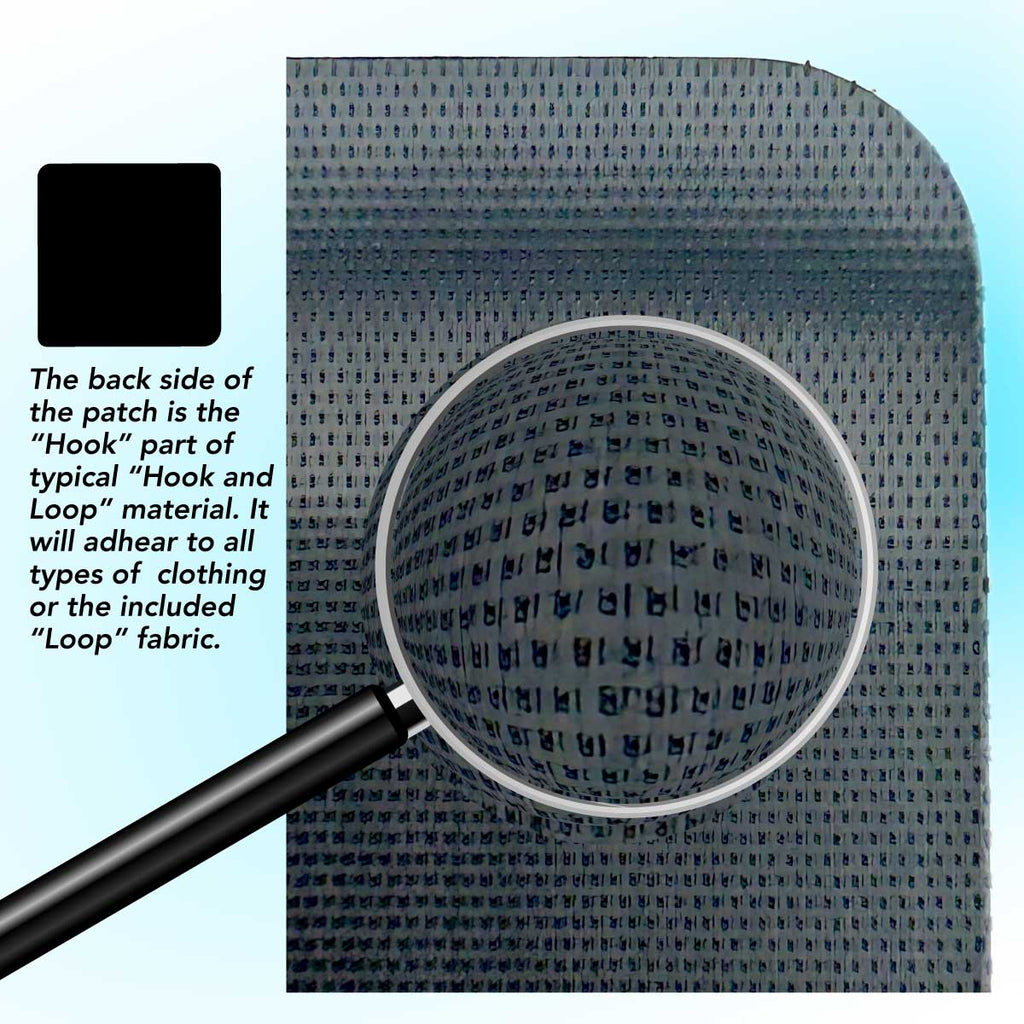
El dispositivo está construido con nuestra capa patentada Neurocuple® sellada entre dos capas impermeables. Una vez colocada en el lugar correcto, la capa Neurocuple® se activa directamente por la energía del propio cuerpo del usuario; después de unos minutos, el usuario siente una sensación de calor, frío u hormigueo a medida que el dolor desaparece.
El dispositivo PainRelief.io® es un producto de bienestar general que ayuda a promover la actividad física para los usuarios con dolor crónico e intermitente, que, como parte de un estilo de vida saludable, puede ayudar a vivir con estas condiciones y puede retrasar la aparición de discapacidades relacionadas.