
¡Envío y devoluciones gratis por encima de $100!
While soreness is often seen as a sign of a good workout, it can also slow you down, reduce performance, and make daily activities uncomfortable. The good news is that there are effective, drug-free ways to speed up muscle recovery and reduce soreness without relying on medication.
Muscle soreness after a workout is something almost everyone experiences at some point. Whether you’re just starting a new fitness routine, increasing intensity, or returning after a break, that familiar stiffness and discomfort can set in within hours—or even the next day.
While soreness is often seen as a sign of a good workout, it can also slow you down, reduce performance, and make daily activities uncomfortable. The good news is that there are effective, drug-free ways to speed up muscle recovery and reduce soreness without relying on medication.
In this guide, we’ll break down why muscle soreness happens, how to recover faster, and the best strategies to keep your body performing at its best.
The most common type of soreness people experience is called Delayed Onset Muscle Soreness (DOMS).
DOMS typically:
When you exercise—especially with new movements or increased intensity—you create micro-tears in muscle fibers. This is a normal part of the muscle-building process.
Your body responds by:
This repair process is what leads to stronger muscles—but it’s also what causes soreness.
While over-the-counter pain relievers are commonly used, more people are searching for:
Let’s break down what actually works.
It might feel counterintuitive, but complete rest is often not the best solution.
Light activity helps:
Even 10–20 minutes can make a difference.
Water plays a key role in muscle recovery.
When you’re dehydrated:
Drink water consistently throughout the day—not just during workouts.
Stretching can:
Focus on:
Avoid aggressive stretching, which can worsen soreness.
Circulation is one of the biggest factors in recovery.
Better blood flow means:
Sleep is often overlooked—but it’s one of the most important recovery tools.
During sleep:
7–9 hours of quality sleep per night.
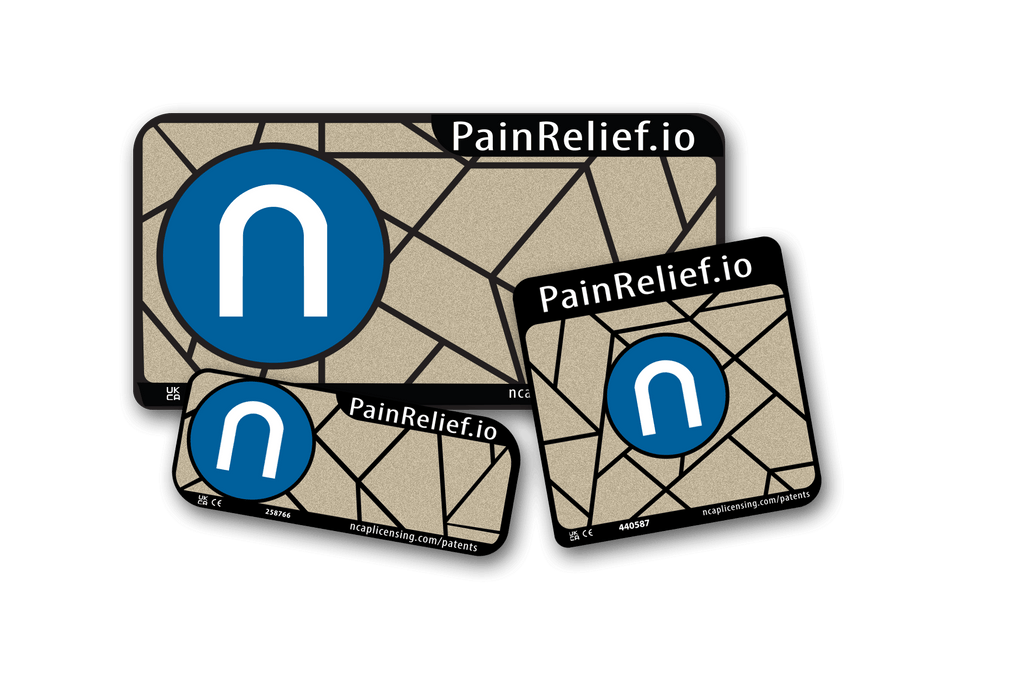
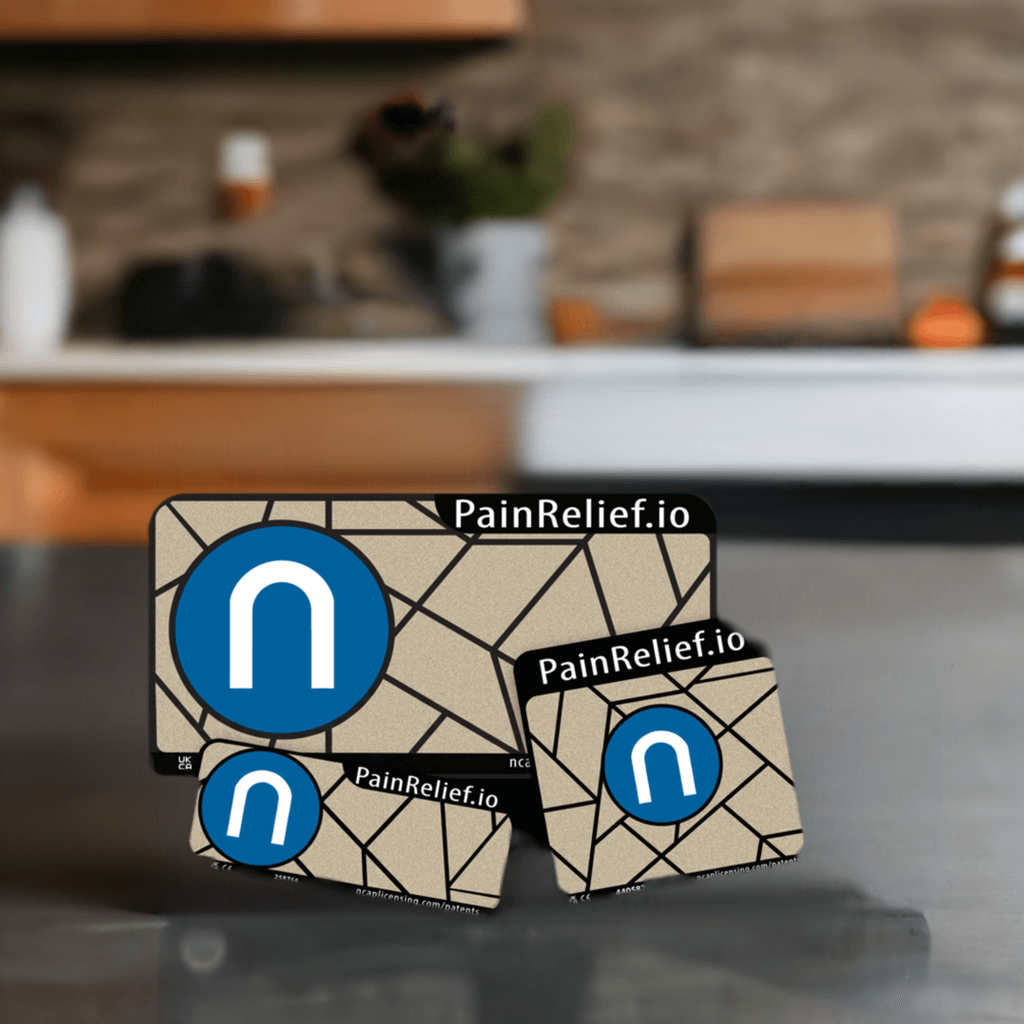
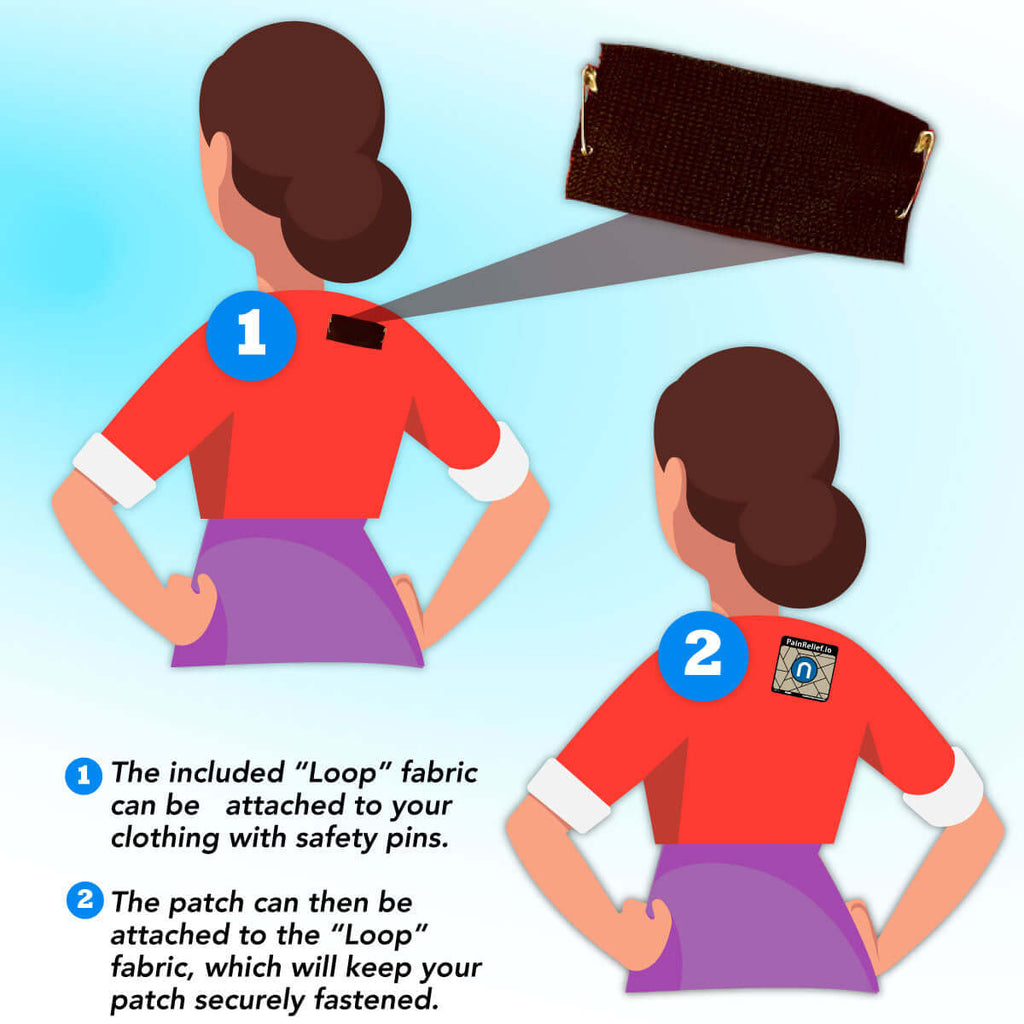
This is where many people are now turning to wearable, noninvasive pain relief solutions.
These devices:
Because they’re reusable and easy to apply, they offer a consistent recovery aid, especially for people who train regularly or experience repeated soreness.
What you eat directly impacts recovery.
Avoid these common mistakes:
Leads to stiffness and slower recovery
Can increase damage and delay healing
Slows everything down
This is not soreness—it may be injury
While soreness can’t always be avoided, you can reduce it.
Prepare muscles before intense activity.
Avoid sudden spikes in effort.
Your body adapts over time.
If you suspect injury, seek professional care.
There’s a growing shift in how people approach recovery.
Instead of:
People are choosing:
This reflects a broader move toward sustainable, drug-free pain management.
Muscle soreness is a normal part of physical activity—but it doesn’t have to slow you down.
By combining:
you can significantly reduce soreness and recover faster.
And for many people, adding consistent, drug-free support tools provides an extra layer of relief that fits seamlessly into everyday life.
Buscar
Terms of Service
Refund Policy
Contact Us
No vender ni compartir mi información personal
Affiliates: Join or Log In
PATENTS
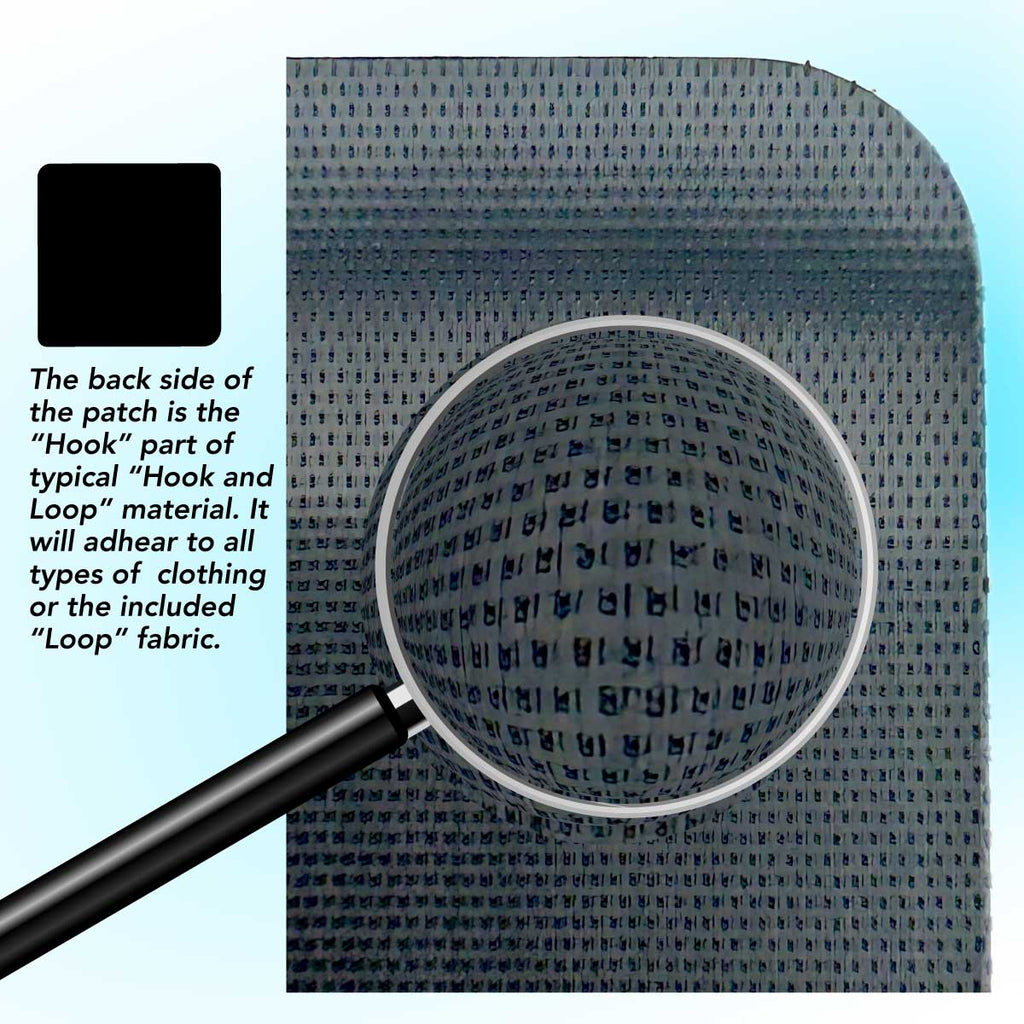
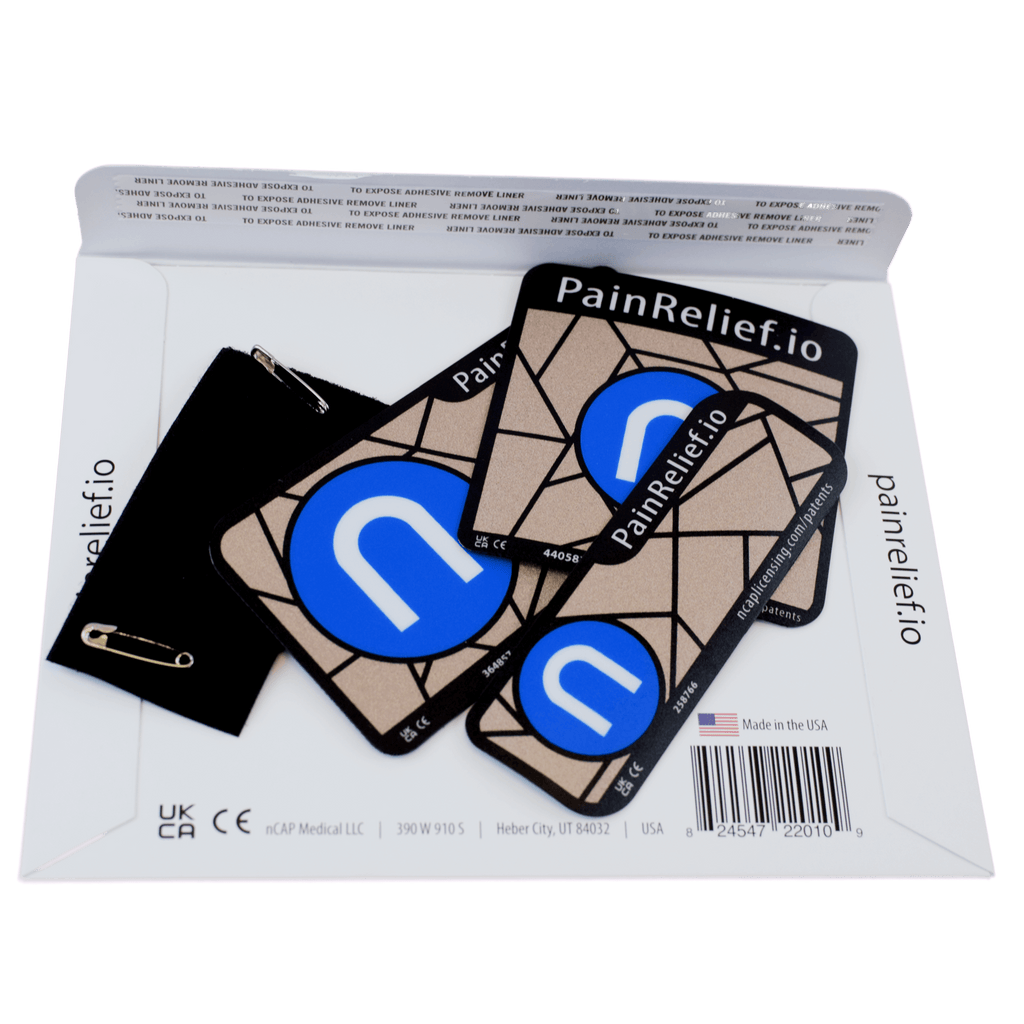
¡Es fácil de usar! Simplemente coloque el dispositivo encima de su dolor, Between the Pain and the Brain(tm) , y su dolor comenzará a desaparecer en minutos. Todo en un dispositivo portátil, delgado y reutilizable. ¡Sin baterías, sin cables, sin aceites malolientes, sin drogas y es de acción rápida!
El dispositivo está construido con nuestra capa patentada Neurocuple® sellada entre dos capas impermeables. Una vez colocada en el lugar correcto, la capa Neurocuple® se activa directamente por la energía del propio cuerpo del usuario; después de unos minutos, el usuario siente una sensación de calor, frío u hormigueo a medida que el dolor desaparece.
El dispositivo PainRelief.io® es un producto de bienestar general que ayuda a promover la actividad física para los usuarios con dolor crónico e intermitente, que, como parte de un estilo de vida saludable, puede ayudar a vivir con estas condiciones y puede retrasar la aparición de discapacidades relacionadas.