
¡Envío y devoluciones gratis por encima de $100!
A lot of cramp relief advice falls apart the moment real life starts. You still have a commute, meetings, errands, class, childcare, or just a day you do not want to spend curled around a heating pad. That is where menstrual pain patch use cases become practical - not as a cure-all, but as a way to manage recurring discomfort in situations where pills, creams, or heat are inconvenient.
Menstrual pain is not one single experience. For some people, it is a steady low abdominal ache. For others, it is low back pain, pain that spreads into the hips or thighs, or cramping that comes in waves and wrecks concentration. A patch only makes sense if it fits the pattern of pain you actually have.
That is why use cases matter more than broad promises. The right question is not just, "Do pain patches work?" It is, "When are they useful, where should they be placed, and what trade-offs come with using one instead of another option?"
For many people, the appeal is simple. A patch can be worn discreetly, does not require swallowing anything, and can support relief without the mess of gels or the bulk of a heating pad. If it is reusable rather than disposable, it may also make more sense for a monthly problem that keeps showing up.
This is the most obvious use case. If your pain sits below the belly button and feels like pressure, squeezing, or repeated cramping, a patch placed over the area of greatest discomfort can be a practical option during the workday or at home.
The benefit here is wearability. Unlike a hot water bottle or plug-in heating pad, a patch can stay in place while you move around. That matters if your cramps are distracting but you still need to keep going.
The trade-off is that placement matters. If pain shifts from center to one side, or radiates outward, you may need to adjust where you wear it. A patch is not a one-position-fits-all solution.
A lot of period pain is felt in the back, sometimes even more than in the pelvis. If that sounds familiar, a pain patch placed across the lower back can be more relevant than placing one on the abdomen.
This use case is especially helpful for people who sit for long periods. Desk work, driving, or long classes can make back-heavy cramps feel worse. A lightweight patch can be easier to keep on during those hours than a heating wrap or topical product.
This is also where reusable wearable pain relief can stand out from disposable menstrual patches. If lower back pain is part of your cycle every month, reusability starts to matter.
Some people cannot take NSAIDs. Others can, but do not want to rely on them every cycle. And some are already juggling multiple medications and would rather not add another layer unless necessary.
That makes drug-free support one of the clearest menstrual pain patch use cases. A patch may be worth considering when your goal is to reduce how often you reach for pills, or when you want an option that can be used on its own for milder cramps and alongside other strategies for tougher days.
This is not an argument that every cramp can or should be handled the same way. Severe pain may still need medical evaluation, especially if symptoms have changed or are disrupting life month after month. But for recurring, familiar menstrual discomfort, many people want a noninvasive option they can keep using.
Heat is a classic cramp remedy for a reason. It is soothing, familiar, and often effective. The problem is convenience. Heat packs cool down. Heating pads tether you to the couch. Adhesive heat wraps can be single-use and bulky under clothes.
A patch makes sense here if what you really need is something more wearable and less restrictive. It will not feel exactly like a heating pad, so expectations matter. The advantage is not that it replaces heat in every situation. The advantage is that it can fit the moments when heat is awkward, impossible, or too short-lived.
Pain is rarely polite enough to wait until you are lying still. Cramps happen while walking the dog, carrying groceries, standing at work, or getting kids ready for school. In these cases, a patch is useful because it travels with you.
That mobility is often overlooked. A lot of relief options work best only when you stop everything else. A wearable patch is more about maintaining function. If the goal is to get through the morning, finish a shift, or make a flight more tolerable, that is a different standard than total rest at home.
Placement should follow your actual pain pattern, not generic instructions. If cramps are centered in the lower abdomen, start there. If they land harder in the lower back, use the patch on the back. If both areas are involved, some people rotate placement depending on which symptom is strongest that day.
This matters because menstrual pain is often referred pain. What begins in the pelvis may be felt elsewhere. A body-area approach usually works better than treating all period pain as identical.
A patch may feel especially useful for steady, lingering discomfort that drags on for hours. If your pain comes in sharp waves, you may still benefit, but expectations should be realistic. Support for recurring pain is different from instantly stopping every spike.
This is where consistency helps. Using a patch during the window when symptoms usually build can make more sense than waiting until pain is fully amplified.
For mild to moderate cramps, many people look for something simple that lets them stay productive. A patch can fit well there. For severe menstrual pain, the picture is more complicated. A patch may still help as part of a broader routine, but severe symptoms deserve a closer look.
If your periods cause vomiting, fainting, very heavy bleeding, or pain that is getting worse over time, that goes beyond routine cramping. Those symptoms should not be brushed off as something you just have to endure.
Disposable menstrual patches can be convenient in the short term, but monthly pain changes the value equation. If you deal with cramps every cycle, replacing single-use products over and over adds cost and waste.
That is one reason reusable options appeal to long-term users. They align with the reality that menstrual pain is not a one-time event. A wearable reusable device can be kept ready for the days you know are coming, without turning each cycle into another repurchase decision.
For consumers looking at drug-free alternatives, this is often the real comparison - not patch versus nothing, but reusable wearable relief versus disposable patches, creams, or another round of painkillers.
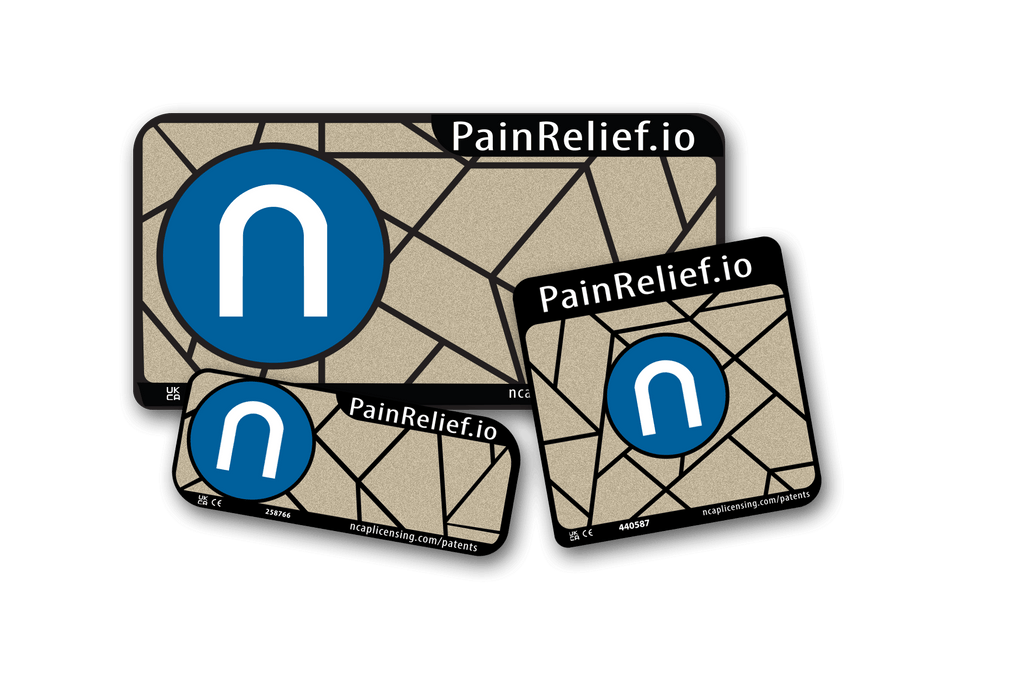
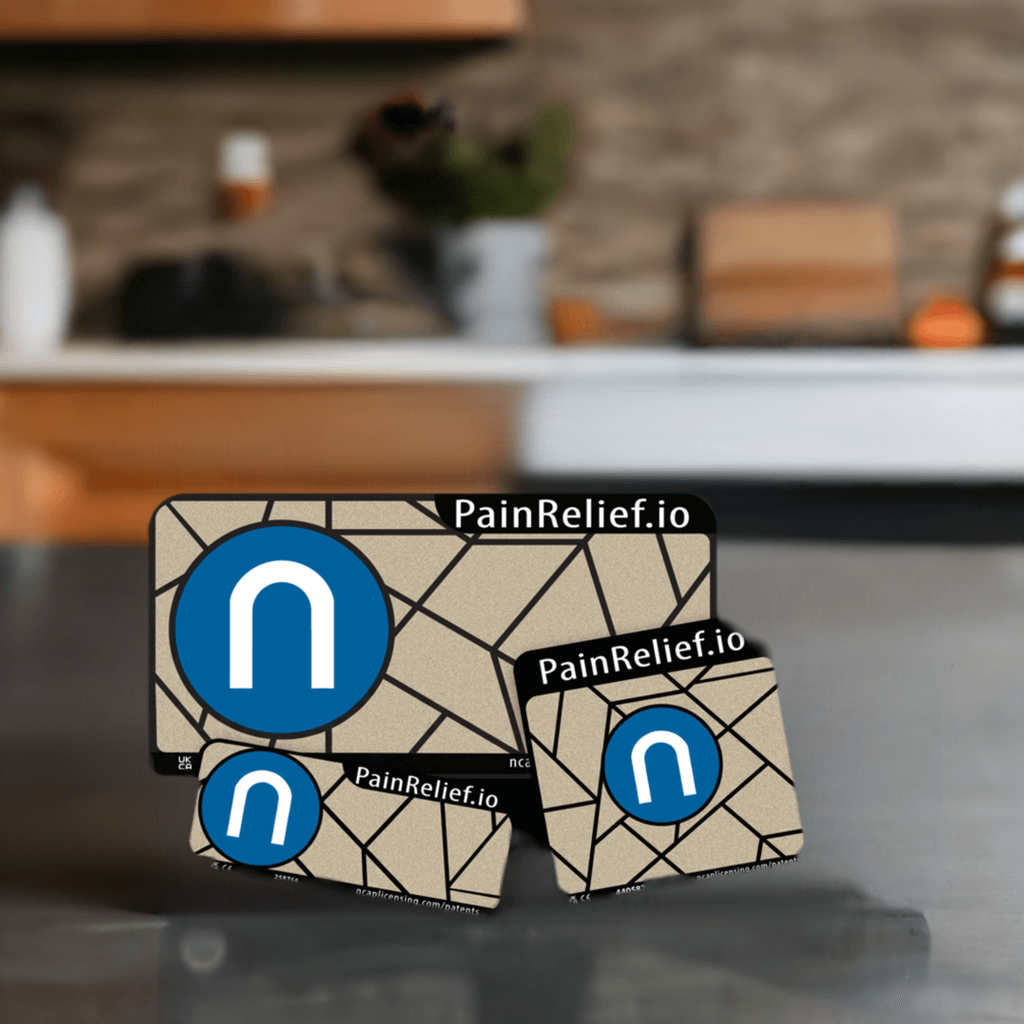
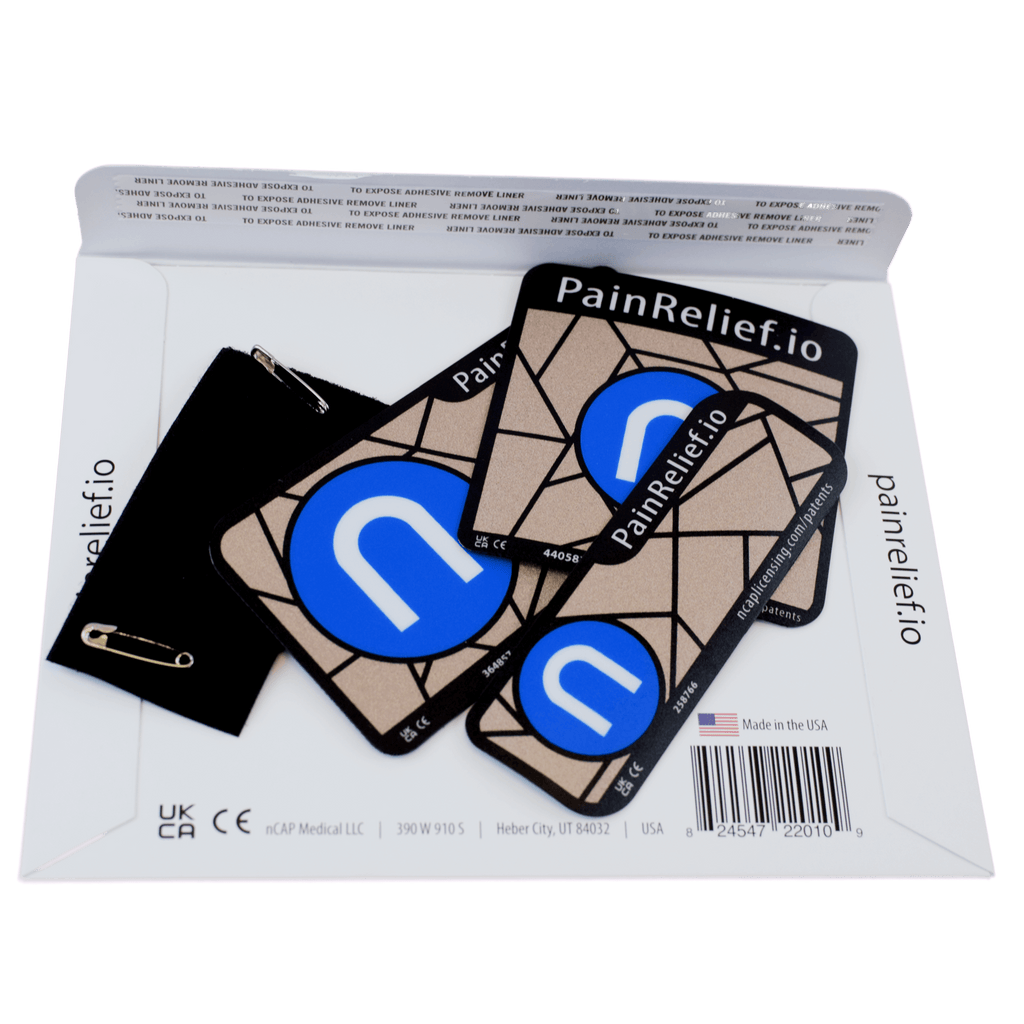
PainRelief.io® approaches this through body-area-based wearable devices designed for repeated use, which is especially relevant for lower abdominal and low back discomfort that returns month after month.
The best mindset is practical, not magical. A pain patch is meant to support relief and make pain easier to live with, not erase every symptom in every scenario. Results can vary based on placement, timing, pain intensity, and whether your main issue is abdominal cramping, back pain, or a more diffuse ache.
It also helps to think in terms of function. Can you focus better? Move more comfortably? Sit through work without constantly adjusting? Those are meaningful outcomes, especially with recurring pain.
If a patch is lightweight, wire-free, and easy to wear under clothes, it is more likely to become part of your actual routine rather than something that sounds good in theory but stays in a drawer.
A menstrual pain patch makes the most sense when your pain is recurring, familiar, and disruptive enough that you want backup beyond waiting it out. It is a strong fit for people who want a drug-free option, need something discreet for work or travel, or are tired of temporary fixes that only work when they can stop everything and lie down.
It may be less useful if your pain is highly irregular, changes location constantly, or is severe enough that self-management is no longer enough. In those cases, the patch may still play a role, but it should not replace getting answers.
The bigger point is simple. Good pain relief is not just about intensity. It is about whether the solution fits your life, your body, and the way your symptoms actually show up. For recurring cramps, the best option is often the one you can use consistently, comfortably, and again next month when you need it.
Buscar
Terms of Service
Refund Policy
Contact Us
No vender ni compartir mi información personal
Affiliates: Join or Log In
PATENTS
¡Es fácil de usar! Simplemente coloque el dispositivo encima de su dolor, Between the Pain and the Brain(tm) , y su dolor comenzará a desaparecer en minutos. Todo en un dispositivo portátil, delgado y reutilizable. ¡Sin baterías, sin cables, sin aceites malolientes, sin drogas y es de acción rápida!
El dispositivo está construido con nuestra capa patentada Neurocuple® sellada entre dos capas impermeables. Una vez colocada en el lugar correcto, la capa Neurocuple® se activa directamente por la energía del propio cuerpo del usuario; después de unos minutos, el usuario siente una sensación de calor, frío u hormigueo a medida que el dolor desaparece.
El dispositivo PainRelief.io® es un producto de bienestar general que ayuda a promover la actividad física para los usuarios con dolor crónico e intermitente, que, como parte de un estilo de vida saludable, puede ayudar a vivir con estas condiciones y puede retrasar la aparición de discapacidades relacionadas.