
¡Envío y devoluciones gratis por encima de $100!
A sore lower back at 3 p.m., a knee that starts complaining halfway through a walk, a headache building behind your eyes - this is usually when people start searching for the patch for pain. They want something simple, fast, and easy to live with. No pills if possible. No messy creams. No complicated setup.
That instinct makes sense. Pain interrupts ordinary life, and most people are not looking for a lecture when they hurt. They are looking for relief they can actually use at work, at home, while traveling, or while trying to sleep. But not every pain patch works the same way, and not every kind of patch is a good fit for recurring pain.
When someone searches for the patch for pain, they are usually talking about one of a few categories. The first is a medicated patch, which may use ingredients such as lidocaine, menthol, capsaicin, or other pain-relieving compounds. The second is a heat-style patch designed to warm the area for temporary comfort. The third is a drug-free wearable patch or device that interacts with the body in a different way, often without medication, heat, batteries, or wires.
Those differences matter because pain is not one single experience. Muscle soreness after exercise feels different from nerve discomfort. Menstrual cramps are different from TMJ tension. A stiff neck from desk work is different from an arthritic knee that flares every morning. If the source and pattern of pain are different, the best relief approach may be different too.
The appeal is easy to understand. A patch feels targeted. You place it where it hurts and get on with your day. That is very different from taking an oral pain reliever that affects the whole body when the discomfort is in one spot.
For many people, patches also feel like a middle ground. They may not want to rely on pain medication, but they still want something more practical than stretching, resting, or hoping the pain passes on its own. A patch can seem less invasive than injections and less messy than creams. It also avoids the repeated timing of pills, which matters to people dealing with frequent or ongoing pain.
There is also a psychological benefit to anything wearable. When pain keeps returning, people want a sense of control. A product they can apply themselves, remove themselves, and use in real life often feels more manageable than treatments that require appointments or downtime.
Here is where expectations need to be realistic. Many pain patches are designed for short-term use, not long-term everyday support. If a patch relies on medication, you may get temporary relief, but you are still depending on an active ingredient that runs out. If it is disposable, the cost and waste can add up quickly. If it uses heat, that warmth may feel good, but it may not be practical for all-day wear or every pain type.
Some people also run into skin sensitivity, especially with adhesive products used repeatedly on the same area. Others find that a medicated patch helps take the edge off but does not meaningfully change the cycle of recurring pain. That is often the frustration point - temporary comfort without a durable solution.
This does not mean pain patches are useless. It means the right question is not simply, “Does a patch work?” The better question is, “What kind of patch, for what kind of pain, and for how long?”
A patch can be a reasonable option when pain is localized and you want a simple, noninvasive approach. That might include lower back soreness after a long commute, shoulder tension from computer work, knee discomfort from activity, or occasional menstrual cramps.
It can also make sense for people trying to reduce how often they reach for over-the-counter pain relievers. If the choice is between taking another pill or using a targeted wearable option, many people would rather start with the less systemic approach.
The main issue is repeat use. If your pain shows up once in a while, almost any patch that feels comfortable may be enough. If your pain returns week after week, the decision changes. You start caring more about reusability, convenience, skin comfort, and whether the product fits normal life without constant repurchasing.
This is where the category has expanded. The old idea of a pain patch was mostly medication or heat. Now there are wearable drug-free options designed to support relief without active ingredients, batteries, or topical chemicals.
That difference matters to people managing pain over time. A reusable wearable can be used again and again, which is a very different experience from opening a disposable patch, using it once, and throwing it away. It also matters for people who want to avoid sedation, stomach irritation, strong smells, or the skin sensation that comes with some medicated products.
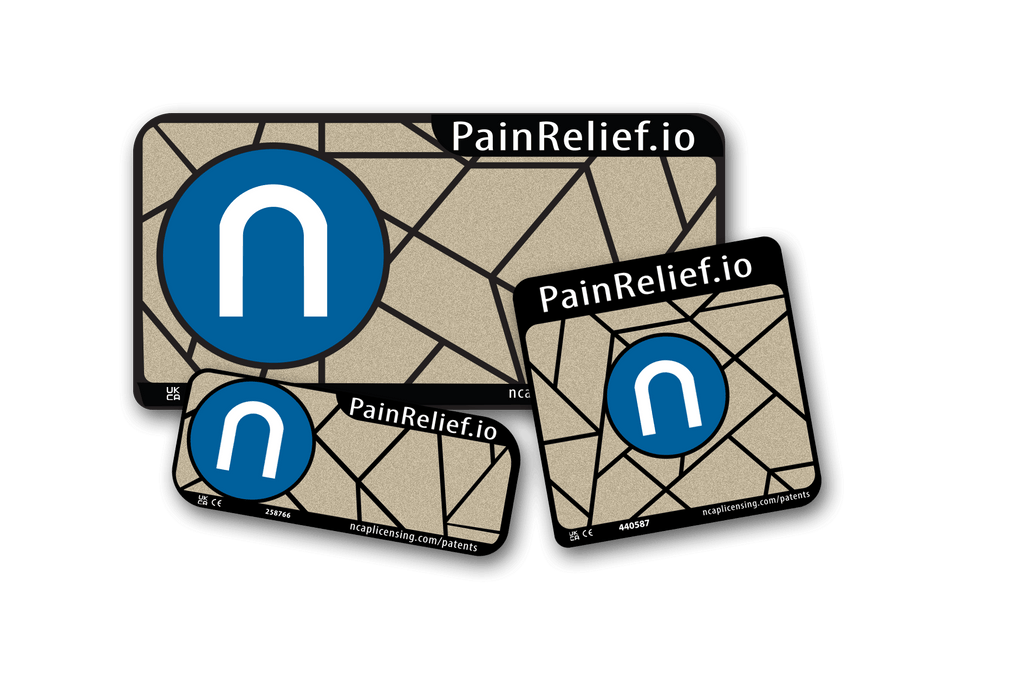
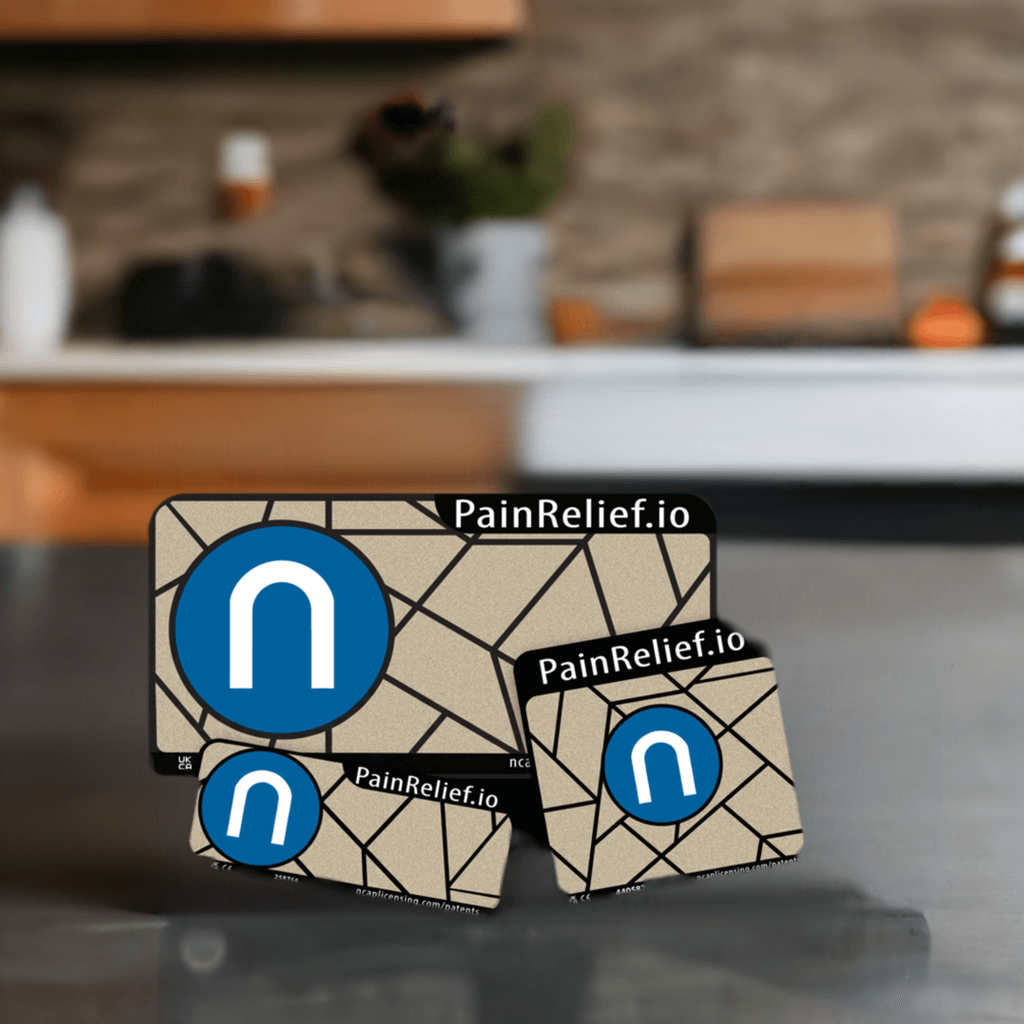
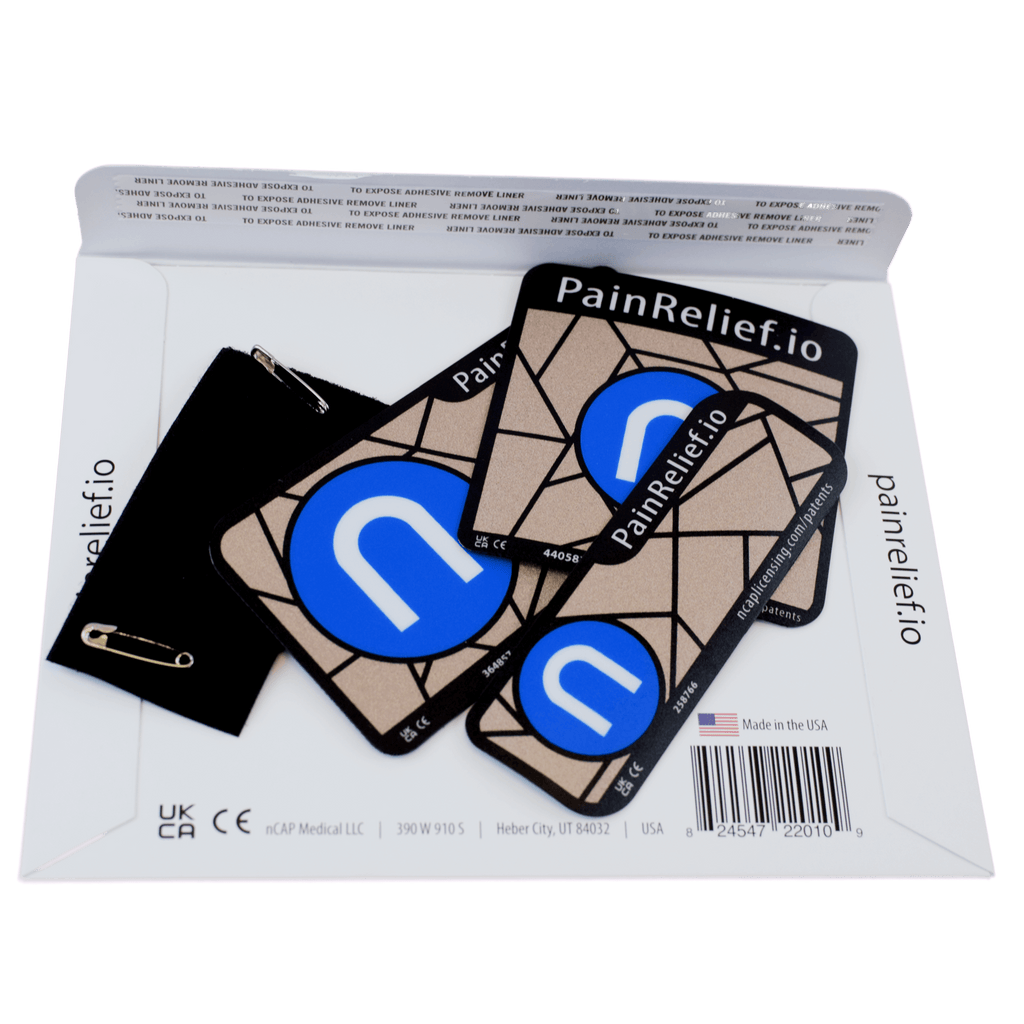
PainRelief.io® focuses on this newer category with reusable wearables powered by patented NeuroCuple® nanocapacitive technology. The practical idea is simple: instead of adding a drug or heat source, the wearable is designed to interact with the body’s bioelectrical environment in a targeted area. For many consumers, the appeal is not just that it is drug-free. It is that it is lightweight, wire-free, and usable across different body areas depending on where pain shows up.
One reason people get disappointed by a generic patch is that placement matters more than they expect. Pain is personal, and where it starts is not always exactly where you feel it most. A lower back issue may radiate into the hips. Jaw tension may trigger temple pain. Shoulder tightness may climb into the neck.
That is why body-area-specific solutions tend to be more useful than one-size-fits-all promises. A patch or wearable for knee pain needs to sit differently than one for menstrual cramps or TMJ discomfort. The shape, flexibility, and coverage all affect whether the product fits daily movement and stays practical.
This is also why “works for pain” is too vague to be helpful. Better guidance starts with questions like: Where is the discomfort? Is it sharp, aching, tight, throbbing, or radiating? Does it happen after activity, during stress, or every day no matter what? Those answers shape what kind of support is most likely to help.
If you are considering the patch for pain, look past the packaging and ask a few practical questions. Is it drug-free or medicated? Disposable or reusable? Designed for a specific body area or completely generic? Can you wear it while moving around, working, or resting? And if your pain is recurring, does the cost make sense over time?
It is also worth being honest about your goal. Some people want fast temporary relief for an occasional flare-up. Others want a sustainable option they can keep using without building their routine around pills, creams, or heating pads. Those are different needs, and the best product for one may not be the best product for the other.
For chronic or frequently recurring pain, convenience is not a small detail. If something is awkward to apply, hard to keep in place, or too expensive to replace regularly, people stop using it. Consistency matters in pain management, so the best option is often the one that fits your life well enough to actually use.
The most useful way to judge a pain patch is not by hype or buzzwords. It is by whether it gives you practical relief without adding new problems. If it helps but irritates your skin, that is a trade-off. If it feels good for an hour but becomes expensive to repeat, that is a trade-off. If it offers a drug-free, reusable way to target the area that keeps bothering you, that may be a better long-term fit.
Pain has a way of shrinking your world one activity at a time. A good wearable solution should do the opposite. It should make it easier to sit, walk, work, rest, and get through normal life with less interruption.
If you are evaluating the patch for pain, start with the reality of your pain, not the promise on the label. The right choice is the one you can return to when pain returns - and still feel like you are gaining control, not starting over.
Buscar
Terms of Service
Refund Policy
Contact Us
No vender ni compartir mi información personal
Affiliates: Join or Log In
PATENTS
¡Es fácil de usar! Simplemente coloque el dispositivo encima de su dolor, Between the Pain and the Brain(tm) , y su dolor comenzará a desaparecer en minutos. Todo en un dispositivo portátil, delgado y reutilizable. ¡Sin baterías, sin cables, sin aceites malolientes, sin drogas y es de acción rápida!
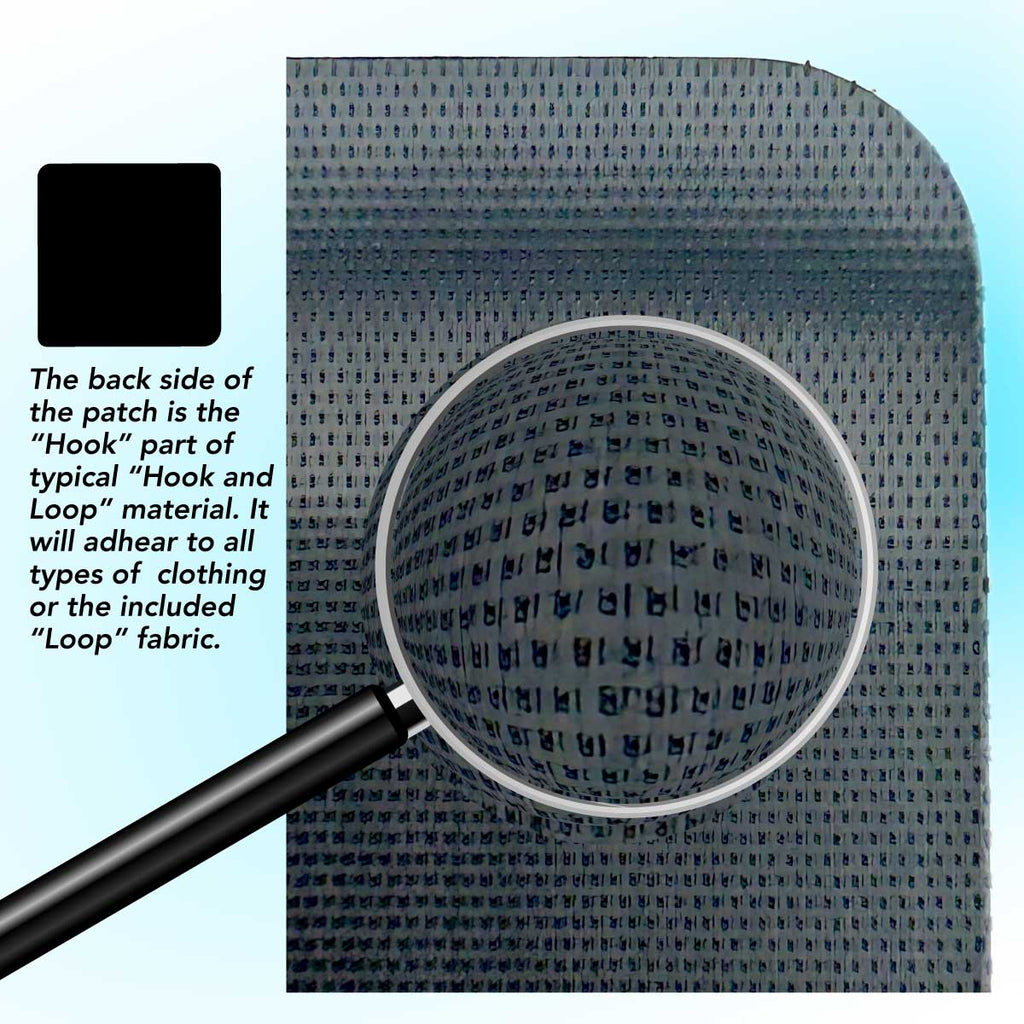
El dispositivo está construido con nuestra capa patentada Neurocuple® sellada entre dos capas impermeables. Una vez colocada en el lugar correcto, la capa Neurocuple® se activa directamente por la energía del propio cuerpo del usuario; después de unos minutos, el usuario siente una sensación de calor, frío u hormigueo a medida que el dolor desaparece.
El dispositivo PainRelief.io® es un producto de bienestar general que ayuda a promover la actividad física para los usuarios con dolor crónico e intermitente, que, como parte de un estilo de vida saludable, puede ayudar a vivir con estas condiciones y puede retrasar la aparición de discapacidades relacionadas.