

Arthritis discomfort can make ordinary movements feel like negotiations. Opening a jar, walking down stairs, typing for an hour, or getting comfortable at night may bring stiffness, aching, swelling, or a sharp reminder from a joint that has had enough.
Fortunately, wearable support has evolved well beyond traditional braces and bulky wraps. Today, people have access to lightweight, reusable technologies designed to fit into everyday life while helping them stay active. This guide explores the different types of wearable support available and how to choose the option that best matches your needs.
Wearables do not cure arthritis or reverse joint changes. Their purpose is to help make movement more comfortable so you can continue doing the things that matter most. The ideal solution depends on which joints are affected, the type of discomfort you experience, and how you live your daily life.
Arthritis is not a single condition. Osteoarthritis involves gradual changes within the joint over time, while inflammatory forms of arthritis involve an immune response that affects joints and sometimes the body more broadly. Both can lead to pain, stiffness, reduced mobility, and fatigue.
The effects often extend beyond the affected joint. When one knee hurts, you naturally change how you walk. Painful hands alter how you grip objects. Shoulder discomfort changes posture. Over time, these protective movements can place additional strain on surrounding muscles and joints, creating a cycle that is difficult to break.
That is why many people find that having support available throughout the day—not just during treatments at home—can make a meaningful difference.
The most effective wearable is rarely the one making the biggest promises. It is the one you will actually use because it fits naturally into your lifestyle.
Different wearables offer different forms of support:
Physical stabilization
Gentle compression
Therapeutic warmth
Drug-free wearable pain support
Each serves a different purpose, but the shared goal is simple: helping you move through your day with fewer interruptions from discomfort.
Portable, reusable options are often especially attractive because they continue working wherever life takes you. Unlike heating pads that require an outlet or topical products that need repeated application, wearable solutions can often accompany you throughout work, travel, exercise, and daily activities.
Braces remain a common choice for knees, wrists, thumbs, ankles, and elbows.
A structured brace can help limit movements that aggravate painful joints while providing additional stability during activity. This can be especially helpful when arthritis is accompanied by feelings of weakness or instability.
The downside is that rigid braces can become uncomfortable over long periods. They may restrict natural movement and are not always practical for everyday wear.
Compression sleeves provide a lighter alternative. They deliver gentle pressure and warmth while allowing greater freedom of movement, making them popular for mild arthritis discomfort during work, walking, or household activities.
When stiffness is the primary concern, warmth often feels soothing.
Heated wraps, reusable heat packs, and heated gloves may help loosen surrounding muscles before activity and improve comfort during periods of inactivity.
However, heat is not ideal for every situation. Joints that are actively swollen, warm, or inflamed may respond better to cooling instead. Individuals with reduced sensation or circulation concerns should consult a healthcare professional before using heated devices.
A newer category of wearable support focuses on helping manage discomfort without medication, compression, heat, batteries, or electrical stimulation.
Rather than physically restricting movement, these wearable devices are designed to work alongside the body's natural bioelectrical environment while allowing you to continue moving normally.
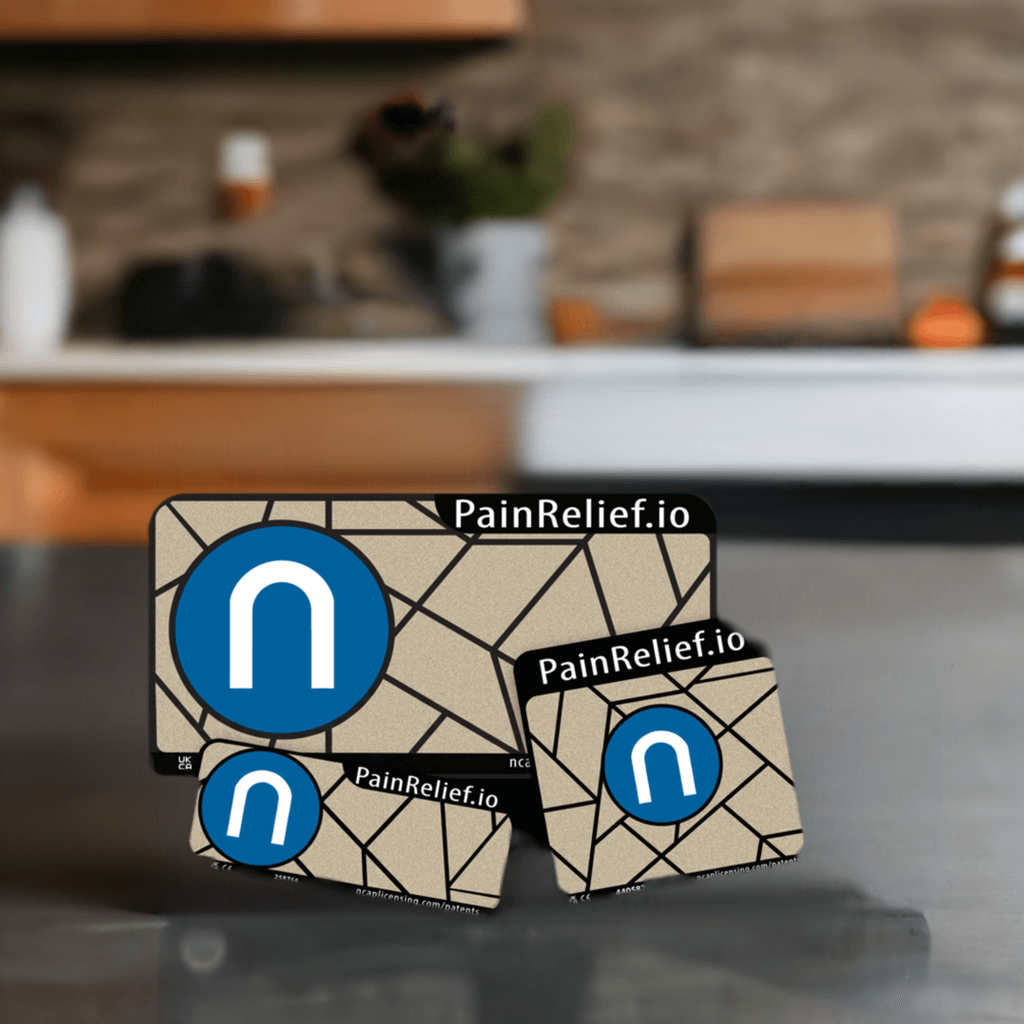
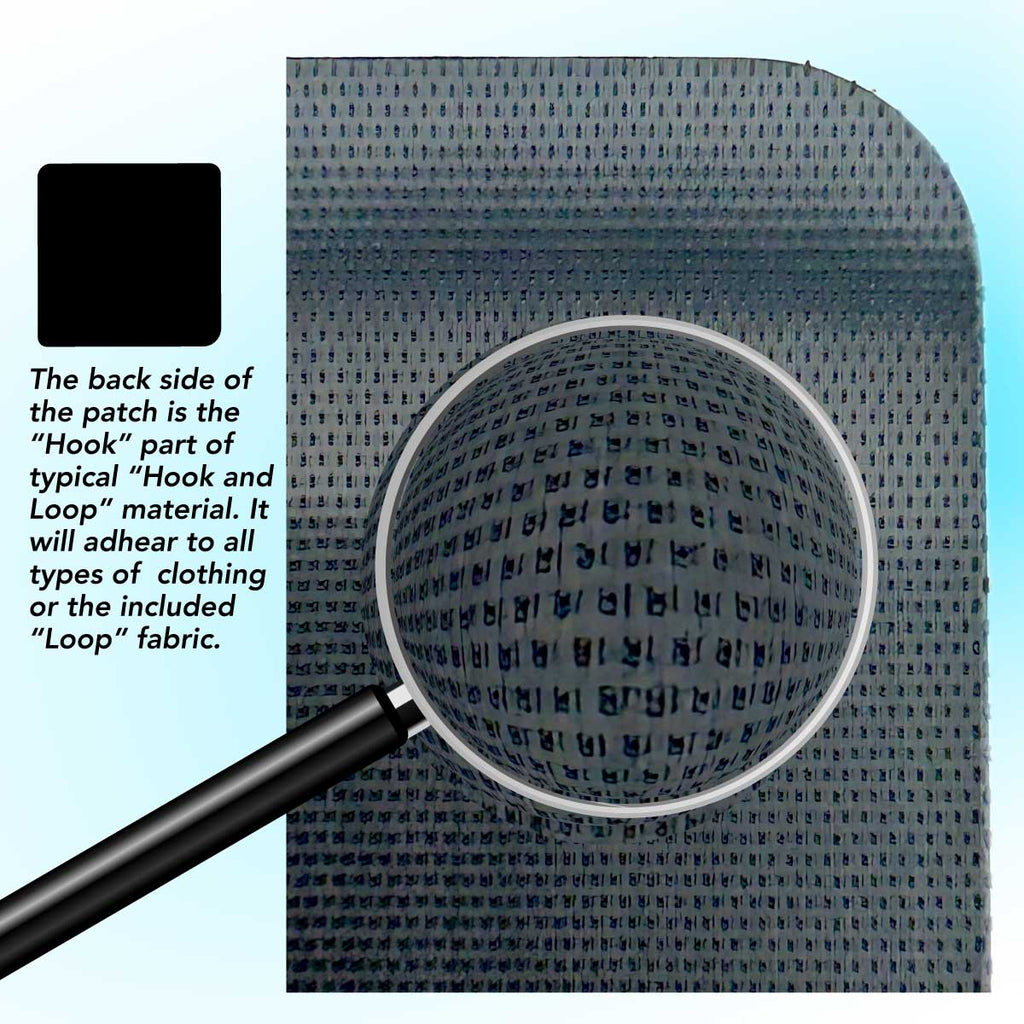
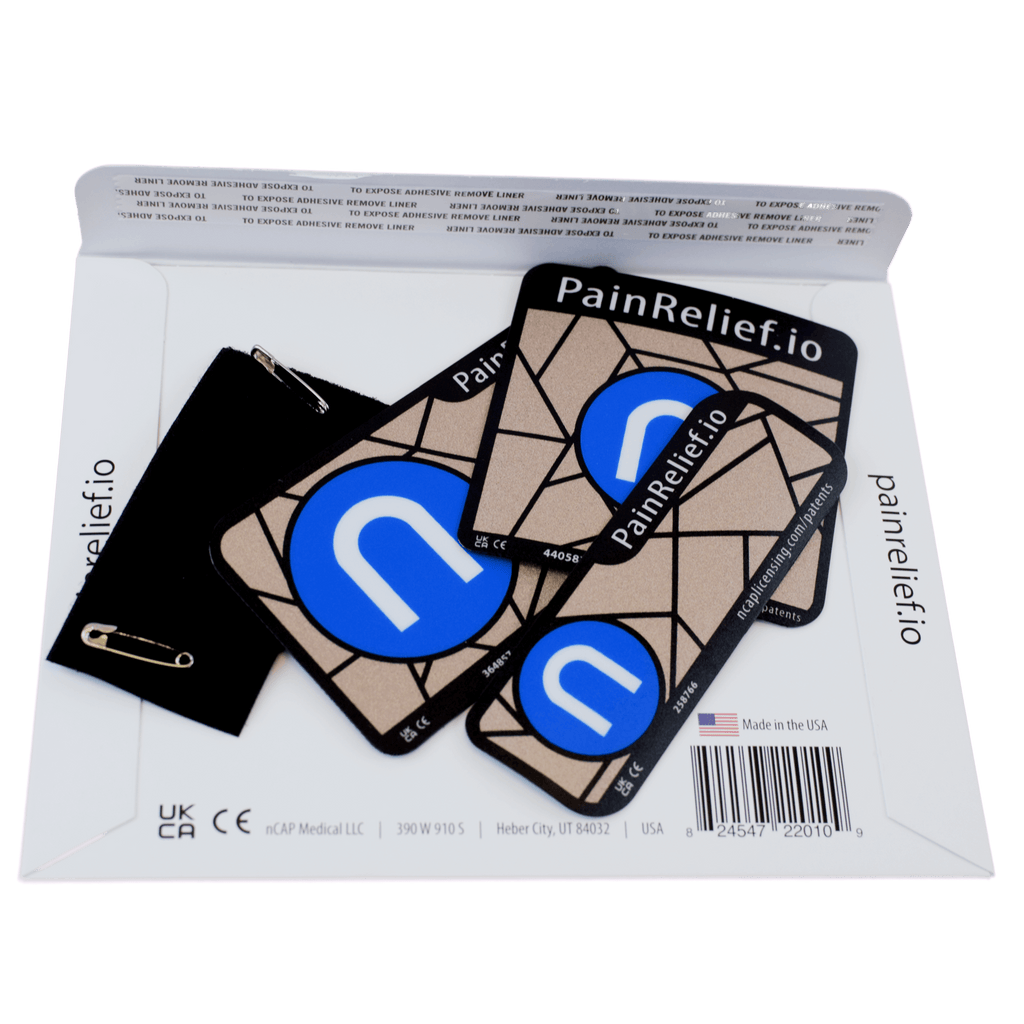
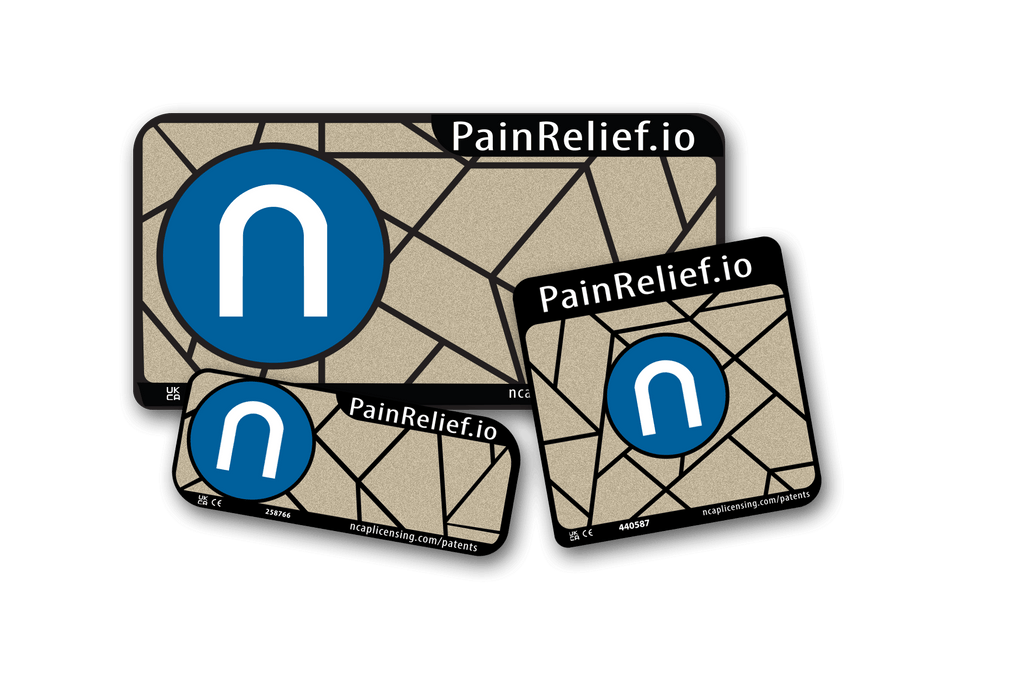
One example is NeuroCuple®, a patented nanocapacitive wearable available through PainRelief.io®. Unlike braces that stabilize joints or heat wraps that provide warmth, NeuroCuple is designed as a lightweight, reusable device intended to support the body's natural pain-signaling environment without drugs, adhesives that require daily replacement, electrical power, or ongoing maintenance.
Because it is thin, flexible, and reusable, many people find they can wear it comfortably throughout everyday activities—including walking, working, exercising, traveling, or relaxing at home—without significantly changing their routine.
For individuals living with recurring arthritis discomfort, that combination of simplicity, portability, and long-term reusability makes it an option worth considering alongside more traditional wearable approaches.
As with any wearable support, individual experiences vary. Proper placement, consistency of use, and the nature of your symptoms all influence how helpful any wearable may be.
Start by asking what is actually limiting your day.
Does knee pain make climbing stairs difficult?
Do stiff fingers slow your morning routine?
Does wrist discomfort appear after computer work?
Does shoulder tension develop because you compensate for another painful joint?
Matching the wearable to the problem often produces better results than simply choosing the newest product.
If joint instability is your biggest concern, a properly fitted brace may provide the support you need.
If stiffness is the primary issue, compression or therapeutic warmth may be enough.
If your goal is to continue moving freely with a discreet, reusable, drug-free wearable that does not limit natural motion, a wearable pain relief device like NeuroCuple may be an option worth exploring.
Many people ultimately find that different wearables serve different purposes. A supportive brace may be useful during strenuous activity, while a lightweight wearable pain relief device may be preferred throughout the rest of the day because it is easier to wear consistently.
Even the best wearable cannot help if it spends most of its time in a drawer.
Braces should fit securely without pinching, slipping, or restricting circulation. Compression should feel supportive—not painful.
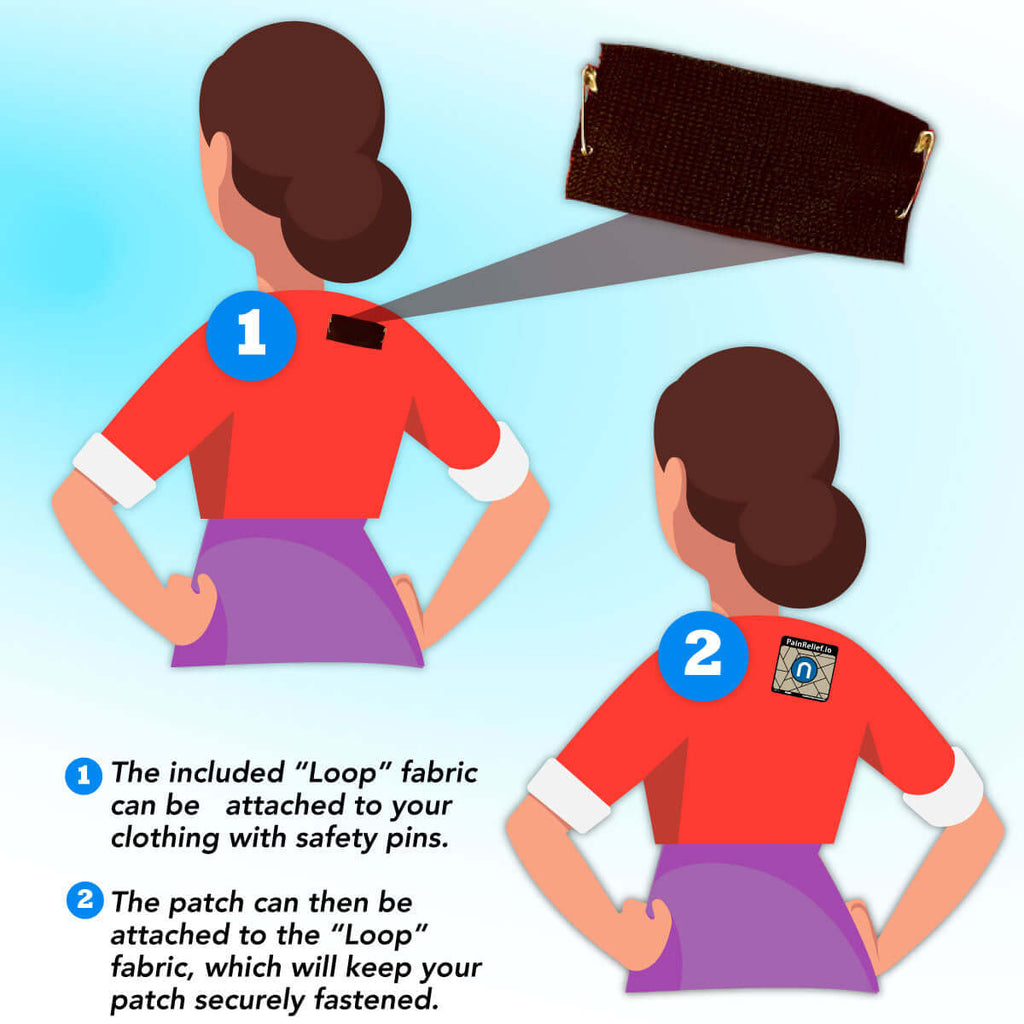
Wearable pain relief devices should be positioned according to their instructions and adjusted if necessary to find the location that provides the greatest benefit during the activities that normally trigger discomfort.
Because arthritis often affects movement patterns rather than just one isolated point, small adjustments in placement can sometimes improve overall comfort.
The best wearable is one that helps you keep participating in life.
When discomfort becomes easier to manage, it becomes easier to stay active, complete daily responsibilities, enjoy hobbies, and continue exercising appropriately.
Wearable support works especially well alongside healthy habits such as:
Regular movement
Strengthening exercises
Physical therapy when appropriate
Weight management
Good sleep
Activity pacing throughout the day
Instead of encouraging inactivity, the right wearable should help you move with greater confidence and comfort.
Sudden or severe joint pain, significant swelling, redness, fever, injury, numbness, unexplained weakness, or inability to bear weight deserves prompt medical evaluation.
If you have inflammatory arthritis, wearable support should complement—not replace—the treatment plan developed with your healthcare provider.
There is no single wearable that is right for every person with arthritis. Braces provide stability. Compression sleeves offer gentle support. Heat can reduce stiffness. Newer drug-free wearable technologies offer another option for people who want ongoing support without medication or restricting movement.
The most effective wearable is ultimately the one that helps you stay engaged in everyday life.
For many people, that means choosing a solution that is comfortable enough to wear consistently, portable enough to use anywhere, and simple enough to become part of a daily routine. If you are looking for a lightweight, reusable, drug-free approach that fits naturally into everyday activities, NeuroCuple® may be worth considering as part of your overall arthritis comfort plan.