

A migraine can turn a normal afternoon into a negotiation with light, noise, movement, and time. When attacks are frequent, the search for relief can become exhausting too. This guide to noninvasive migraine support focuses on practical, drug-free strategies that can help you prepare for attacks, reduce avoidable triggers, and create a more dependable response when symptoms begin.
Migraine support is rarely one single solution. What helps during the first hour of an attack may be different from what helps reduce the chance of another attack next week. The goal is not to force your way through pain. It is to build a plan that gives you more control without adding another complicated routine.
A migraine is a neurological condition that can involve throbbing or pulsing head pain, nausea, sensitivity to light or sound, visual changes, fatigue, neck tension, and trouble concentrating. Some people experience an aura before the pain starts. Others feel a warning phase marked by yawning, food cravings, mood changes, or stiffness in the neck and shoulders.
That range matters because noninvasive support should address the full experience, not just the pain in your head. A bright screen may feel intolerable. Tight muscles around the neck may make the attack feel worse. Skipping lunch, sleeping poorly, or pushing through a stressful day can lower your threshold for symptoms.
Migraine patterns also vary from person to person. Cold therapy may be calming for one person and unpleasant for another. A wearable option may be useful during work or travel, while a dark room is more realistic at home. Think of your approach as a set of tools you can adjust, not a rigid formula.
You do not need a perfect journal to notice useful patterns. For several weeks, write down when a migraine starts, what happened in the previous day, your symptoms, and what you tried. Include sleep, meals, hydration, menstrual cycle changes if relevant, weather shifts, alcohol, caffeine, stress, exercise, and long stretches of screen use.
The purpose is not to blame yourself for every attack. Many migraine triggers cannot be fully controlled. Instead, tracking helps you separate a true repeat pattern from a coincidence. If headaches often follow missed meals, for example, keeping a simple snack nearby may be more helpful than making a dozen lifestyle changes at once.
Also record what provides support. Note whether a cool compress, a quiet room, neck relaxation, a short walk before symptoms intensify, or a wearable device changed the experience. Over time, this becomes your personal migraine response plan.
Migraine brains often respond best to consistency. This does not mean living on a strict schedule. It means avoiding sharp swings when possible.
Regular sleep is a strong place to start. Both too little sleep and sleeping much later than usual can be difficult for some people. Aim for a stable wake time most days, and create a lower-stimulation routine before bed if evening screens or stress keep your mind active.
Food and hydration matter for many people as well. Long gaps between meals can be a common problem, especially during busy workdays. Keep water available, eat at predictable intervals, and notice whether alcohol, highly processed foods, or changes in caffeine intake line up with attacks. Caffeine can help some people early in a migraine, but frequent use or sudden withdrawal may work against others.
Movement can be useful between attacks, particularly when stress and muscle tension are part of the picture. Gentle walking, mobility work, and shoulder and neck stretches are often easier to sustain than intense workouts. During an active migraine, though, exertion may make symptoms worse. That is a good example of why migraine support depends on timing.
Many people have a small window when symptoms are building but have not yet peaked. Acting early can be more manageable than waiting until the attack takes over.
First, reduce sensory load. Lower the lights, step away from flickering or bright screens, use earplugs or a quiet room if sound is aggravating, and postpone tasks that demand intense concentration. A cool pack on the forehead, temples, or back of the neck may feel soothing. Use a cloth barrier and limit exposure if cold becomes uncomfortable.
Next, support the body without escalating the situation. Sip water, eat something simple if you have missed a meal, and try slow breathing with a longer exhale. Gentle pressure or relaxation around the jaw, shoulders, and upper neck can be helpful when those areas tighten during an attack. Avoid aggressive massage if touch makes you more sensitive.
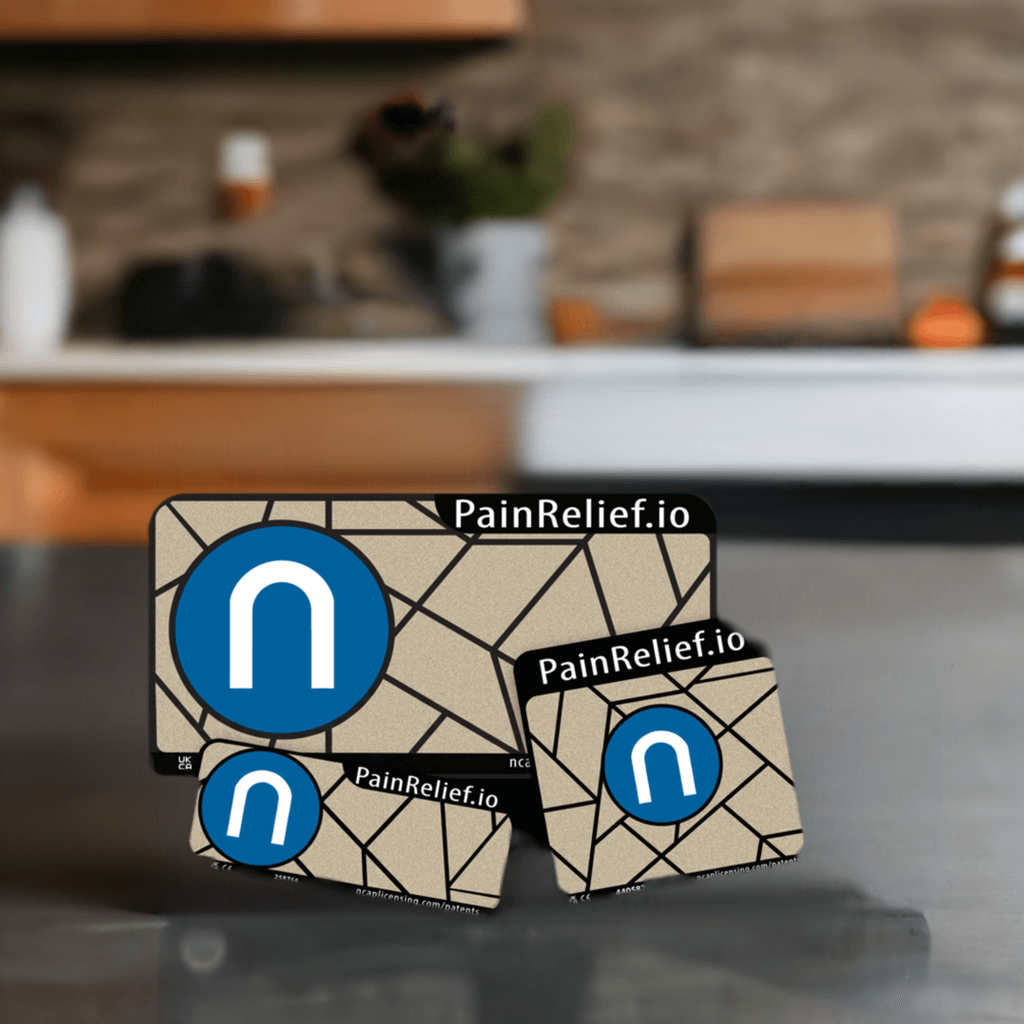
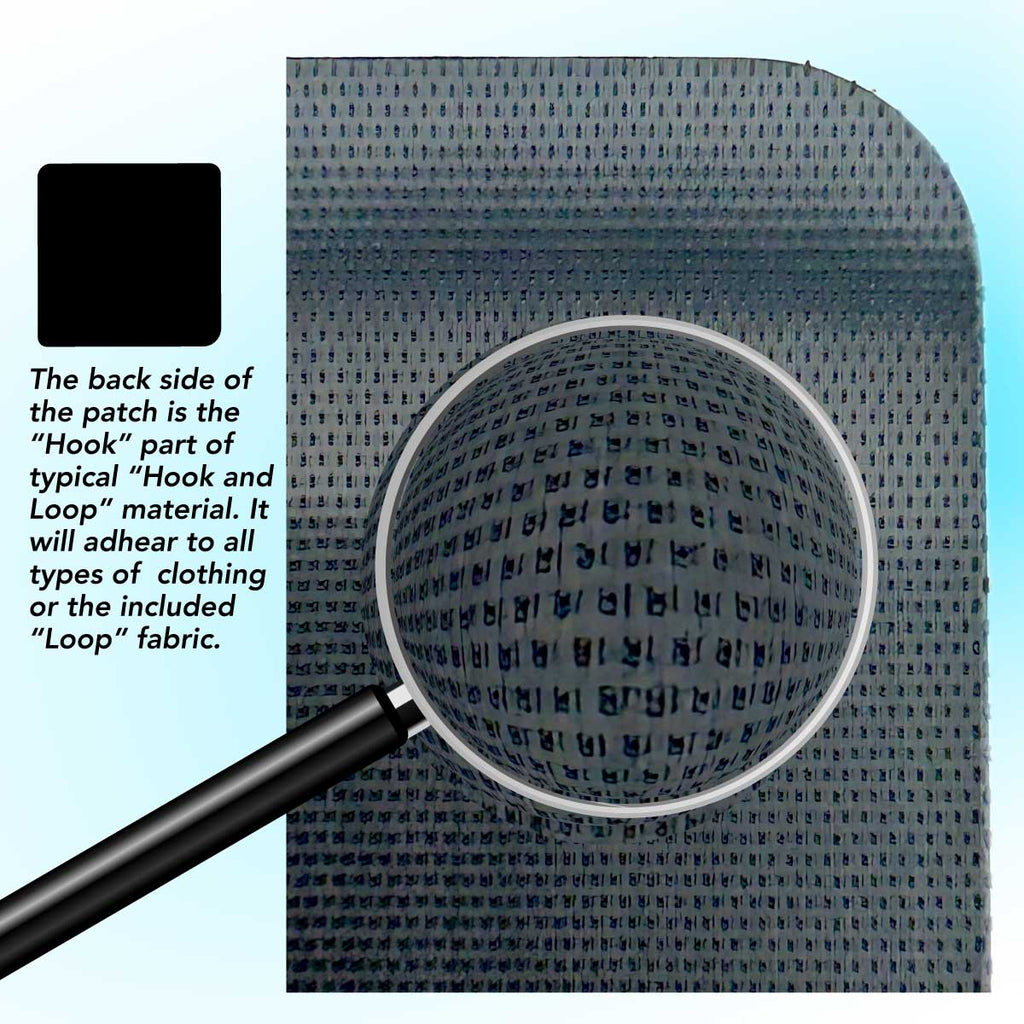
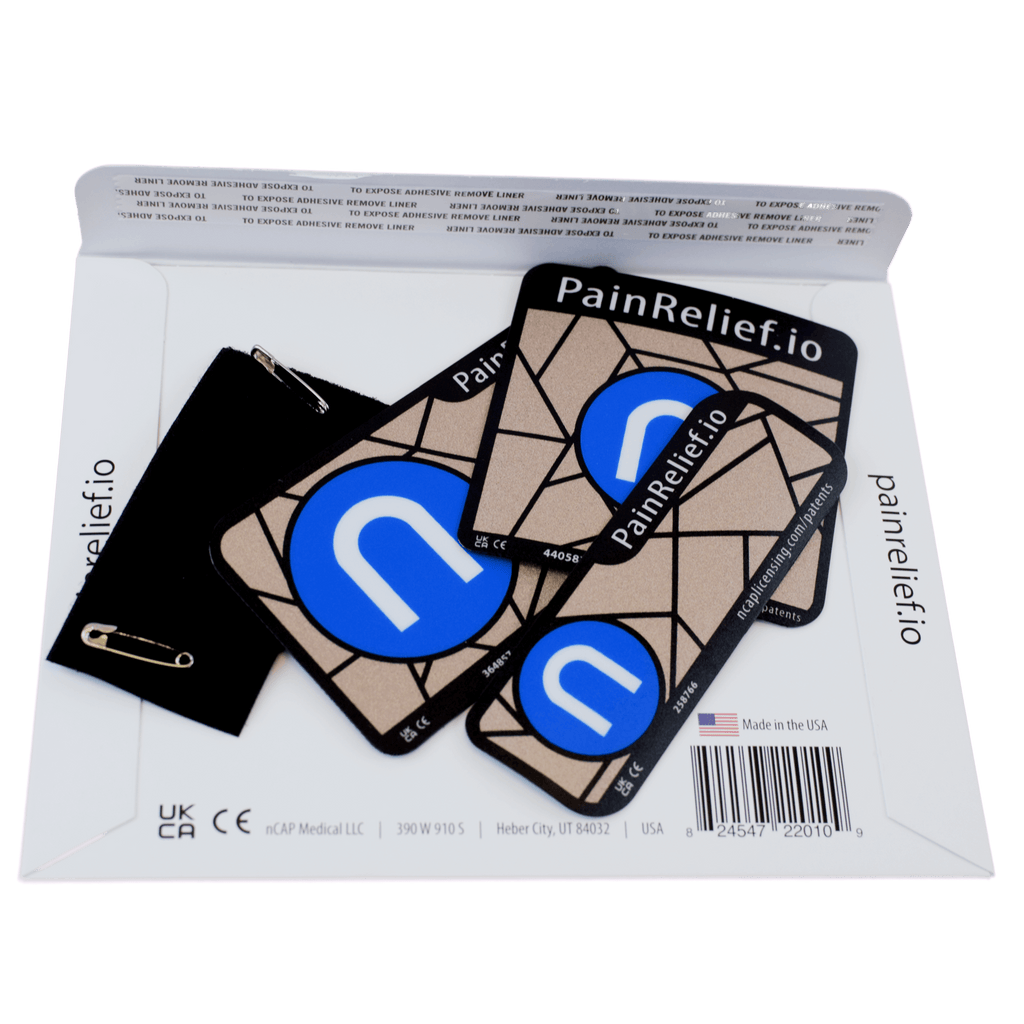
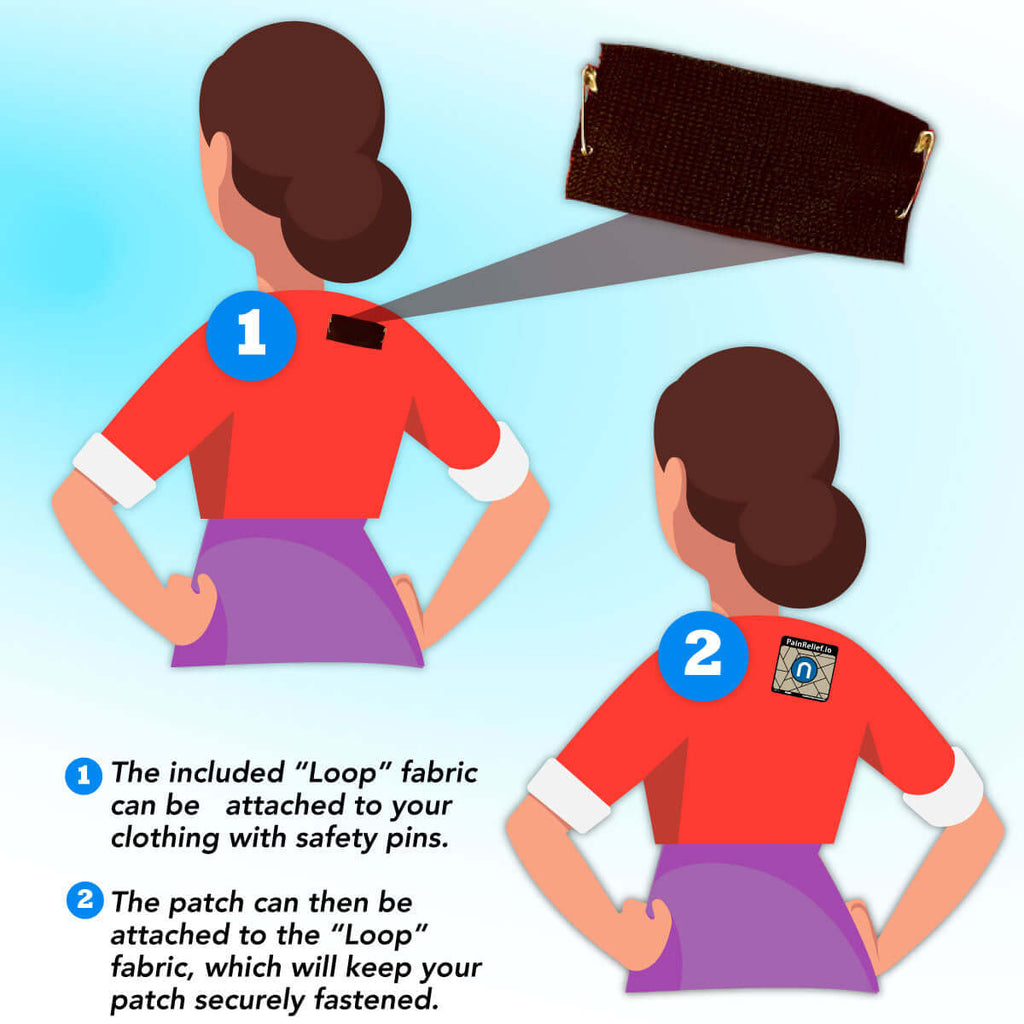
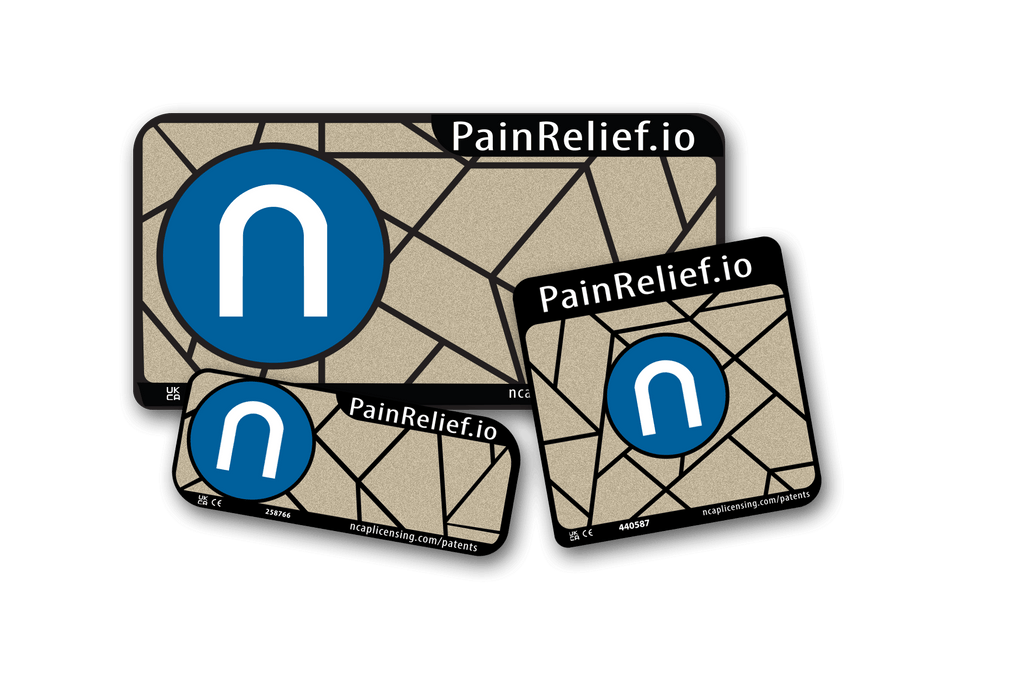
A reusable wearable pain relief device may also fit into this early-response routine. PainRelief.io® devices use patented NeuroCuple® nanocapacitive technology and are designed as a battery-free, wire-free option for drug-free pain support. For migraine-related discomfort, follow the product's placement and use instructions carefully, particularly when using a device near the head, neck, or shoulders. The value of a wearable approach is practical: it can provide a non-topical, reusable support option without requiring heat, cords, or another pill.
Migraines do not wait for a quiet day at home. Preparing a small support kit can make a real difference when you are commuting, sitting in meetings, caring for family, or traveling. Keep items that reduce sensory stress and help you respond early, such as sunglasses, water, a familiar snack, earplugs, a cooling option, and any clinician-recommended treatments.
At work, consider the environment as part of your plan. Turn down screen brightness, use a warmer display setting if it feels more comfortable, take brief visual breaks, and adjust harsh overhead lighting when possible. If neck strain is a recurring issue, check whether your screen height, chair position, or phone posture leaves your shoulders braced for hours.
It can also help to have a brief, direct phrase ready for coworkers or family: “I am having a migraine and need a low-light, low-noise break.” Clear communication is not overexplaining. It is a way to protect the recovery time your body needs.
Noninvasive support is valuable, but more is not always better. Repeatedly layering cold, pressure, caffeine, screens, supplements, and other remedies can make it harder to tell what actually helps. Add one or two strategies at a time and give them enough consistency to evaluate.
Be especially careful with frequent use of any acute pain medication, including over-the-counter options. Using them too often can contribute to medication-overuse headaches for some people. A clinician can help you understand safe use and discuss preventive options if migraines are occurring regularly.
The same practical mindset applies to wearables and wellness tools. Look for solutions that are comfortable enough to use consistently, easy to keep nearby, and realistic for your day. A reusable device may be a better fit than a disposable patch for recurring symptoms, while cold therapy may be the simpler choice when you are resting at home. The best option is the one that supports your plan without becoming another burden.
Noninvasive strategies can support comfort and daily management, but they are not a substitute for medical evaluation. Speak with a healthcare professional if migraines are becoming more frequent, changing in pattern, interfering with work or sleep, or not responding to your usual plan.
Seek urgent care for a sudden, severe headache that feels unlike your normal migraine, especially if it occurs with fainting, confusion, fever, seizure, new weakness or numbness, difficulty speaking, vision loss, head injury, or a stiff neck. New headaches during pregnancy, after age 50, or in people with certain health conditions also deserve prompt guidance.
A good migraine plan is built around your real life: the meetings you cannot always cancel, the family responsibilities that continue, and the days when you simply need a little more room to recover. Start small, track what changes the experience, and keep the tools that help you feel more prepared for the next hard day.