
¡Envío y devoluciones gratis por encima de $100!
If you have ever stopped mid-day to stretch your back, rub your knee, or wait for a headache pill to kick in, you already understand why future wearable wellness devices matter. The next wave is not about adding more screens or more alerts to your body. It is about making relief simpler, more targeted, and easier to use in real life - especially for people who want drug-free options they can wear through work, errands, travel, and recovery.
For years, wellness wearables mostly meant fitness tracking. Count your steps. Check your heart rate. Watch your sleep score rise and fall. That information can be useful, but data alone does not always help when your lower back tightens in the car or your jaw starts throbbing after a stressful day. The future is moving from passive monitoring toward practical support. That shift matters for anyone living with recurring pain, muscle tension, cramps, headaches, or everyday strain.
The most promising devices are becoming less bulky, less complicated, and more specific to what people actually feel in their bodies. Instead of one-size-fits-all gadgets, the category is moving toward body-area solutions designed around real pain points like knees, shoulders, temples, the lower back, or the jaw.
That may sound obvious, but it is a major improvement. Pain is personal. A device that works well on a broad flat area like the lower back may not make sense for the temple, knee, or TMJ area. Future design will keep moving toward more precise fit, easier placement, and better wearability under normal clothes.
There is also a clear consumer shift happening. Many people are tired of cycling through temporary options - pills, messy creams, disposable patches, or products that only help while they are plugged in or heated up. They want something reusable, noninvasive, and simple enough to reach for again without turning pain relief into a routine that takes over the day.
Tracking has value. It can show patterns. It can help connect poor sleep, stress, training load, and discomfort. But for many people, the real question is not just, What is my body doing? It is, What can I do about it right now?
That is where the category is expanding. Future wearable wellness devices are increasingly expected to do more than report a problem. Consumers want support, not just observation. In the pain relief space, that means wearable tools that are designed to be used during normal life, not only during a workout or at bedtime.
It also means less dependence on batteries, charging cycles, cords, apps, and constant maintenance. Some users enjoy high-tech dashboards. Others want relief that feels almost invisible in use. That trade-off matters. More features do not always create a better experience, especially if the device becomes one more thing to manage.
The devices that stand out over the next several years will likely share a few traits. First, they will be easy to wear consistently. If something is too bulky, too stiff, or too noticeable, people stop using it. Second, they will be reusable. Buyers are becoming more selective about value, and repeated disposable purchases wear people down financially and mentally.
Third, they will be body-specific. A wearable built for migraine support should not feel like a modified knee product. A menstrual pain solution should reflect how that discomfort shows up in daily life. Better targeting usually leads to better usability.
Fourth, they will support independence. That means no complicated setup, no learning curve that requires a manual every time, and no need to schedule relief around a wall outlet or charging dock. Simplicity is not a small benefit here. For someone dealing with chronic pain or recurring flare-ups, simplicity can be the difference between something they try once and something they use again and again.
This is one of the biggest long-term shifts. More consumers are actively searching for ways to manage pain without medication, either because they want to avoid side effects, reduce overuse, or keep more options in their routine. That does not mean every person will stop using medicine. It means many want another layer of support.
Future wearable wellness devices fit that need because they can offer a noninvasive approach that does not rely on ingesting anything. For people with recurring back pain, post-workout soreness, monthly cramps, tension headaches, or joint discomfort, that can be a meaningful change. It puts more control in the user’s hands.
The strongest products in this space will not overpromise. Pain has different causes, and what helps one person may not help another in the same way. But the demand for practical drug-free options is real, and it is growing because people want relief they can integrate into daily life rather than build their day around.
One major direction is smarter design without added friction. That sounds contradictory, but it is not. The best future products may use advanced material science or patented technology while still feeling incredibly simple to the user.
That is an important point. Consumers do not necessarily want more complexity. They want better outcomes from products that are easier to use. In the wearable pain relief category, that could mean lighter materials, better skin comfort, stronger durability, more flexible sizing, and designs that stay in place during movement.
It could also mean solutions built around the body’s own bioelectrical environment rather than old models that depend on heat, chemicals, or compression alone. This area is especially interesting because it reflects a broader move in wellness technology toward working with the body in a more targeted and noninvasive way.
Brands that understand this shift will focus less on novelty and more on repeat usability. A futuristic device is not very useful if it sits in a drawer after three attempts. The future belongs to products people actually keep using.
Not every wearable that looks advanced is practical. Some devices collect impressive amounts of data but do little to support relief. Others promise a universal answer for every kind of discomfort, which usually ignores how different pain can be from one body area or condition to another.
It is also worth being cautious with products that create too much dependency on accessories, subscriptions, or fragile components. If a wellness device only works when every condition is perfect, it is less helpful in the moments people need it most.
For buyers, a better question is often this: Will I realistically use this when pain shows up on a regular Tuesday? Will it fit under clothing? Can I wear it while moving around? Does it feel practical for recurring use? Those questions are less exciting than futuristic marketing language, but they are usually better predictors of satisfaction.
The future of this category is not just more technology. It is better alignment between the device and the real experience of pain. People do not want abstract wellness promises. They want a product that matches where it hurts, how often it happens, and what daily life actually looks like.
That is why reusable, wire-free, body-targeted solutions are so well positioned. They reduce friction. They support consistency. They feel less like equipment and more like a practical part of self-care.
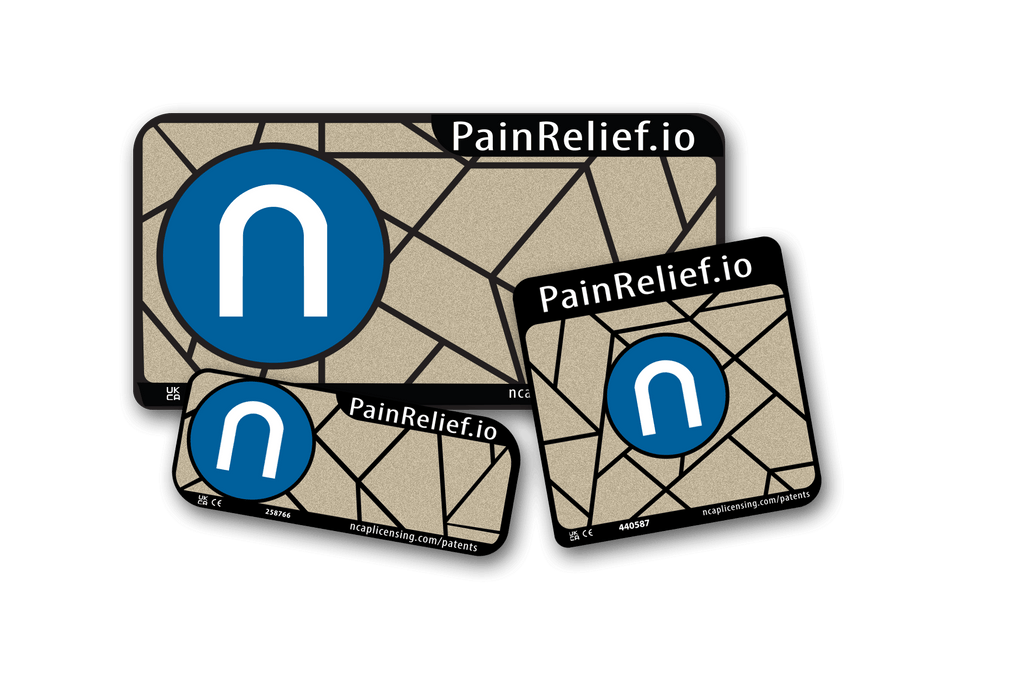
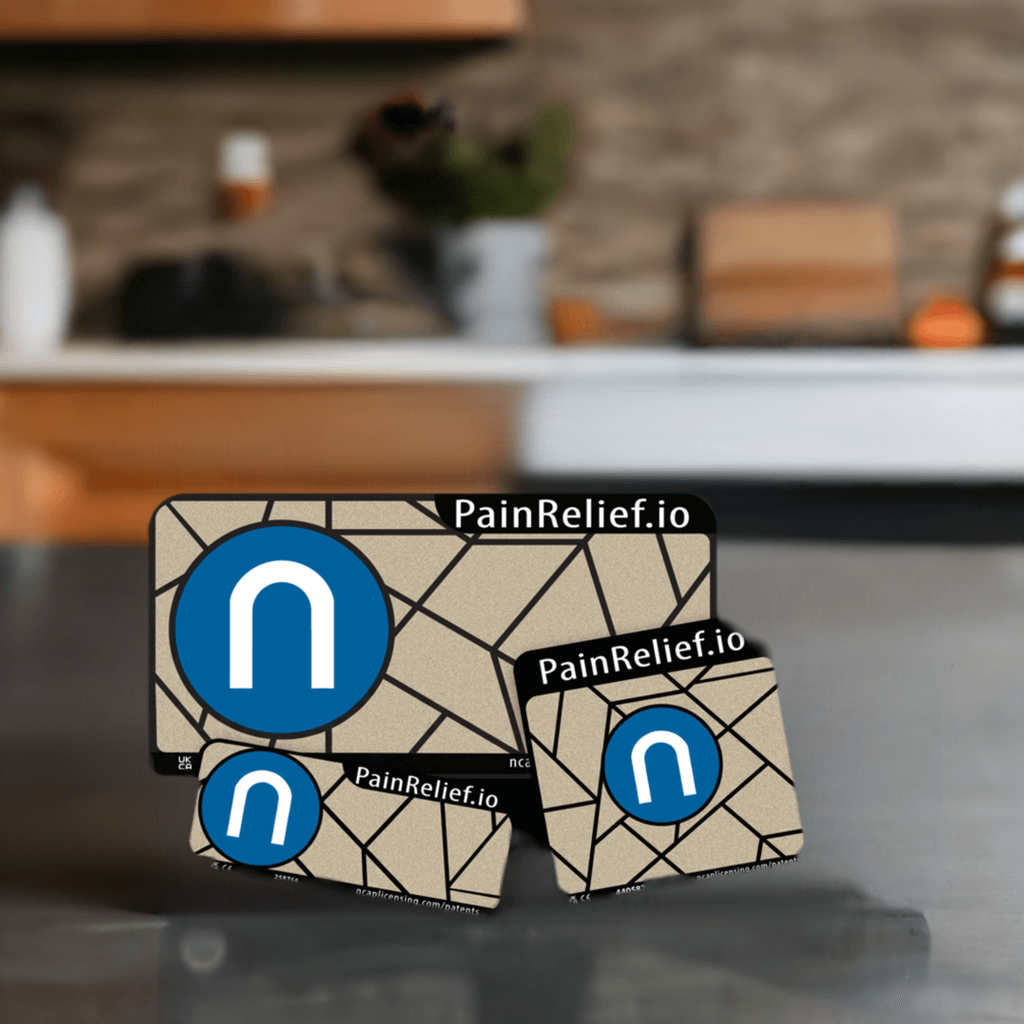
For a brand like PainRelief.io®, this direction makes sense because it reflects what consumers are already asking for: drug-free relief, simple placement, long-term usability, and technology that serves a clear purpose. The future is not about making pain relief look more futuristic. It is about making it more useful.
The most meaningful innovation in wearable wellness will likely be the kind that asks less from the user while offering more real-world support. If a device can help someone get through work with less back tension, recover after activity without reaching for another pill, or manage recurring discomfort in a way that feels sustainable, that is not just a better gadget. It is a better direction for wellness itself.
Buscar
Terms of Service
Refund Policy
Contact Us
No vender ni compartir mi información personal
Affiliates: Join or Log In
PATENTS
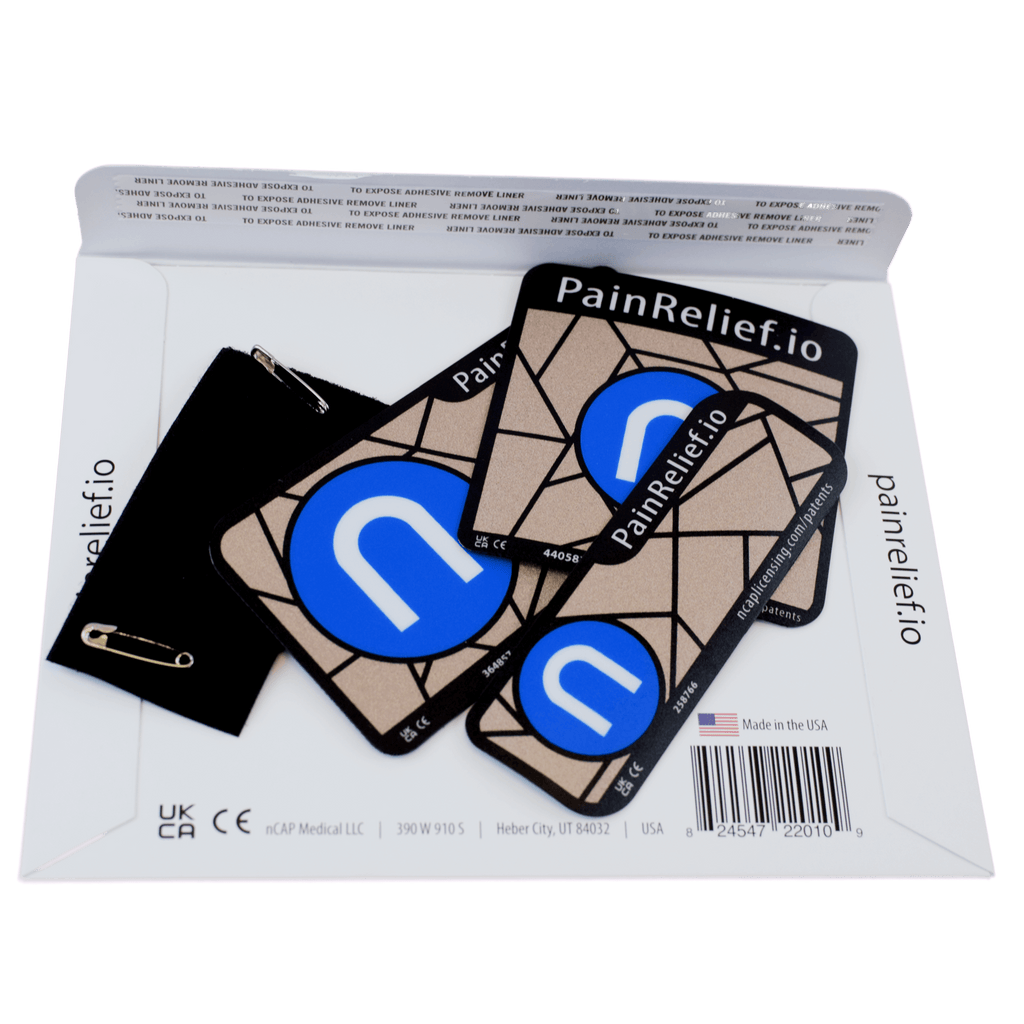
¡Es fácil de usar! Simplemente coloque el dispositivo encima de su dolor, Between the Pain and the Brain(tm) , y su dolor comenzará a desaparecer en minutos. Todo en un dispositivo portátil, delgado y reutilizable. ¡Sin baterías, sin cables, sin aceites malolientes, sin drogas y es de acción rápida!
El dispositivo está construido con nuestra capa patentada Neurocuple® sellada entre dos capas impermeables. Una vez colocada en el lugar correcto, la capa Neurocuple® se activa directamente por la energía del propio cuerpo del usuario; después de unos minutos, el usuario siente una sensación de calor, frío u hormigueo a medida que el dolor desaparece.
El dispositivo PainRelief.io® es un producto de bienestar general que ayuda a promover la actividad física para los usuarios con dolor crónico e intermitente, que, como parte de un estilo de vida saludable, puede ayudar a vivir con estas condiciones y puede retrasar la aparición de discapacidades relacionadas.