
¡Envío y devoluciones gratis por encima de $100!
That familiar tightening in your lower abdomen can derail a workday, ruin sleep, or make even a short walk feel like too much. If you are looking for drug free pain relief for menstrual cramps, you are probably not looking for fluff. You want relief that feels practical, safe to use regularly, and easy to fit into real life.
Menstrual cramps are common, but that does not make them minor. For some people, they show up as a dull ache. For others, they feel sharp, radiating, and exhausting, sometimes with back pain, nausea, or soreness down the legs. The right non-drug approach depends on your body, your routine, and how intense your symptoms are. The good news is that there are effective options, and they do not all require planning your day around a heating pad or reaching for medication every month.
Cramps happen when the uterus contracts to shed its lining. Those contractions are driven by hormone-like compounds called prostaglandins. Higher prostaglandin levels are often linked to stronger, more painful cramps. That is why one cycle may feel manageable while another knocks you flat.
Pain is also rarely isolated to one spot. The same cycle-related tension can trigger lower back discomfort, pelvic pressure, fatigue, and a general sense that your whole body is working harder than usual. For people trying to stay active, work, care for family, or simply sleep through the night, the challenge is not just reducing pain. It is finding support that does not interrupt everything else.
The best approach is usually not a single trick. It is a combination of relief methods that match the moment you are in. Some options are better for fast comfort at home. Others are better when you need to get dressed, leave the house, and function normally.
Heat is the classic example because it works for a reason. Warmth can relax tight muscles and soothe the cramping sensation. A heating pad or hot water bottle can be genuinely helpful, especially during the first day or two of a cycle. The trade-off is portability. Heat often works best when you are sitting still, and it is not always realistic for commuting, meetings, errands, or sleep.
Movement can help too, even when it sounds unappealing. Gentle walking, stretching, or light yoga may reduce the feeling of pelvic tension and back tightness. But this is one of those areas where it depends. If your cramps are moderate, movement may loosen things up. If they are severe, being told to exercise can feel almost insulting. The goal is not to push through intense pain. It is to use movement as support when your body tolerates it.
Hydration and rest are easy to overlook because they sound basic. They still matter. Dehydration can amplify the sense of fatigue and discomfort, and poor sleep tends to lower your pain tolerance. These are not magic fixes, but they can make other relief methods work better.
A lot of non-drug options fail for one simple reason - they are hard to use in the middle of a normal day. That is where wearable pain relief stands out.
Instead of requiring cords, batteries, creams, or downtime, a wearable device is designed to sit where the discomfort is happening and keep working while you move. For menstrual cramps, that usually means the lower abdomen, and in some cases the lower back as well.
This matters because cramps are not a once-a-month inconvenience for everyone. They can be a recurring disruption. A wearable option gives people a way to seek support without stacking medication doses, dealing with mess, or planning around disposable products.
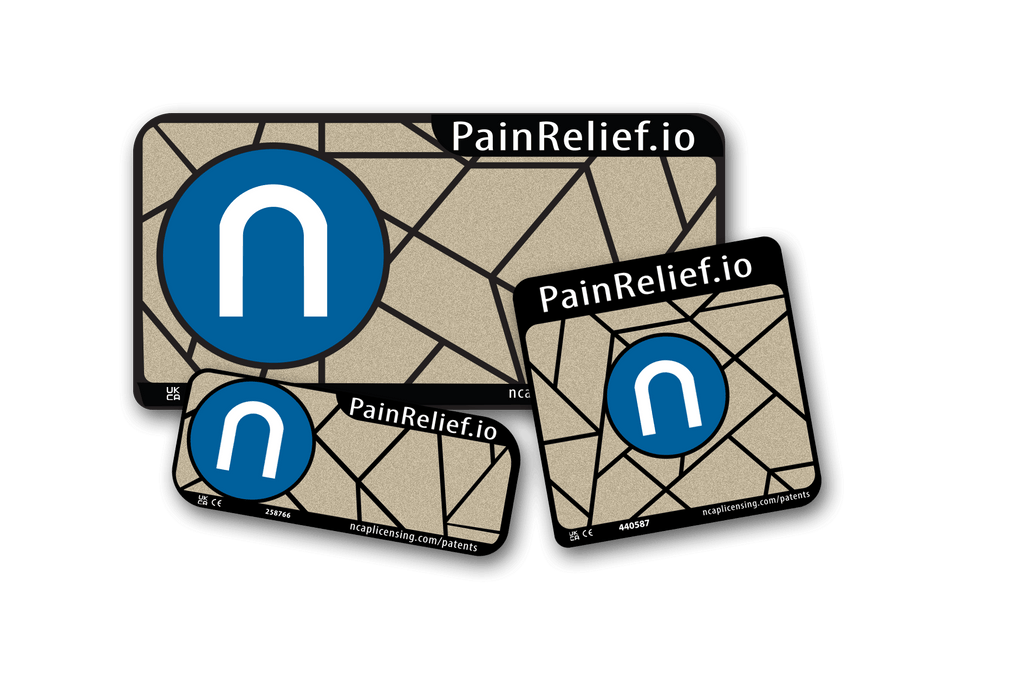
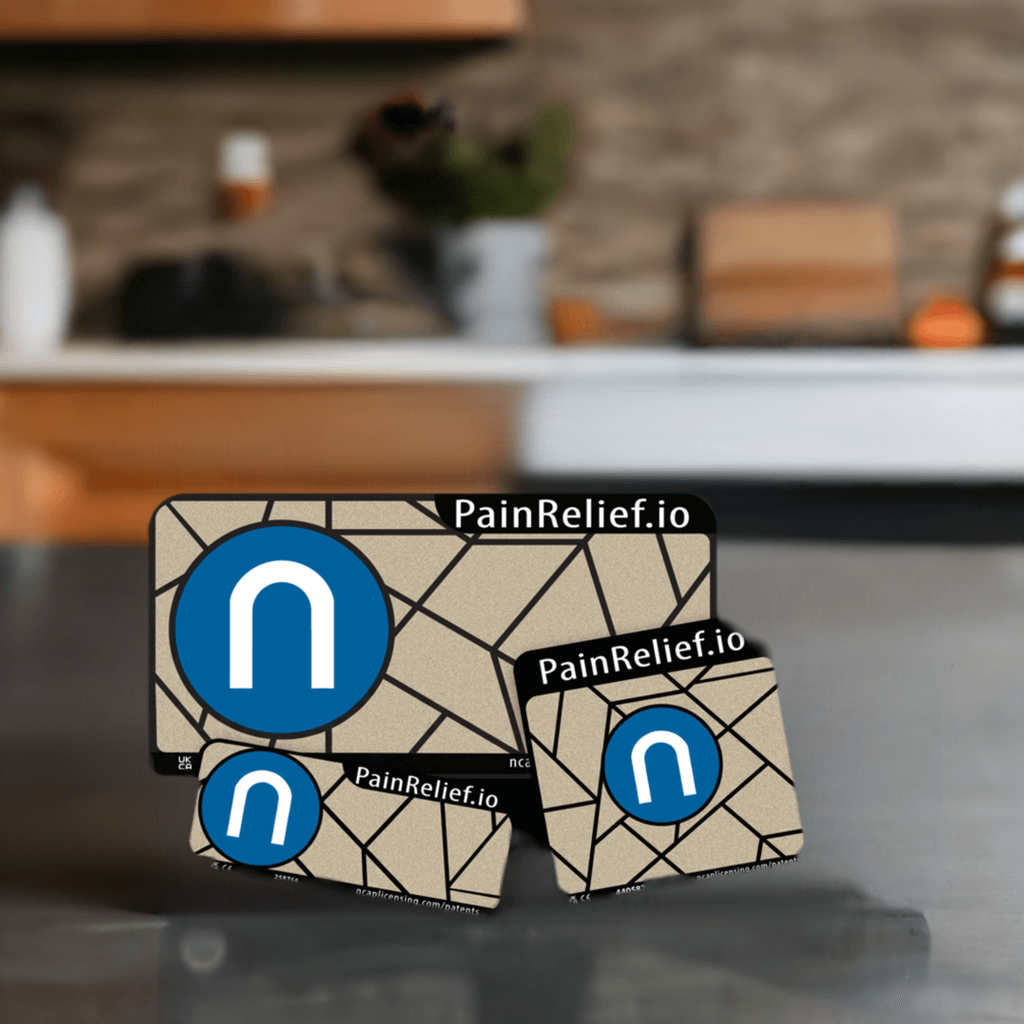
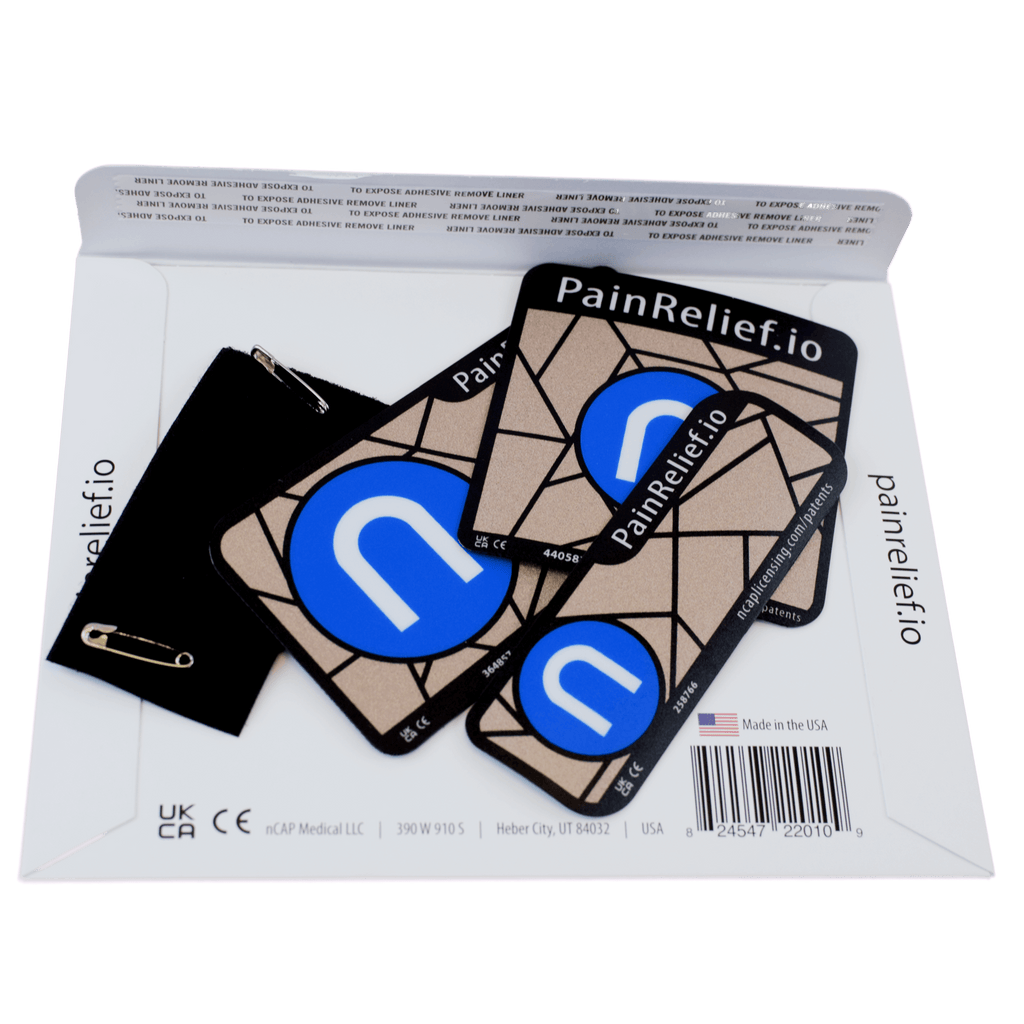
PainRelief.io built its devices around that kind of everyday use. The design is simple by intent - reusable, noninvasive, battery-free, and wire-free - so relief does not come with extra steps. Its patented NeuroCuple technology is designed to interact with the body’s bioelectrical environment, which is part of what makes the approach feel different from heat, creams, or one-time patches.
Not every non-drug option fits every person or every cycle. The better question is not whether a method is good in general. It is whether it works for your pain pattern.
If your cramps tend to peak when you are home and able to rest, heat may be enough. If your pain comes with lower back soreness, you may need support in more than one area. If you are trying to stay off medication or reduce how often you take it, consistency and convenience start to matter more.
That is why reusability is a bigger deal than it sounds. Disposable options can be fine in a pinch, but recurring pain changes the math. Something you can use again and again is often the more realistic long-term solution, both financially and practically.
The same goes for ease of placement. Menstrual discomfort is often localized, but not always identical from person to person. Some feel it low and centered. Others feel it spread across the pelvis or around to the back. A wearable device that comes in different sizes or use-case-specific formats can make relief feel more tailored, which is important when pain is not one-size-fits-all.
One reason people give up on drug-free methods too quickly is that they expect them all to feel the same. They do not.
Heat feels obvious and immediate. Stretching may help gradually. Wearable relief can feel subtler at first, especially if you are used to the distinct sensation of a hot pad or the fast onset you associate with medication. Subtle does not mean ineffective. It just means the experience is different.
It is also worth being honest about limits. If you have severe cramps that are worsening over time, very heavy bleeding, pain between periods, or symptoms that interfere with daily life every month, it is smart to talk with a medical professional. Conditions like endometriosis or fibroids can sit underneath what seems like routine menstrual pain. Drug-free support can still play a role, but it should not replace proper evaluation when symptoms are escalating.
The most sustainable relief plan is one you will actually use. For many people, that means thinking beyond the peak pain moment and preparing for the full cycle window.
If you know the first one or two days are the hardest, keep your preferred support ready before cramps start. That might mean having a heating pad by your bed, planning lighter workouts, staying ahead on hydration, or using a wearable device at the first sign of tension rather than waiting for pain to build.
This is where convenience becomes part of effectiveness. A method that works only under perfect conditions is not always the best method. A method you can use at work, while traveling, during errands, or while sleeping may ultimately help more because you do not have to stop your life to get relief.
For people balancing recurring pain with a full schedule, simplicity is often underrated. No batteries to charge. No creams to reapply. No waste from throwaway patches. Just targeted support designed to be used again and again.
There is nothing dramatic about wanting your period pain plan to be easier. In fact, that is the point. You should not have to choose between functioning and feeling better.
Drug free pain relief for menstrual cramps is not about proving something or rejecting every conventional option. It is about having another path - one that is noninvasive, practical, and built for repeat use. For some, that means adding wearable support to heat and rest. For others, it means replacing stopgap solutions that never fit daily life very well.
When relief is simple enough to use consistently, it has a better chance of becoming part of your routine instead of another thing you meant to try. And when something helps you move through your day with less interruption, that is not a small win. It is the kind of support people remember when the next cycle shows up.
Buscar
Terms of Service
Refund Policy
Contact Us
No vender ni compartir mi información personal
Affiliates: Join or Log In
PATENTS
¡Es fácil de usar! Simplemente coloque el dispositivo encima de su dolor, Between the Pain and the Brain(tm) , y su dolor comenzará a desaparecer en minutos. Todo en un dispositivo portátil, delgado y reutilizable. ¡Sin baterías, sin cables, sin aceites malolientes, sin drogas y es de acción rápida!
El dispositivo está construido con nuestra capa patentada Neurocuple® sellada entre dos capas impermeables. Una vez colocada en el lugar correcto, la capa Neurocuple® se activa directamente por la energía del propio cuerpo del usuario; después de unos minutos, el usuario siente una sensación de calor, frío u hormigueo a medida que el dolor desaparece.
El dispositivo PainRelief.io® es un producto de bienestar general que ayuda a promover la actividad física para los usuarios con dolor crónico e intermitente, que, como parte de un estilo de vida saludable, puede ayudar a vivir con estas condiciones y puede retrasar la aparición de discapacidades relacionadas.