
¡Envío y devoluciones gratis por encima de $100!
Jaw pain has a way of taking over small moments you should not have to think about - chewing lunch, answering a call, waking up without a sore face. If you are wondering, can wearable patches help TMJ discomfort, the honest answer is yes, sometimes they can help, but the reason they help depends on what is driving your symptoms.
TMJ discomfort is not one single problem. It can show up as tight jaw muscles, joint irritation, clenching, headaches around the temples, ear-area soreness, or pain that spreads into the neck and shoulders. That is why some people try one thing and get relief, while others feel like nothing changes. A wearable patch may be useful for certain kinds of TMJ-related pain, especially when muscle tension and irritated surrounding tissues are part of the picture. It is less likely to fix structural issues on its own.
A good wearable patch is not necessarily about covering pain up. Some patches simply deliver heat, cooling, or topical ingredients through the skin. Others are designed as wearable wellness devices that interact with the body in a different way. The key question is what kind of support the patch provides and whether that support matches your type of jaw discomfort.
For many people with TMJ symptoms, the pain is not limited to the joint itself. The muscles around the jaw are often overworked from clenching, grinding, stress, poor posture, or even long hours looking down at a phone. When those tissues stay irritated, they can keep sending pain signals. In that situation, a wearable patch may help reduce the intensity of discomfort or make flare-ups easier to manage without medication.
That said, a patch is not the same as a diagnosis. If your bite has changed suddenly, your jaw locks, you cannot fully open your mouth, or you have severe swelling, a wearable solution should not be your only plan. Those symptoms deserve professional evaluation.
The jaw is a small area that does a lot of work. You use it to chew, talk, yawn, swallow, and sometimes to hold tension without realizing it. The temporomandibular joint also does not work alone. It is closely connected to the muscles of the face, temples, neck, and upper shoulders.
That is part of what makes TMJ pain frustrating. The source and the sensation are not always in the same place. You might feel aching near the joint, but the real driver could be clenched masseter muscles. You might blame your jaw when the pattern actually starts with neck tension and poor head position. Or you may have a habit of grinding your teeth at night, which keeps re-irritating the area while you sleep.
Because TMJ discomfort often involves both the joint and the surrounding muscle system, relief tends to work best when it is practical and consistent. That is where wearable options become appealing. People want something simple, drug-free, and easy to use during real life, not just something that works for ten minutes and then disappears.
Wearable patches can support relief in a few different ways, depending on the product.
Some rely on topical ingredients. These may create warming or cooling sensations that distract from pain temporarily. They can be useful for short-term comfort, but they are often disposable, can irritate sensitive skin, and may not be ideal near the face for everyone.
Other wearable patches are designed as noninvasive devices rather than medicated products. These aim to support the body without drugs, mess, or strong odors. That can matter for TMJ users because the jaw and temple area is sensitive, visible, and difficult to treat with bulky solutions.
When a patch helps, the benefit usually looks like this: less tension through the jawline, less referred discomfort into the temple or cheek, better tolerance for talking or chewing, or a lower intensity flare-up over the course of the day. For some people, that also means fewer headaches connected to jaw clenching.
The biggest advantage is wearability. A patch that is lightweight, wire-free, and easy to place gives you a better chance of actually using it consistently. Consistency matters with recurring pain.
Wearable patches tend to make the most sense when your TMJ symptoms are muscular, tension-related, or recurring in predictable patterns. If your jaw feels tight after stressful workdays, sore in the morning from nighttime clenching, or tender after long periods of talking or chewing, a wearable patch may fit well into your routine.
They can also be useful when your pain spreads beyond the joint itself. A lot of TMJ discomfort travels into the temple, side of the face, or upper neck. In those cases, targeted placement near the most involved area may be more helpful than focusing only on the joint.
Where results are less predictable is when the problem is heavily mechanical. If the joint is severely inflamed, unstable, or catching in a way that limits motion, a wearable patch may still offer some comfort around the edges of the problem, but it may not address the main cause. That is not a failure of the patch. It is simply the difference between symptom support and structural correction.
Sometimes yes, sometimes no. It depends on what you need and what you will actually use.
Heat can be very effective for jaw tension, especially if muscles are tight. The downside is that heating pads are not wearable, and a warm washcloth cools off fast. Pain creams may help some people, but many do not want menthol or other active ingredients near the face, and reapplication gets old quickly.
A wearable patch has a different appeal. It is low effort, discreet, and does not have to interrupt your day. If it is reusable, that adds another practical advantage for people dealing with chronic or recurring TMJ symptoms. Instead of treating each flare-up as a separate event, you have something you can return to again and again.
This is one reason drug-free wearable technology stands out in the TMJ category. The area is awkward, sensitive, and often part of a larger tension pattern. A reusable wearable option can feel more realistic for daily life than creams, braces, or disposable relief products.
With TMJ discomfort, the exact placement of a wearable patch can change the experience.
Some people get the best results placing support near the jaw muscle itself, especially over the masseter area along the back of the cheek. Others respond better when the patch is positioned closer to the temple, where clenching-related headaches often build. If neck tension is feeding into the jaw, placing support near the upper neck or shoulder region may be part of the solution too.
This is one of the most overlooked parts of at-home pain relief. People often assume there is one perfect spot. In reality, TMJ pain patterns can vary from person to person. The best approach is usually guided by where your discomfort begins, where it spreads, and when it tends to flare.
If you are considering a wearable patch for jaw discomfort, focus on practicality as much as claims. The face and jaw area are not forgiving. You want something lightweight, comfortable, and easy to use without creating more irritation.
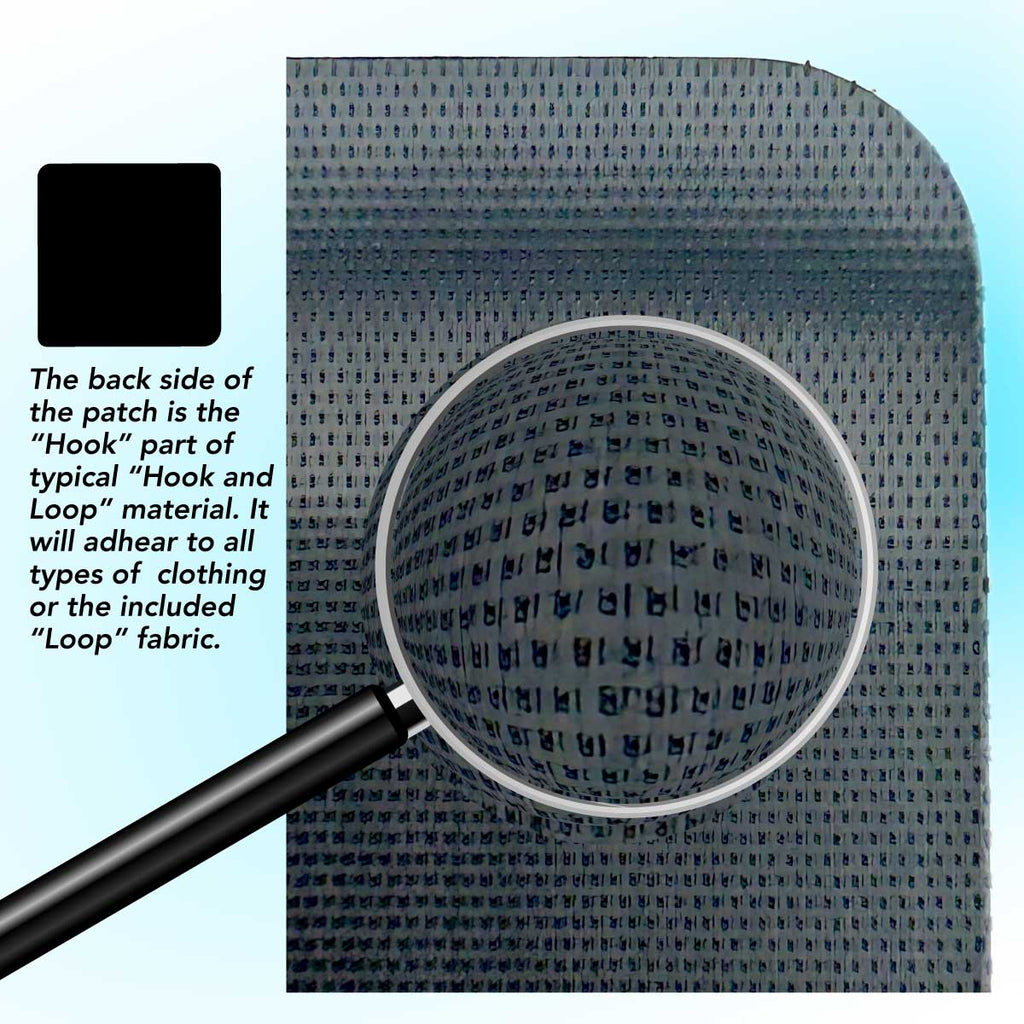
A few features matter more than others: flexibility, reusability, a drug-free design, and a form factor that works near small targeted areas. Battery-free and wire-free designs are especially appealing because they do not add bulk to an already sensitive area.
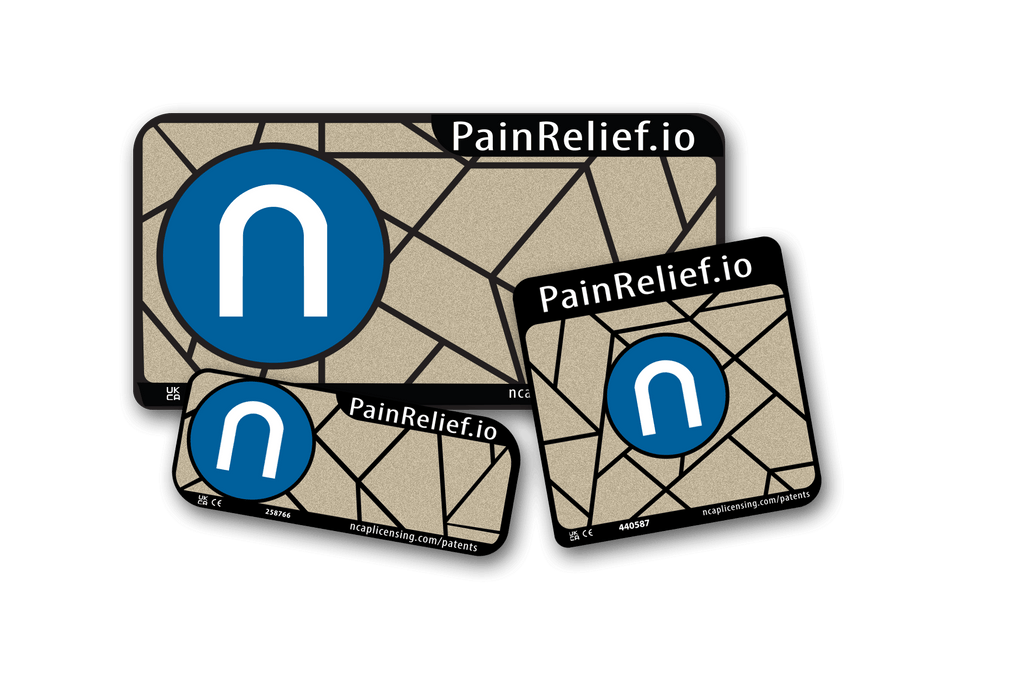
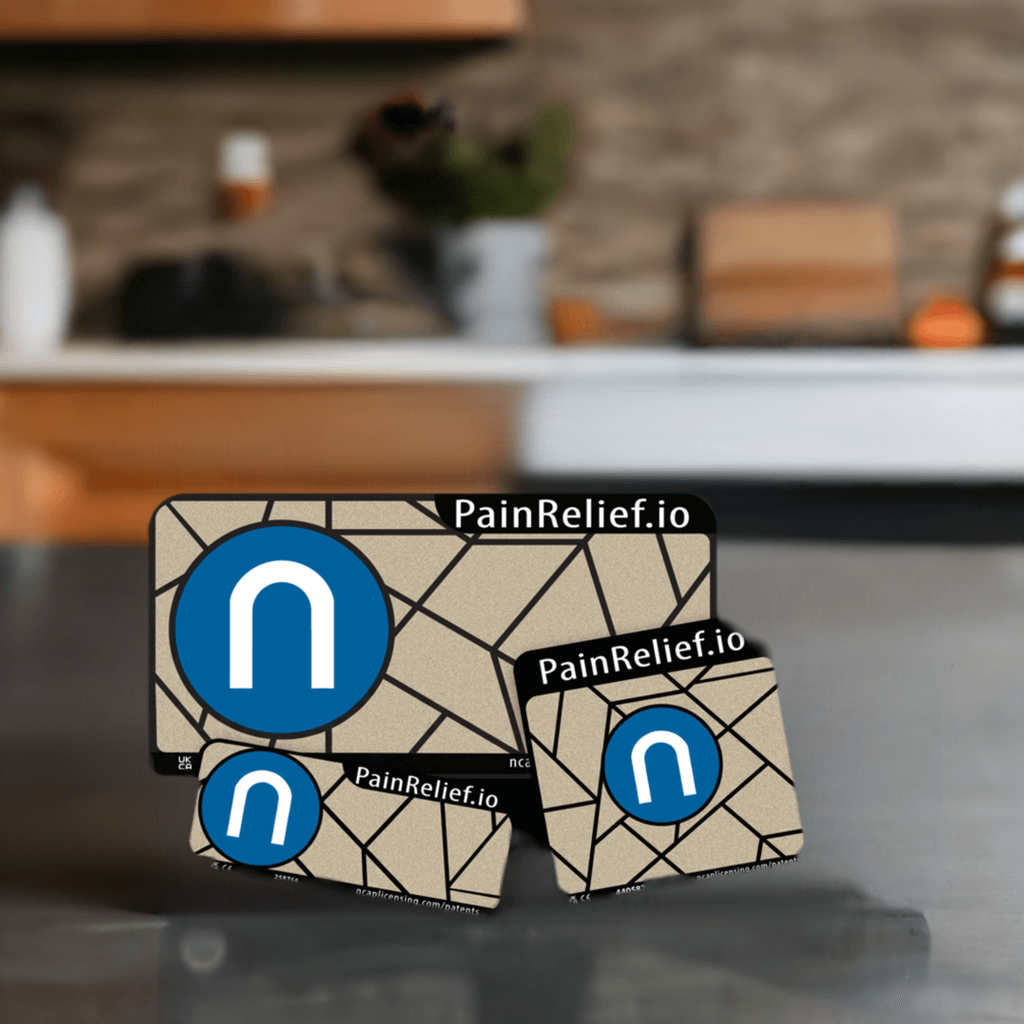
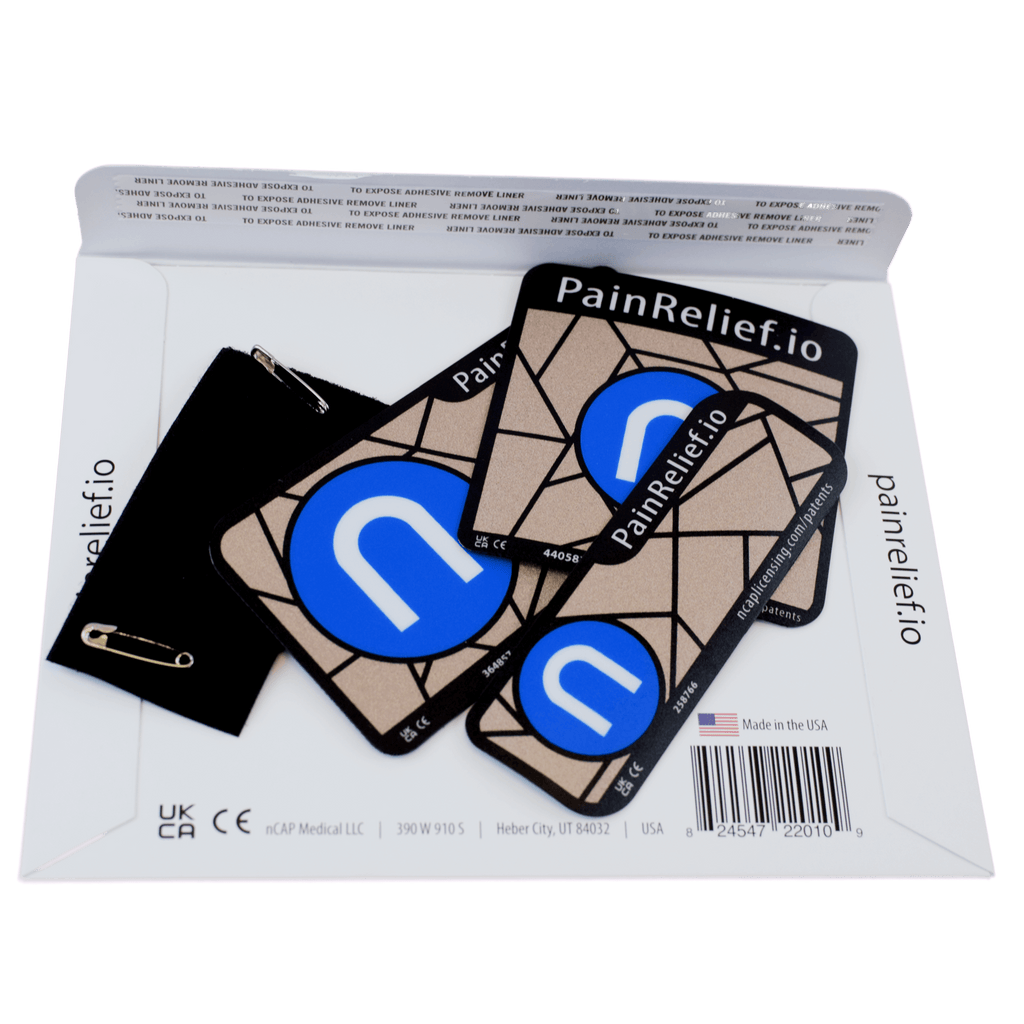
This is where brands built around body-area targeting can be more helpful than one-size-fits-all pain products. PainRelief.io®, for example, focuses on reusable wearable pain relief devices sized for different pain zones, which makes more sense than forcing a large generic patch onto a small facial area.
Wearable patches work best as part of a broader strategy when your jaw pain keeps coming back. That does not mean you need a complicated routine. It usually means paying attention to a few common triggers.
If you clench during the day, remind yourself to let your teeth separate and your tongue rest gently on the roof of your mouth. If you grind at night, a dental professional may recommend a night guard. If your pain worsens after computer work, check whether your head posture is pulling your jaw and neck forward for hours at a time.
Soft foods during a flare-up, gentle jaw rest, stress reduction, and attention to sleep can all help reduce the load on the area. A wearable patch can support relief, but it usually works best when you stop feeding the same pain cycle.
TMJ discomfort is common, but it should not always be self-managed indefinitely. If pain is severe, your jaw locks, you hear sudden new sounds with loss of function, or symptoms keep worsening despite home care, it is time to get evaluated. The same goes for pain after trauma or symptoms tied to dental infection, facial swelling, or numbness.
A wearable patch can be a smart home option for many people who want a noninvasive, drug-free way to manage recurring jaw tension and discomfort. It just helps to be realistic about what it is doing. For muscular tension and everyday flare-ups, it may be exactly the kind of simple support that makes life easier. For more complex TMJ problems, it may be one useful tool, not the whole answer.
If your jaw pain keeps interrupting meals, sleep, or concentration, the best relief option is often the one you can use early, consistently, and without adding another burden to your day.
Buscar
Terms of Service
Refund Policy
Contact Us
No vender ni compartir mi información personal
Affiliates: Join or Log In
PATENTS
¡Es fácil de usar! Simplemente coloque el dispositivo encima de su dolor, Between the Pain and the Brain(tm) , y su dolor comenzará a desaparecer en minutos. Todo en un dispositivo portátil, delgado y reutilizable. ¡Sin baterías, sin cables, sin aceites malolientes, sin drogas y es de acción rápida!
El dispositivo está construido con nuestra capa patentada Neurocuple® sellada entre dos capas impermeables. Una vez colocada en el lugar correcto, la capa Neurocuple® se activa directamente por la energía del propio cuerpo del usuario; después de unos minutos, el usuario siente una sensación de calor, frío u hormigueo a medida que el dolor desaparece.
El dispositivo PainRelief.io® es un producto de bienestar general que ayuda a promover la actividad física para los usuarios con dolor crónico e intermitente, que, como parte de un estilo de vida saludable, puede ayudar a vivir con estas condiciones y puede retrasar la aparición de discapacidades relacionadas.